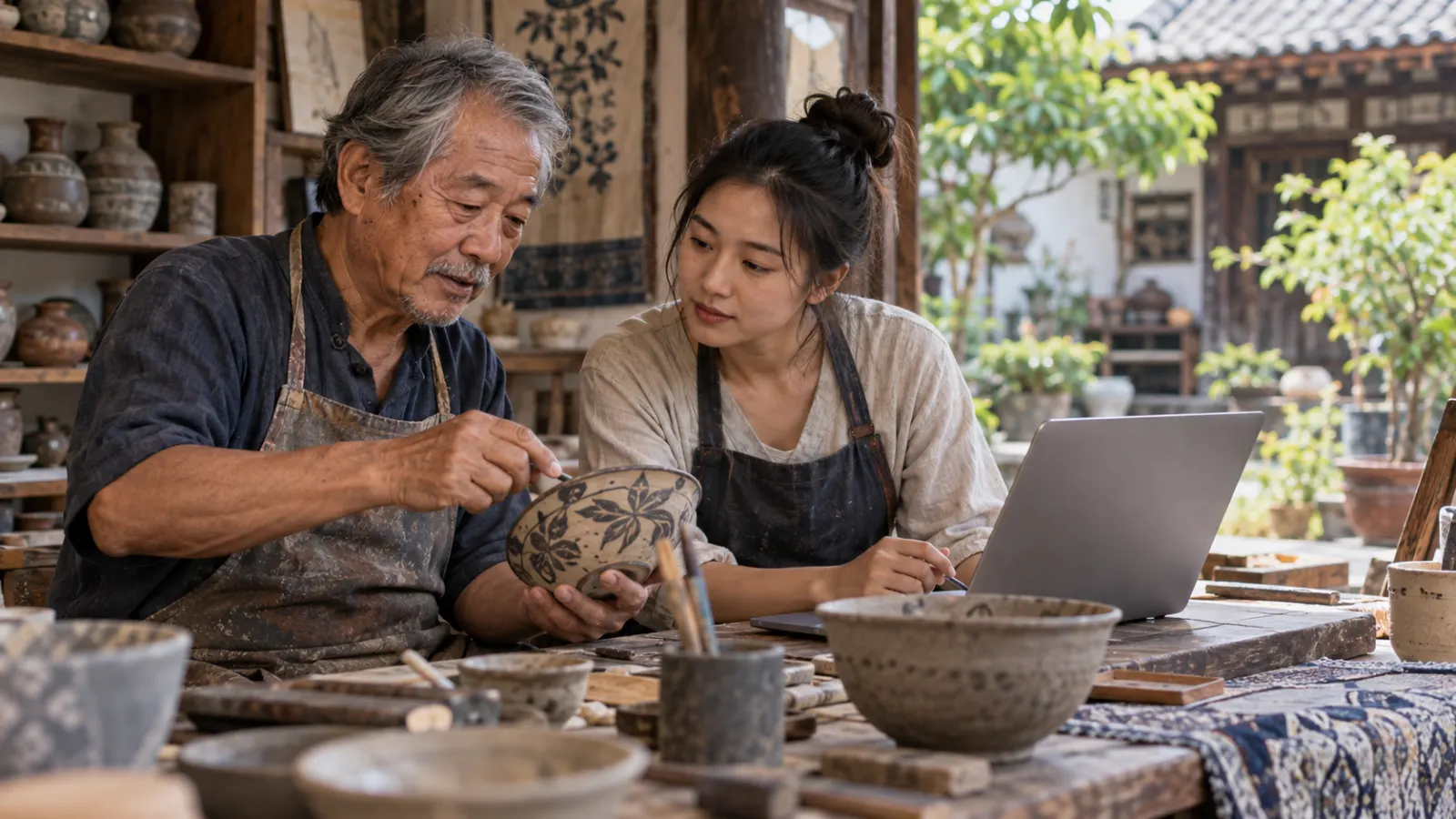
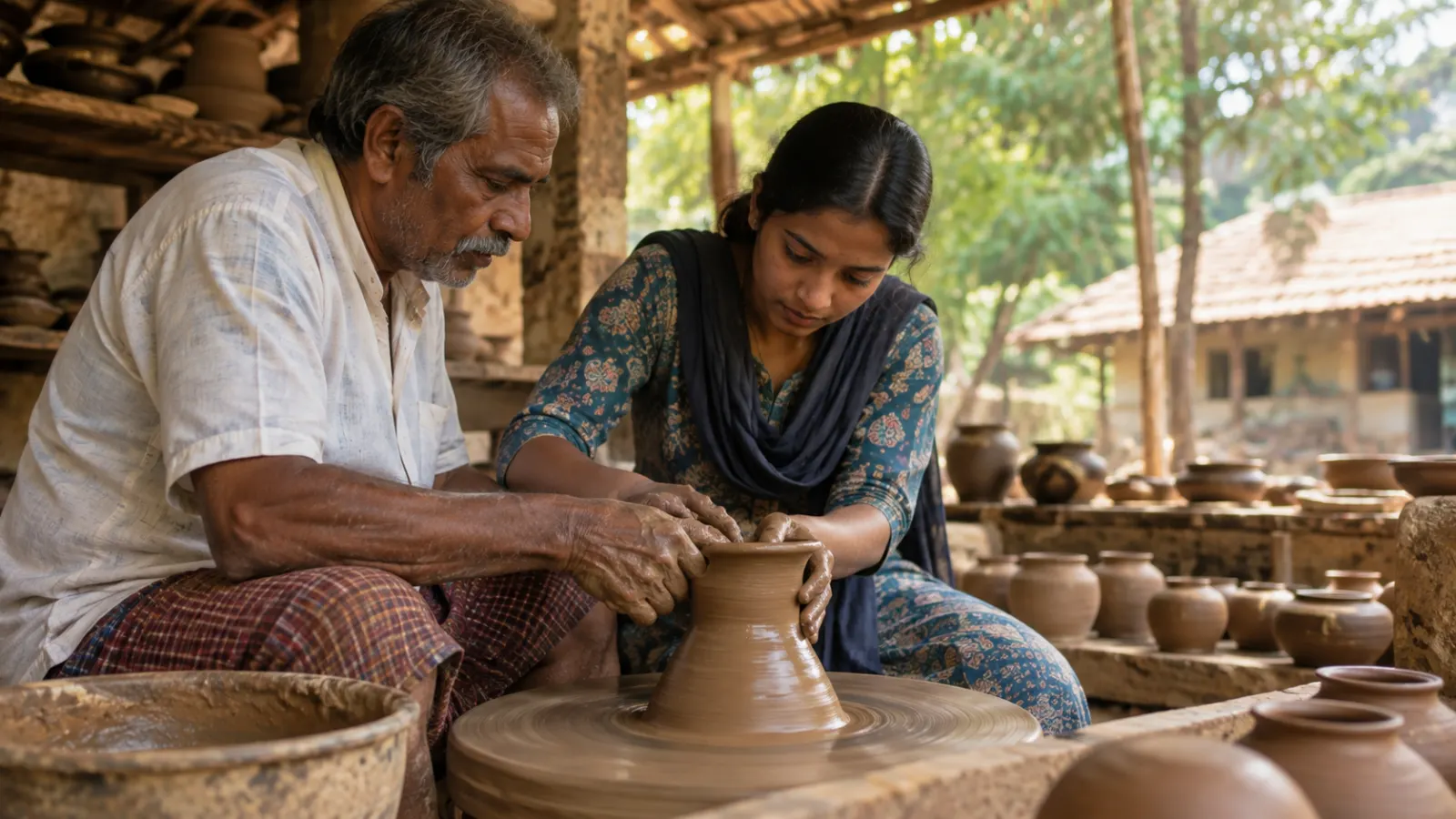
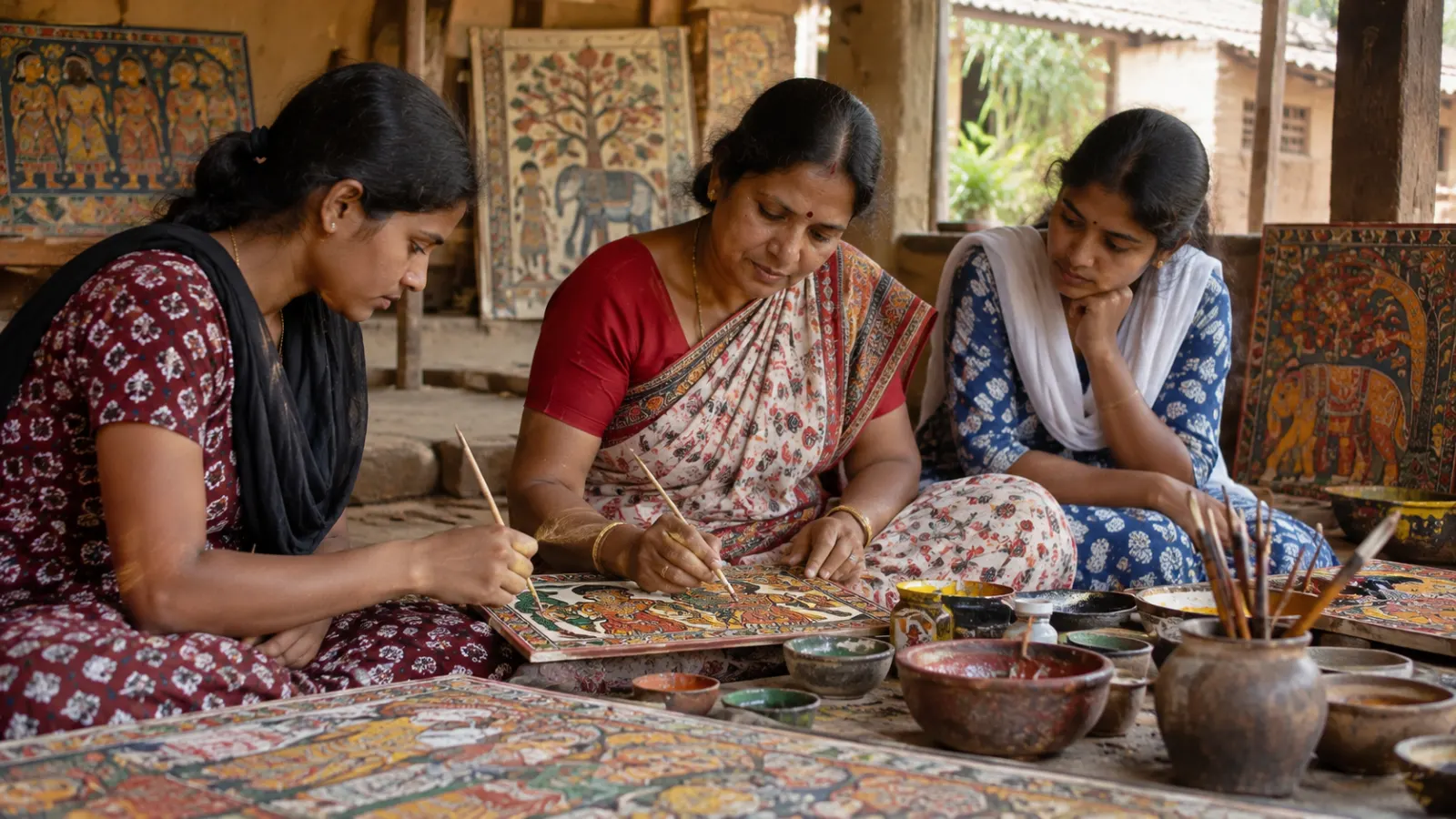
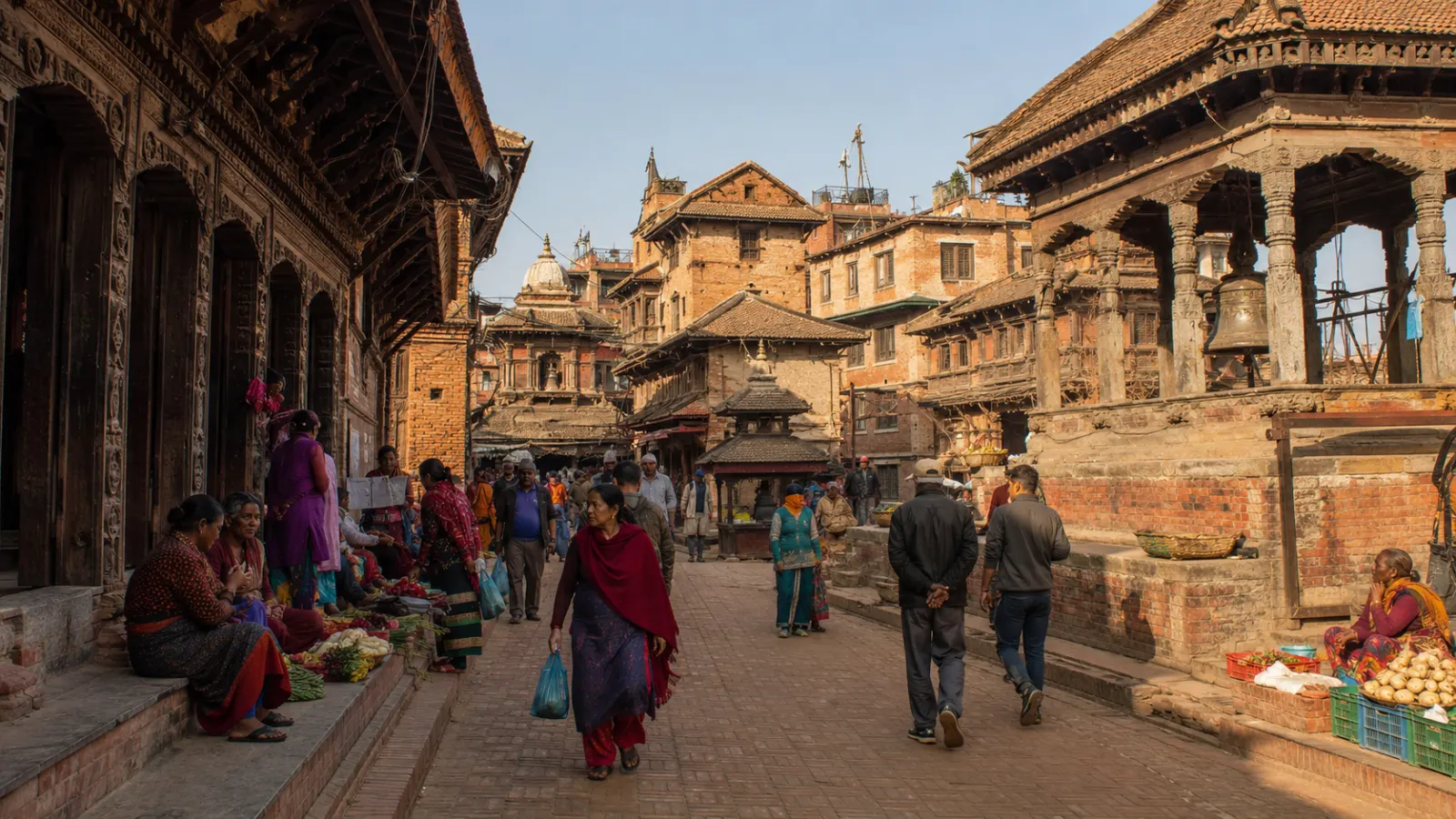
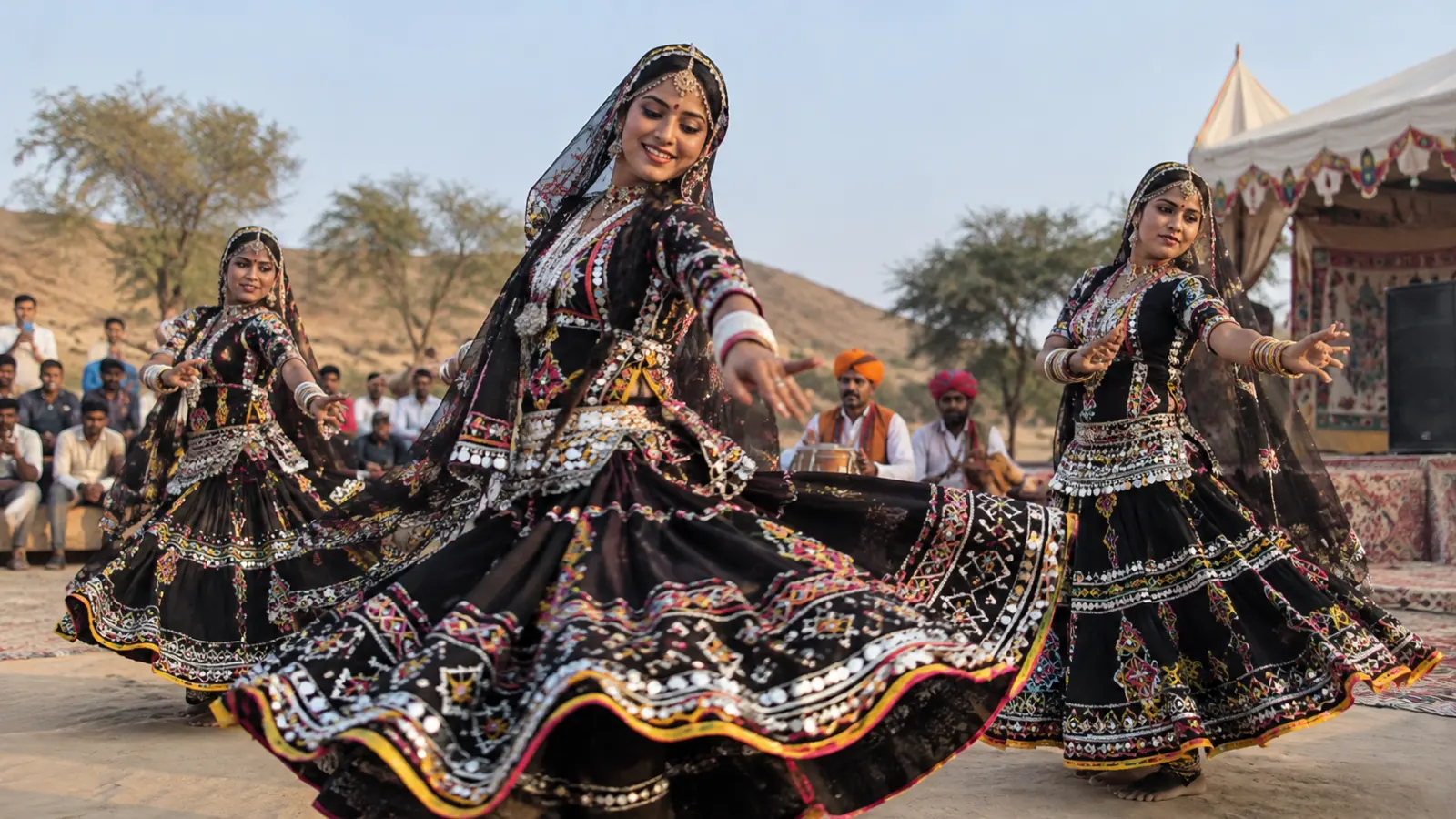
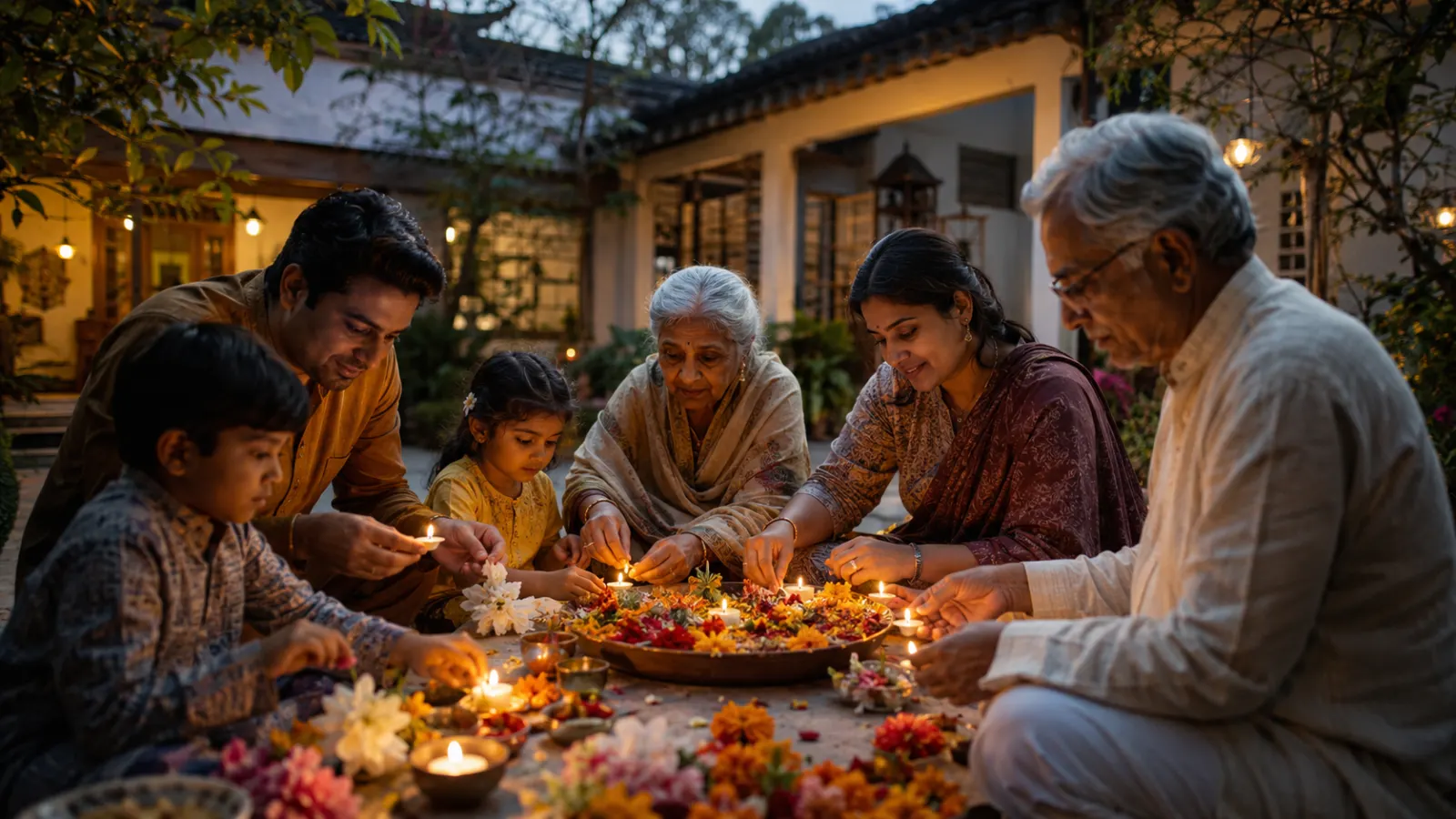
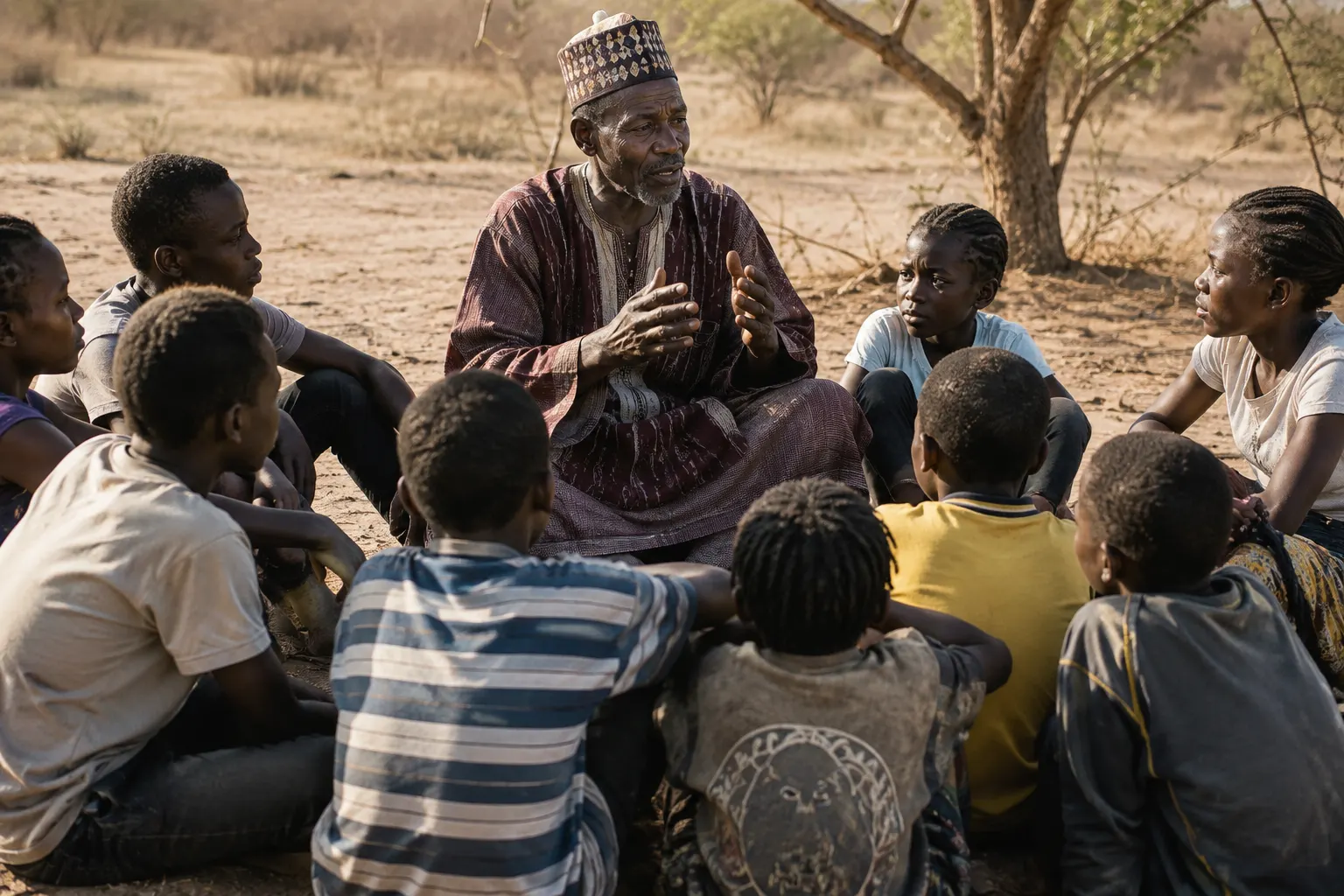
Folk arts are not simply old decorations made outside elite institutions. They are community-created ways of making meaning through image, sound, movement, craft and performance,…
What is cultural heritage? It includes places, objects, traditions, knowledge and practices that people inherit, value and seek to preserve for future generations.
Oral traditions preserve stories, knowledge, memory and cultural values across generations through storytelling, performance and repeated community practice.
Enjoying the reporting?
We noticed an ad blocker. Ads keep our journalism free — please consider allowing them, or subscribe to our newsletter instead.
We use cookies to keep you signed in and to understand how readers use the site. See our Privacy Policy.