Amartya Sen reshaped welfare economics by asking what resources actually enable people to do, from escaping famine to expanding freedom and capability.
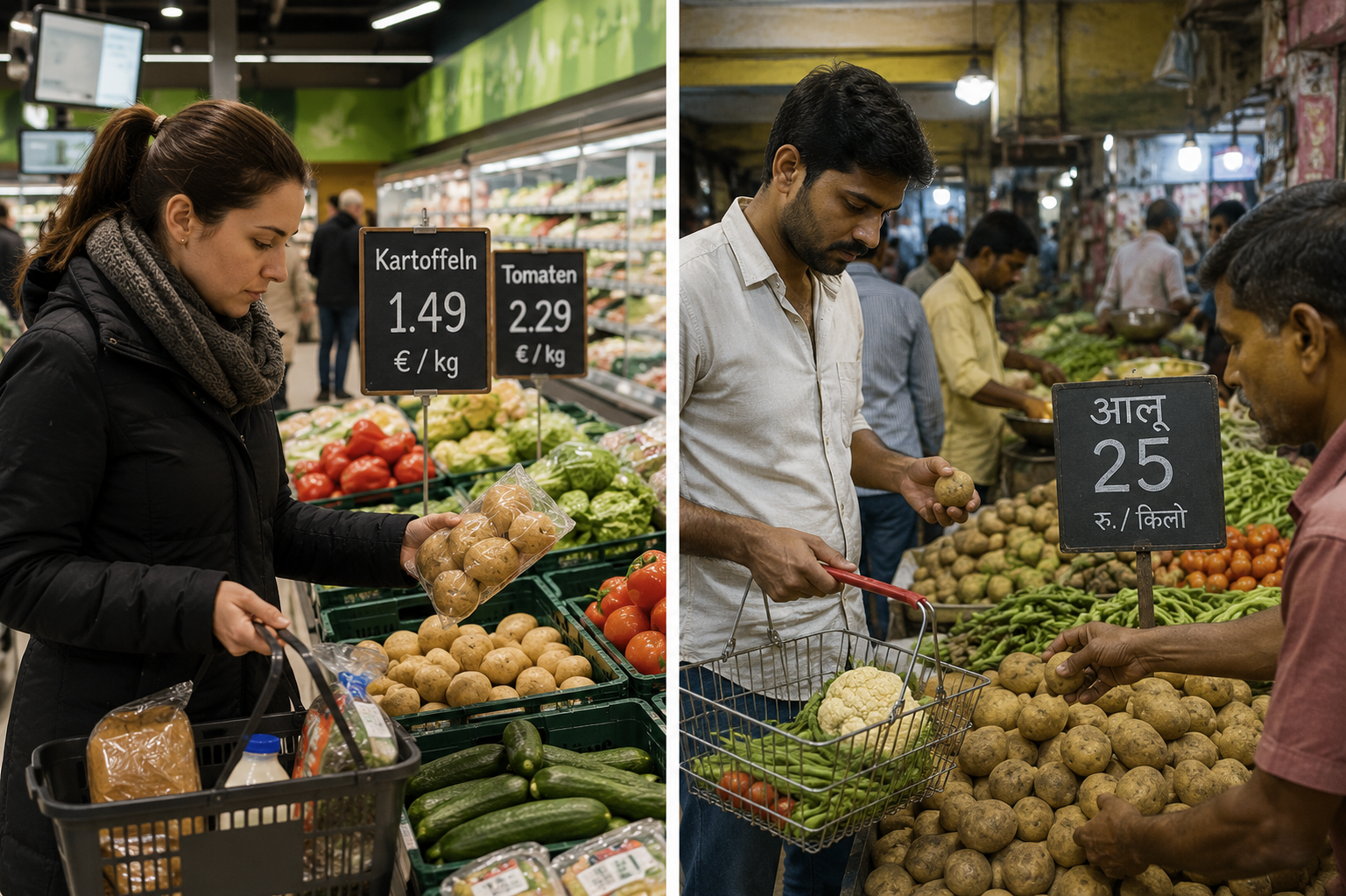
Purchasing Power Parity compares what currencies can buy across countries. Learn how PPP works, where it is used and why it differs from exchange rates.
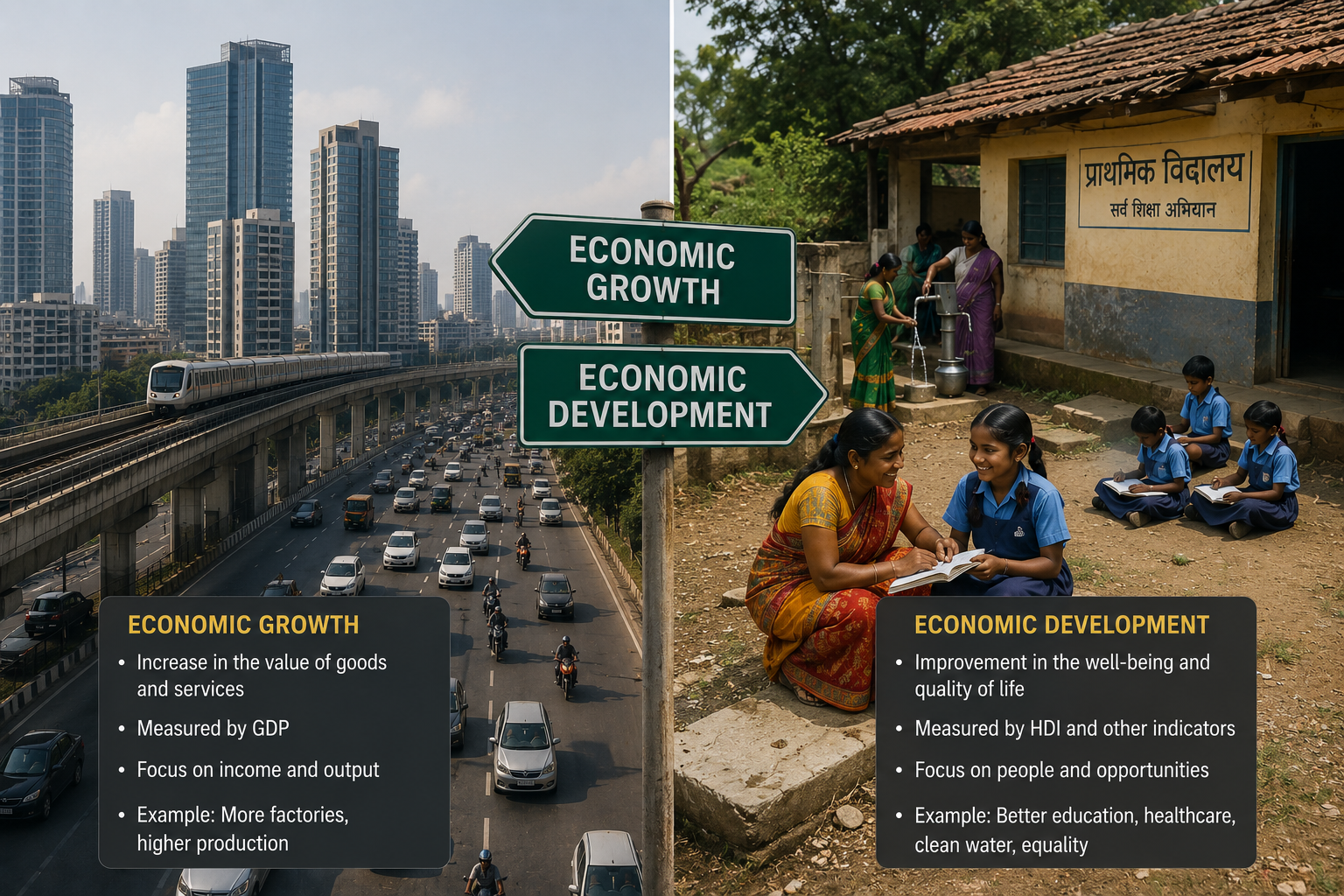
Sustainable economic growth aims to raise incomes and productivity without undermining social inclusion, resources or long-term environmental stability.
A demographic dividend can boost economic growth when the working-age population expands, but success depends on jobs, skills, health and productivity.
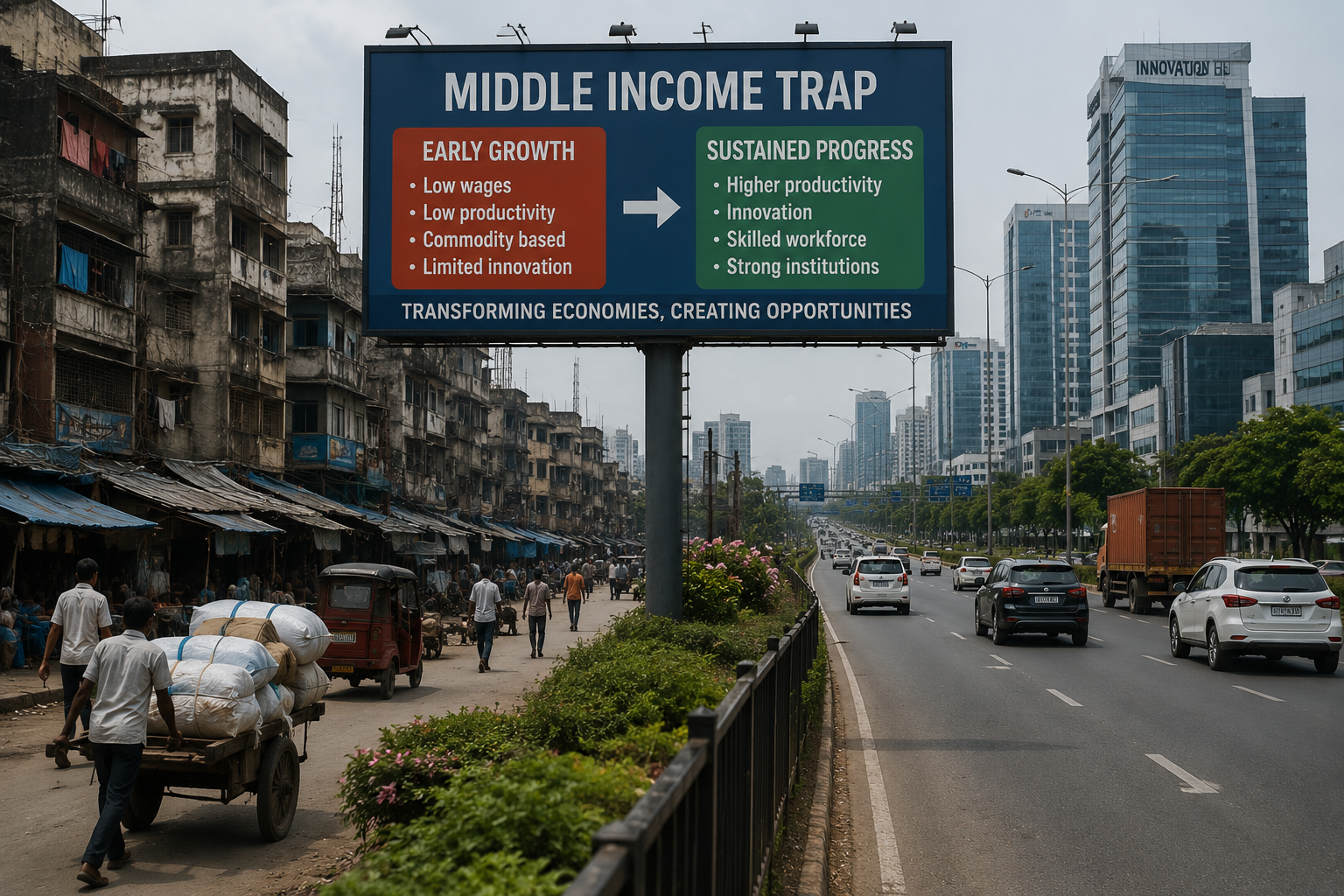
The middle income trap occurs when an economy grows rapidly but then struggles to reach high-income status. Learn why productivity and innovation matter.
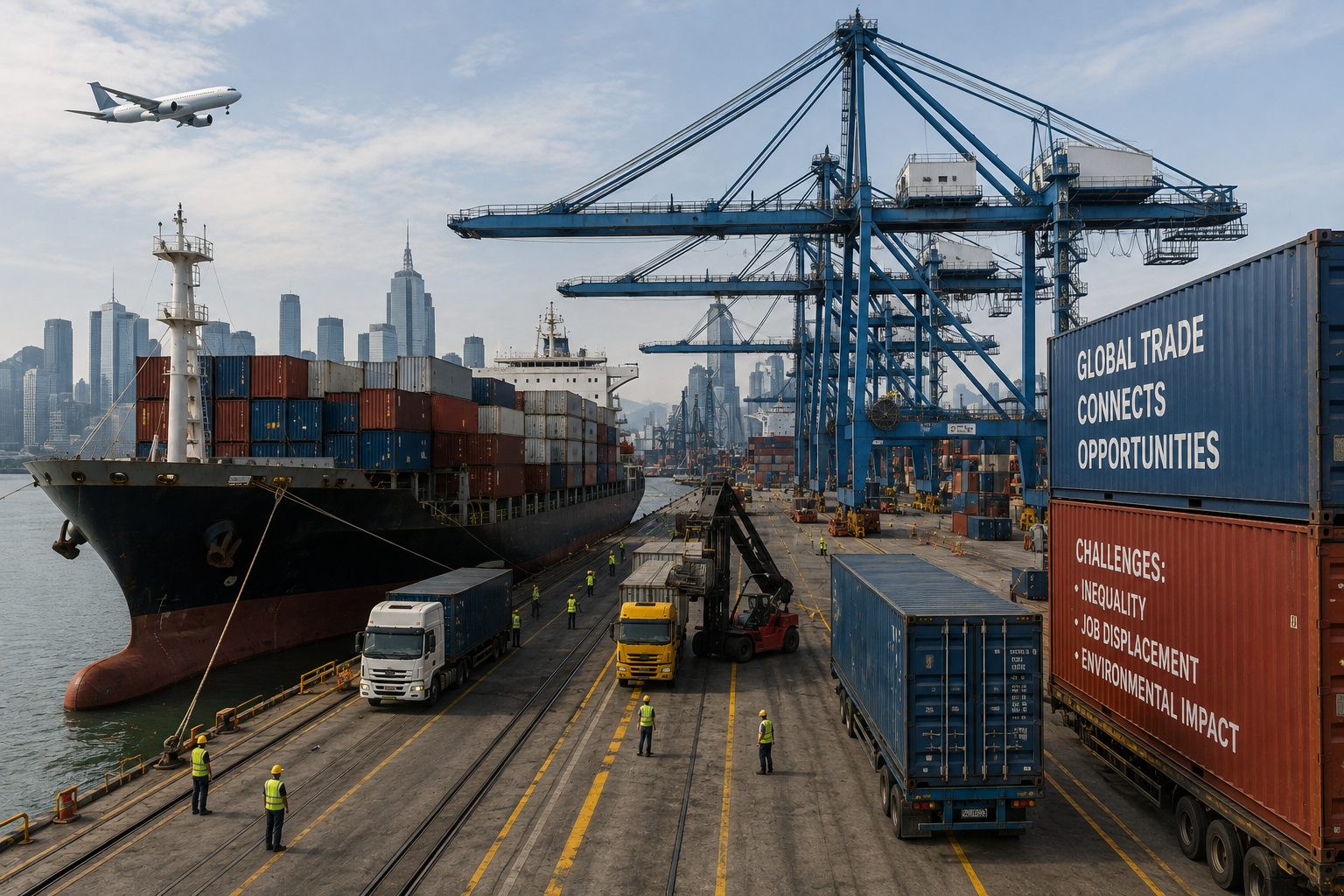
Globalisation connects economies through trade, investment, technology, migration and supply chains. Learn its economic benefits, risks and unequal effects.
Enjoying the reporting?
We noticed an ad blocker. Ads keep our journalism free — please consider allowing them, or subscribe to our newsletter instead.
We use cookies to keep you signed in and to understand how readers use the site. See our Privacy Policy.