Business
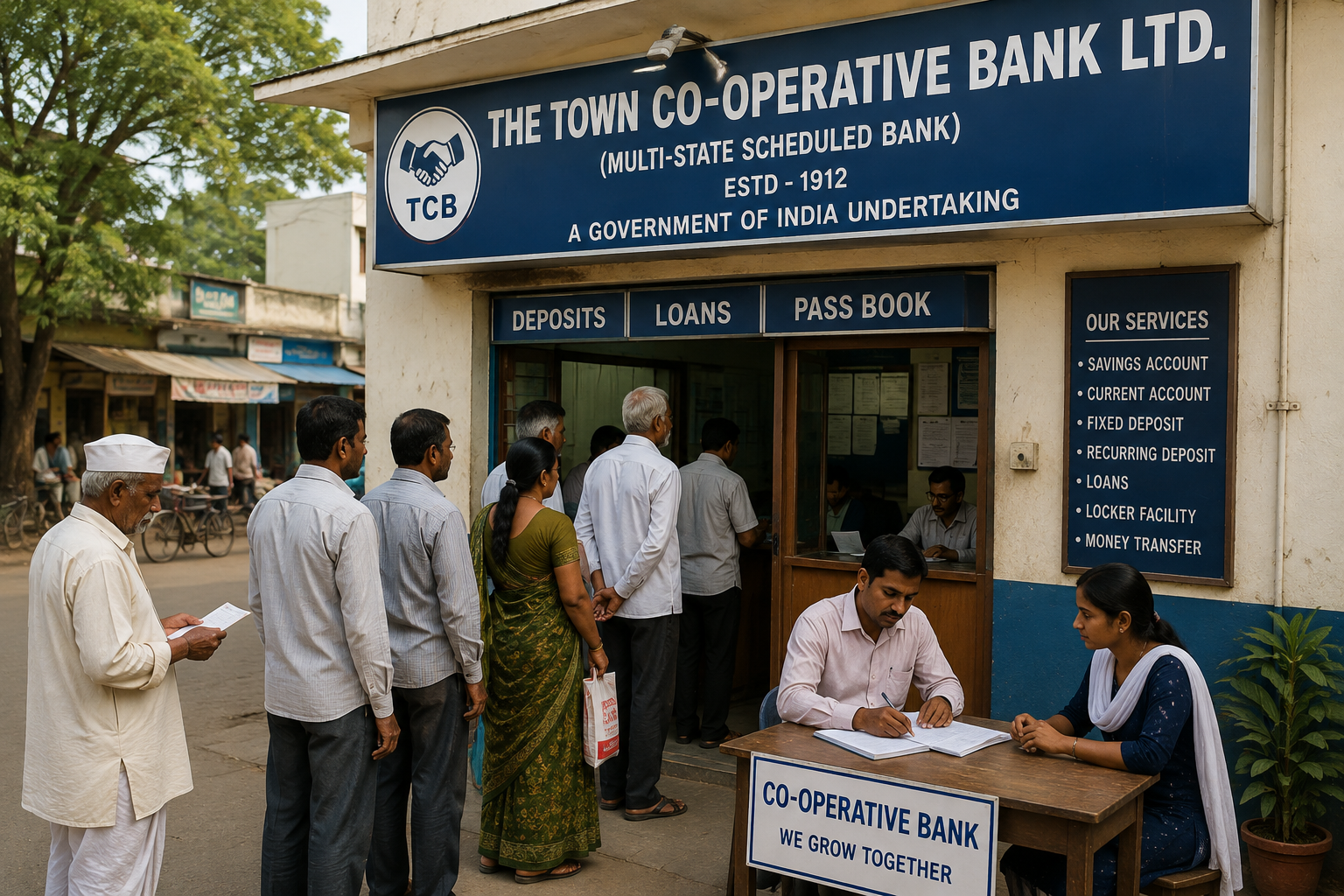
Cooperative banks are member-owned financial institutions that provide deposits, loans and local credit. Learn how they work, whom they serve and the risks involved.

Business
How credit cards work depends on billing cycles, interest-free periods, fees and repayments. Learn how minimum payments can turn short-term credit into costly debt.
Business
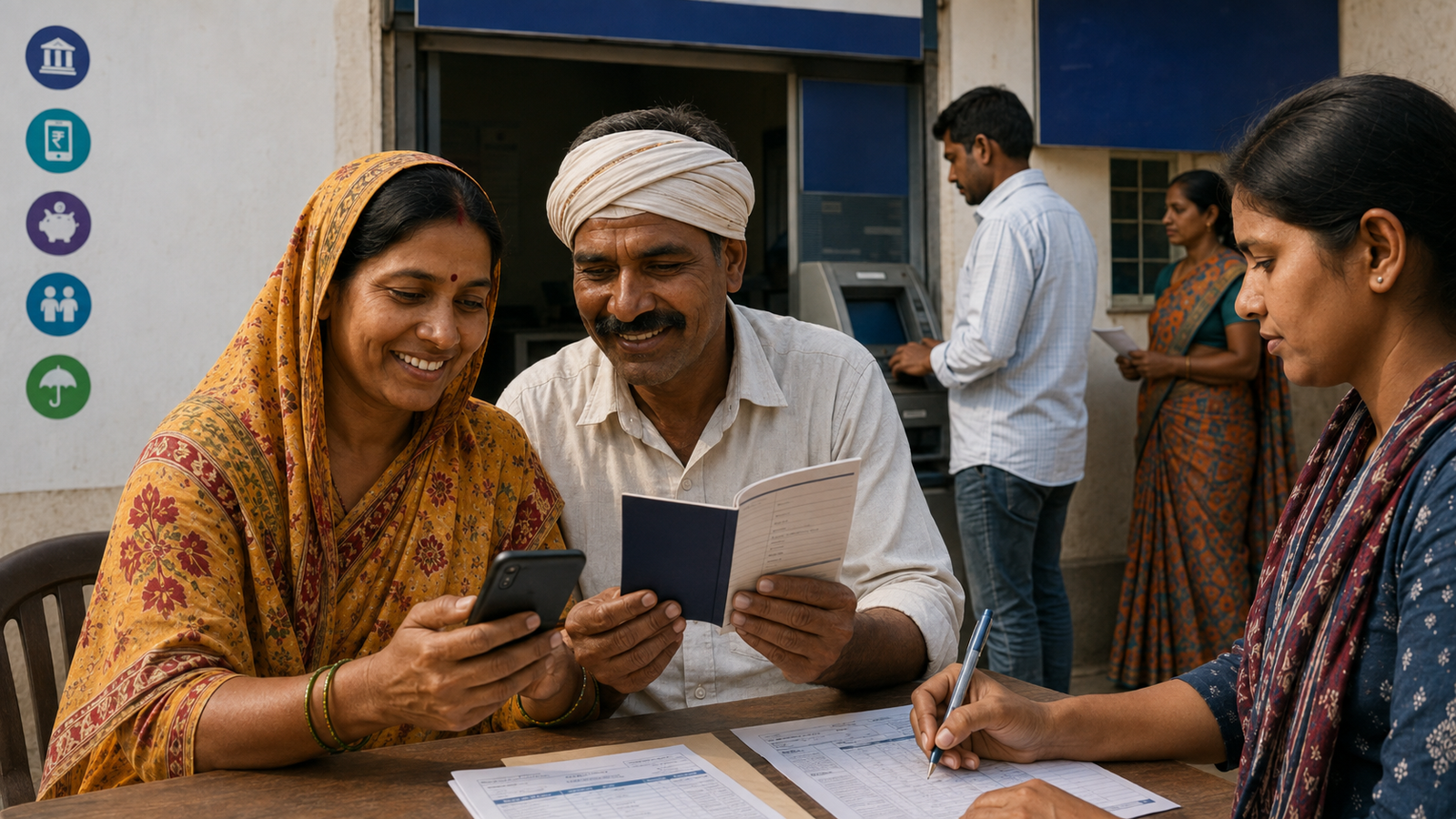
Financial inclusion means access to bank accounts, payments, savings, credit and insurance. Learn why financial inclusion matters for households, resilience and economic growth.

Business
The role of NBFCs includes providing credit, leasing, retail finance and specialised lending beyond traditional banks. Learn how they work, their benefits and their risks.
Business
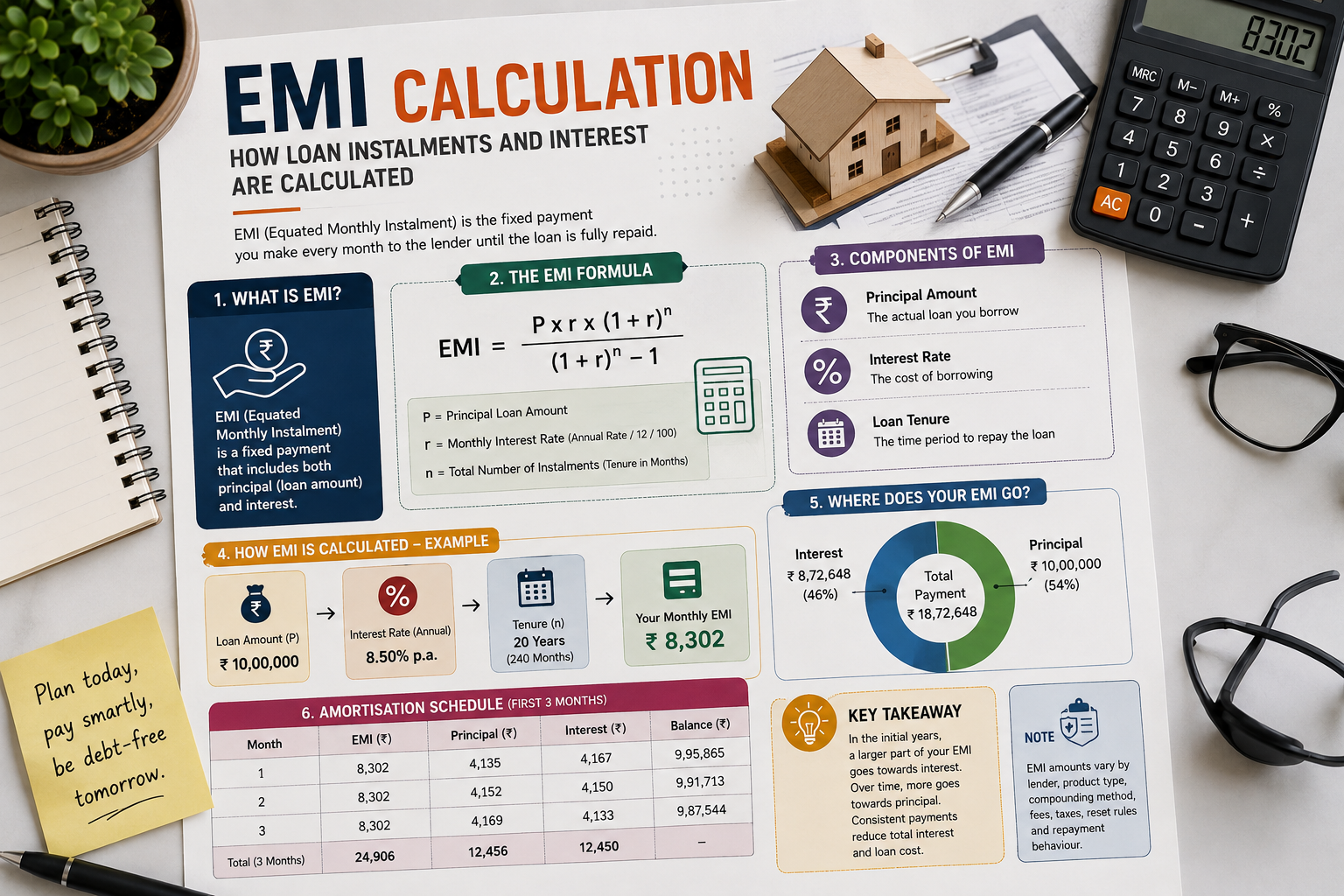
EMI calculation determines your monthly loan payment using the principal, interest rate and tenure. Learn how EMIs work and how loan costs build over time.
Business
The RBI influences inflation, interest rates, banking, currency and financial stability. Understand how India’s central bank shapes the wider economy.

Business
A bank run begins when fear drives mass withdrawals. Learn how runs start, why liquidity matters and how deposit insurance protects eligible depositors.

Business
Deposit insurance protects eligible bank deposits if a bank fails. Learn how DICGC coverage works in India, its limits and which deposits are covered.

Business
Loan restructuring changes repayment terms when borrowers face financial stress. Learn how it works, what relief it may provide and its consequences.
Business
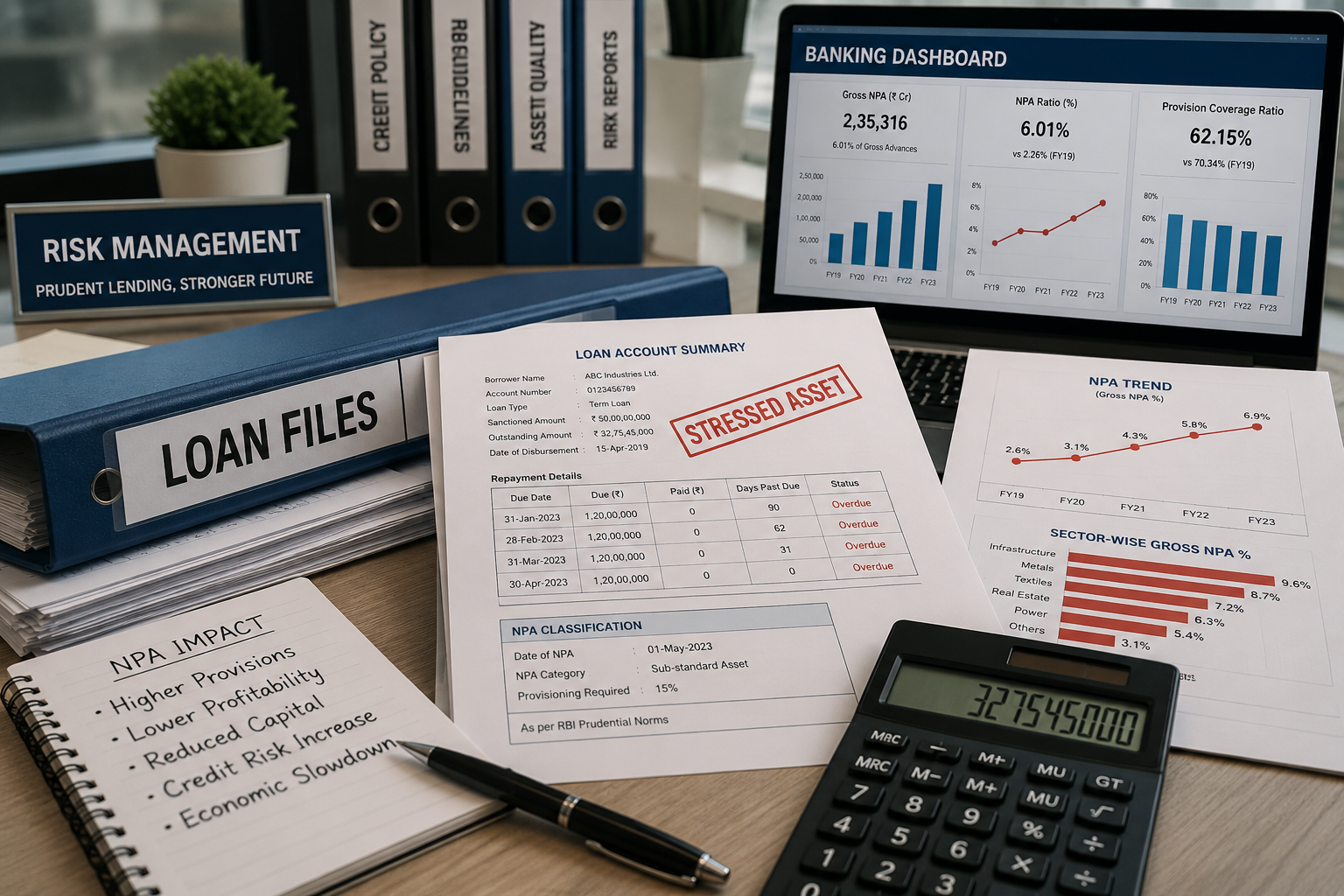
Non-performing assets are loans that stop generating regular repayments. Learn how NPAs affect bank balance sheets, borrowers and financial stability.

Business
Bad loans reduce bank income, absorb capital and weaken new lending. Learn how rising defaults can threaten banks and broader financial stability.

Business
Provisioning in accounting recognises expected losses or obligations before cash is paid. Learn how provisions work and why they support prudent reporting.
Business
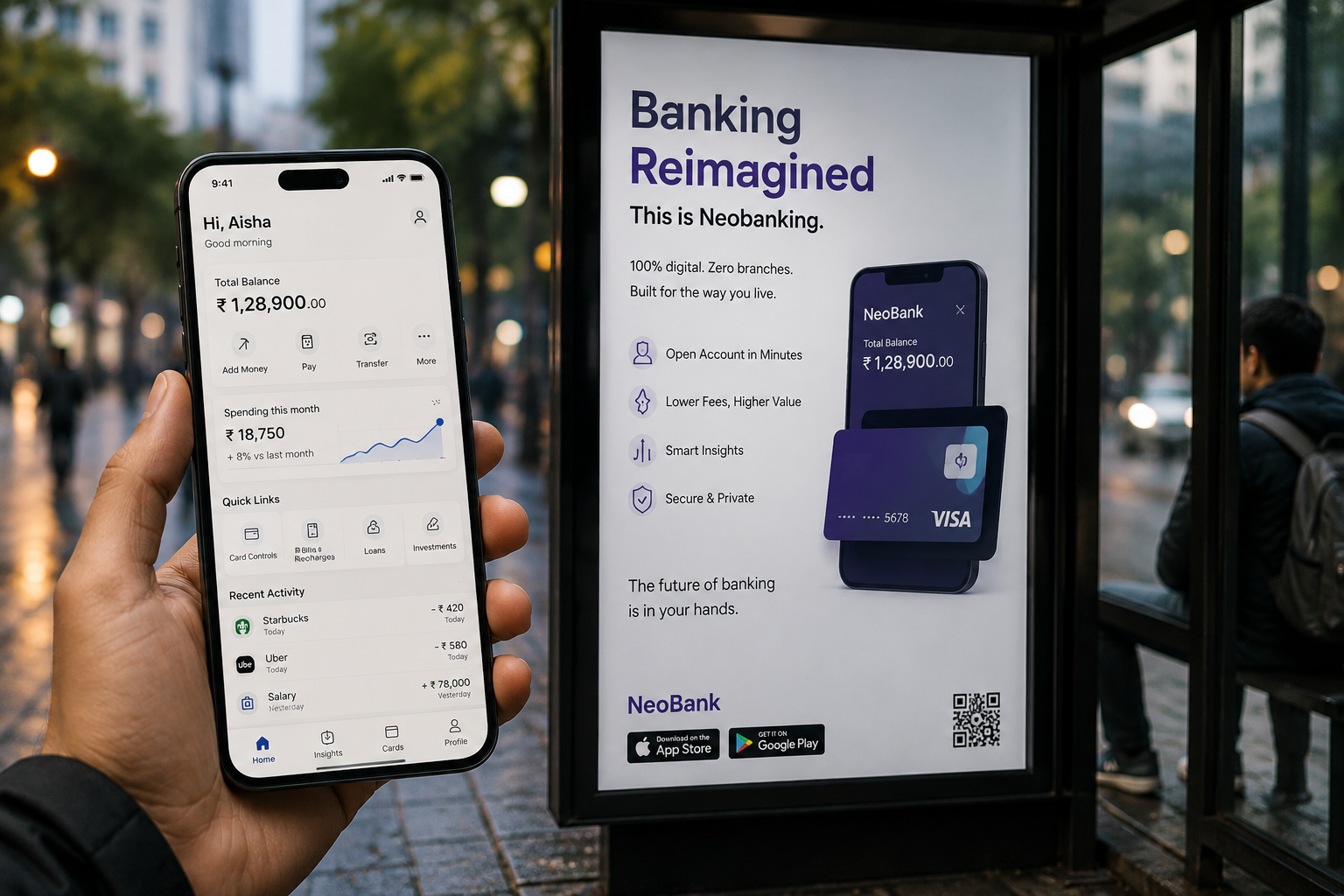
Neobanks offer app-based financial services without traditional branch networks. Learn how they work, their benefits, risks and relationship with regulated banks.
