
Business
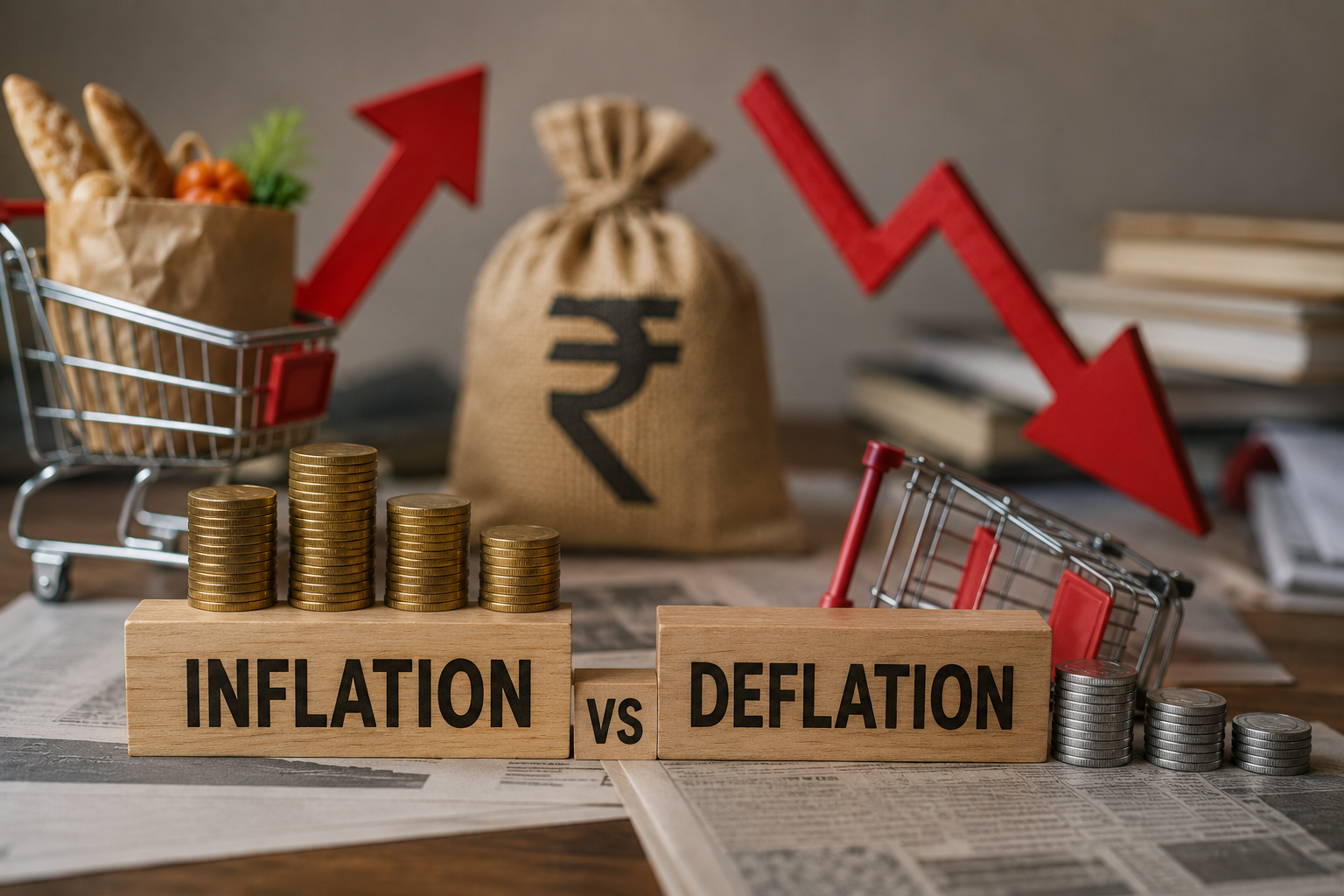
Inflation vs Deflation: What Is the Difference?
Inflation vs deflation explains how rising and falling prices affect purchasing power, debt, business activity, employment and economic growth.
Companies, markets, the economy, trade, finance and industry.
Inflation vs deflation explains how rising and falling prices affect purchasing power, debt, business activity, employment and economic growth.

Stagflation explained through high inflation, weak growth and unemployment, showing why it harms households, businesses and economic policymaking.
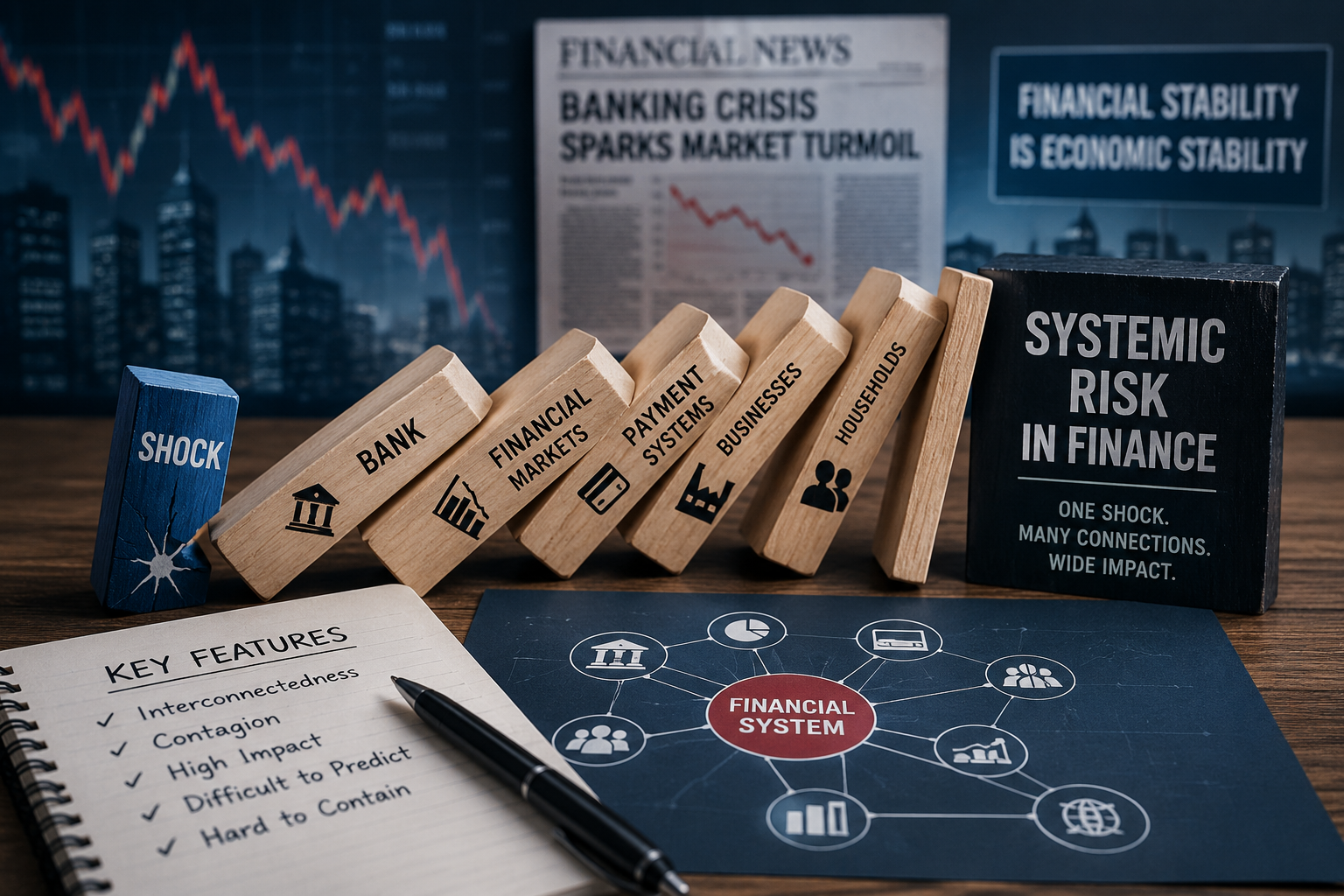
Systemic risk in finance explains how shocks spread across banks and markets, threatening financial stability, credit, businesses and the wider economy.

Delayed gratification in finance shows how resisting immediate spending can strengthen saving habits, improve investment discipline and support long-term wealth.
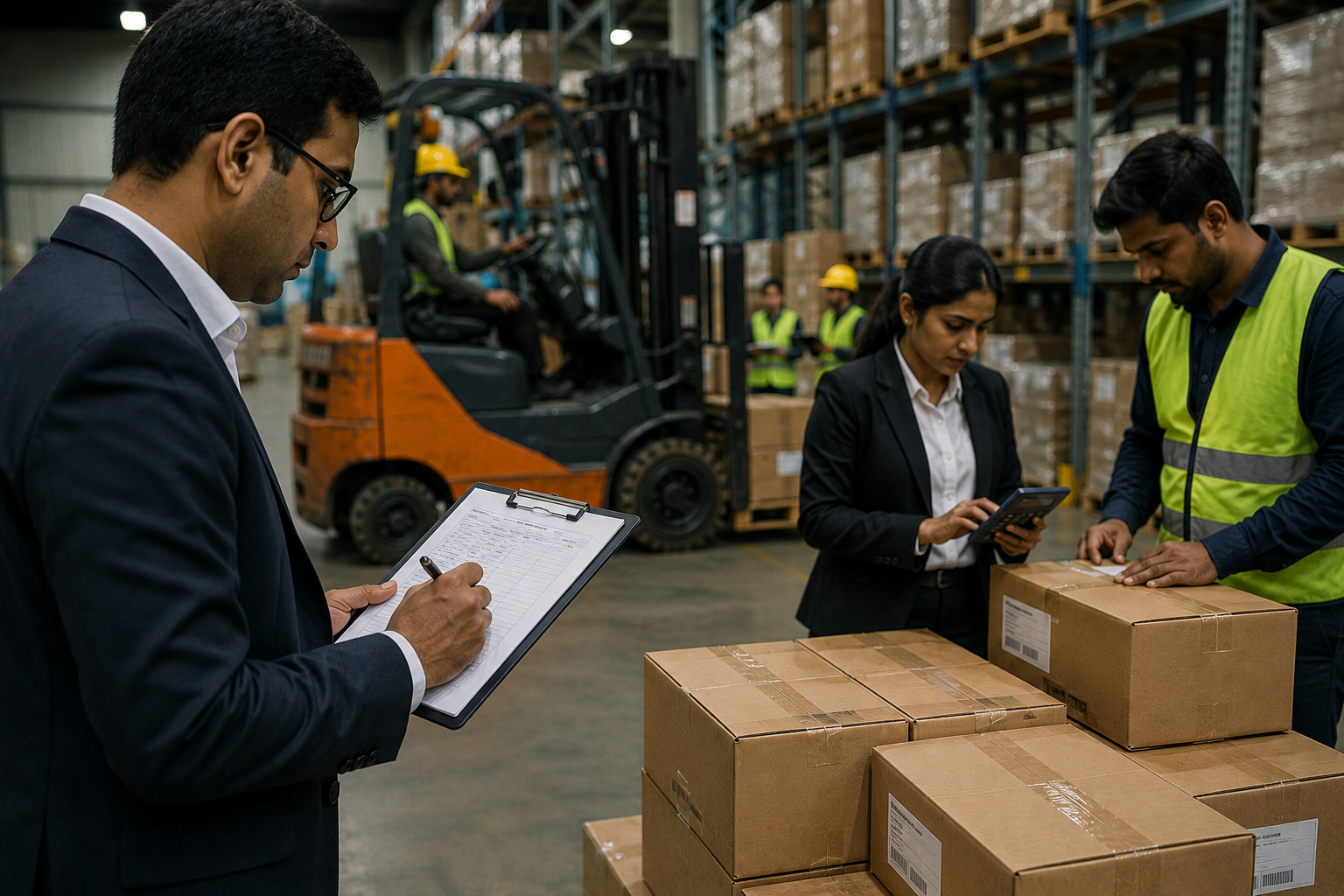
Auditing independently tests financial information and controls, helping investors assess companies and strengthening confidence in financial markets.
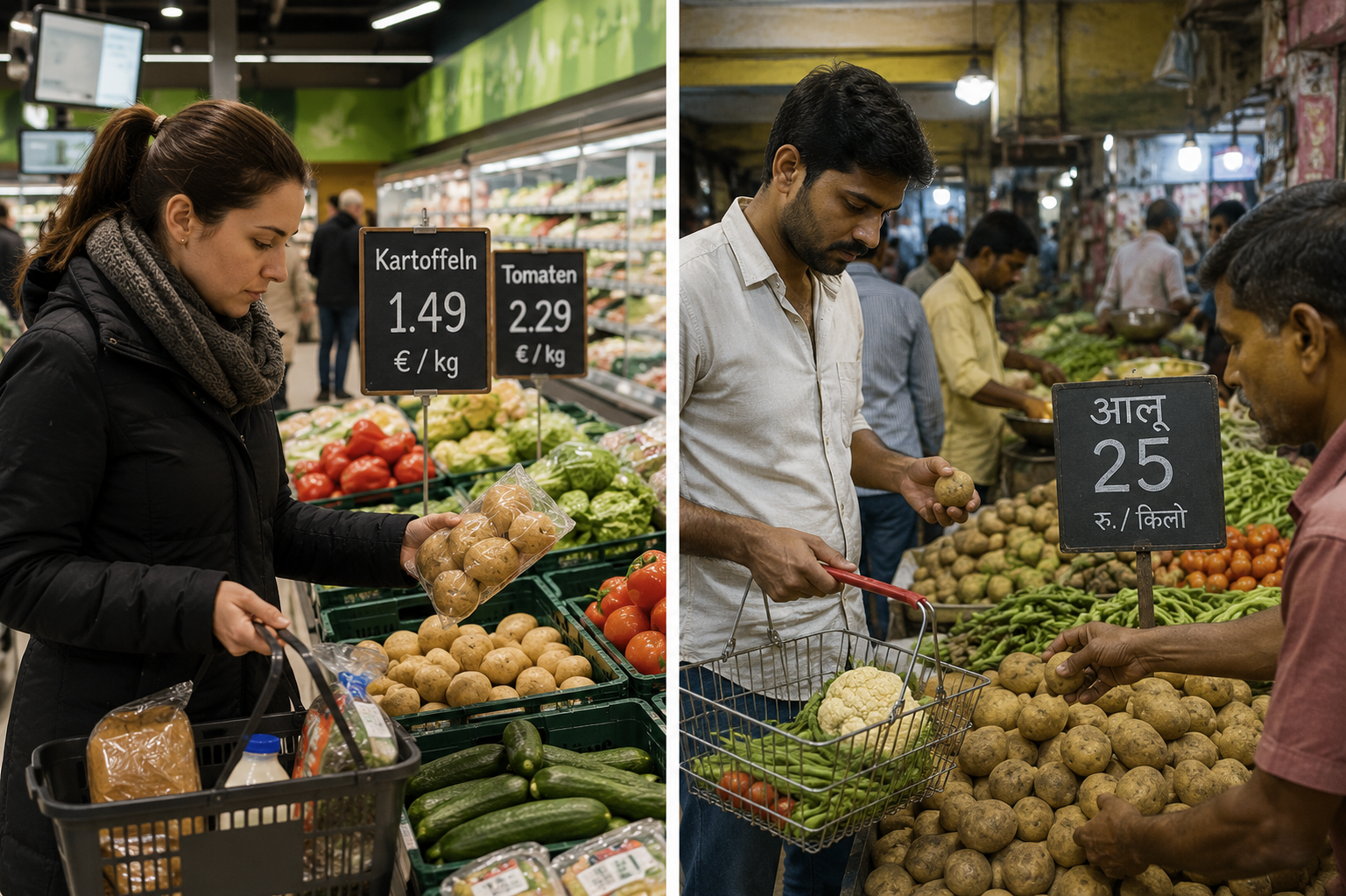
Purchasing Power Parity compares what currencies can buy across countries. Learn how PPP works, where it is used and why it differs from exchange rates.
The Human Development Index combines health, education and income to compare human progress across countries beyond GDP and economic output.
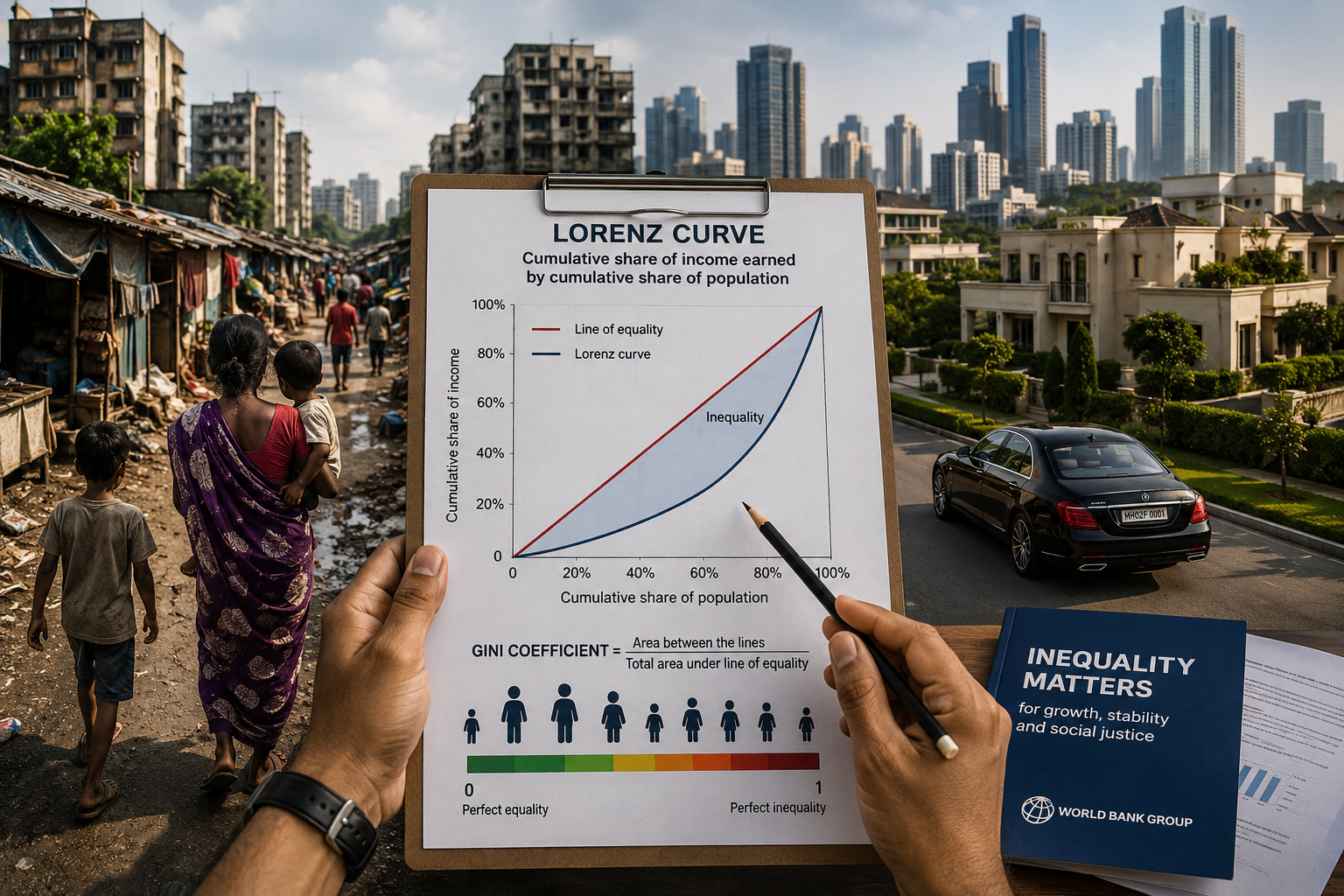
The Gini coefficient measures how evenly income or wealth is distributed. Learn how the index works, how to read it and where its limitations lie.
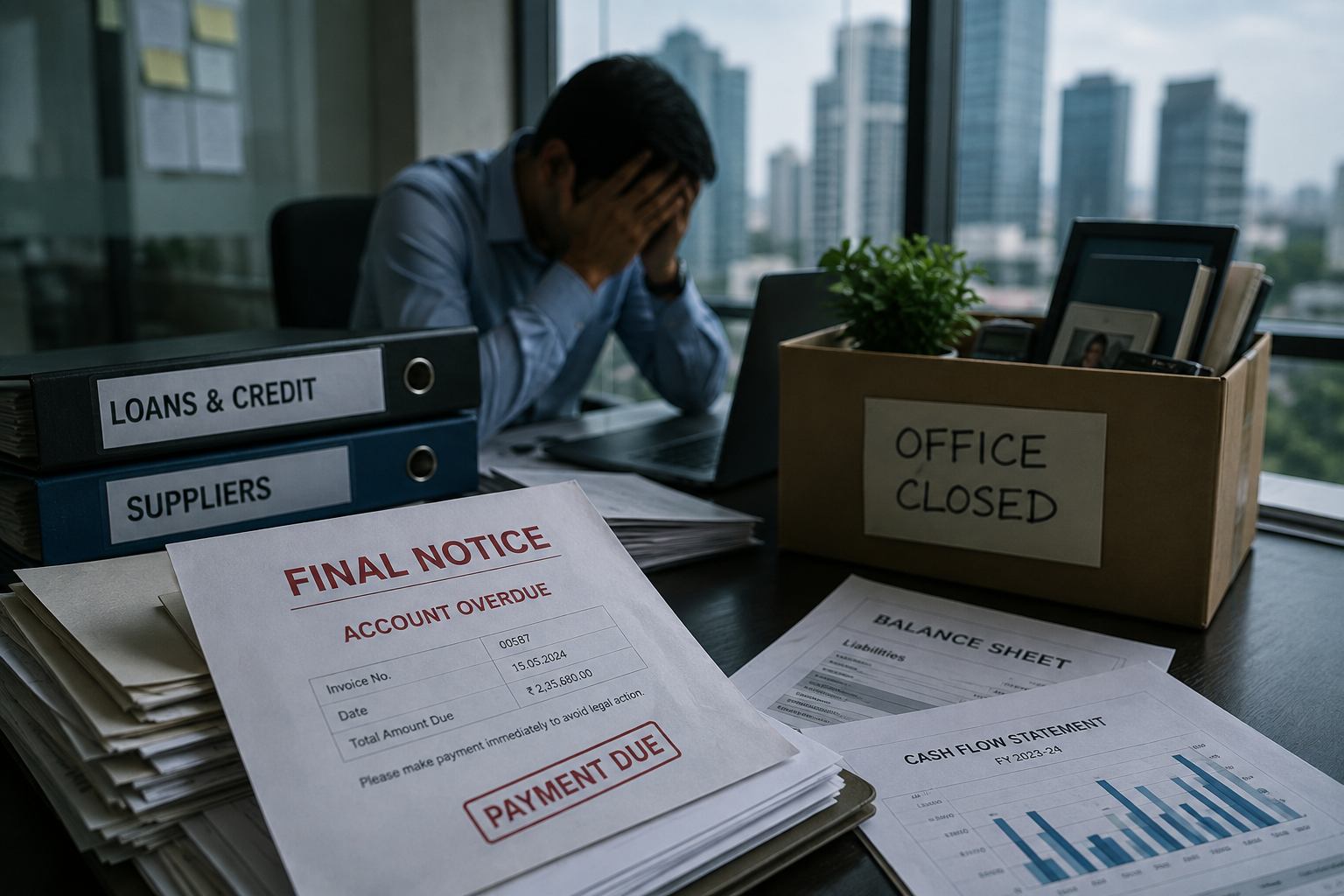
Learn how companies go bankrupt, what triggers insolvency, and what happens to creditors, employees, shareholders and assets during the process.
Per capita income shows the average income per person in an economy. Learn how it is calculated, what it indicates and where the measure can mislead.
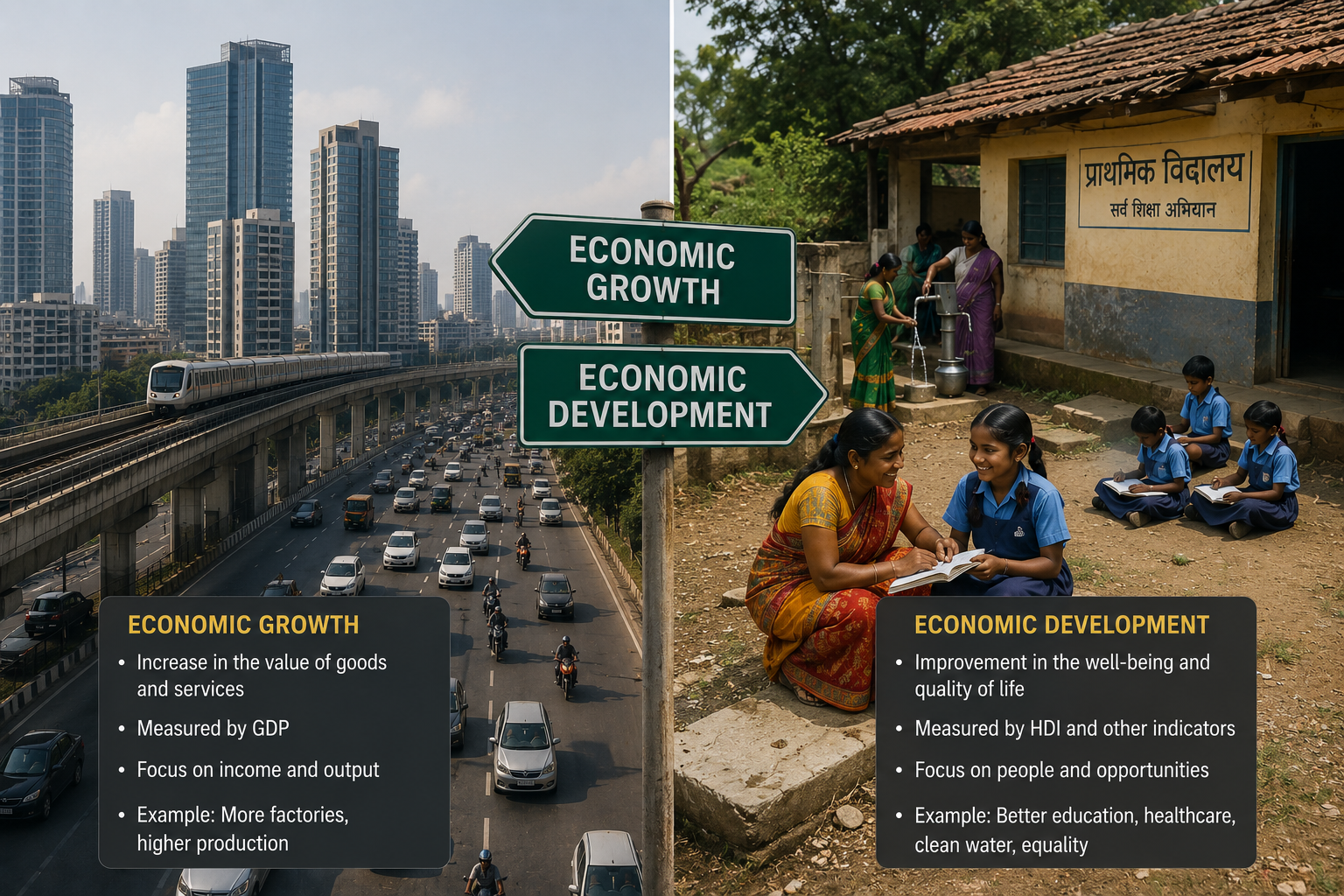
economic growth, economic development, GDP, HDI, inclusive growth, human development, living standards, development economics
Sustainable economic growth aims to raise incomes and productivity without undermining social inclusion, resources or long-term environmental stability.