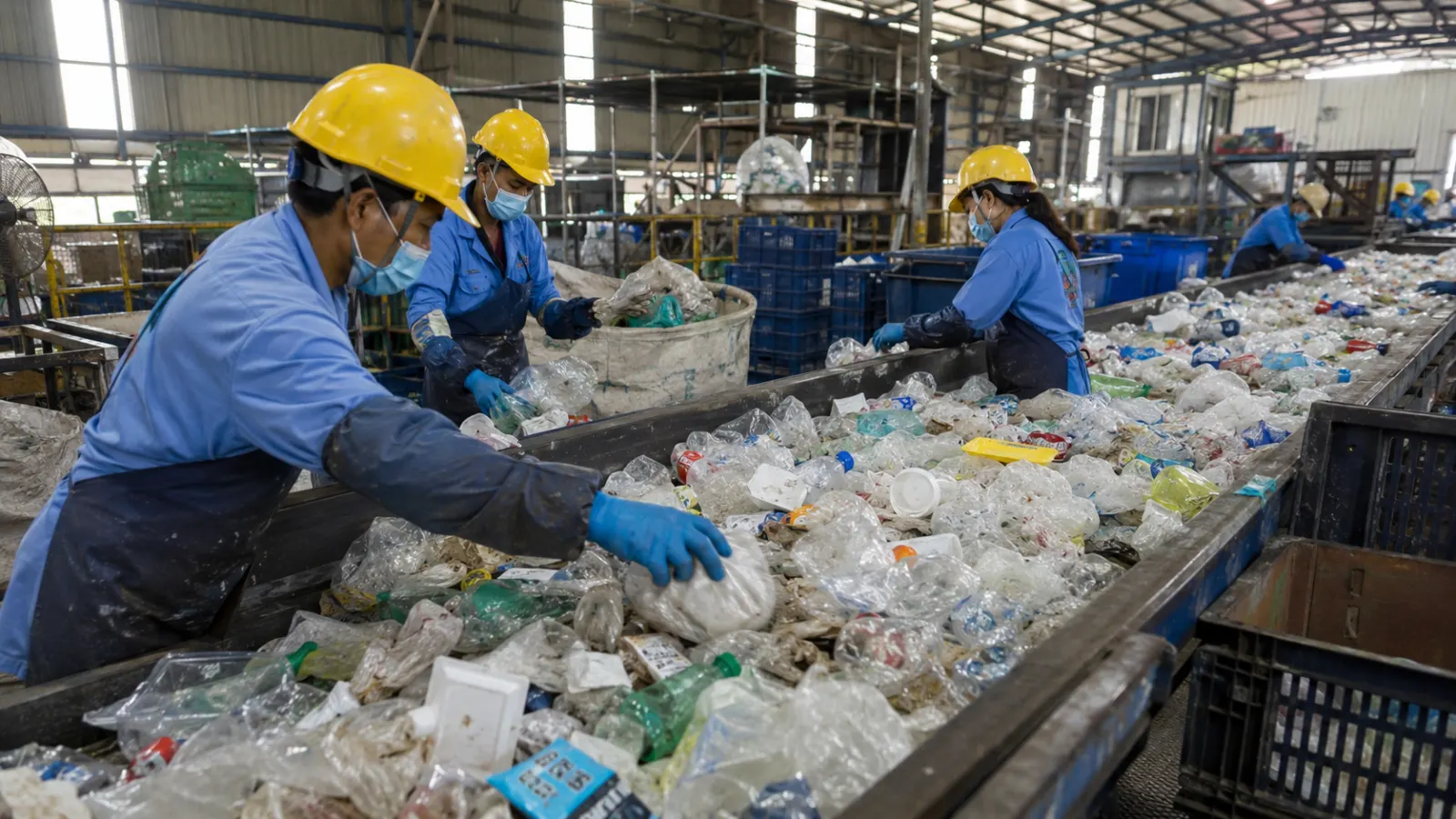
Single-use plastic delivers convenience for minutes but can create waste for years. Explore its environmental impact, recycling limits, reuse systems and policy solutions.
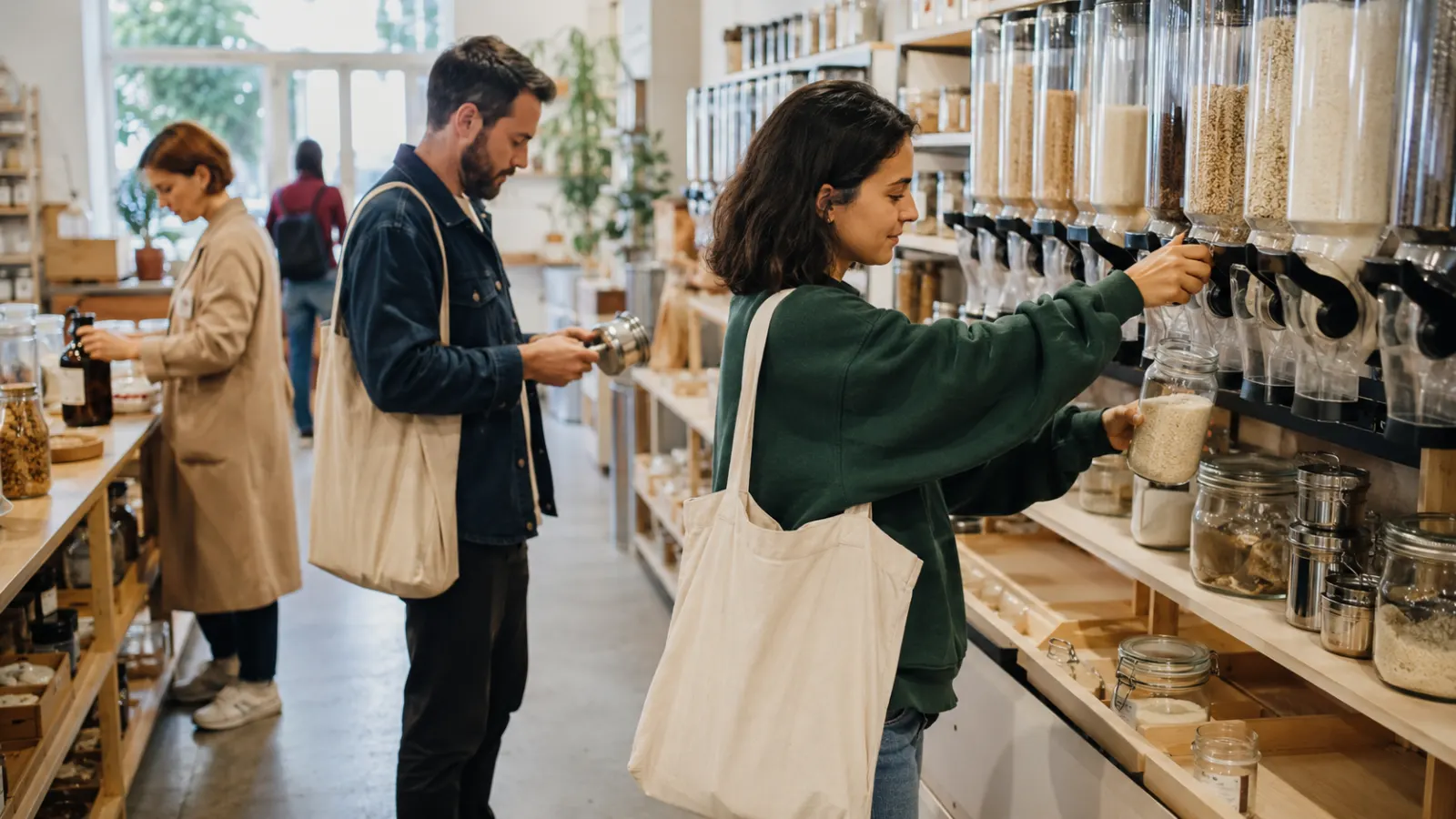
How to reduce plastic use starts with avoiding unnecessary products, cutting packaging and building reuse habits. Explore 25 practical actions that make the biggest difference.
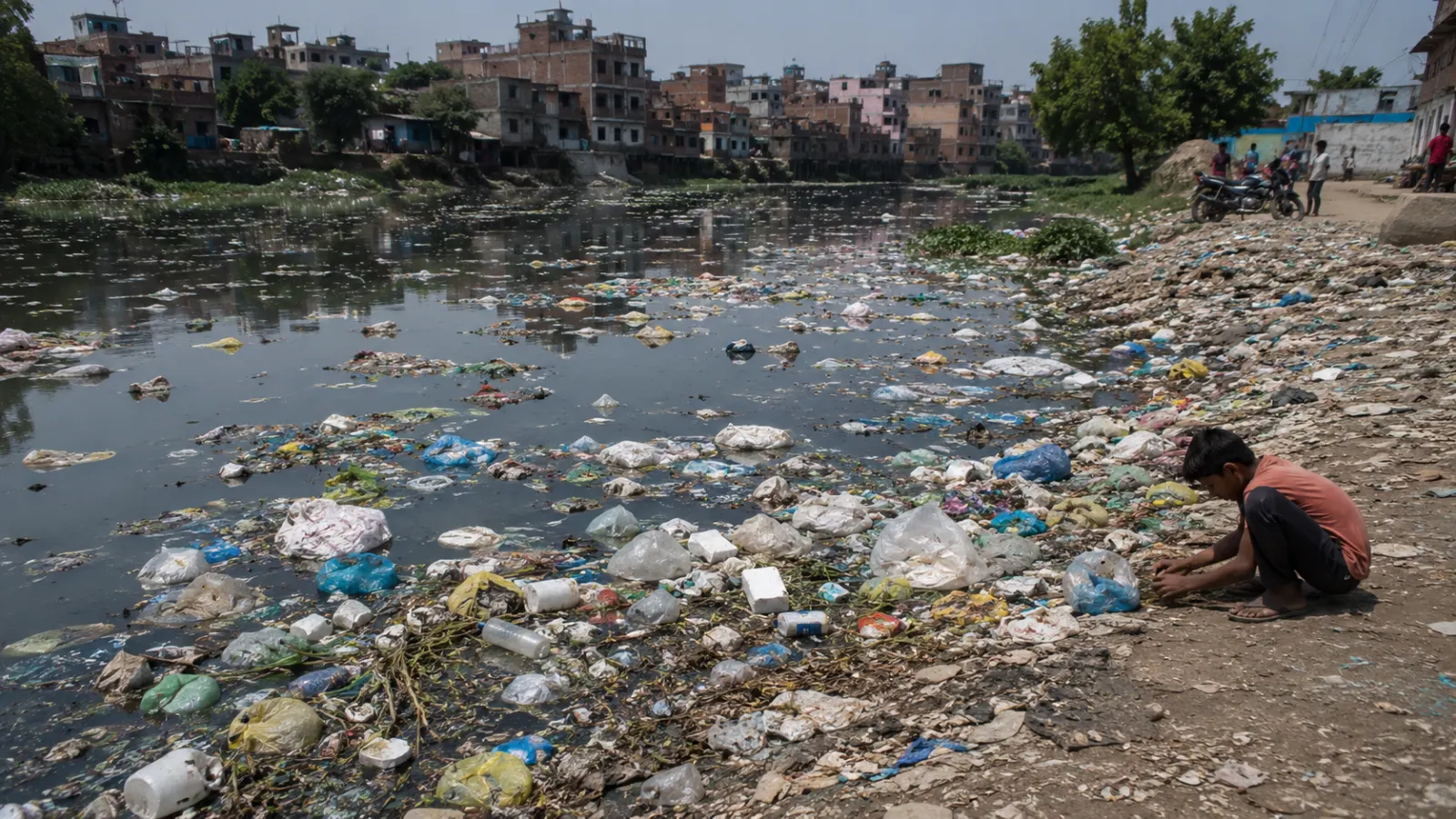
Plastic pollution is more than litter. Learn how production, short-lived products, microplastics, weak waste systems and recycling limits created a global pollution crisis—and wha…
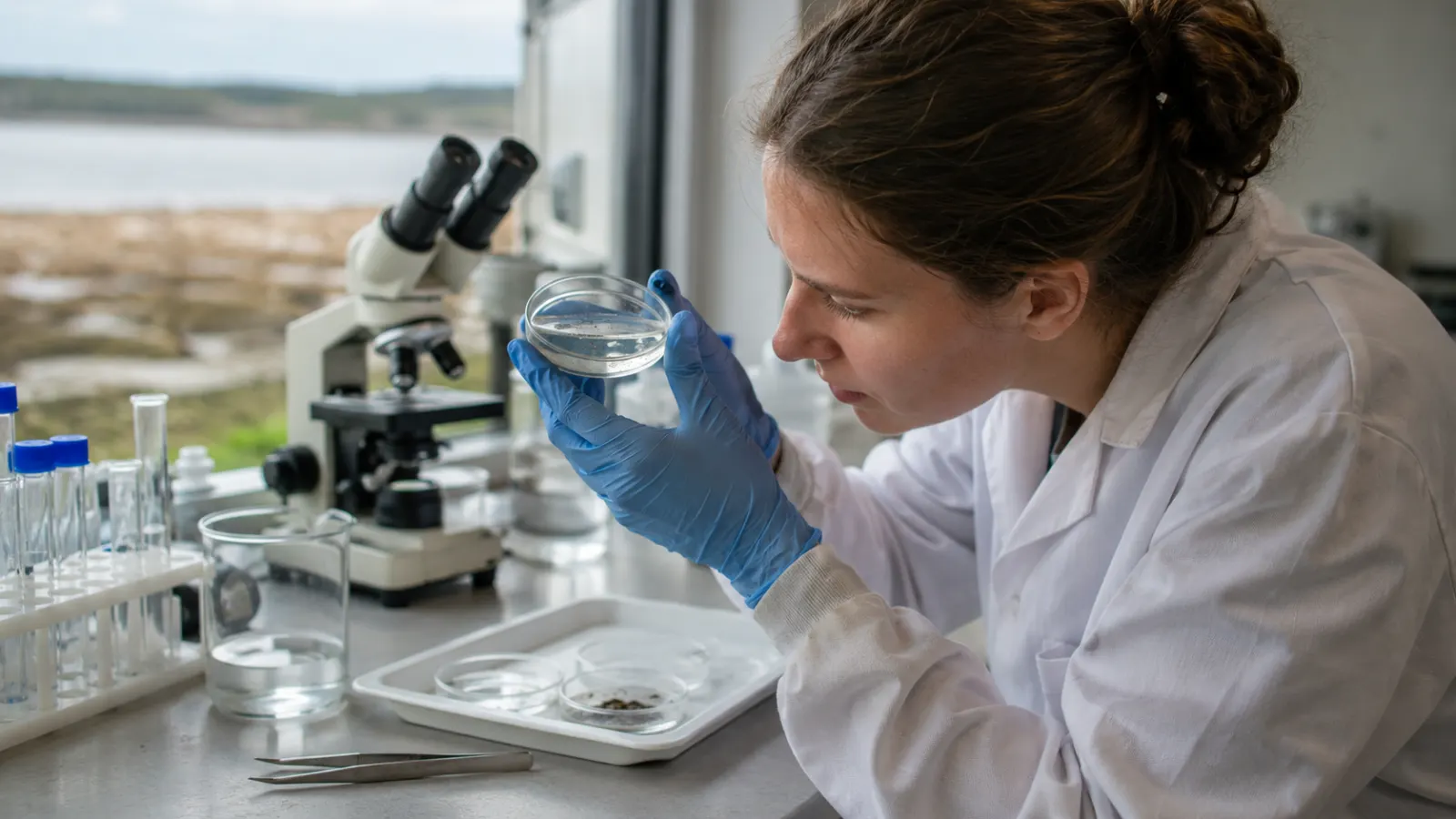
Microplastics are widespread in water, soil, air, food and human samples. Learn where they come from, what research says about health risks and what remains uncertain.
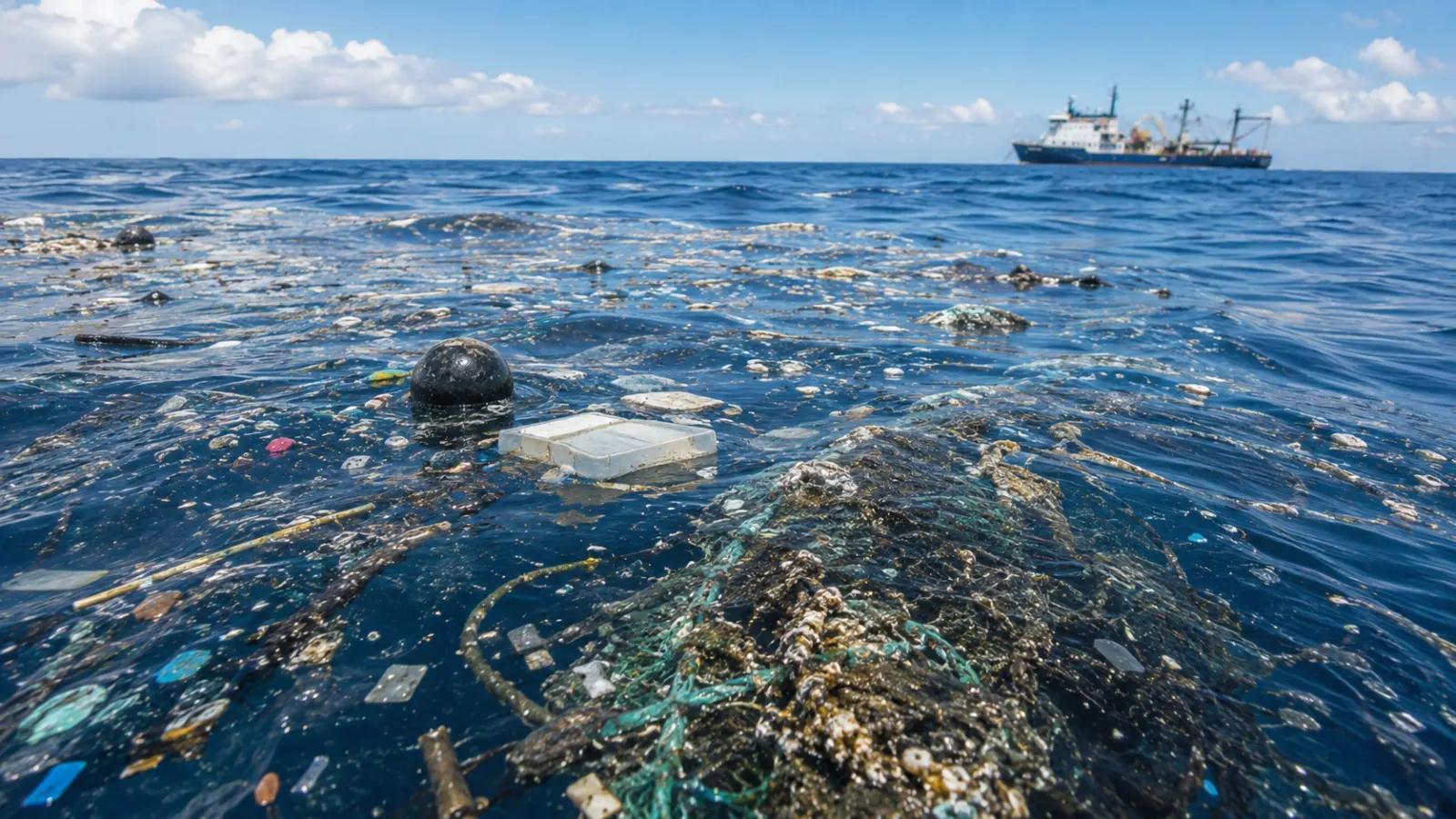
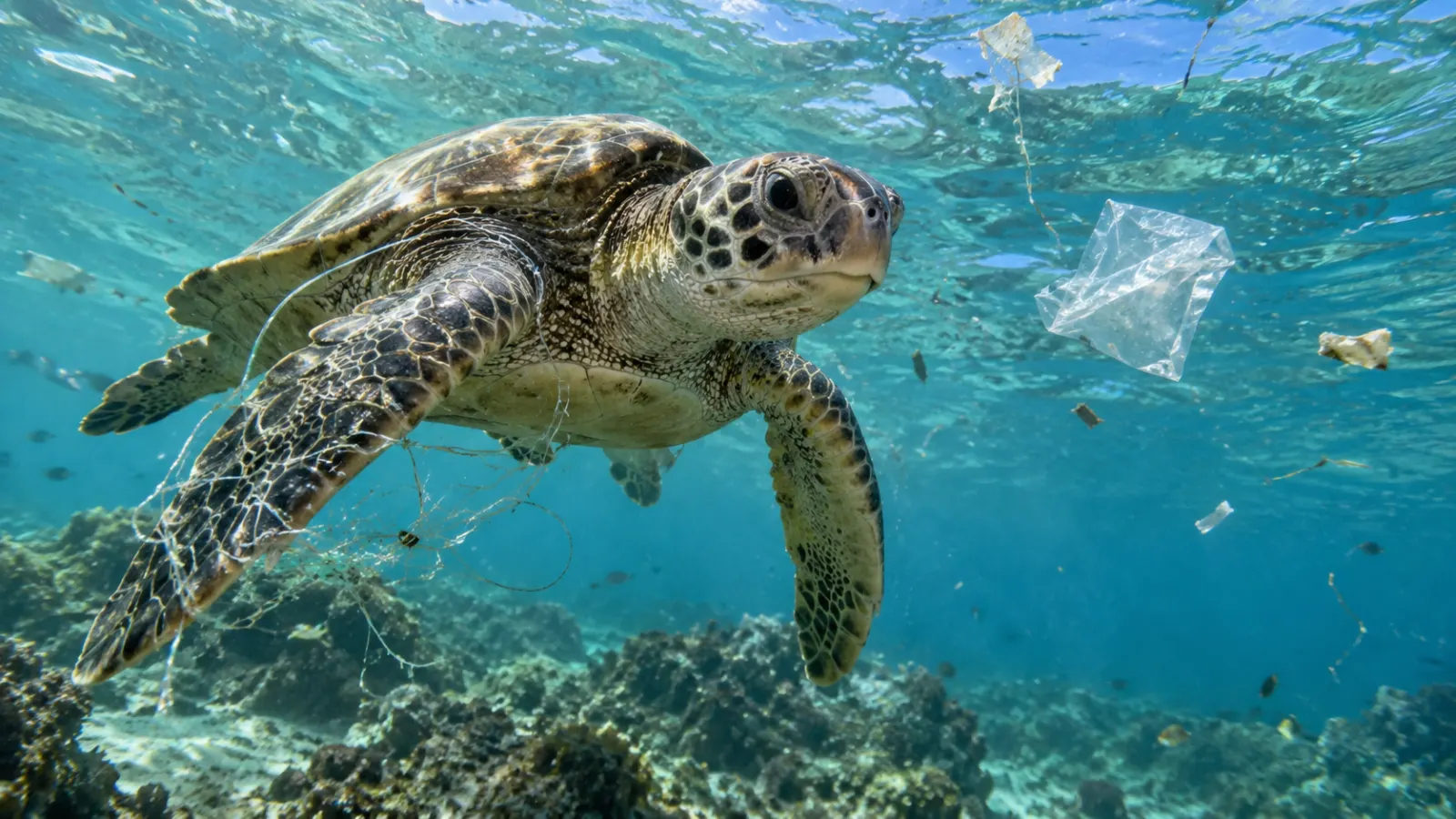
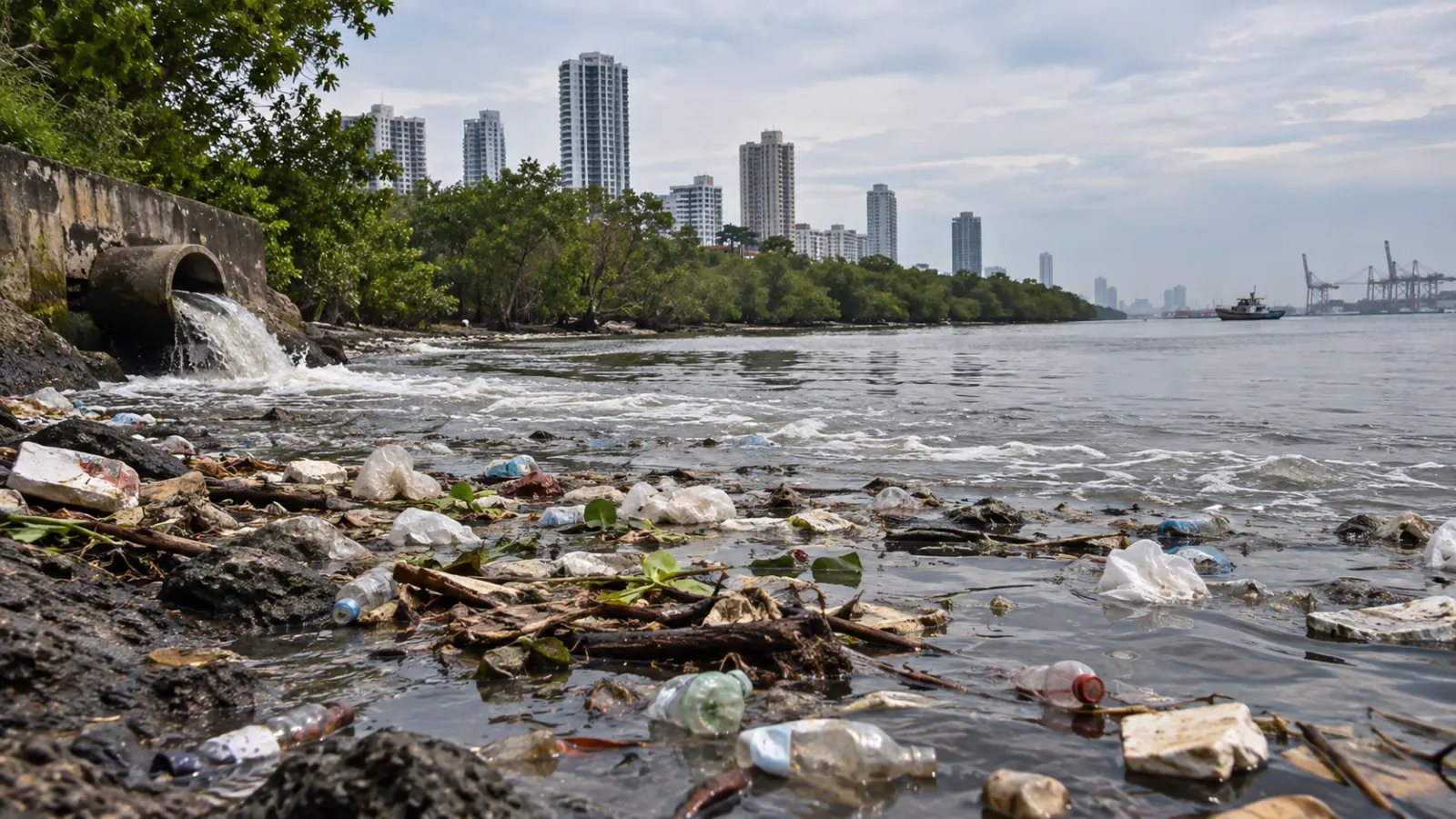
Marine pollution includes plastics, sewage, nutrients and chemicals moving from land to sea. Learn where it comes from and how prevention works.
Enjoying the reporting?
We noticed an ad blocker. Ads keep our journalism free — please consider allowing them, or subscribe to our newsletter instead.
We use cookies to keep you signed in and to understand how readers use the site. See our Privacy Policy.