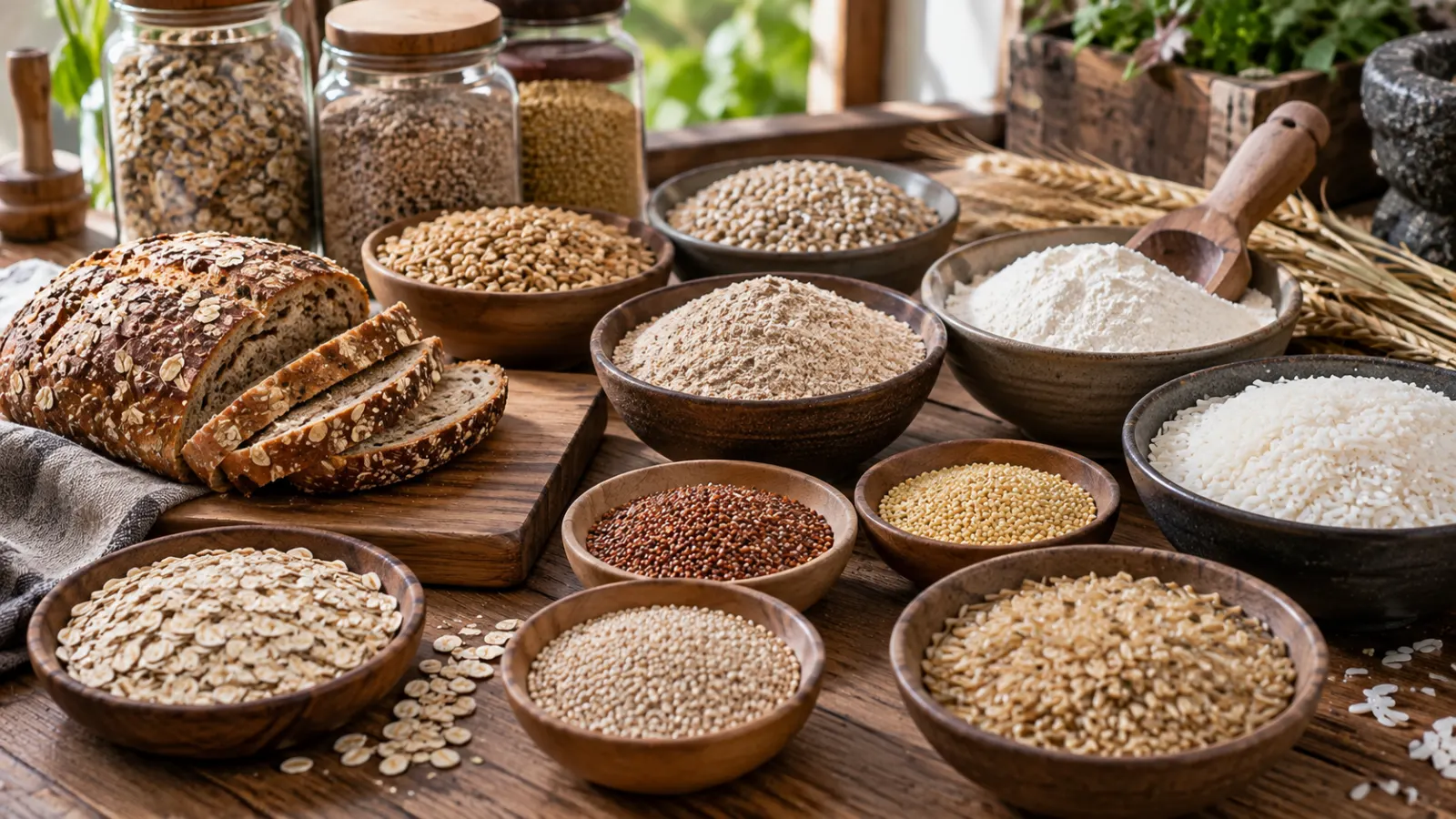
Whole grains vs refined grains differ in fibre, nutrients and structure. Learn how processing changes grains and how to make practical, healthier choices.
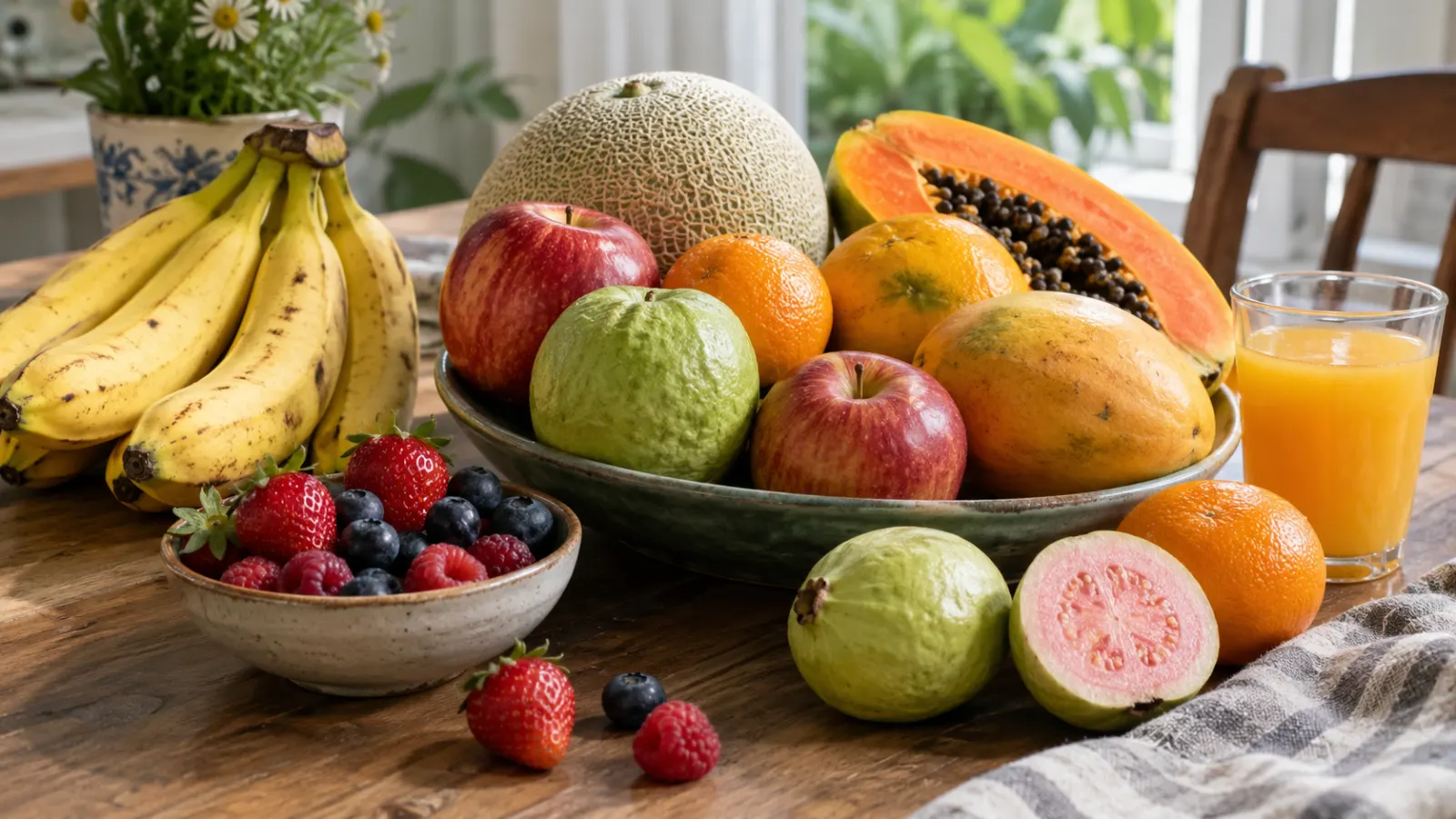
Is fruit healthy despite containing sugar? Whole fruit provides fibre, water and nutrients, while juice, smoothies and dried fruit require more attention to portion.
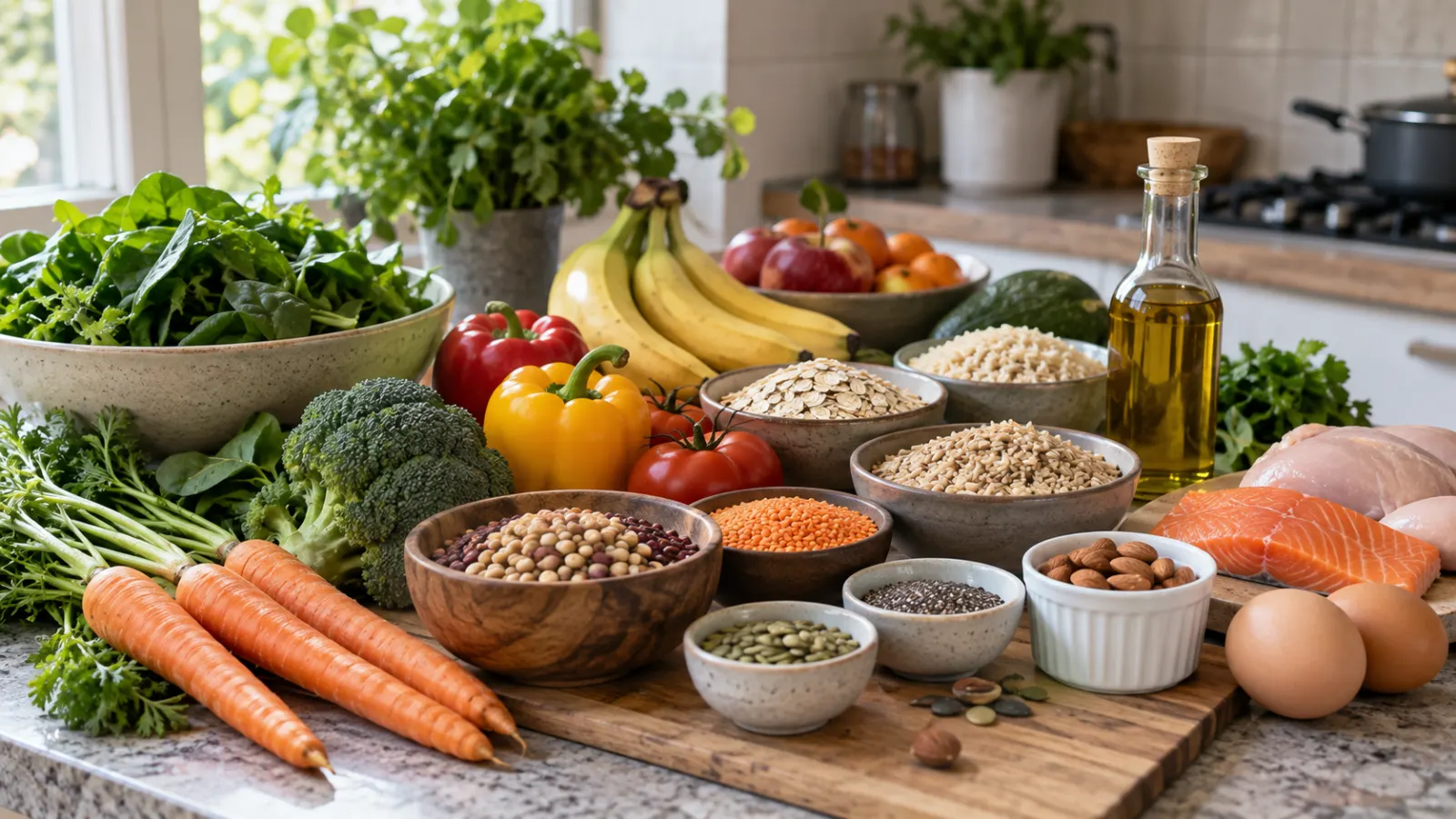
Dietary variety helps improve nutrient coverage by including different nutritious foods across and within food groups without requiring a perfect daily menu.
Intermittent fasting can help some adults manage weight, but it is not universally superior. Learn what evidence says about benefits, risks and timing.
Fat is not a nutrient to eliminate. It supplies energy, supports cells and helps the body use certain vitamins. The important question is not simply how much fat we eat, but which…
Enjoying the reporting?
We noticed an ad blocker. Ads keep our journalism free — please consider allowing them, or subscribe to our newsletter instead.
We use cookies to keep you signed in and to understand how readers use the site. See our Privacy Policy.