Thousands of Separate People, One Moment
A crowd is not necessarily a community. People crowd railway stations and airports without feeling deeply connected to strangers around them.
Festivals are different because people are not merely in the same location. They often perform together. They sing the same song. Walk the same route. Watch the same event. Eat particular foods. Wear special clothing. Repeat familiar greetings. Wait for the same ceremonial moment.
The social effect arises from this combination of co-presence, shared attention and coordinated behaviour.
Research on collective ritual has found associations between ritual participation and stronger social bonding, while field studies suggest people who participate together in collective religious rituals may be more likely to have supportive social relationships.
That does not mean festivals automatically produce unity. It means they contain several mechanisms capable of strengthening it.
1. Shared Time Creates a Common Experience
Modern life separates people by schedule. One works nights. Another works mornings. Children attend school. Relatives live in different cities. Festival calendars interrupt that fragmentation.
Large numbers of people orient themselves towards the same date. Preparation begins collectively. Travel is planned. Homes are cleaned. Food is prepared. People exchange greetings.
The event becomes conversational common ground. This creates what ordinary individual schedules often lack: a common temporal experience.
2. Synchronised Behaviour Changes the Experience of a Crowd
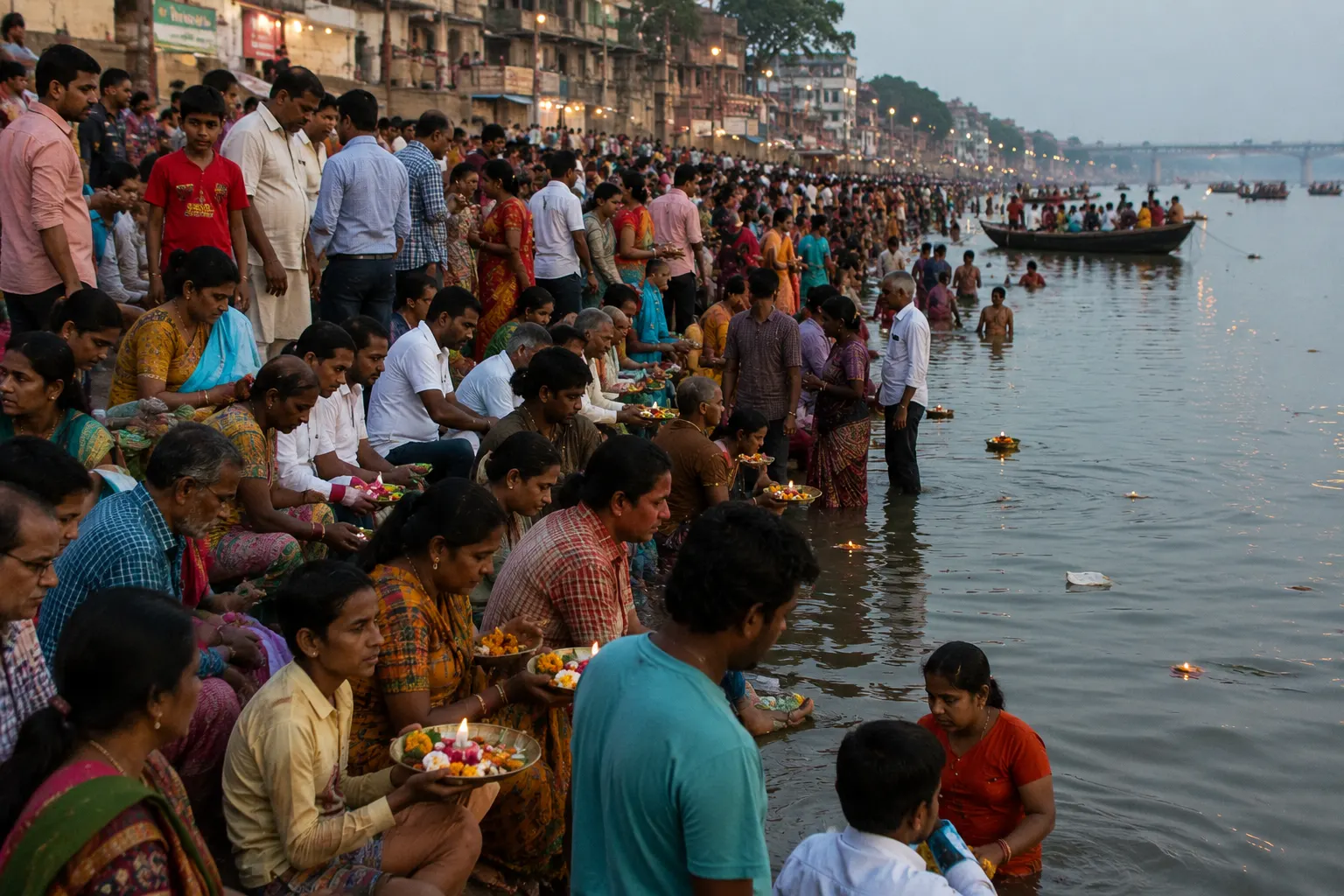
Humans frequently coordinate movement during rituals: marching, dancing, clapping, chanting, singing, bowing, circling or lighting lamps at similar times.
Research examining ritualistic synchrony has repeatedly linked coordinated behaviour with social cohesion and cooperation, although scholars also stress that these effects depend on context and can have complex consequences.
Coordinated action temporarily reduces the distinction between what I am doing and what we are doing. The body itself becomes part of the collective experience.
3. Shared Emotion Can Become Social Glue
Watching fireworks alone and watching them among thousands of people are psychologically different experiences. The event may be identical. The emotional environment is not.
Crowds provide feedback. Excitement spreads through cheering. Solemnity deepens through silence. Music affects many people simultaneously. Research into collective gatherings has examined emotional synchrony and its relationship with group identification and bonding.
This helps explain why participants sometimes remember the feeling of being there more strongly than individual details of what happened.
4. Ritual Removes Some Everyday Uncertainty
Ordinary social interaction is unpredictable. Who speaks first? What should we discuss? How long should we stay? Ritual supplies a script.
People know when to greet, what to bring, where to go, what food may be served, which words are appropriate and what sequence follows. Those shared expectations make interaction easier, especially among people who do not meet frequently.
Tradition becomes a kind of social infrastructure.
5. Festivals Generate Repeated Encounters
Social bonds are rarely created by one dramatic moment. They grow through repeated contact. Annual festivals provide that repetition.
Neighbours who rarely interact may meet during preparation. Extended families return to the same household. Performers rehearse together. Local associations organise events. Vendors and craftspeople renew relationships. Children meet relatives known mainly through festival visits.
The festival's importance therefore includes the weeks of coordination around it—not only the ceremonial day itself.
6. Cooperation Becomes Visible
Collective celebrations require labour. Someone organises. Someone cooks. Someone decorates. Someone cleans. Someone raises money. Someone performs. Someone provides transport. Someone hosts visiting relatives.
Those actions reveal social networks. Research in rural South India has found that shared participation in collective religious ritual was associated with supportive relationships among participants, suggesting that ritual and practical social networks may reinforce one another.
The direction of causation is not always simple: friends may ritualise together because they are already close, while ritual may further strengthen those relationships. The important point is interaction.
7. Food Creates an Easy Form of Reciprocity
Shared food appears in celebrations across many cultures. Food carries symbolic meaning, but it also performs a practical social function.
Offering someone food is an intelligible act of hospitality. Receiving it creates interaction. Preparing it requires cooperation. Eating simultaneously extends the period people spend together.
Food therefore turns an abstract idea—community—into a concrete exchange.
8. Festivals Link Generations That Otherwise Occupy Different Worlds
Age groups increasingly consume different media, maintain different schedules and form separate networks. Festivals can force those networks to overlap.
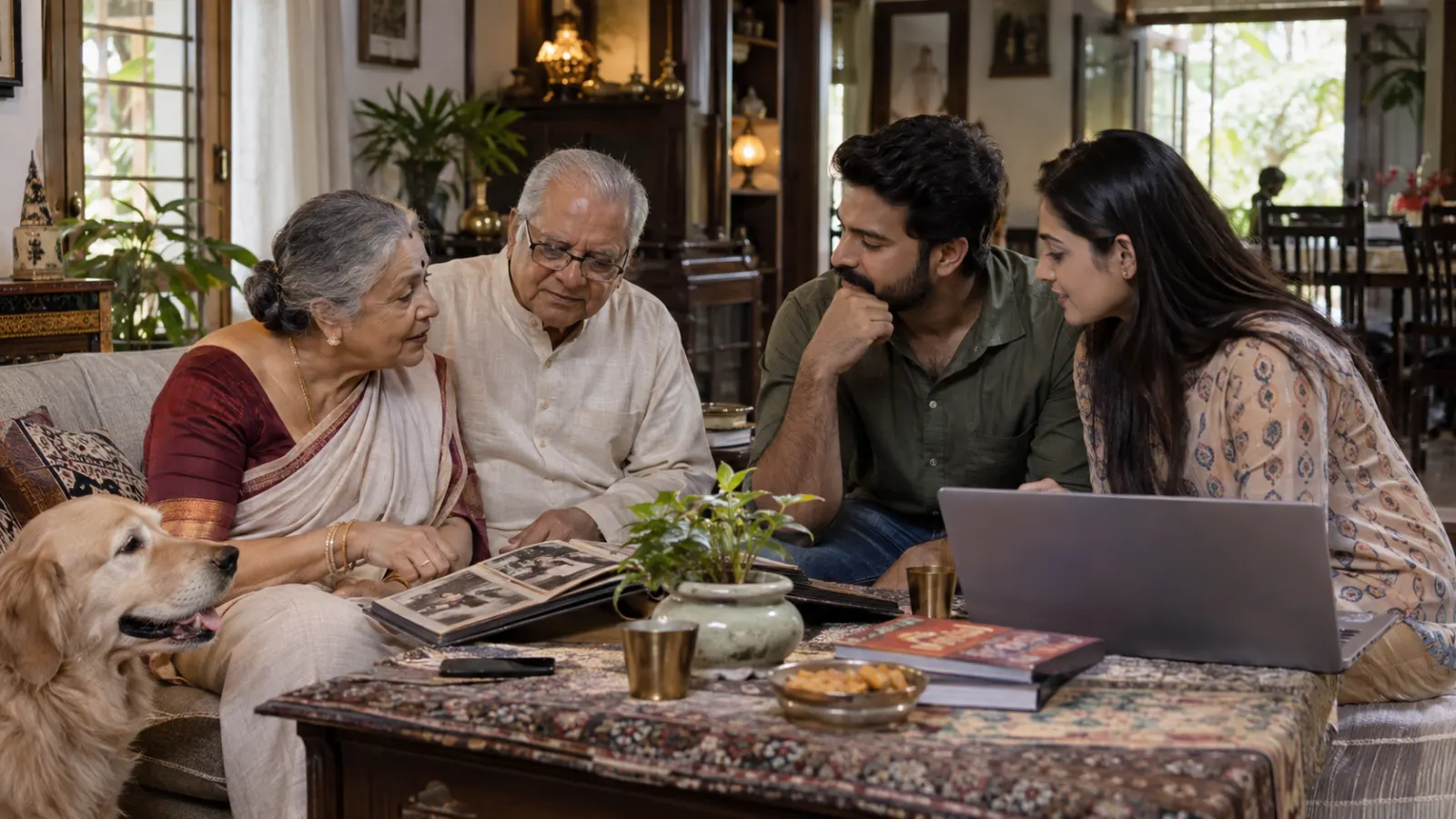
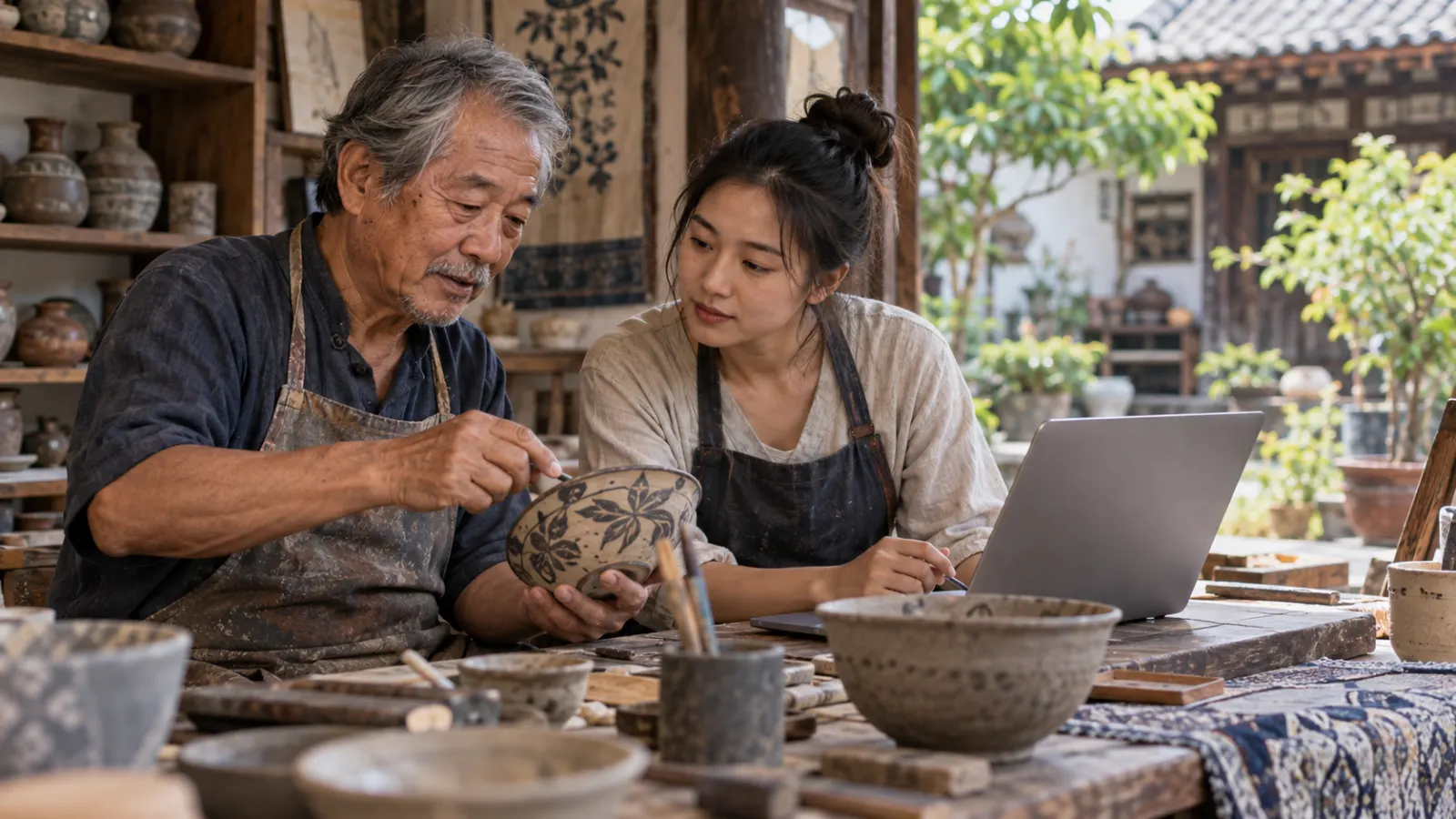
A grandparent explains a ritual. A child teaches an older relative how the family is coordinating the gathering online. Young performers inherit music while changing its presentation. Older relatives tell stories about previous celebrations.
The event creates a reason for intergenerational conversation.
9. Belonging Becomes Visible
Membership in a society is usually invisible. Festivals make it public. Clothing, music, language, decoration and collective movement allow people to display affiliation.
For minority and diaspora communities, this visibility can be especially meaningful. A festival can recreate familiar cultural surroundings far from an ancestral homeland. It may also communicate identity to the larger society.
The message is both internal and external: we recognise one another, and we are present here.
10. Large Gatherings Can Produce Collective Intensity
For more than a century, social thinkers have tried to describe the unusual emotional force generated by collective ceremonies. Modern research has attempted to measure parts of that phenomenon.
Studies examining ritual participation have found effects on social bonding and affect around focal ritual events, while other work has measured physiological coordination during rituals and highly arousing gatherings.
These findings should not be exaggerated into a universal biological law of festivals. But they support an intuitive observation: participating together can produce effects that watching separately does not.
The Other Side of Cohesion
There is an uncomfortable complication. The same processes that strengthen an us can define a them.
Strong group identity can produce solidarity internally while sharpening boundaries externally. Ritual synchrony may encourage cooperation within groups, but scholarship also considers potential trade-offs when intense cohesion increases conformity or intergroup distinction.
Festivals can likewise reproduce social hierarchies. Some participants may be restricted from certain roles. Minority interpretations may be marginalised. Political actors may attempt to claim ownership of a shared tradition.
Public celebration can therefore produce both belonging and contestation.
Commercial Crowds Are Not Automatically Communities
A large music festival or sporting event may produce many of the same mechanisms: synchronised chanting, shared emotion, common symbols and temporary identity. Yet not every crowd develops durable social relationships.
Intensity is not the same as long-term cohesion. The most persistent bonding effects are likely to arise where the event connects with relationships that continue before and after the gathering—families, neighbourhoods, religious groups, associations or recurring communities.
Digital Participation Changes the Equation
Livestreams and social media allow dispersed populations to share parts of a celebration without being physically present. That expands access. Diaspora communities can watch ceremonies. Families can connect across countries. Information spreads rapidly.
Yet a screen cannot reproduce every element of embodied gathering. Smell, touch, coordinated movement, shared food, crowd noise and spontaneous interaction are difficult to transmit digitally.
Why the Effect Feels Stronger Than an Ordinary Meeting
A routine meeting generally has one purpose. A festival layers many forms of connection at once: family, neighbours, inherited customs, symbolic food, familiar music, memories of earlier celebrations and participation alongside hundreds or thousands of others.
Few ordinary social situations combine so many signals of belonging simultaneously. That concentration explains much of the festival's power.
What Festivals Actually Bring Together
The phrase festivals bring people together sounds almost too obvious to analyse. But the process is specific. They synchronise time. Coordinate behaviour. Create shared emotion. Produce repeated encounters. Encourage cooperation. Make hospitality routine. Connect generations. And display group identity publicly.
None guarantees social harmony. Yet together they explain why collective celebration has remained important across societies with very different religions, economies and histories.
People do not merely attend festivals. For a limited period, they become participants in something whose defining feature is that it cannot be done entirely alone.