Culture is one of those words everyone uses, but few people pause to define. We talk about office culture, youth culture, food culture, popular culture, political culture, digital culture and national culture. We say someone is “cultured,” we describe cities as culturally rich, and we worry that some traditions are “losing culture.” Yet culture is not only about classical music, old monuments, festivals or inherited customs. Culture is the invisible framework through which human beings learn how to live together.
At its simplest, culture is the shared way of life of a group of people. It includes language, beliefs, values, customs, manners, rituals, food habits, art, religion, social rules, family structures, symbols, institutions and everyday behaviour. UNESCO describes culture broadly as including arts, lifestyles, value systems, traditions and beliefs, while Britannica explains culture as covering language, ideas, beliefs, customs, institutions, tools, techniques, rituals and works of art.
This means culture is not something separate from ordinary life. It is present when a child learns how to greet elders, when a family celebrates a festival, when people decide what food is “normal,” when a community mourns death, when a workplace rewards silence or initiative, when a society defines respect, shame, honour, success or beauty. Culture is the deep grammar of social life. It tells people what things mean before they consciously think about them.
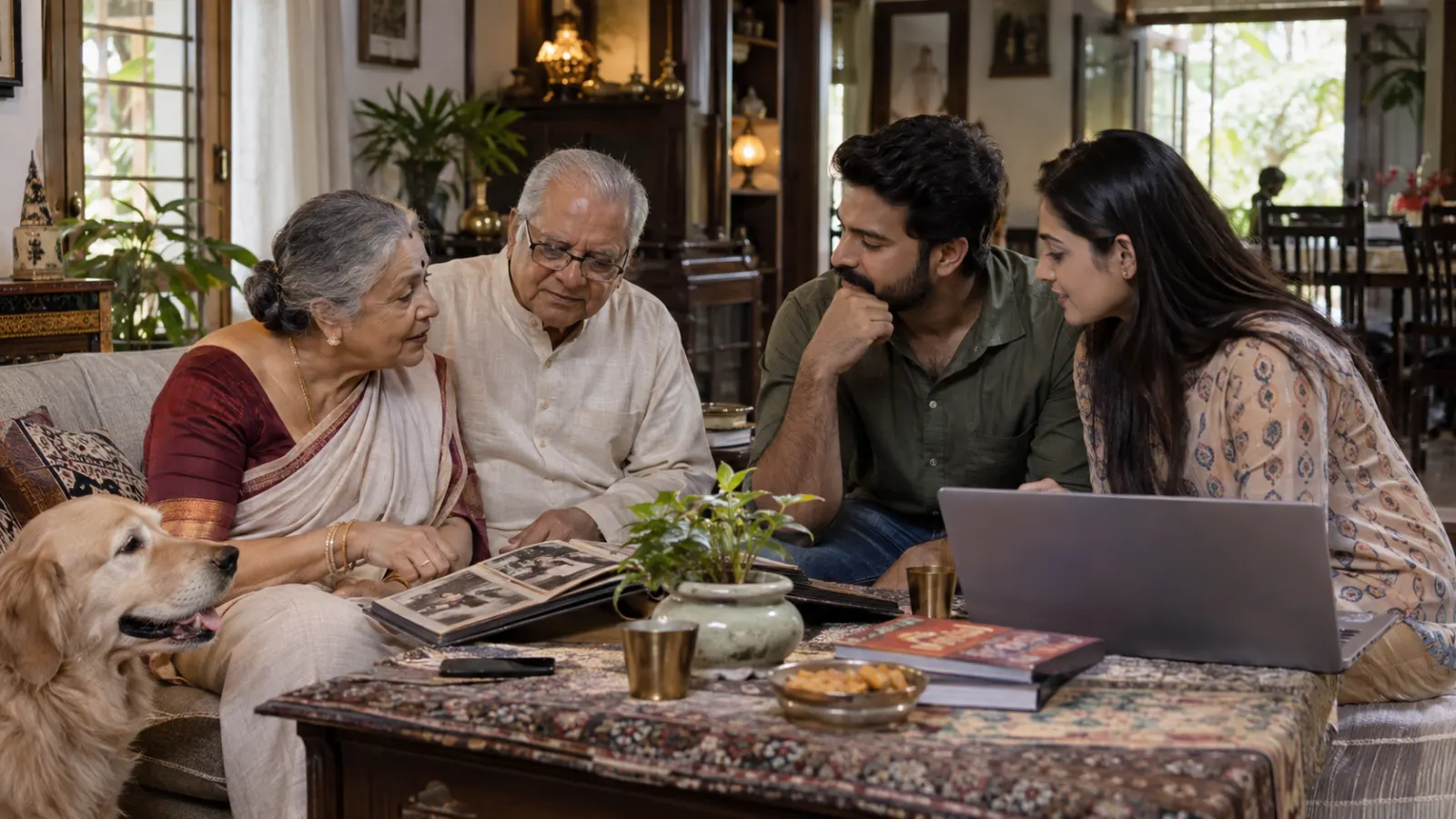
Culture matters because human beings are not born with ready-made social behaviour. A newborn child is biologically human, but becomes socially human through learning. That learning happens through family, language, school, religion, media, neighbourhood, peer groups, work, law, technology and repeated everyday interaction. A person learns not only facts but expectations: how to speak, when to speak, whom to obey, what to desire, what to fear, what to admire and what to avoid.
This is why culture shapes us so powerfully. It does not only influence what we do; it influences how we interpret the world. Two people may look at the same situation and understand it differently because they have been trained by different cultural codes. A gesture that signals respect in one culture may signal distance in another. Silence may mean wisdom in one setting and lack of confidence in another. Individual ambition may be praised in one society and criticised as selfish in another. Culture does not simply provide customs; it provides meaning.
One of the most important features of culture is that it is learned. People often mistake culture for blood, race or biology, but culture is not inherited genetically. A child born in one country and raised in another may grow up with the language, habits and worldview of the society in which they are raised. Culture travels through teaching, imitation, memory, repetition and participation. It is absorbed through stories, jokes, songs, prayers, school lessons, films, family instructions and social correction.
Culture is also shared. It belongs not only to individuals but to groups. A single person may have personal preferences, but culture emerges when many people recognise common meanings. For example, a wedding ritual is not merely a private action. It has cultural force because the wider community understands what the ritual means. A national flag is not just cloth; it becomes meaningful because people collectively attach identity, memory and emotion to it. A language is not merely sounds; it carries history, hierarchy, humour, poetry and belonging.
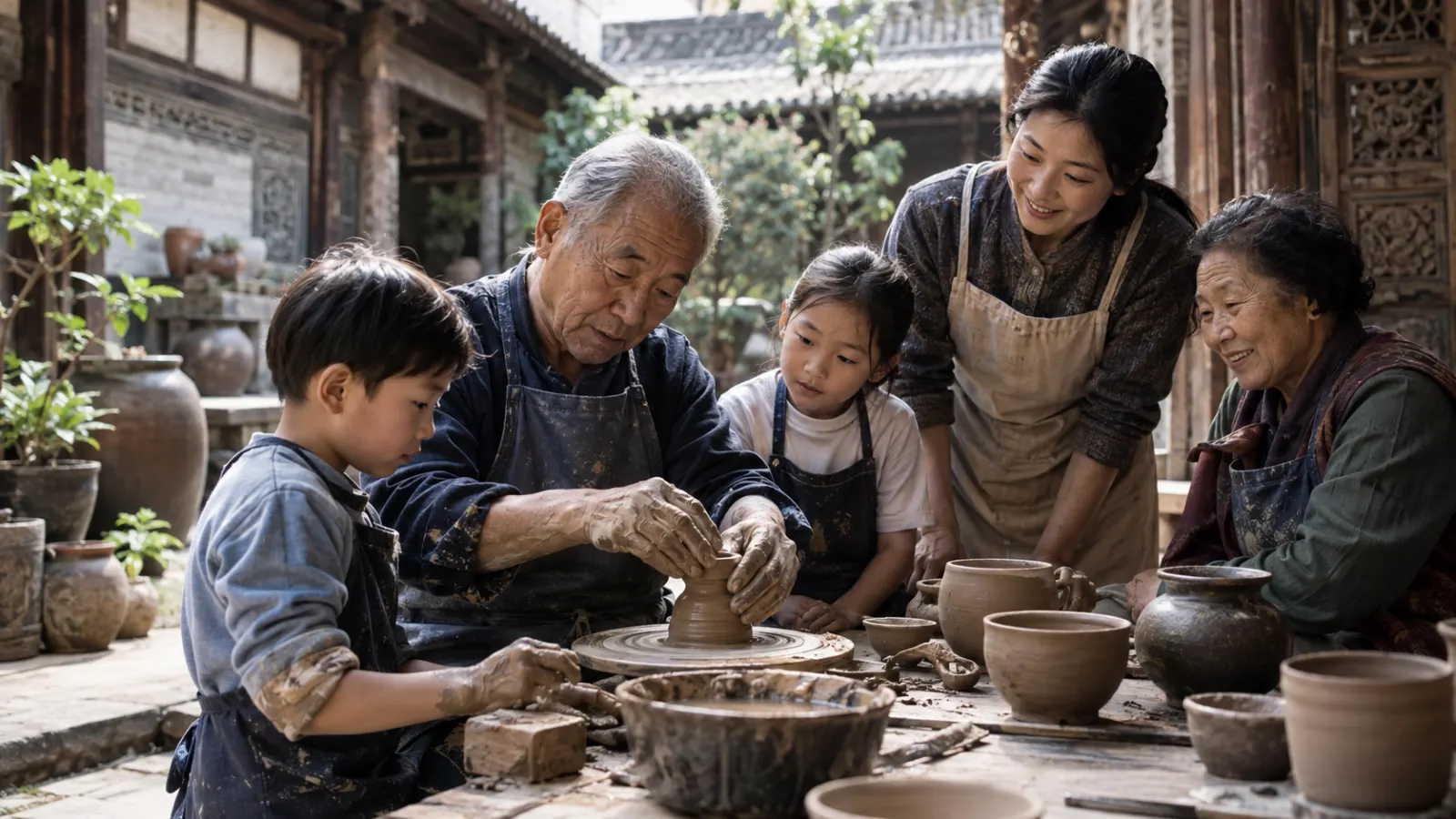
At the same time, culture is not fixed. It changes constantly. Every generation receives culture, modifies it and passes it forward. Food habits change with migration and trade. Clothing changes with climate, technology, modesty norms and fashion. Family structures change with education, urbanisation, employment and law. Language changes as new words enter from technology, cinema, politics and social media. Even rituals that appear ancient often adapt quietly over time.
UNESCO’s approach to intangible cultural heritage recognises this living nature of culture. Intangible heritage includes practices, knowledge, expressions and skills that communities recognise as part of their heritage, and UNESCO notes that such heritage is transmitted across generations while being recreated in response to environment, history and community life.
This point is crucial: culture survives not because it stays frozen, but because it remains meaningful. A tradition that cannot adapt may become a museum object. A tradition that adapts without losing its emotional core may remain alive. For example, a festival may once have been celebrated only in villages, later in cities, and now on digital platforms by diaspora communities. The form changes, but the function of memory, belonging and collective joy may continue.
Culture shapes identity. People often answer the question “Who am I?” through cultural markers: language, region, religion, caste, class, gender, nationality, profession, food, dress, music, literature, neighbourhood and family background. These markers do not define a person completely, but they provide a sense of location in the social world. Culture gives people a story of origin and belonging. It tells them where they come from, what their community values and how they relate to others.
However, cultural identity is never simple. Most people belong to many cultures at once. A person may be Indian, urban, middle-class, Hindi-speaking, English-educated, digitally connected, professionally corporate, religiously observant and globally exposed at the same time. A woman from a small town working in a metropolitan office may move between family culture, workplace culture, online culture and regional culture every day. Culture is not a single box; it is a layered map.
Culture also shapes behaviour by defining norms. Norms are unwritten rules about what is acceptable. In some cultures, guests must be fed even if they say they are not hungry. In some families, children are expected to touch elders’ feet. In some offices, leaving before the boss is frowned upon. In some communities, direct disagreement is considered rude. These norms may not be written into law, but they carry social consequences. People who follow them receive approval; people who violate them may face criticism, exclusion or shame.
Because culture creates norms, it also creates power. Some cultural rules benefit certain groups more than others. A society may call obedience a virtue, but obedience may also protect hierarchy. A family may call sacrifice a cultural value, but the burden of sacrifice may fall more heavily on women. A workplace may call long working hours dedication, but this may normalise exploitation. A community may defend tradition, but tradition may sometimes be used to silence dissent.
This does not mean culture is bad. It means culture must be understood critically. Culture gives people meaning, continuity and belonging, but it can also reproduce inequality. It can protect memory, but it can also protect prejudice. It can create social harmony, but it can also punish difference. Any serious discussion of culture must avoid two extremes: blindly worshipping culture as sacred and blindly rejecting culture as backward. Culture is neither automatically wise nor automatically oppressive. It is a human creation, and like all human creations, it contains both beauty and contradiction.
Another common misconception is that culture belongs only to the past. Many people think culture means ancient temples, folk songs, classical dances, old languages and traditional clothing. These are important, but modern life also produces culture. Memes are culture. Cinema is culture. Social media slang is culture. Dating norms are culture. Start-up language is culture. Online fandoms are culture. Consumer habits are culture. Even the way people use emojis, reels, hashtags and viral phrases reflects shared meanings and social codes.
Digital technology has made culture more fluid and more visible. Earlier, many cultural practices remained local. Today, a dance step, phrase, recipe or protest symbol can travel globally within hours. This creates exchange and creativity, but also conflict. Some communities worry about cultural appropriation, where their symbols are borrowed without respect or context. Others worry about cultural homogenisation, where global platforms make local practices look less attractive. Still others use digital tools to revive endangered languages, folk music and regional histories.
Culture also shapes politics. Political debates are rarely only about policies; they are often about identity, values and memory. Questions about language, textbooks, monuments, religious symbols, gender roles, migration, minority rights and national identity are cultural questions as much as political ones. When people argue about what a nation “really” stands for, they are arguing about culture. When they debate who belongs and who does not, they are debating the boundaries of cultural community.
Culture shapes the economy too. Consumer behaviour is influenced by festivals, family expectations, status symbols, trust networks and ideas of success. Marketing campaigns often work because they understand cultural emotions. A jewellery advertisement may sell not only ornaments but family honour and celebration. A financial product may appeal to security and responsibility. A food brand may evoke nostalgia. A tourism campaign may turn heritage into economic value. Culture becomes part of markets, branding and development.
At the global level, cultural diversity is increasingly recognised as a public good. UNESCO’s Universal Declaration on Cultural Diversity says cultural diversity is necessary for humankind and should be recognised as part of humanity’s common heritage. This matters because a world with only one dominant cultural model would be poorer, not richer. Diversity allows societies to learn different ways of organising family, community, art, work, spirituality, conflict and cooperation.
But cultural diversity also requires dialogue. Difference alone is not enough. If communities live side by side without understanding one another, diversity can become suspicion. If one group claims superiority, diversity becomes domination. If every practice is defended without ethical reflection, diversity can become an excuse for harm. The challenge is to respect cultures while also defending dignity, equality and human rights. Culture must be open to conversation, not locked behind pride.
The best way to understand culture is to observe ordinary life carefully. Ask why people eat what they eat, why they marry in certain ways, why they respect certain professions, why they fear certain taboos, why they celebrate certain days, why they laugh at certain jokes, why they use certain words, why they consider some behaviour “normal.” Culture is hidden in the obvious. It is powerful precisely because it feels natural to those who live inside it.
Culture shapes us before we know it, but it does not imprison us completely. Human beings can reflect on their culture, reinterpret it, challenge it and renew it. A young person may continue a family ritual but give it new meaning. A community may preserve a festival while making it more inclusive. A language may absorb new words without losing its soul. A society may honour tradition while rejecting discrimination. This ability to inherit and transform is what makes culture living.
To understand culture, one must also understand the difference between cultural pride and cultural awareness. Pride can be meaningful when it is rooted in knowledge, memory and gratitude. But pride becomes dangerous when it refuses criticism or treats other cultures as inferior. Cultural awareness is more mature. It recognises the beauty of inherited ways of life while accepting that no culture is beyond ethical examination. A society that knows its culture well can preserve what is humane, reform what is unjust and learn from others without losing confidence.
Culture also gives emotional continuity during periods of rapid change. When people migrate, lose old livelihoods, enter new technologies or face political uncertainty, familiar rituals and symbols help them feel located. A song, language, meal or festival may become a psychological anchor. This is why culture should not be dismissed as decoration. For many people, culture carries grief, memory, resilience and hope. It helps communities survive upheaval by giving them a shared vocabulary of meaning.
In the end, culture is the shared meaning system through which people make life understandable. It gives us language for love, grief, respect, humour, faith, memory and belonging. It teaches us how to sit at a table, how to greet a stranger, how to honour the dead, how to raise children, how to imagine success and how to relate to the sacred. It shapes us not as a cage, but as a starting point.
To understand culture is to understand that human life is never merely biological or individual. We live inside webs of meaning created before us and modified by us. Culture is what makes a group more than a crowd. It is what turns behaviour into tradition, sound into language, memory into heritage and existence into identity.