Global warming is the long-term rise in Earth’s average surface temperature, mainly caused by the buildup of heat-trapping greenhouse gases in the atmosphere. It is not the same as a hot day, a heatwave or a seasonal fluctuation. Those are weather events. Global warming is the upward shift in the planet’s temperature baseline. It is the warming trend behind many climate changes, including melting ice, rising seas, shifting rainfall and more intense heat extremes.
The immediate cause of global warming is simple: Earth is retaining more heat. The deeper cause is the rapid increase in greenhouse gases produced by human activity. When people burn fossil fuels, clear forests, produce cement, raise livestock, apply fertilisers, dump organic waste in landfills or operate energy-intensive industries, they release gases that trap heat. The most important long-lived gas is carbon dioxide. Methane, nitrous oxide and industrial gases also contribute. NASA explains that human activities are driving the global warming trend observed since the mid-20th century, mainly through the expansion of the greenhouse effect.
The largest driver is fossil fuel combustion. Coal, oil and natural gas were formed from ancient organic matter that stored carbon over geological time. When these fuels are burned for electricity, heat, transport or industry, carbon combines with oxygen and becomes carbon dioxide. This carbon dioxide enters the atmosphere and adds to the heat-trapping layer around the planet. Because modern economies were built around fossil fuels, emissions come from many places: power plants, vehicles, factories, ships, aircraft, buildings and industrial boilers.
Electricity generation is a major source because many power grids still rely heavily on coal and gas. Coal is especially carbon-intensive. When a coal-fired power plant generates electricity, it releases large quantities of carbon dioxide unless emissions are captured, which remains limited globally. Gas emits less carbon dioxide than coal per unit of energy, but it still releases carbon dioxide when burned and can also leak methane during extraction and transport. Oil drives much of the transport sector: cars, trucks, aviation, shipping and construction machinery. Every litre of petrol or diesel burned adds more carbon dioxide.
Transport contributes not only through private cars but through the full movement system of modern life. Goods are shipped across oceans, flown across continents, moved by trucks, delivered to cities and carried through supply chains. Urban design matters too. If cities force people to travel long distances by private vehicles, emissions rise. If cities provide public transport, walkable neighbourhoods, cycling infrastructure and clean electricity, transport emissions can fall. Global warming is therefore not caused by engines alone; it is also caused by planning choices.
Industry is another major cause. Cement production releases carbon dioxide both from the energy used to heat kilns and from the chemical process of turning limestone into clinker. Steel production traditionally depends on coal-based processes. Chemicals, fertilisers, plastics, aluminium and other materials require large amounts of energy. Industrial emissions are difficult because society depends on these materials for housing, infrastructure, sanitation, transport and manufacturing. The solution is not simply to stop industry, but to transform it through efficiency, electrification, clean hydrogen, material circularity, low-carbon processes and better design.
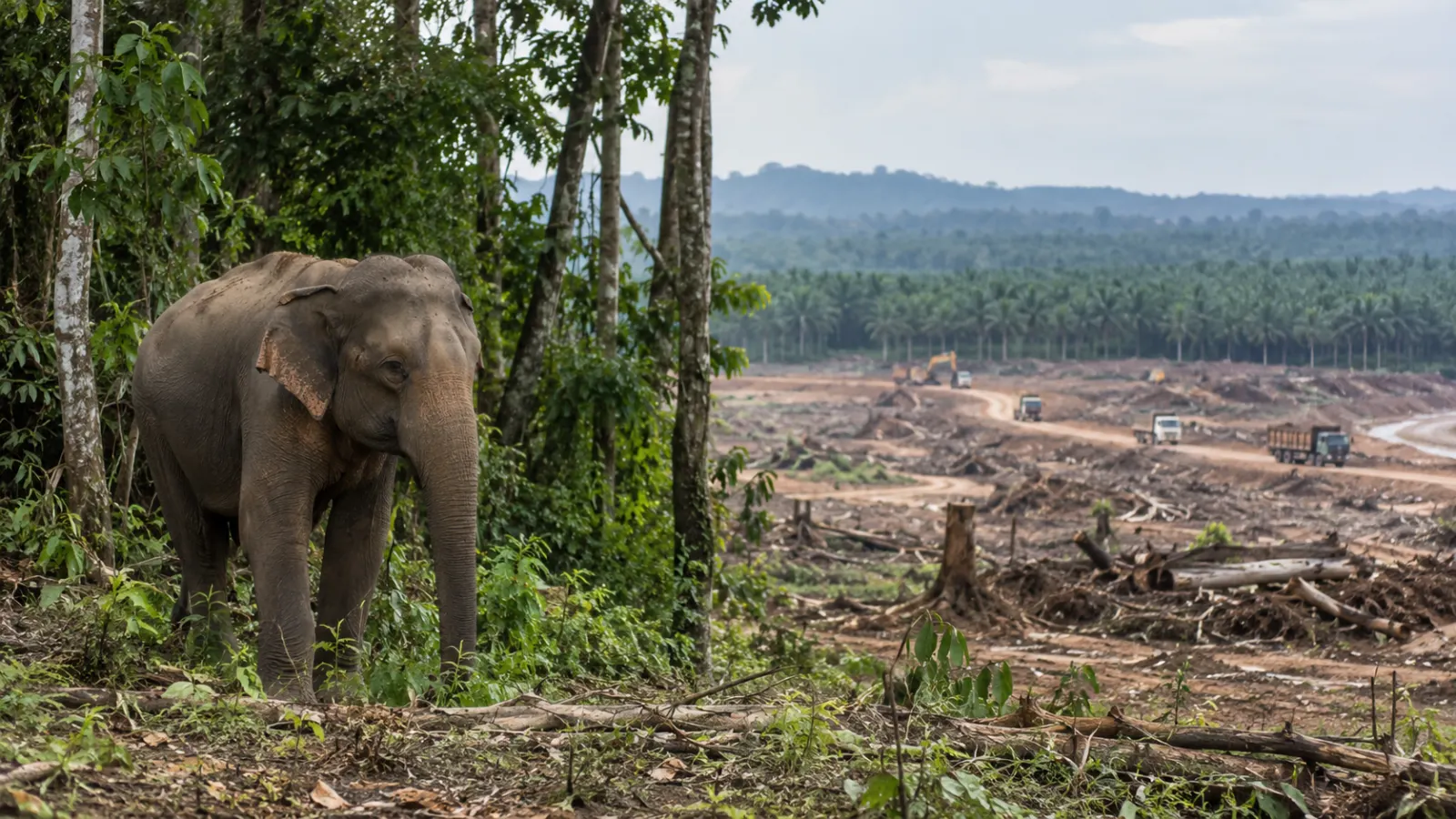
Deforestation and land-use change also cause global warming. Forests store carbon in trunks, branches, leaves, roots and soils. When forests are cut, burned or degraded, stored carbon can be released into the atmosphere. The loss is double: carbon is emitted, and the future ability of that forest to absorb carbon is reduced. Land-use change also affects local climate by changing shade, evaporation, soil moisture and rainfall patterns. Protecting forests is therefore not only about wildlife; it is part of climate stability.
Agriculture contributes in several ways. Livestock, especially ruminants such as cattle, produce methane during digestion. Manure can also release methane and nitrous oxide. Rice cultivation can produce methane under flooded conditions. Fertiliser use can release nitrous oxide from soils. Agricultural machinery, irrigation pumps, cold storage and food transport may rely on fossil fuels. At the same time, agriculture is highly vulnerable to climate change. This creates a difficult cycle: food systems contribute to warming, and warming threatens food systems. Climate-smart agriculture aims to reduce emissions while protecting farmers and food security.
Waste is another source. Organic waste in landfills decomposes without oxygen and can release methane. Wastewater treatment can also produce methane and nitrous oxide. Poor waste management adds local pollution and climate emissions together. Reducing food waste, composting properly, capturing landfill gas, improving sewage treatment and building circular systems can reduce these emissions. Waste may seem like the end of consumption, but in climate terms it remains active if it releases gases.
Global warming is also caused indirectly by consumption patterns. A person may not see emissions when buying a phone, a shirt, a packaged food item or a concrete apartment, but emissions occurred during mining, manufacturing, transport, cooling, storage and disposal. Wealthier households generally have larger carbon footprints because of bigger homes, more travel, higher consumption and greater energy use. This does not mean climate responsibility belongs only to individuals. It means production and consumption are connected. A product’s emissions are distributed across supply chains, companies, policies and consumer demand.
Natural factors can influence climate, but they do not explain the current warming trend. The Sun’s energy output changes slightly. Volcanoes can affect climate, often temporarily cooling the planet by releasing particles that reflect sunlight. Ocean cycles such as El Niño can raise or lower global temperatures for a period. But these natural factors cannot account for the sustained warming observed in recent decades. NASA notes that while the Sun has played a role in past climate changes, evidence shows the current warming cannot be explained by the Sun.
A key part of the answer lies in feedback loops. A feedback is a process that amplifies or reduces an initial change. For example, as the planet warms, ice and snow melt. Ice and snow reflect sunlight, while darker ocean or land absorbs more heat. When reflective ice is replaced by darker surfaces, more energy is absorbed, causing further warming. This is an amplifying feedback. Another example is water vapour. Warmer air can hold more water vapour, and water vapour is itself a greenhouse gas. This amplifies warming caused by long-lived greenhouse gases such as carbon dioxide.
Permafrost thaw is another concern. Permafrost stores large amounts of organic carbon in frozen soils. As it thaws, microbes can decompose that organic matter, releasing carbon dioxide or methane. This does not mean permafrost emissions are the main driver today, but it illustrates why warming can create additional sources of warming. Climate change is not a simple line; it is a system with thresholds, feedbacks and delays.
The oceans also shape global warming. Oceans absorb most of the excess heat trapped by greenhouse gases. This slows the rate of atmospheric warming, but it creates ocean warming, marine heatwaves, coral stress and changes in marine ecosystems. Oceans also absorb some carbon dioxide, which reduces atmospheric buildup but causes ocean acidification. In other words, the oceans protect humanity from even faster atmospheric warming, but they pay a price.
A common misconception is that global warming is caused by the hole in the ozone layer. These are related environmental issues but not the same. The ozone layer protects life from harmful ultraviolet radiation. Ozone depletion was caused largely by certain industrial chemicals and was addressed through international agreements. Some ozone-depleting substances are also greenhouse gases, but the ozone hole itself is not the main cause of global warming. Global warming is mainly caused by the accumulation of greenhouse gases that trap infrared heat.
Another misconception is that population alone causes global warming. Population matters because more people need energy, food, housing and transport. But emissions depend heavily on how economies are organised. A smaller wealthy population with high energy use can emit more than a larger poor population with low consumption. Technology, inequality, energy sources, urban design and industrial policy all influence emissions. The real drivers are not simply people, but high-emission systems serving human needs and desires.
This is why solutions must address systems. If global warming is caused mainly by fossil fuels, then clean energy is central. If it is caused by inefficient buildings, then building codes and retrofits matter. If it is caused by car-dependent cities, then public transport and urban design matter. If it is caused by land degradation, then forest protection and soil restoration matter. If it is caused by industrial processes, then innovation and regulation matter. If it is caused by waste, then circular economy and waste management matter. Understanding causes helps prevent symbolic action from replacing structural action.
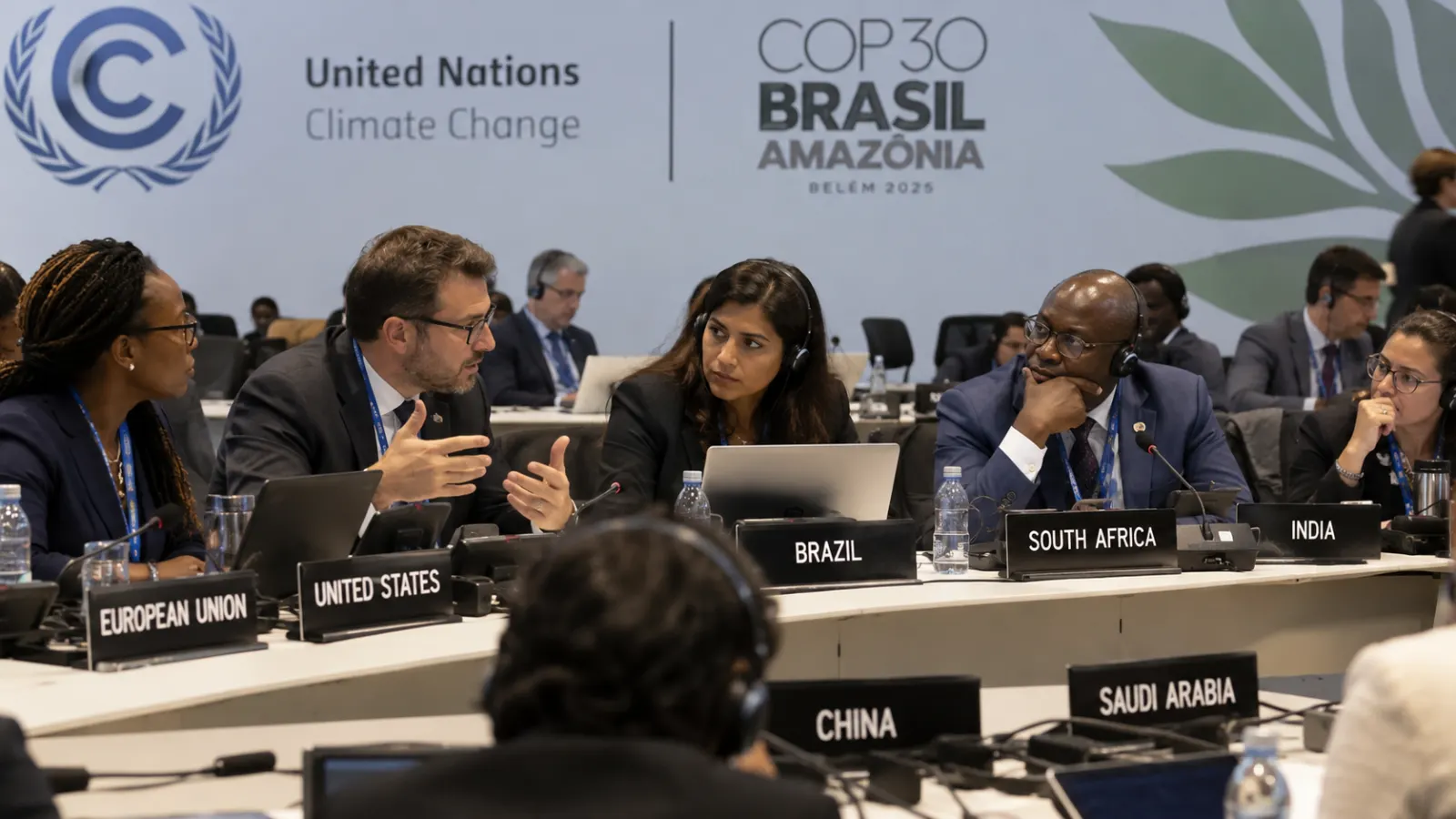
The causes of global warming are also cumulative. Carbon dioxide builds up over time. The atmosphere does not reset every year. This is why historical emissions matter and why early industrialised countries carry a large responsibility. It is also why emerging economies face a hard development challenge: they need energy and infrastructure, but the old fossil-intensive path is becoming increasingly risky. Climate diplomacy is difficult because it sits at the intersection of science, development, fairness and power.
The most important takeaway is that global warming is not mysterious. It has identifiable causes. Burning fossil fuels, changing land use, industrial production, agriculture and waste management have increased greenhouse gas concentrations. These gases intensify the greenhouse effect and trap more heat. Natural variability still exists, but it sits on top of a human-driven warming trend. The causes are deeply embedded in modern life, which is why the solution requires more than awareness. It requires transformation in energy, transport, buildings, industry, agriculture, finance and governance.
Global warming began as a by-product of development models that treated the atmosphere as unlimited. The atmosphere is not unlimited. It is a shared system with physical boundaries. Every tonne of greenhouse gas emitted changes the balance slightly; billions of tonnes change it profoundly. To understand what causes global warming is to understand the central environmental challenge of industrial civilisation: how to provide prosperity without destabilising the planetary systems that make prosperity possible.
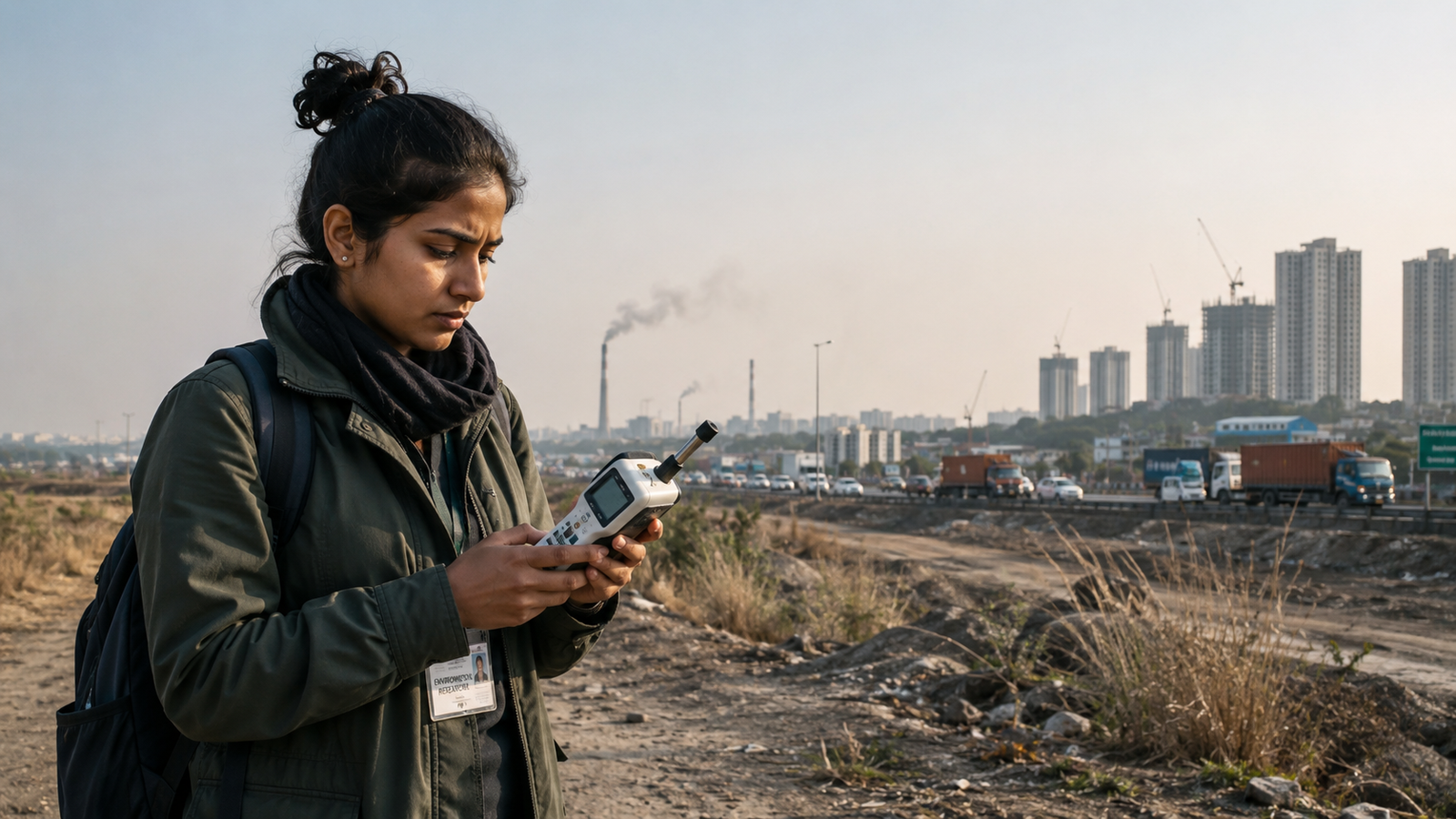
Aerosols are another important part of the causes discussion because they show that human influence is not only warming. Some industrial pollution releases tiny particles that reflect sunlight and produce a cooling effect. Other particles, such as black carbon, absorb heat and can accelerate melting when deposited on snow and ice. This mix does not disprove global warming. It shows that human activity has been pushing the climate system in multiple directions, with greenhouse gases creating the dominant long-term warming influence. As societies clean up air pollution for health reasons, the hidden warming masked by some aerosols becomes more visible unless greenhouse gas emissions are reduced at the same time.
Buildings also cause warming through energy demand and materials. Homes, offices, malls, hotels, hospitals and data centres need electricity for lighting, cooling, heating, lifts, appliances and digital equipment. Many buildings are constructed with carbon-intensive materials such as cement, steel, glass and aluminium. Poor design can lock in high energy use for decades. A badly insulated building in a hot city requires more air conditioning; more cooling demand requires more electricity; if the grid is fossil-based, emissions rise. This is why architecture, urban planning and building codes are climate tools.
Finance and policy are indirect causes too. Banks, investors, subsidies, tax rules and procurement decisions determine what gets built. If public money supports fossil fuel expansion, car-dependent highways and inefficient buildings, warming becomes embedded in the economy. If finance supports clean power, grids, storage, efficient transport and resilient agriculture, emissions can decline. Global warming is caused by physical gases, but those gases are produced by institutional choices. Behind every emission source is a decision structure.
Finally, the causes of global warming reveal why blame alone is insufficient. It is true that responsibility is unequal and that high emitters should act faster. But the atmosphere responds to emissions, not speeches. The world must cut the sources while protecting development needs. That means replacing dirty energy with clean energy, not simply asking poor people to consume less. It means making low-carbon choices affordable, reliable and aspirational. It means designing systems where the climate-safe option becomes the normal option.