History of the Green Movement: How Environmentalism Became a Global Political Force
There was no single moment when environmentalism began. Long before modern environmental organisations existed, societies regulated forests, water, wildlife and common land for practical, cultural and political reasons. Indigenous communities developed systems of stewardship, governments protected forests for timber or watersheds, cities created sanitation rules to control disease and religious traditions influenced ideas about restraint and human obligations toward nature.
What changed during the modern era was not the discovery that human activity affects the environment. It was the emergence of environmental protection as a mass political issue. Industrialisation dramatically increased the scale of mining, logging, urban growth, energy use and pollution. Scientific evidence revealed consequences that crossed property lines and national borders. Citizens increasingly argued that clean air, safe water, functioning ecosystems and decisions about natural resources could not be left entirely to private markets, industrial firms or technical agencies.
By the twentieth century, environmentalism had therefore become more than conservation. It developed into a broad political field concerned with pollution, public health, wildlife, land, energy, development, inequality and eventually climate change. The history of the green movement is not a straight line from ignorance to environmental awareness. It is a history of different movements responding to different problems, often disagreeing about what should be protected, who should pay and what kind of development should continue.
Early Conservation Focused on Forests, Wildlife and Landscapes
Industrialisation transformed landscapes at a scale that made environmental loss increasingly visible. Railways required timber and land. Commercial logging intensified. Mining expanded. Dams altered rivers. Cities grew outward. Wildlife populations declined as habitat disappeared and hunting became more efficient.
Early conservation movements developed partly in response to those changes, but conservation itself contained different philosophies. Some advocates emphasised scientific management: forests, water and wildlife should be used efficiently so that resources remained available over the long term. Others emphasised preservation, arguing that certain landscapes and species deserved protection from intensive economic development altogether.
These traditions contributed to forest services, protected areas, wildlife laws and national parks. They also produced conflicts that later environmental movements would have to confront. Protected areas were sometimes established by excluding Indigenous peoples and local communities whose livelihoods and cultural practices had long depended on the same landscapes. Colonial forest regimes could restrict customary use while reserving valuable timber and land for governments or commercial interests.
This created an enduring tension inside environmental politics. Conservation could protect ecosystems, but it could also transfer control from local communities to distant authorities. Later movements would increasingly ask whether environmental protection could be considered successful if the people living closest to a resource carried most of the cost.
That question eventually helped broaden environmentalism from nature protection into debates about rights, livelihoods and participation.
Pollution Turned Environmentalism Into an Everyday Public-Health Issue
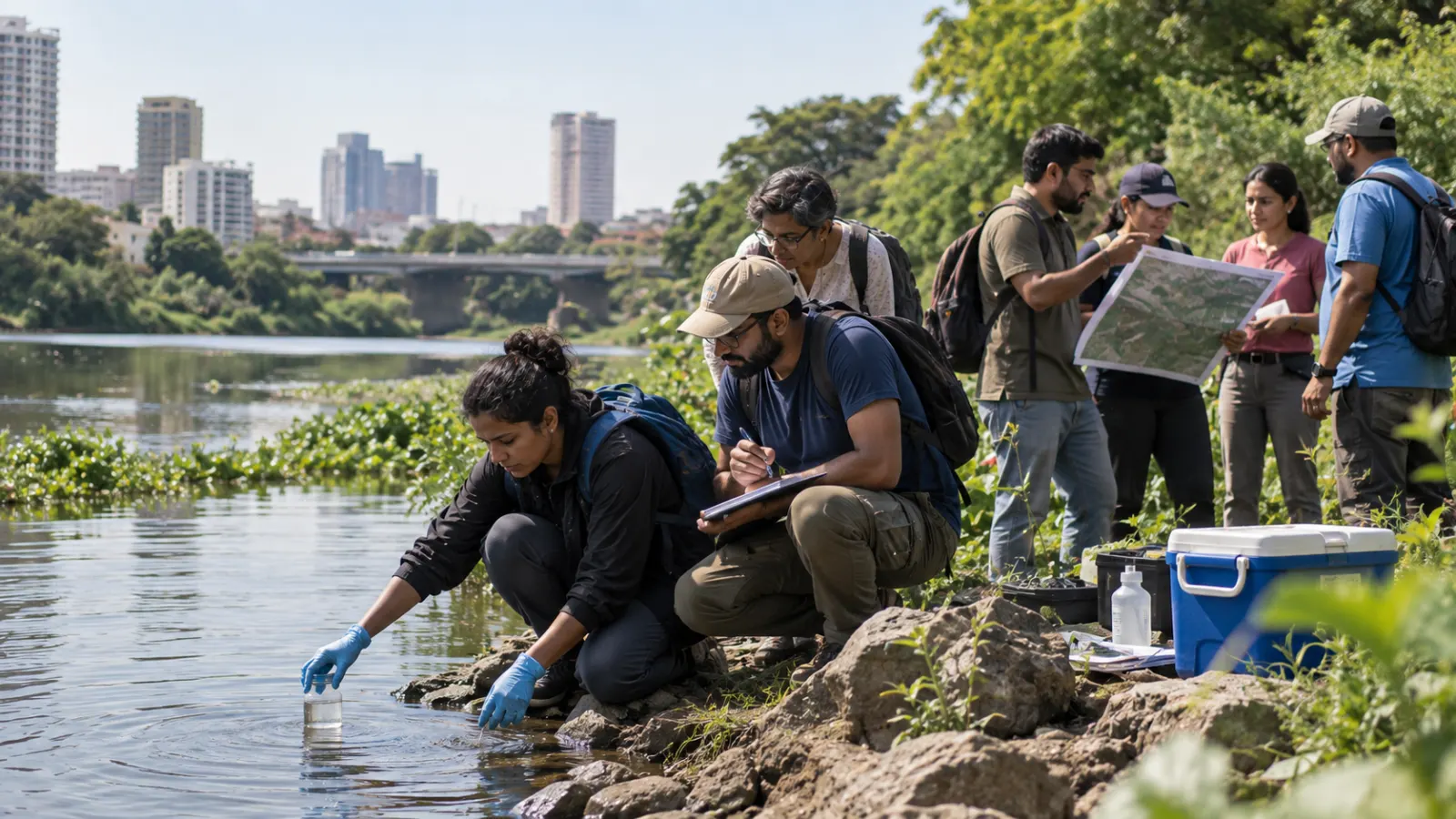
By the middle of the twentieth century, the environmental agenda began moving from remote forests and scenic landscapes into ordinary urban and industrial life. Smog, polluted rivers, toxic chemicals, oil spills, contaminated food and industrial waste made environmental harm visible inside cities and households.
Science became essential to these debates because many environmental risks could not be recognised through sight or smell alone. Chemicals could accumulate in food chains. Air pollution could damage health without producing an immediately obvious injury. Industrial contaminants could travel through water and soil long after their original release.
Rachel Carson's Silent Spring, published in 1962, became one of the most influential examples of scientists and writers translating complex environmental evidence for a mass audience. The book examined the ecological consequences of widespread pesticide use and helped make chemical pollution a public political issue rather than simply a technical matter for agriculture and industry.
Its historical importance should not be exaggerated into the claim that Carson invented environmentalism. Conservation campaigns, pollution disputes and environmental-health concerns existed before Silent Spring. Its significance was that it connected scientific evidence with a public argument powerful enough to alter the wider political conversation.
Environmental politics was increasingly asking a new question: could industrial societies continue treating air, water and soil as places where unwanted wastes could be deposited at little or no cost?
Once pollution was understood as public harm, environmental protection became difficult to confine to private conservation organisations. Governments were increasingly expected to establish standards, monitor exposure and regulate industrial behaviour.
Earth Day Demonstrated That Environmental Concern Had Become a Mass Political Issue
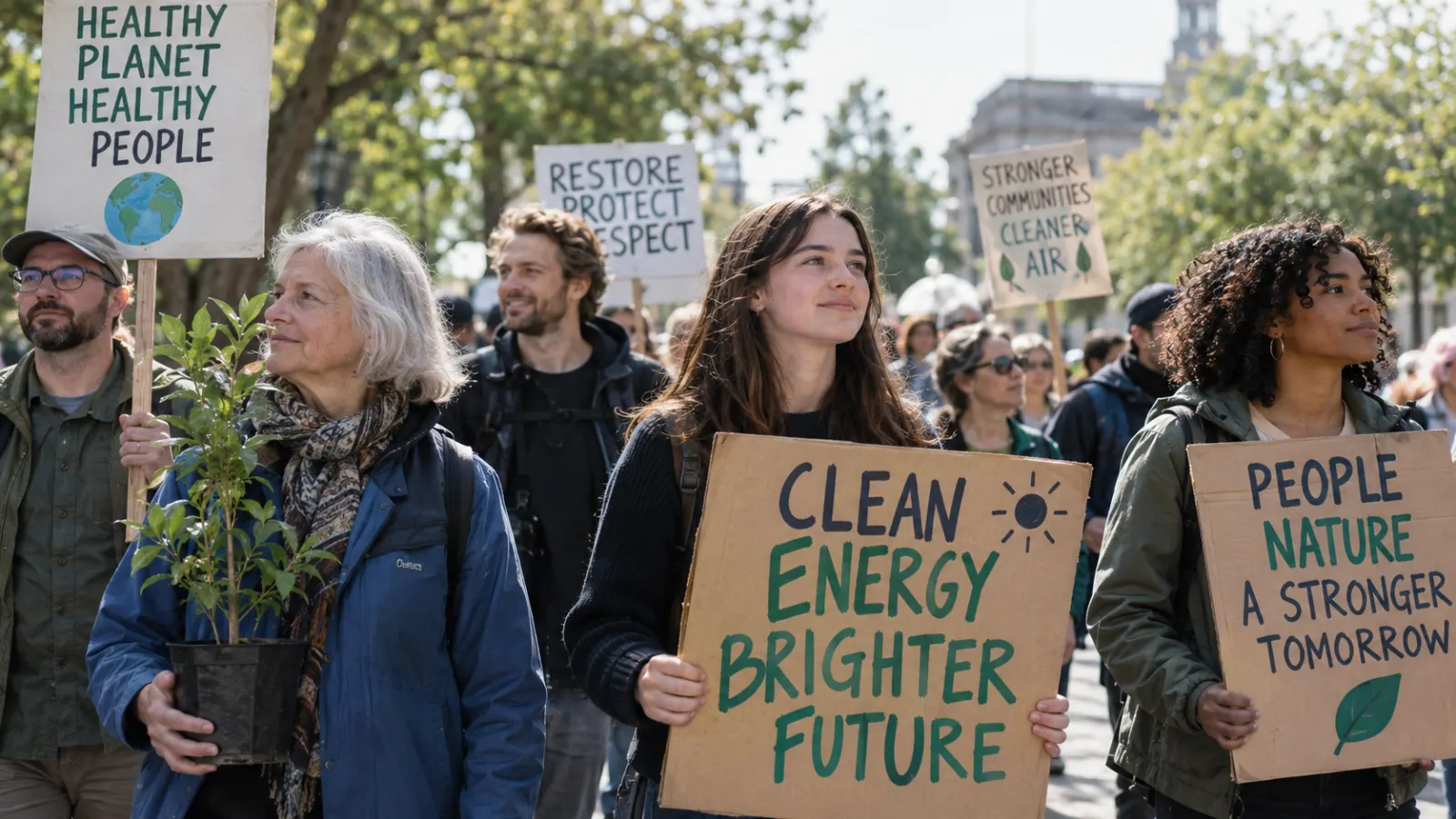
The first Earth Day on 22 April 1970 became one of the symbolic turning points of modern environmentalism. Around 20 million Americans participated in demonstrations, educational events and other activities, bringing together concerns that had often been organised separately: air pollution, pesticides, toxic waste, oil spills, wildlife loss and threats to wilderness.
Earth Day did not create those concerns. Nor can the environmental legislation that followed in the United States be attributed to one day of mobilisation. Scientific research, political leadership, existing organisations and highly visible pollution incidents had already changed public attitudes.
What Earth Day demonstrated was scale.
Environmental protection was no longer a specialised cause associated primarily with naturalists or conservation societies. Millions of people were willing to treat pollution and ecological degradation as mainstream civic and political issues.
The 1970s subsequently saw rapid institutionalisation of environmental policy in several countries. New environmental agencies and ministries emerged, pollution laws expanded and regulatory systems became more sophisticated. Citizens increasingly learned that environmental politics could operate through standards, permits, lawsuits, planning systems and administrative agencies as well as protests.
This institutionalisation changed the movement itself. Environmental organisations needed scientists, lawyers, economists and policy specialists alongside campaigners. Winning public attention remained important, but environmental politics increasingly involved influencing the machinery of government.
Stockholm Turned Environmental Protection Into an International Issue
A major international milestone came in 1972, when governments met at the United Nations Conference on the Human Environment in Stockholm. The conference is widely treated as the first major global diplomatic gathering devoted specifically to environmental issues and helped establish the environment as a permanent subject of international politics.
One of its most important institutional consequences was the creation of the United Nations Environment Programme, which gave environmental cooperation a continuing place inside the UN system. But Stockholm's deeper importance lay in the political tensions it exposed.
Environmental problems were global, but countries had not contributed equally to industrialisation and did not possess equal economic resources. Many developing countries worried that environmental standards promoted by wealthy industrial states could restrict their own attempts to reduce poverty and build infrastructure.
The disagreement was not simply between countries that cared about nature and those that did not. It concerned development.
Industrialised countries had already accumulated wealth through energy-intensive manufacturing, mining and resource consumption. Could they reasonably demand strict limits from countries still attempting to provide electricity, housing, transport and employment to much poorer populations?
This problem would return repeatedly in later climate negotiations.
Environmentalism therefore began developing an equity dimension. Protecting ecological systems could no longer be discussed entirely separately from questions about economic development, historical responsibility and the distribution of costs.
The Green Movement Diversified Into Local Struggles, Political Parties and Justice Campaigns
Environmentalism became increasingly diverse during the 1970s and 1980s. Anti-nuclear movements challenged nuclear weapons and, in some countries, nuclear power. Local communities organised against mines, dams, logging, hazardous industries and urban pollution. Green political parties emerged, particularly in Europe, attempting to bring ecological concerns directly into electoral politics.
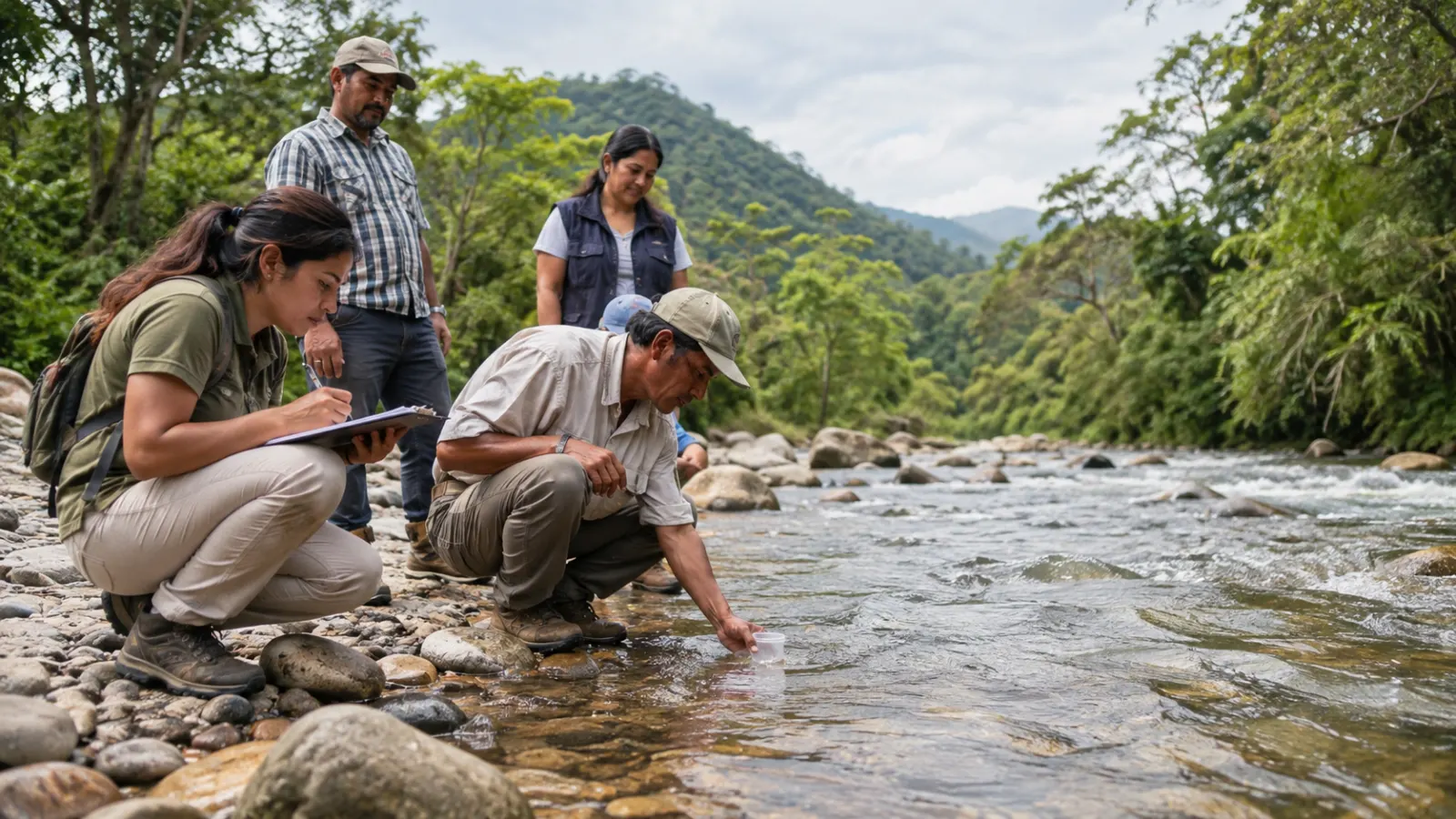
In many parts of the Global South, environmental politics developed through conflicts over livelihoods and natural resources rather than through a simple wilderness-preservation model. India's Chipko movement became one of the best-known examples. Villagers in the Himalayan region resisted commercial logging and argued that forests supplied water, fodder, fuel, soil stability and local employment rather than merely timber for distant markets.
Kenya's Green Belt Movement, associated with Wangari Maathai, similarly connected tree planting with women's livelihoods, community organisation and democratic participation. Environmental action in such movements was inseparable from social questions.
These campaigns widened the definition of environmentalism. Protecting ecosystems increasingly required asking who controlled land and resources, who received economic benefits and who absorbed environmental costs.
The Chipko experience illustrates that transition particularly clearly. Its history cannot be reduced to a simple story of villagers wanting untouched forests. Participants also contested who had access to forest resources and whether commercial extraction should take precedence over local ecological and economic needs.
Environmental politics was becoming simultaneously ecological, economic and democratic.
Environmental Justice Challenged Who the Green Movement Was Protecting
A particularly important shift came from the rise of environmental justice.
Mainstream environmental organisations had often concentrated on wilderness, wildlife and conservation. Critics argued that this focus sometimes neglected environmental hazards affecting poor communities, workers and racial or ethnic minorities.
Industrial facilities, waste sites, polluted highways and unsafe housing were not distributed randomly. Communities with less political power could face greater exposure to environmental hazards while receiving fewer economic benefits from the industries responsible for those risks.
Environmental-justice movements therefore changed the central question from simply “How much pollution exists?” to “Who is exposed to it?”
That distinction transformed environmental politics.
Pollution was no longer only an engineering problem requiring lower emissions. It was also a distributional problem involving housing, labour, race, class, political representation and public health.
The justice movement also broadened the definition of expertise. Technical measurements remained important, but residents' testimony about illness, odours, contaminated water or workplace exposure became part of the evidentiary landscape.
This did not mean community perceptions automatically replaced scientific analysis. It meant risk assessment could no longer assume that people experiencing environmental harm had nothing valuable to contribute because they lacked professional credentials.
The same logic influenced Indigenous-rights movements and later climate-justice politics. Environmental decisions increasingly had to consider whose knowledge counts, who participates and who bears the risk.
Rio Joined Environment and Development
The 1992 United Nations Conference on Environment and Development, better known as the Rio Earth Summit, marked another major transition in global environmental politics.
By this point, the idea that environmental protection could be separated from economic development had become increasingly difficult to sustain. Poverty, energy access, urbanisation, industrialisation, agriculture and environmental degradation were interconnected.
Rio placed sustainable development at the centre of the international agenda. The broad principle was that societies should improve human well-being while preserving the ecological systems on which future well-being depends.
The summit produced the Rio Declaration and Agenda 21 and opened major international environmental agreements for signature, including conventions addressing climate change and biodiversity.
This significantly expanded the terrain of environmental policy.
Governments, development banks, businesses and cities increasingly incorporated environmental concerns into planning, infrastructure, finance and economic policy. Environmentalism could no longer be understood only as activism opposing destructive projects. It was becoming part of mainstream governance.
That institutional success created new tensions. Once sustainability entered corporate plans and government strategies, disagreements grew over what the concept actually required. A government could label a development project sustainable while environmental organisations disagreed. Businesses could adopt environmental commitments without accepting deeper changes to production or consumption.
The language of environmentalism had entered institutions.
The struggle increasingly concerned what those institutions would actually do with it.
Climate Change Expanded Environmentalism Into the Organisation of Entire Economies
From the 1990s onward, climate change gradually became one of the dominant organising issues of global environmental politics.
Many earlier environmental problems could be addressed geographically. A polluted river could be cleaned. A threatened forest could be protected. A hazardous facility could be regulated or relocated.
Climate change was different.
Greenhouse gases mix in a shared atmosphere, and the sources are embedded across electricity generation, transport, buildings, industry, food systems and land use. No single protected area or national pollution standard could solve the problem.
Environmental politics therefore moved deeper into economics and geopolitics.
Climate organisations promoted renewable energy, efficiency, carbon pricing, international agreements and changes in transport and buildings. Other movements focused on stopping fossil-fuel projects, divestment, litigation and direct action. Youth campaigns framed climate delay as an issue of intergenerational fairness.
At the same time, climate change revived debates that had been visible since Stockholm. Who should reduce emissions fastest? Should countries with greater historical responsibility contribute more finance? How should developing countries obtain affordable clean technology? Who should pay when climate impacts cannot be prevented through adaptation?
Environmental politics was no longer only asking whether economic activity should respect ecological limits.
It was asking how entire economies could change without distributing the cost unfairly.
That is one reason climate justice became increasingly prominent. Environmental protection, development and inequality could no longer be treated as separate policy areas.
There Is No Longer One Green Movement—If There Ever Was
Today, the phrase “the green movement” refers to a broad ecosystem of organisations, political traditions and campaigns that often disagree sharply.
Conservation organisations may prioritise habitats and endangered species. Climate movements may focus primarily on fossil-fuel emissions. Environmental-justice groups may criticise policies that reduce carbon while imposing costs on vulnerable communities. Some environmentalists favour market mechanisms and private investment; others are sceptical of both. Some support nuclear power because of its low operational carbon emissions; others oppose it because of waste, cost or safety concerns.
These disagreements are not evidence that environmentalism has failed to define itself properly.
They reflect how large the environmental agenda has become.
Forests, water, food, energy, cities, transport, industrial policy, finance, public health, inequality and international relations all now contain environmental questions. Once ecological issues entered nearly every major area of public policy, internal disagreement was inevitable.
The geographical widening of the movement also changed its priorities. Environmentalism told primarily through Europe and North America can appear to progress from conservation to pollution control and then climate change. In many developing countries, however, some of the defining conflicts concerned dams, forests, mines, land rights, displacement and livelihood security.
These traditions overlap without becoming identical.
The original draft captures this important point: modern environmentalism contains conservationist, scientific, anti-pollution, climate, community-based and justice-oriented traditions that sometimes cooperate and sometimes disagree over priorities and acceptable trade-offs.
The History of Environmentalism Is Really a History of Expanding Questions
The green movement began with no single founder because environmental politics emerged from many different problems.
Early conservation asked how forests, wildlife and landscapes should be managed or protected. Anti-pollution movements asked whether industries could impose environmental costs on the public. Earth Day demonstrated the political power of mass mobilisation. Stockholm made environmental protection an issue of international diplomacy. Grassroots movements connected ecology with land, livelihood and local control. Environmental justice asked who bears pollution and who gets heard. Rio connected environment and development. Climate change forced environmental politics to confront energy systems, finance and the organisation of entire economies.
Each phase expanded the questions environmentalism was expected to answer.
That history also explains why today's movement contains so much disagreement. Environmental politics is no longer one campaign attempting to protect one type of resource. It has become a broad argument about how modern societies should produce, consume, build, regulate and distribute environmental risk.
The most important shift has therefore been conceptual.
Nature was once often treated in public policy primarily as a source of raw materials, land or waste absorption. Modern environmentalism increasingly insists that ecological systems impose limits, generate public benefits and create risks that cannot always be managed through private transactions alone.
At the same time, environmental justice and movements from the Global South have challenged the idea that protecting nature can be separated from protecting people.
The question is no longer simply how much nature should be conserved.
It is also who decides, who benefits, whose livelihoods change, who faces pollution and whether today's development choices leave future societies with functioning ecological systems.
Environmentalism did not move neatly from one answer to another.
It accumulated questions.
That may be the clearest way to understand the history of the green movement: a growing political recognition that decisions about forests, pollution, energy, development and climate are also decisions about health, power, rights and the kind of society people want to build.