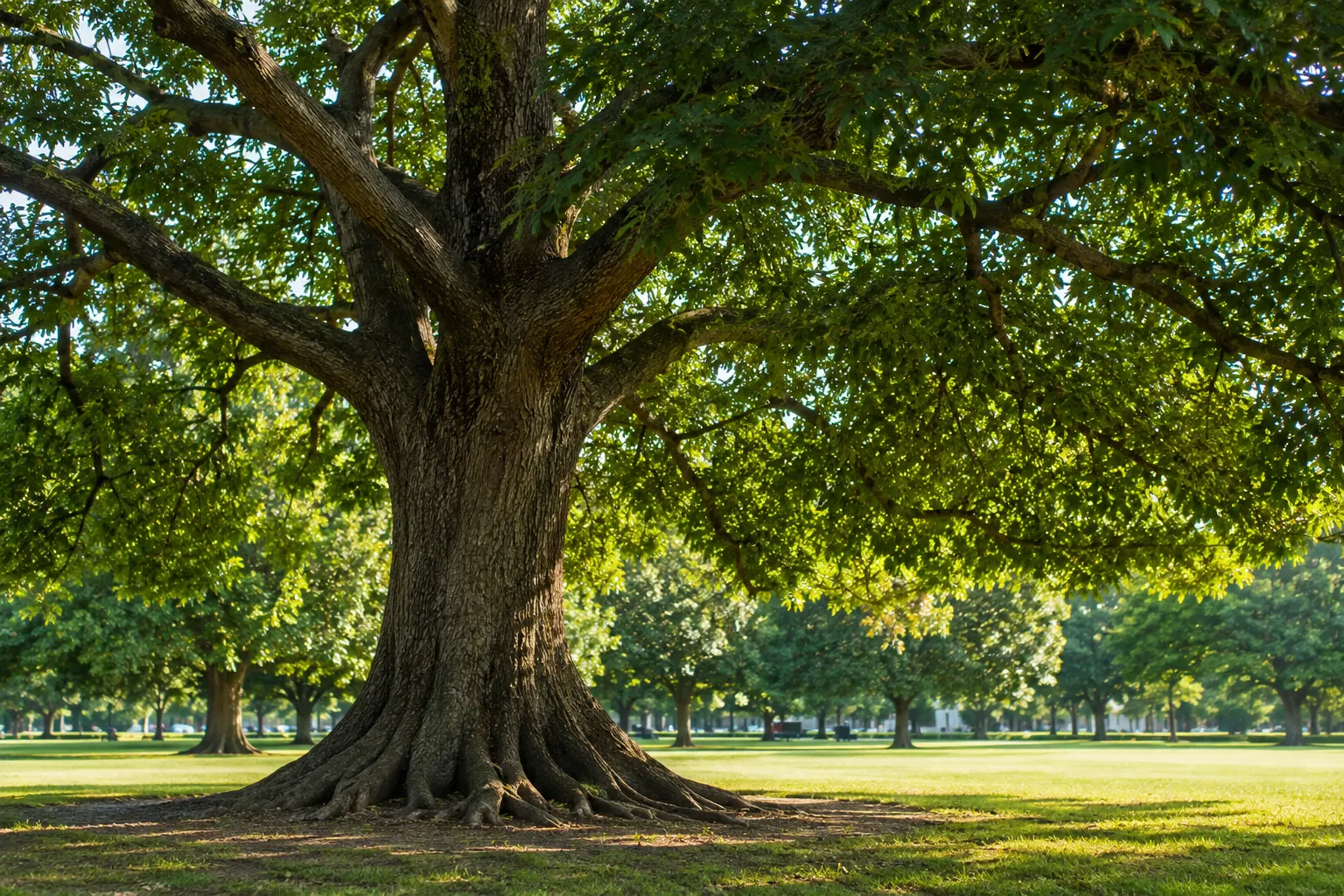
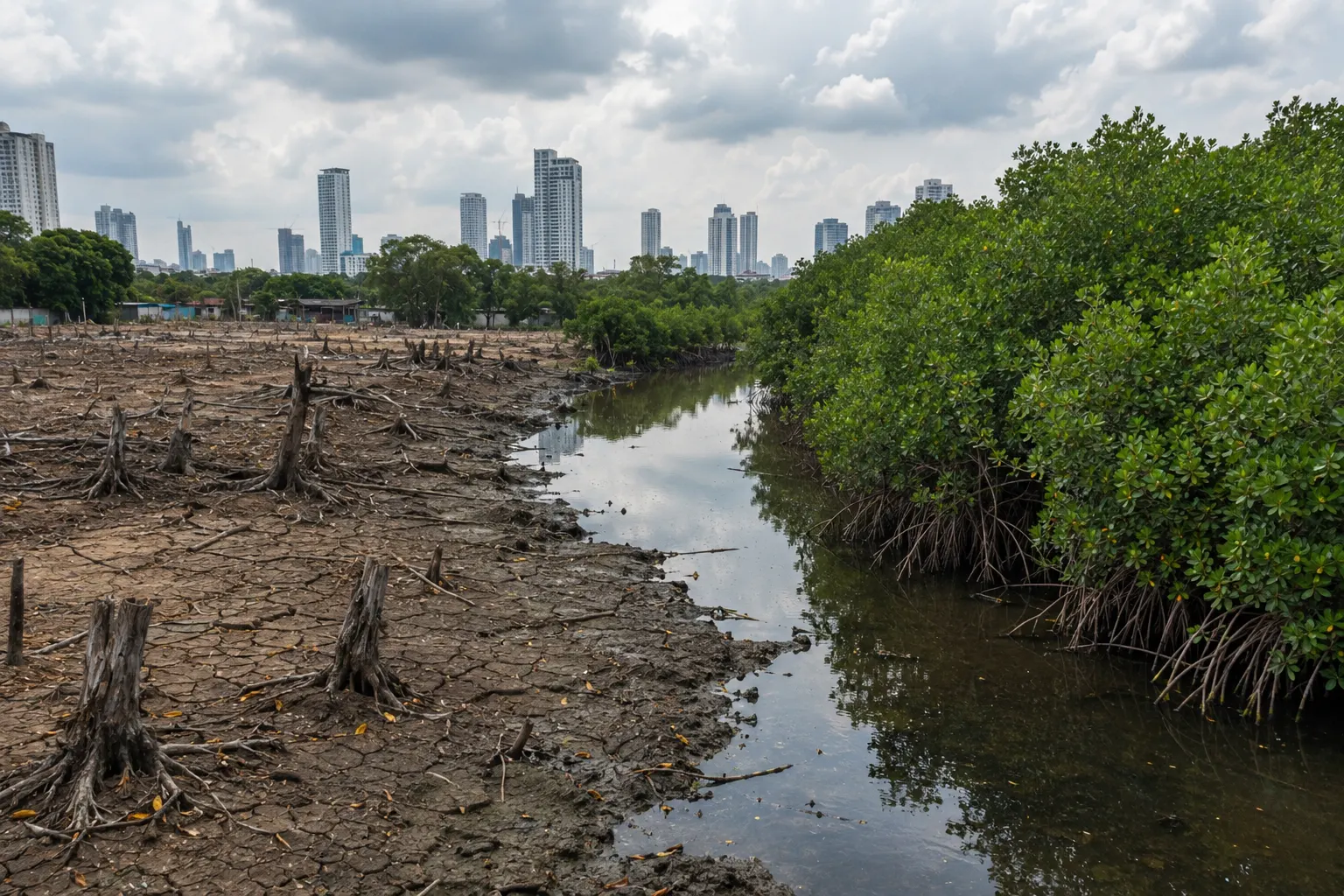
The Importance of Trees goes far beyond shade and oxygen. Trees store carbon, influence water, protect soil, support wildlife, agriculture and cooler cities.
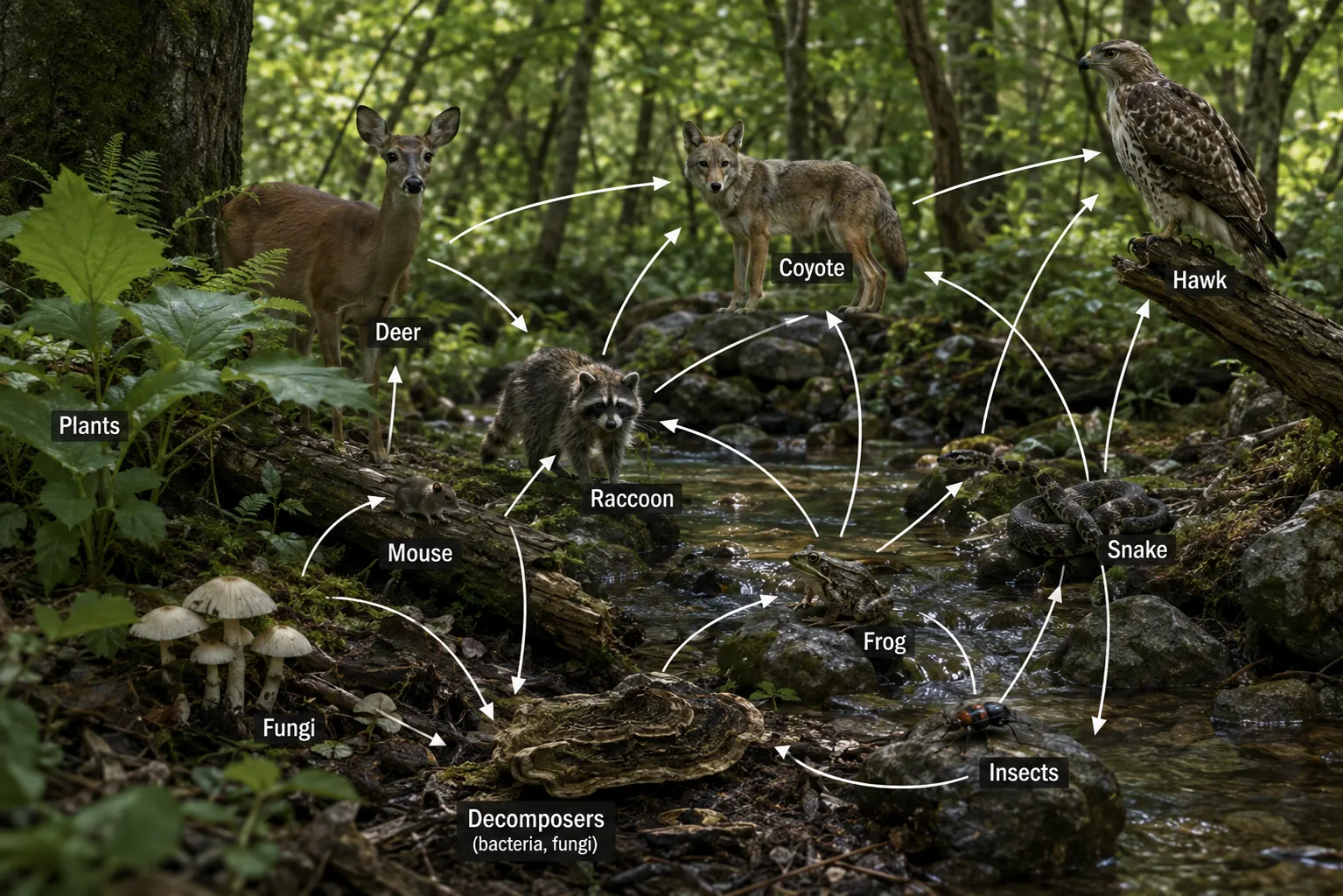
A food chain is a useful line: producer to herbivore to predator. Real ecosystems rarely work in straight lines. Food webs show the many overlapping feeding relationships through…
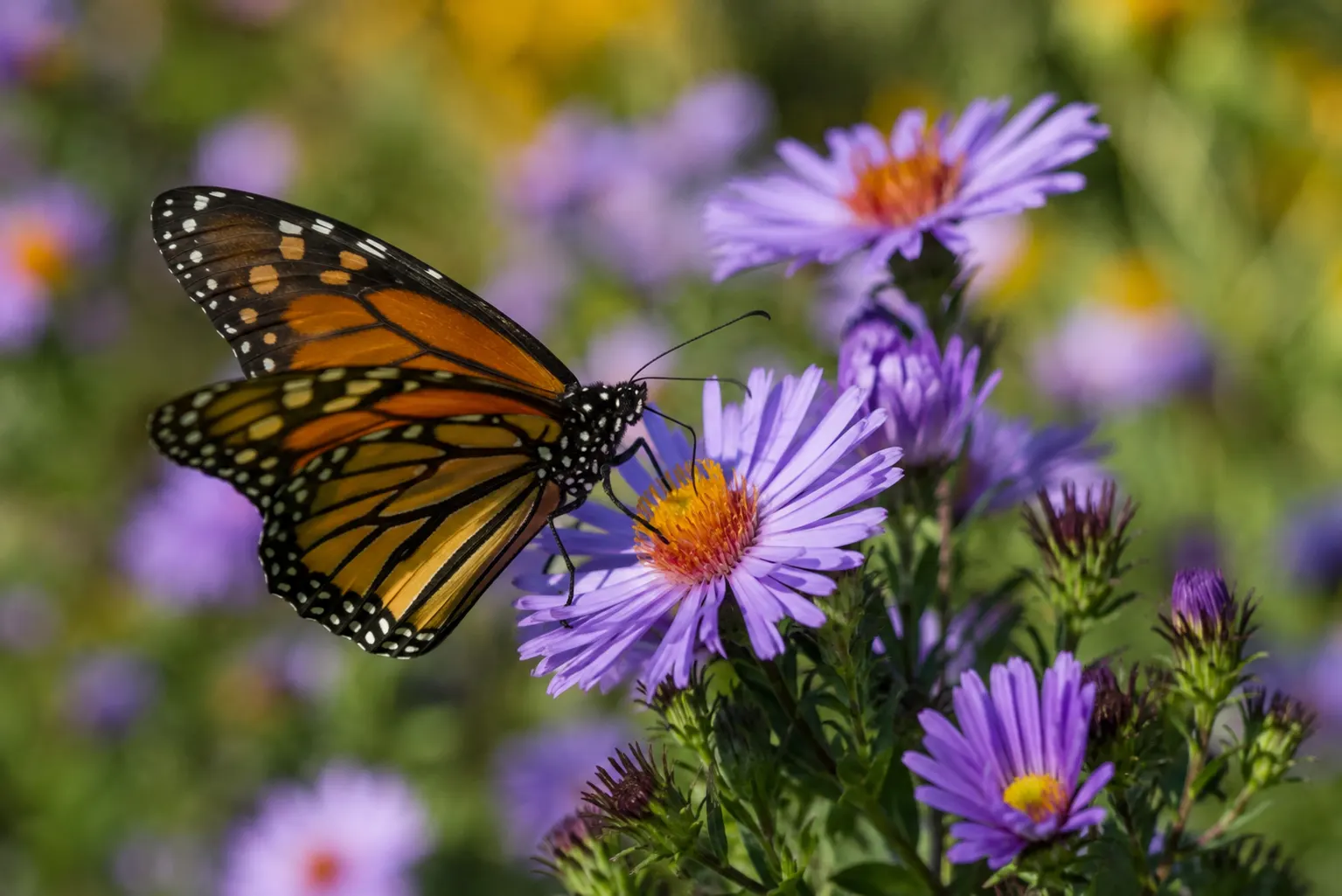
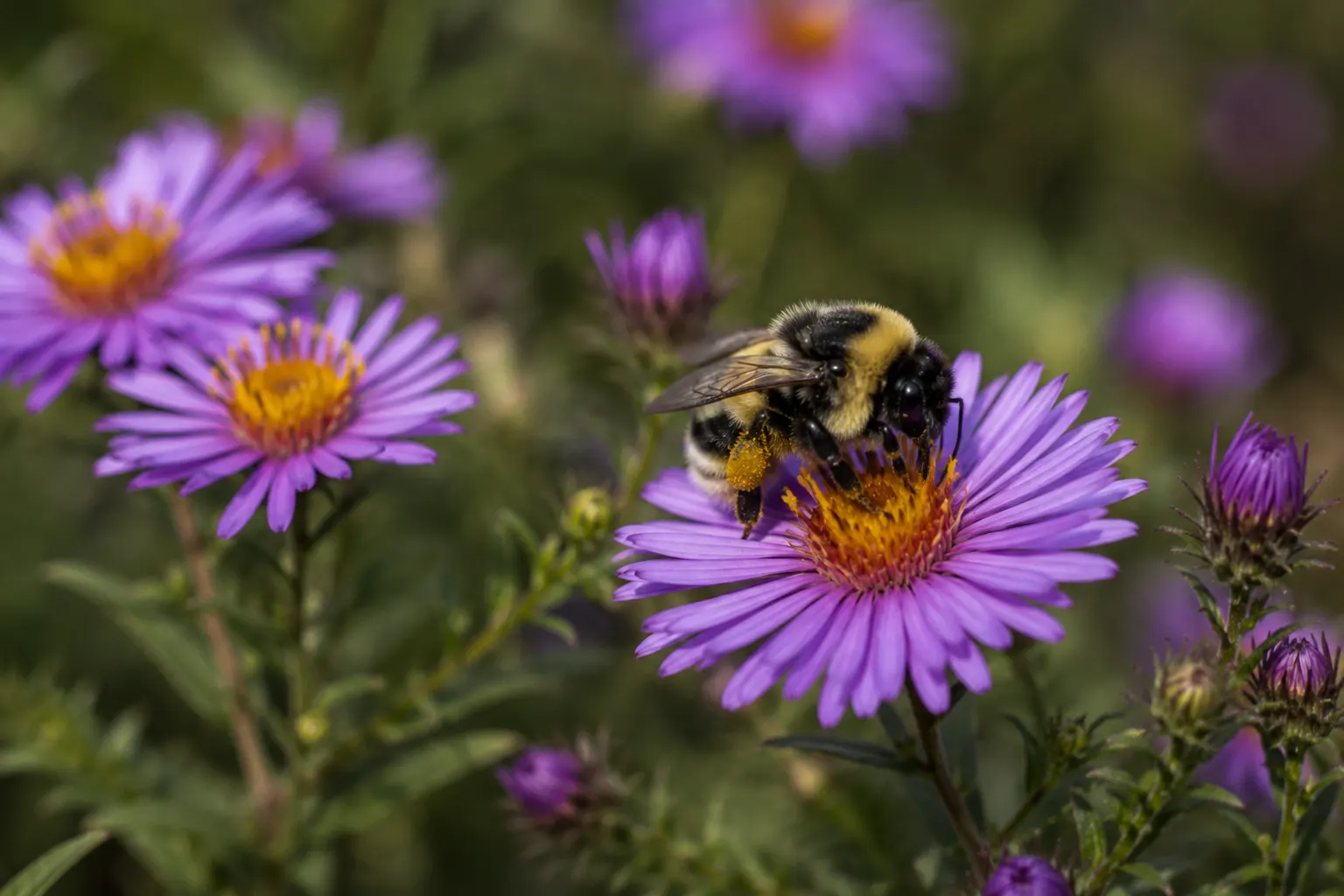
The familiar honey bee is only one member of a vast bee diversity. Wild solitary bees, bumble bees and managed species pollinate crops and native plants in different ways, making…
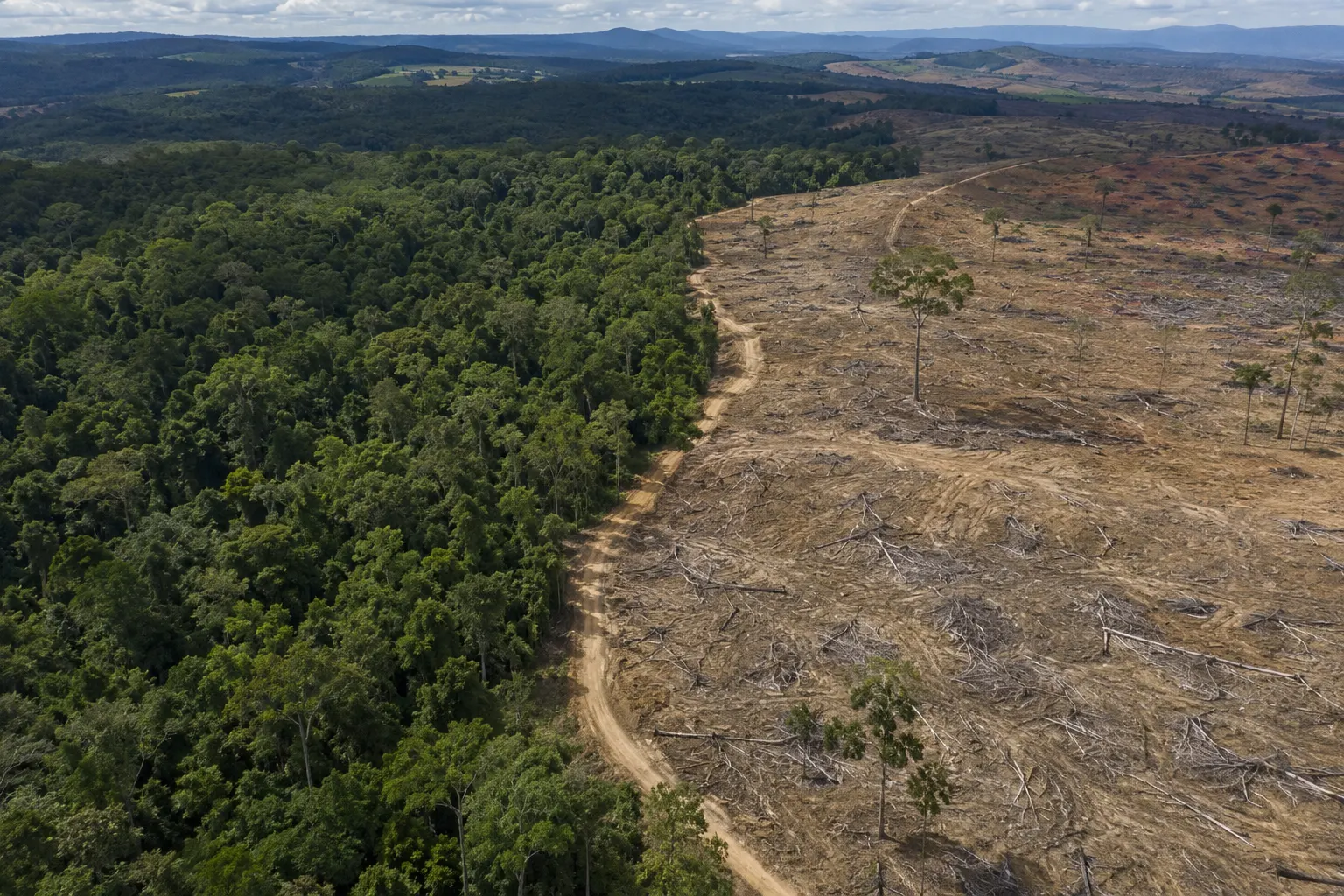
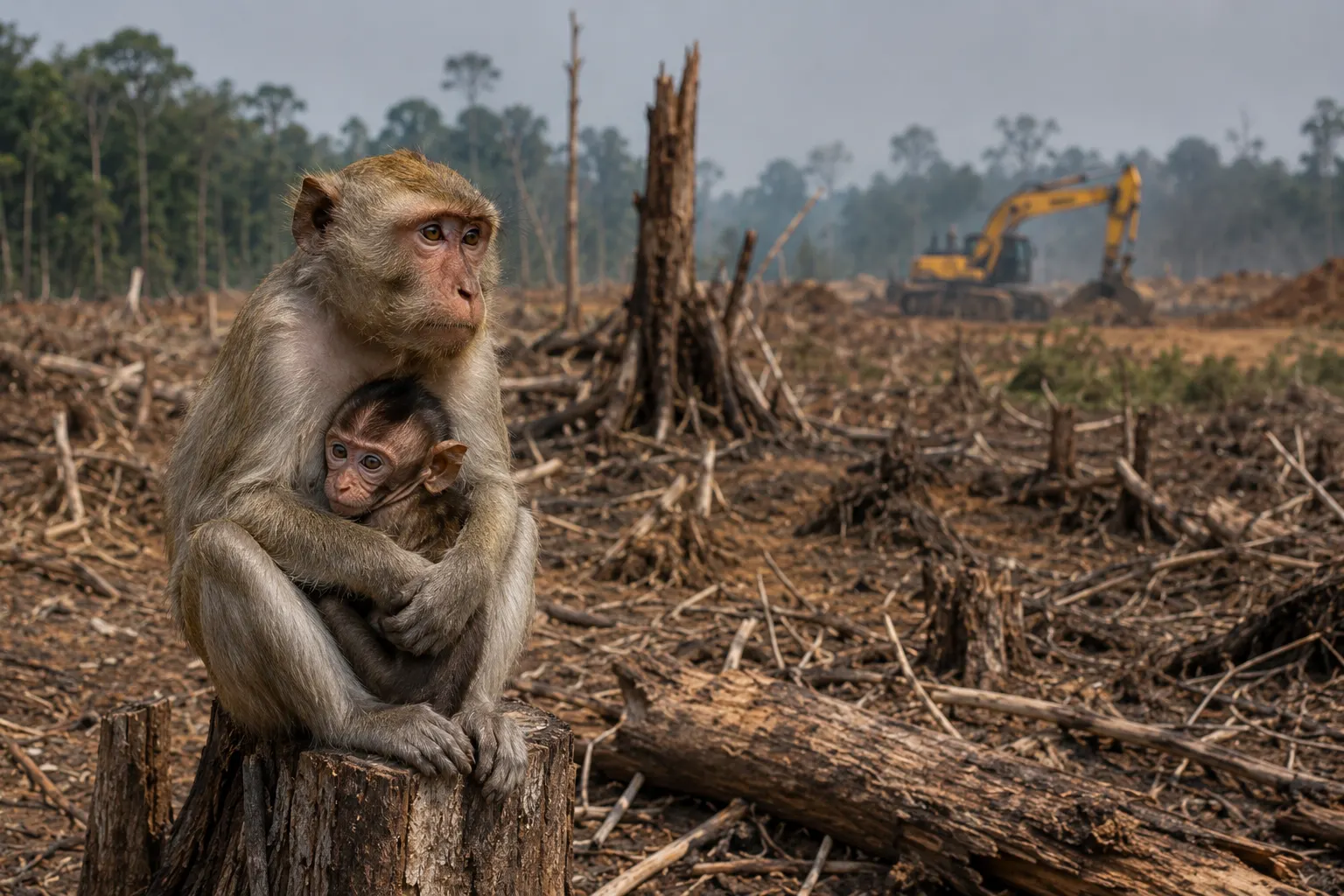
Habitat destruction is not only the moment a forest is cleared or a wetland drained. Habitats can also become too degraded, fragmented or disconnected to support the species and e…
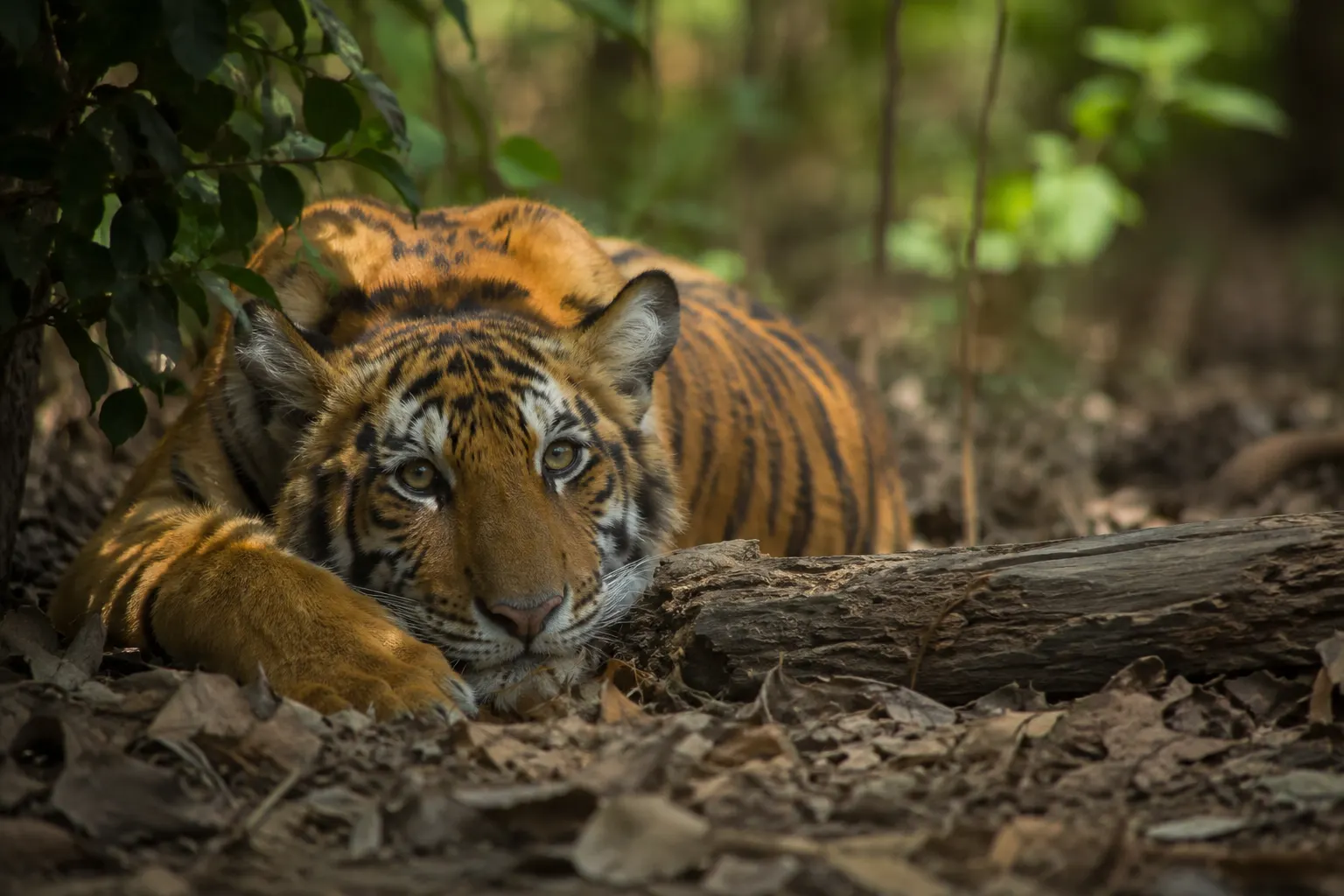
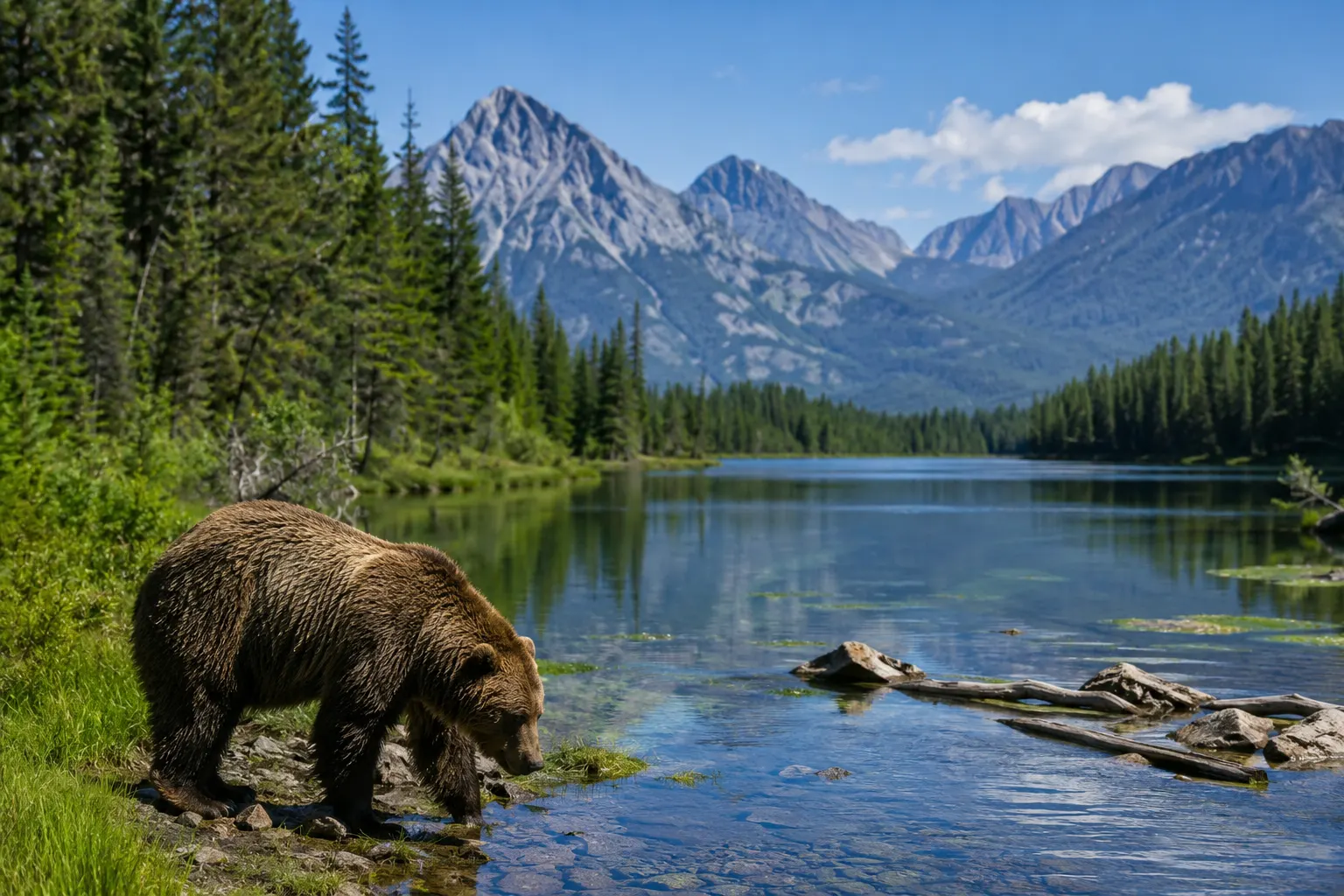
Wildlife Conservation protects wild species, habitats, genetic diversity and ecological relationships. Learn its methods, importance, challenges and global goals.
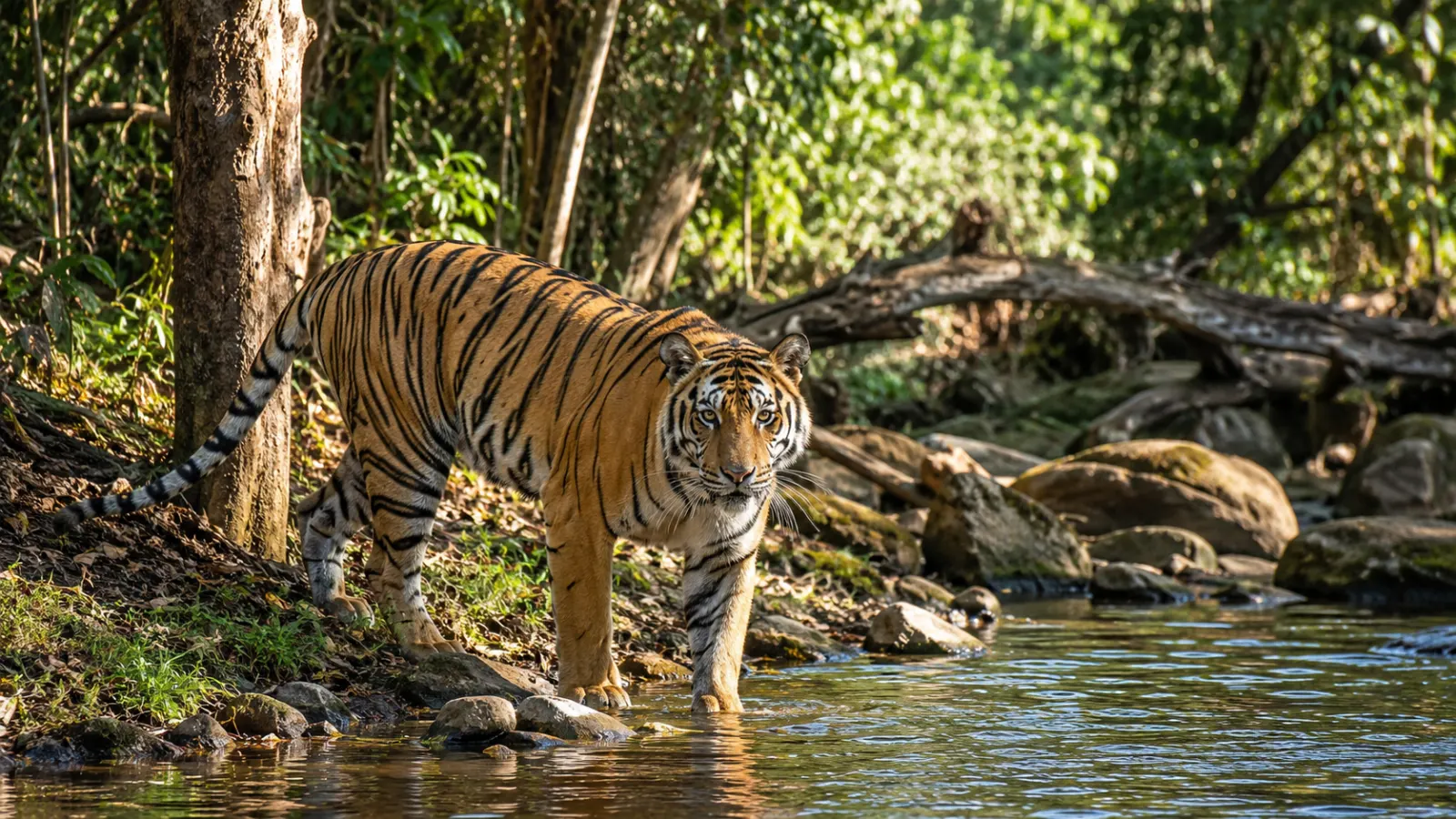
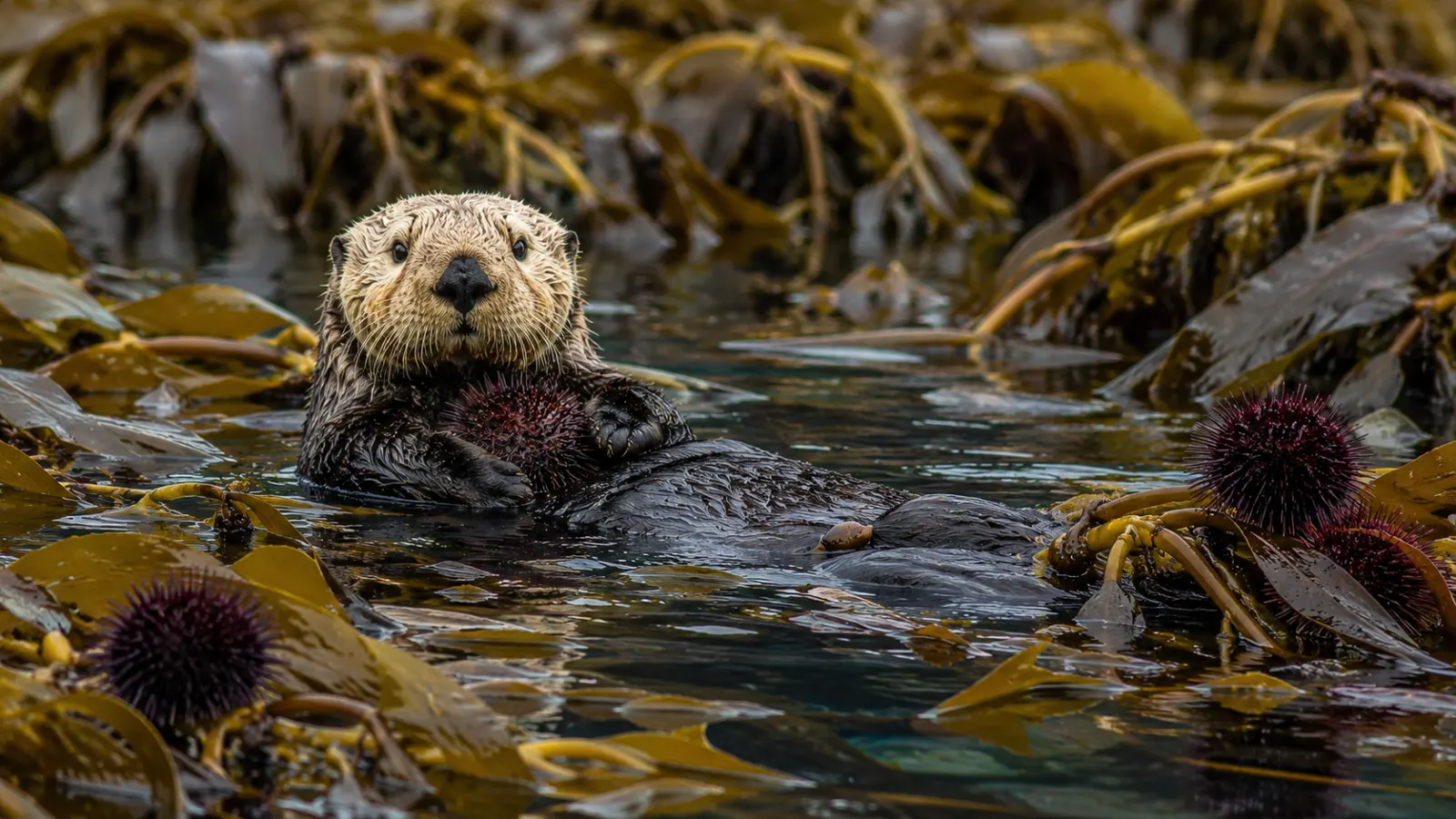
Keystone Species have a disproportionately large effect on ecosystems relative to their abundance. Learn the concept, famous examples and why they matter.
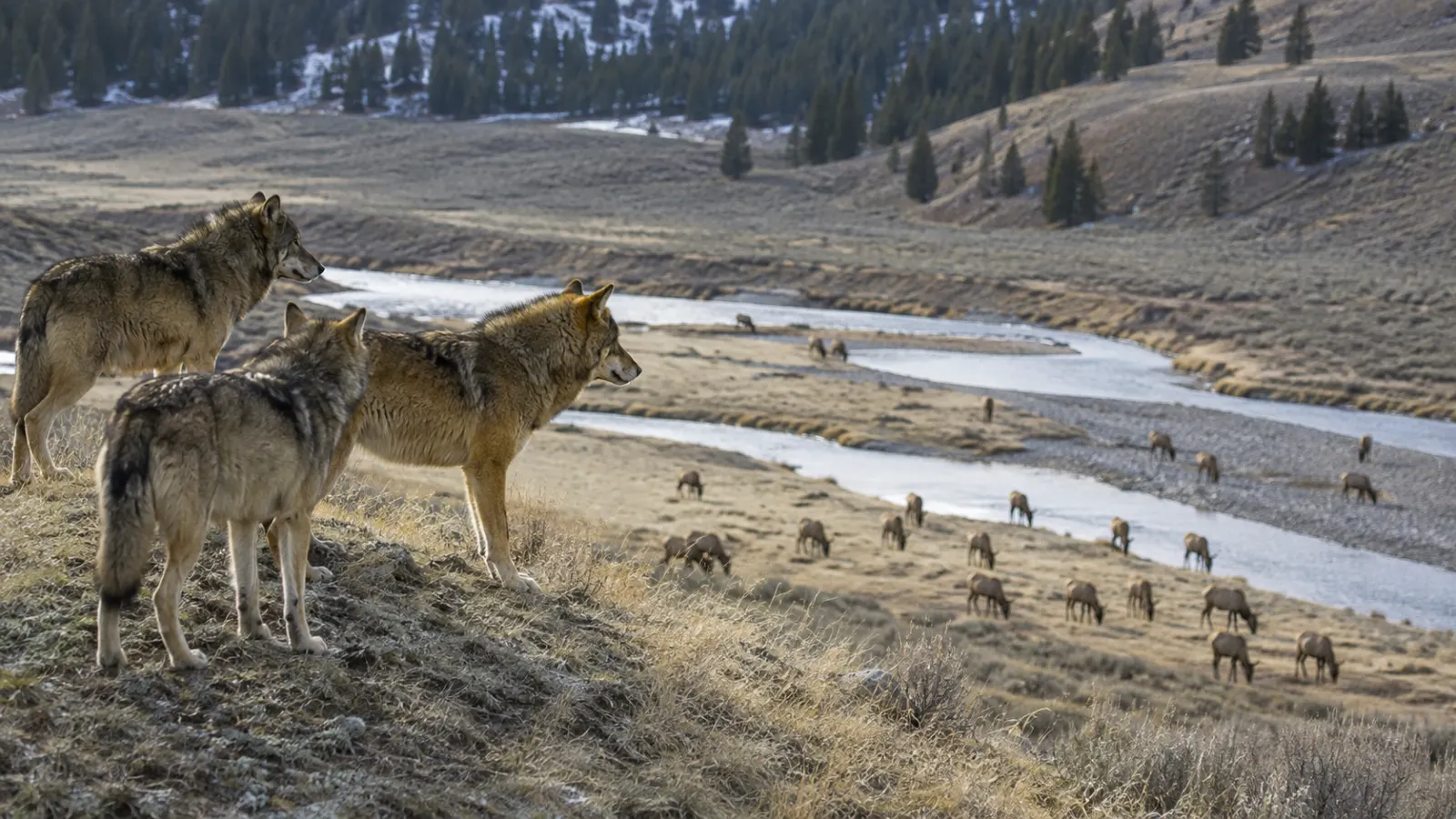
Predators in Ecosystems influence prey populations, behaviour, food webs and other species. Learn how trophic cascades and predator-prey relationships work.
Earth has experienced five catastrophic mass extinctions in the fossil record. Today species are disappearing unusually fast, largely because of human pressures. Whether that alre…
Extinction is the final stage of a longer decline. Habitat loss, overexploitation, invasive species, pollution, climate change and disease can reduce populations until ordinary ba…
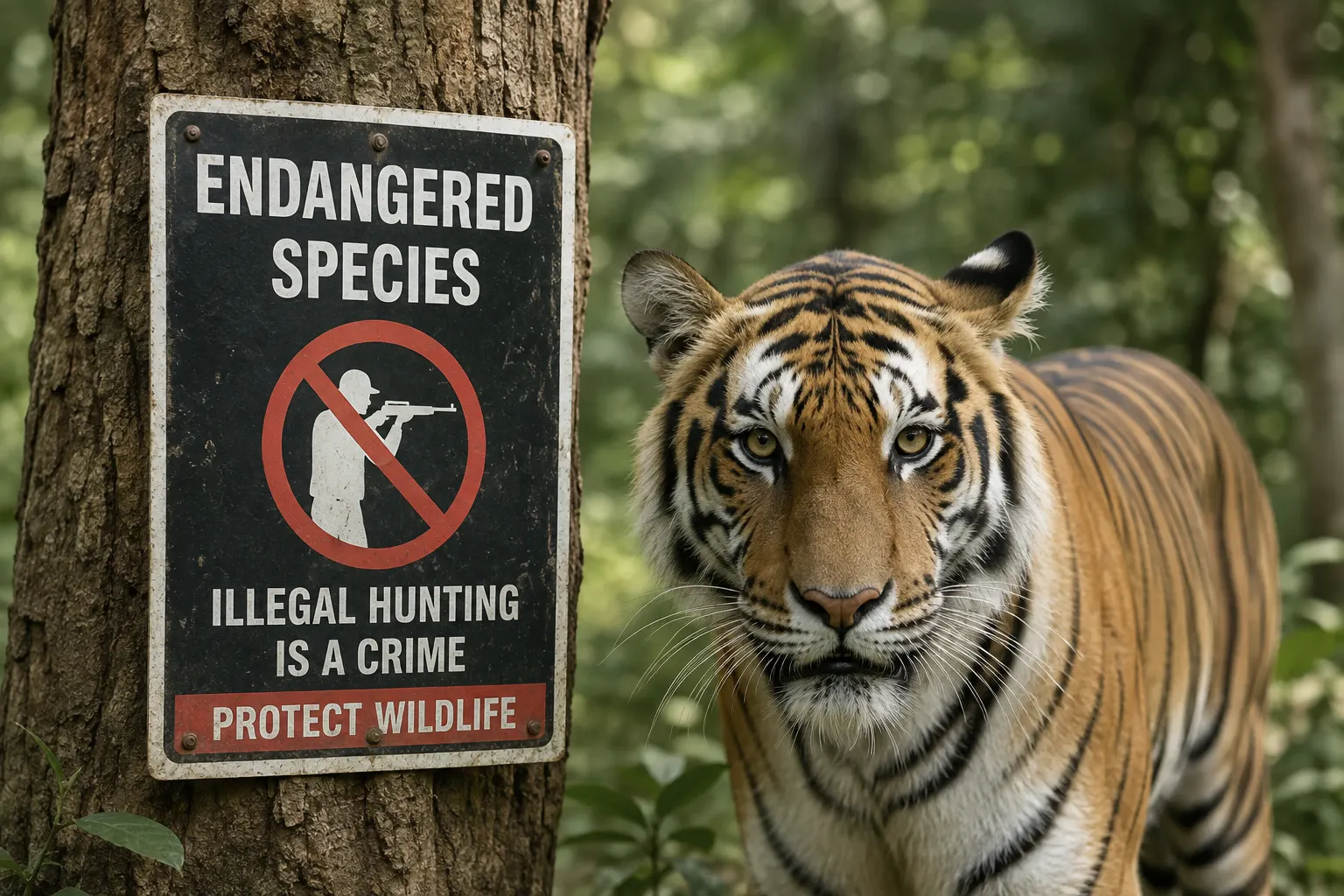
“Endangered” sounds like a general description, but in conservation science it can have a precise technical meaning. The IUCN Red List uses measurable criteria involving populatio…
“Endangered” sounds like a general description, but in conservation science it can have a precise technical meaning. The IUCN Red List uses measurable criteria involving populatio…
Biodiversity is the variety within genes, species and ecosystems that keeps living systems functioning. Its decline is not simply about losing rare wildlife; it can weaken ecologi…
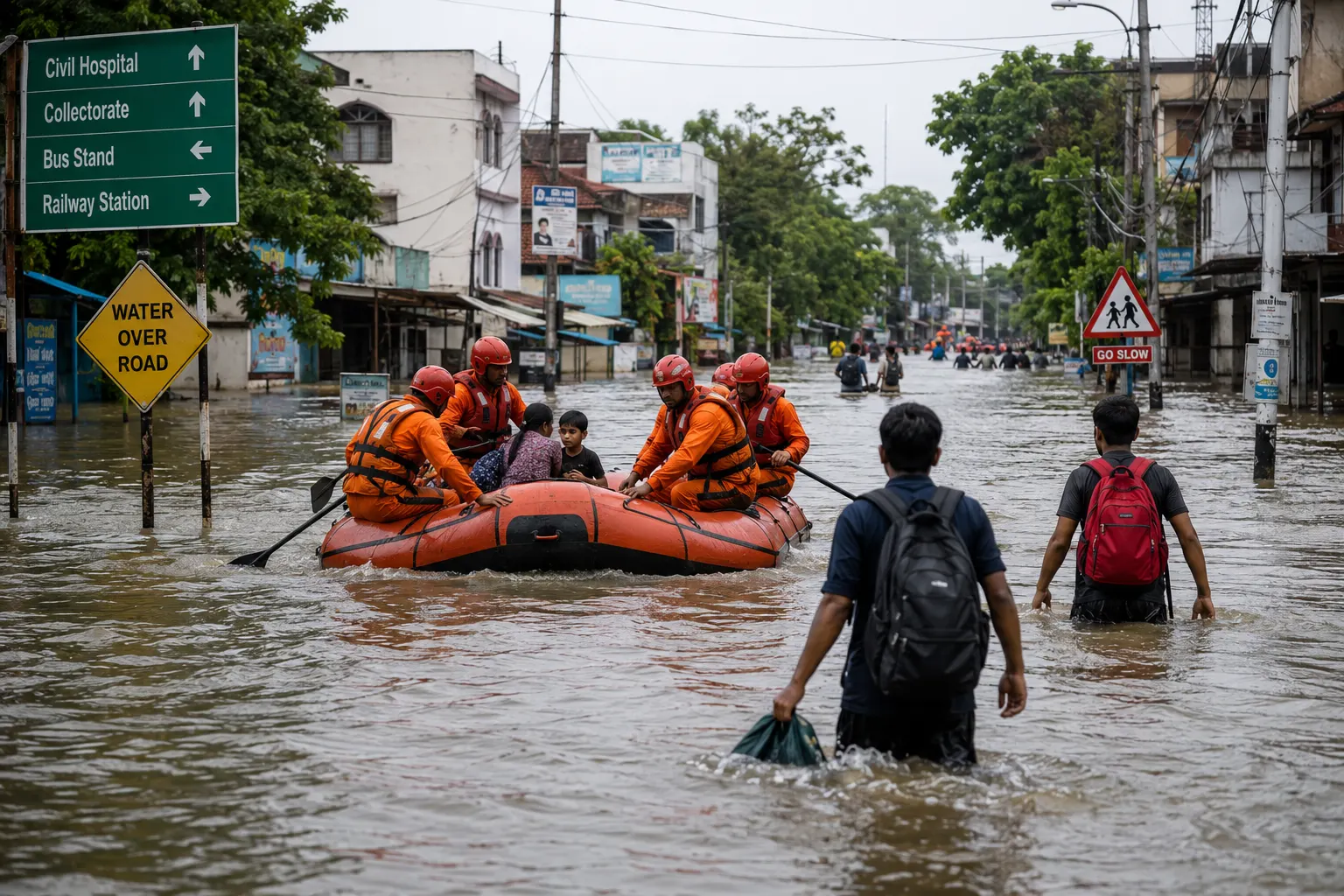
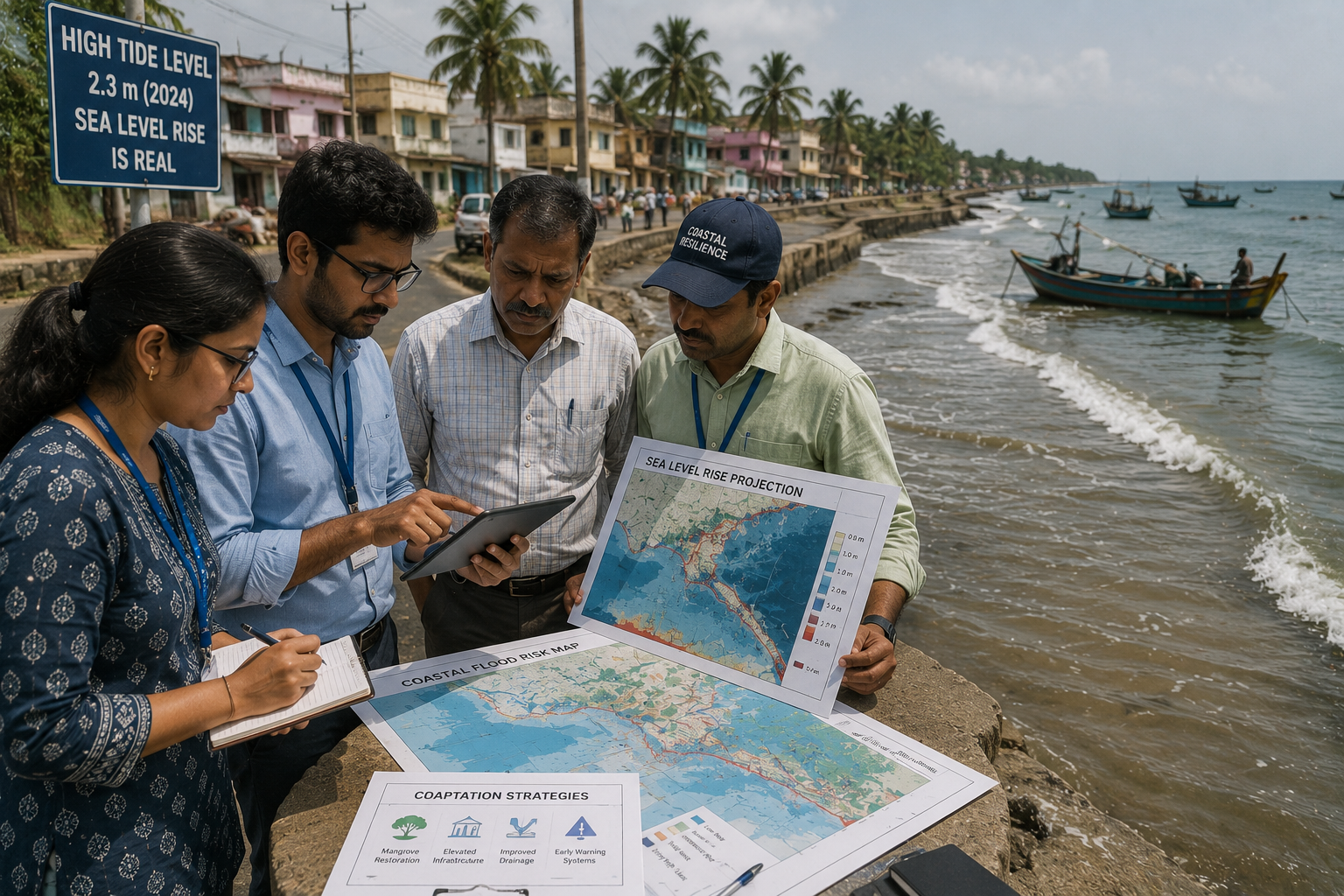
Flooding is a natural part of many river and coastal systems. Disaster begins when water intersects with exposed people, poorly planned development and vulnerable infrastructure -…
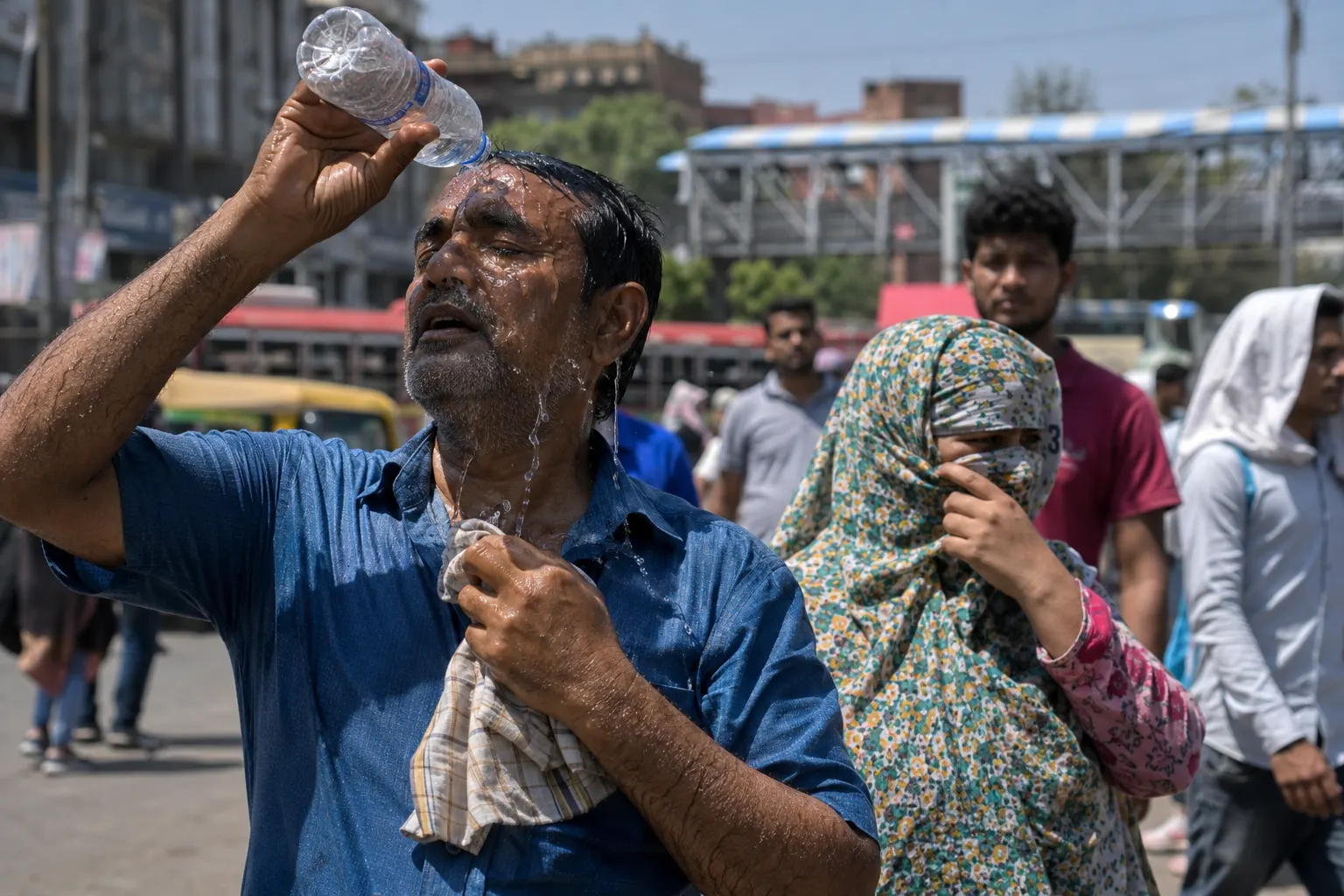
Heatwaves rarely leave the dramatic visual destruction associated with storms or earthquakes. Yet prolonged extreme heat can overwhelm the human body, strain cities and infrastruc…
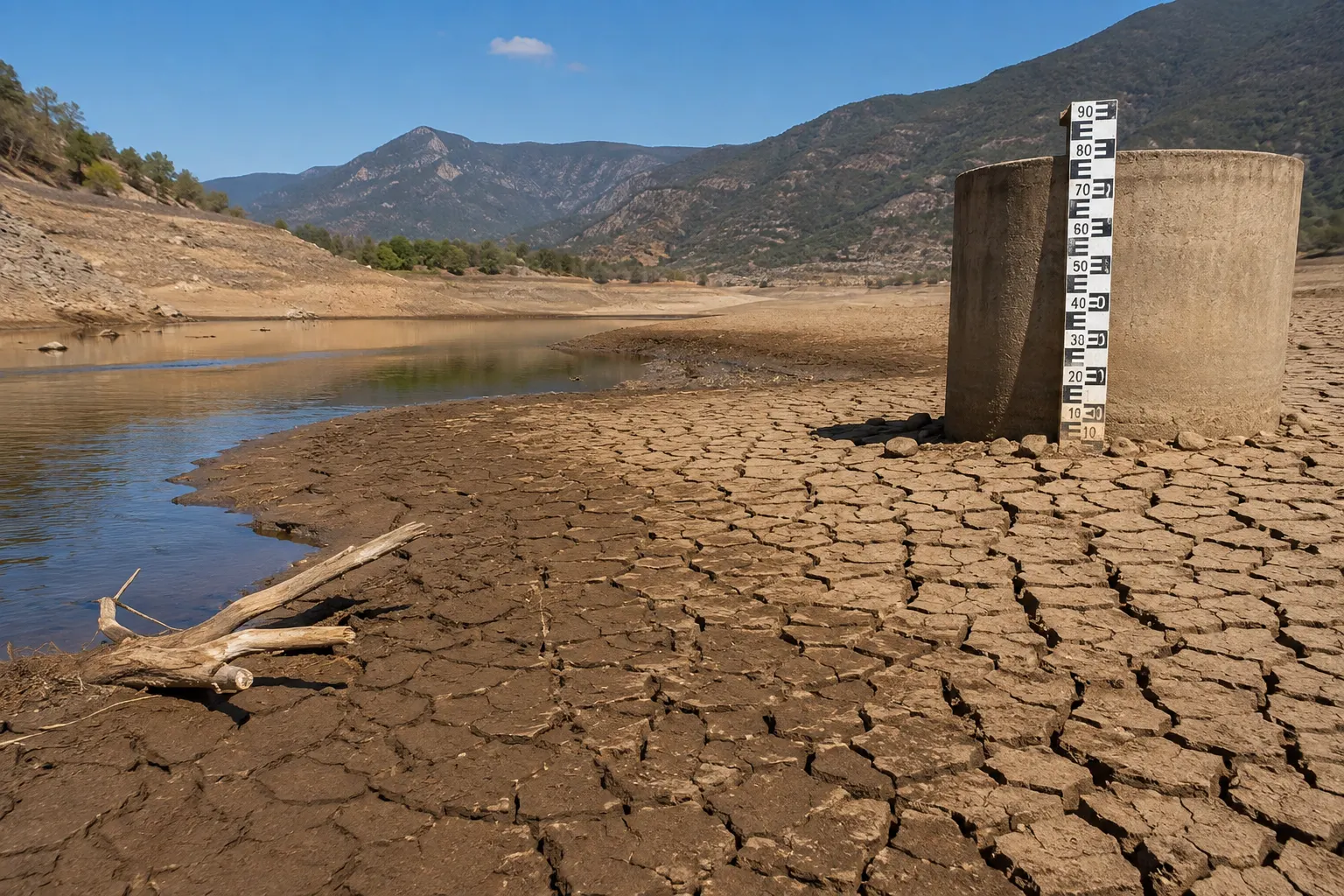
Drought usually begins quietly. A rainfall deficit becomes dry soil, falling river flows and stressed reservoirs, while heat, water demand and land management determine whether a…
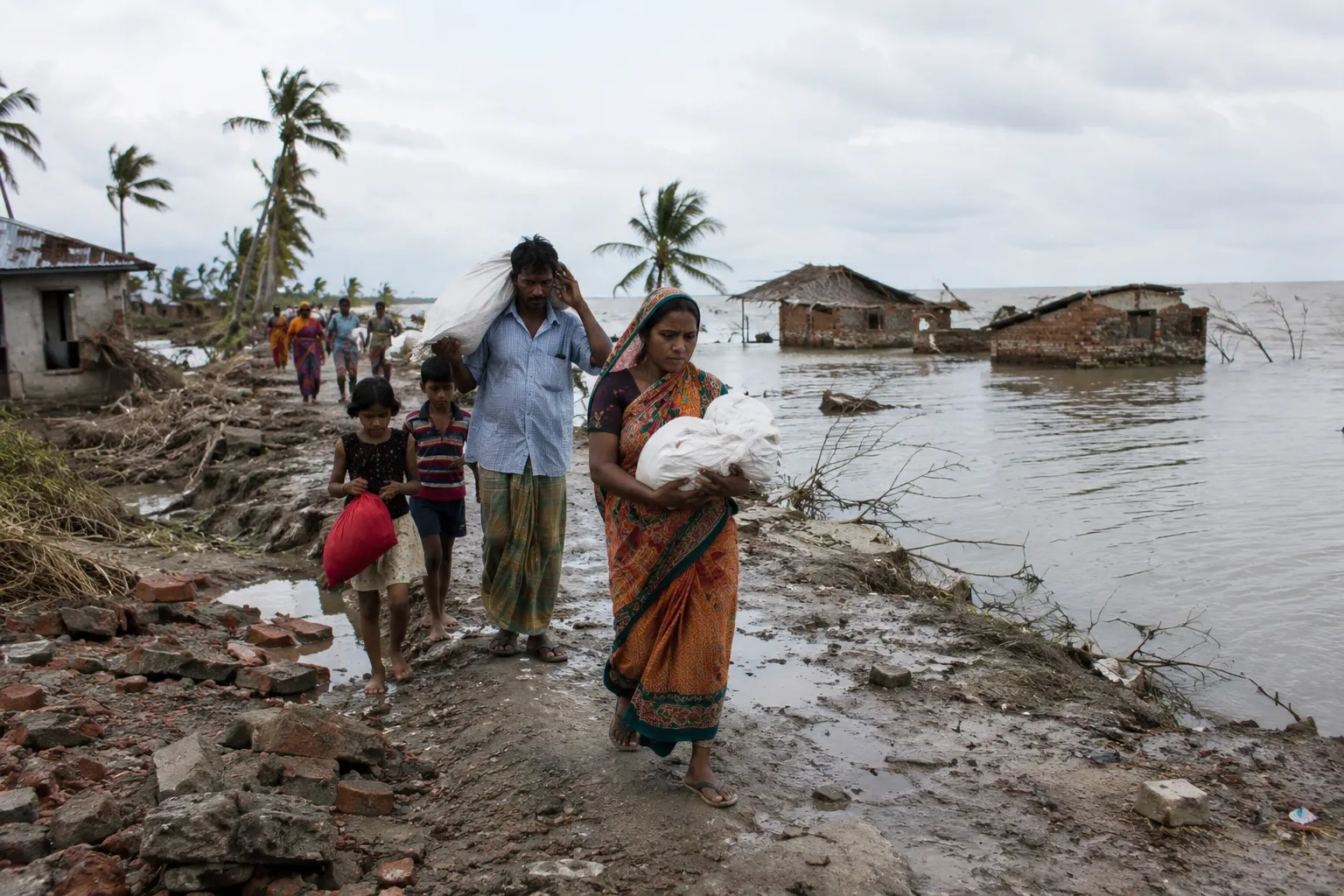
Rising seas, droughts, floods and storms can push people from their homes, but calling everyone affected a “climate refugee” obscures a complicated reality: most remain inside the…
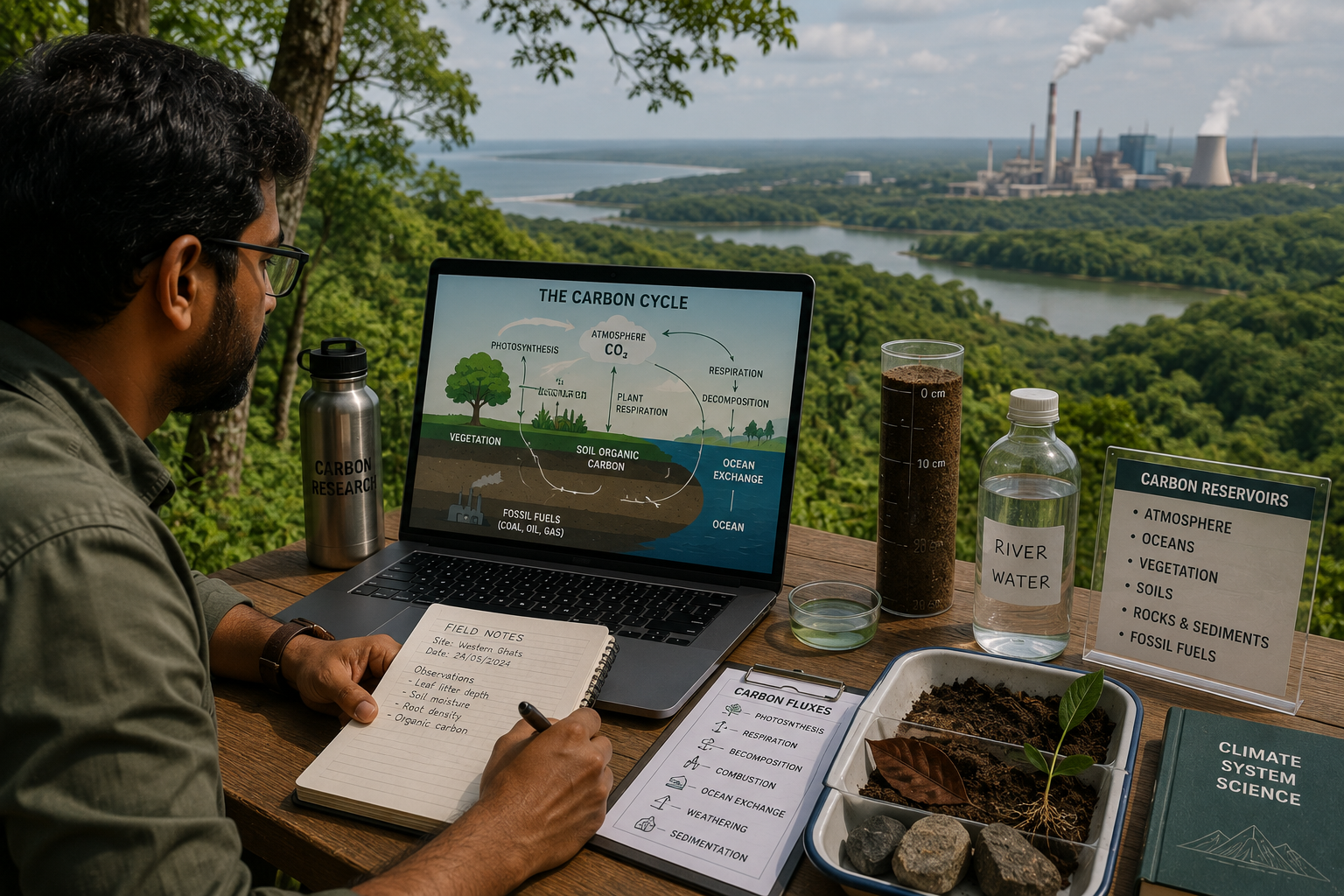
A deep evergreen explainer on the carbon cycle, showing how carbon moves through air, oceans, land, life and rocks, and how human activity disrupts it.
A clear evergreen explainer on carbon offsetting, how carbon credits work, when offsets help, and why integrity concerns such as additionality and permanence matter.
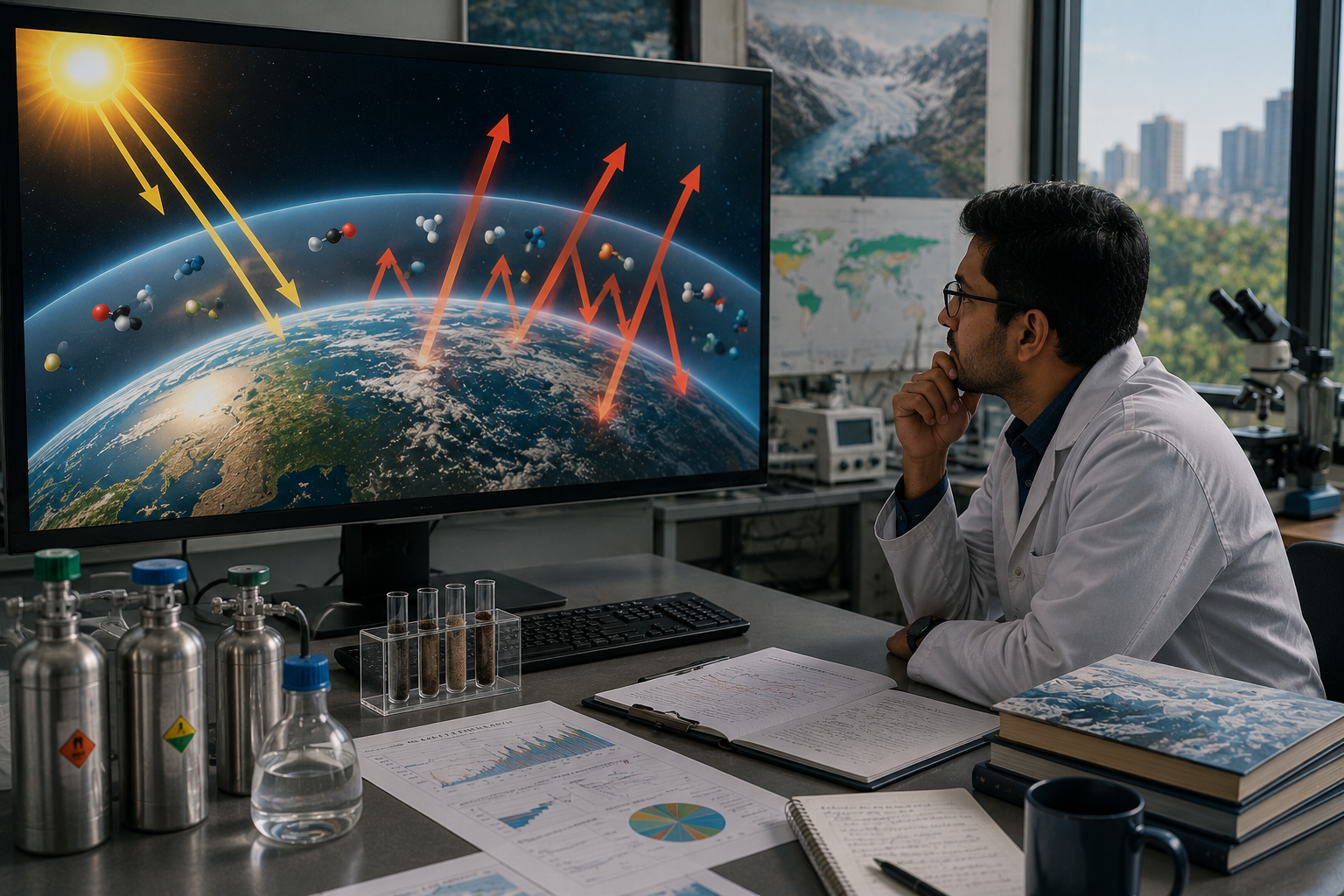
The greenhouse effect is Earth’s natural heat-retaining process, but human activity has intensified it by adding extra heat-trapping gases to the atmosphere.
Carbon dioxide is natural and essential to life, but excess CO₂ from fossil fuels disrupts Earth’s carbon balance and drives long-term climate warming.
A deep but accessible explainer on greenhouse gases, how they trap heat, where they come from, and why they matter for climate change.
Enjoying the reporting?
We noticed an ad blocker. Ads keep our journalism free — please consider allowing them, or subscribe to our newsletter instead.
We use cookies to keep you signed in and to understand how readers use the site. See our Privacy Policy.