The words culture and civilisation are often used as if they mean the same thing. People speak of Indian culture and Indian civilisation, Western culture and Western civilisation, ancient culture and ancient civilisation. In ordinary conversation, the difference may not seem important. But in social analysis, history and anthropology, the distinction matters. Culture explains how people create meaning; civilisation explains how societies develop complex structures of organised life.
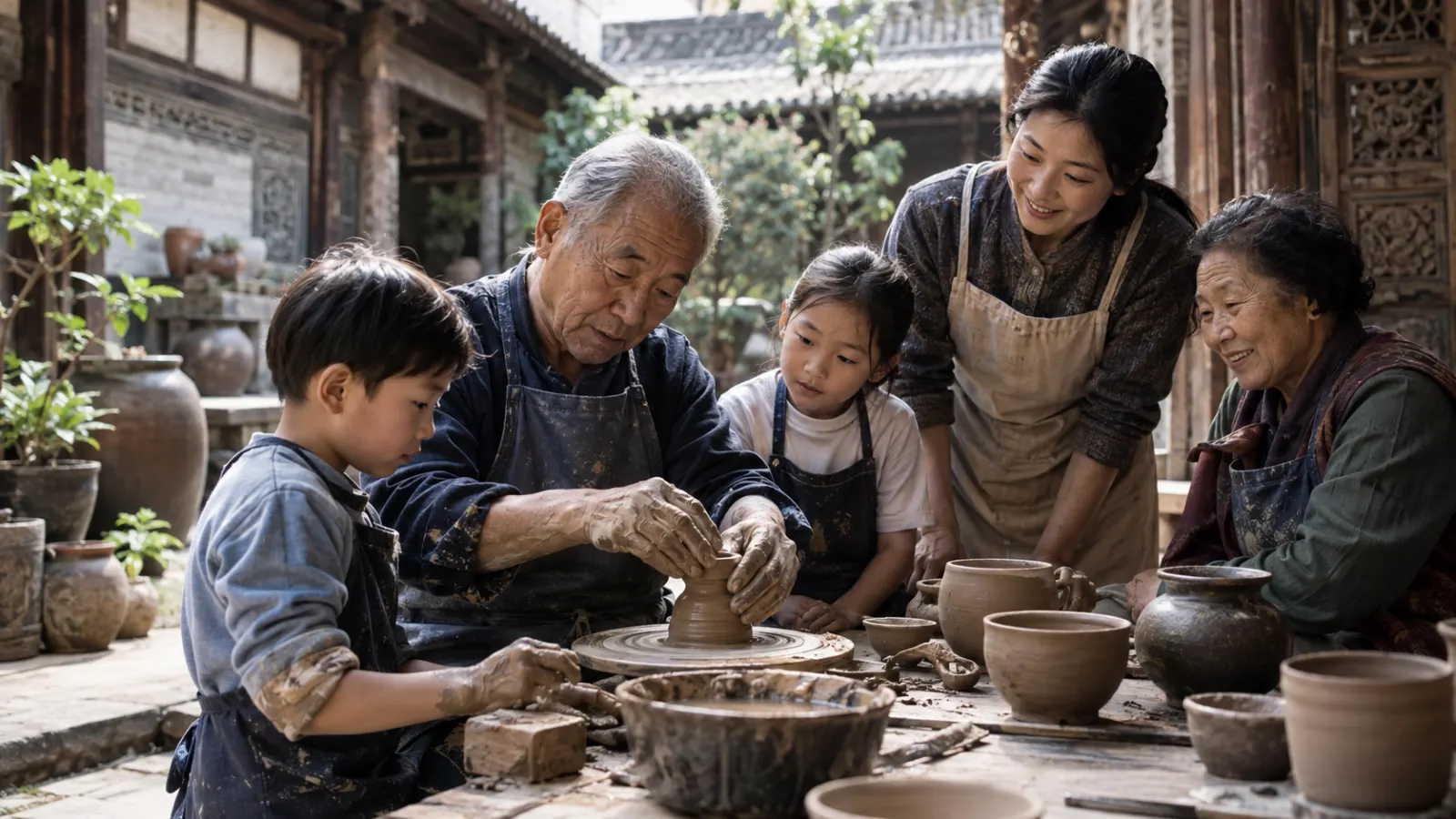
Culture is the wider and deeper term. It refers to the shared beliefs, values, customs, symbols, language, art, rituals, social norms and everyday practices of a group. Britannica describes culture as including language, ideas, beliefs, customs, codes, institutions, tools, techniques, art, rituals and ceremonies. UNESCO similarly treats culture as covering arts, lifestyles, value systems, traditions and beliefs.
Civilisation, by contrast, usually refers to a large and complex form of social organisation. It is associated with cities, agriculture, writing, law, administration, trade, architecture, technology, state formation, specialised occupations and institutional life. When historians speak of the Indus Valley Civilisation, Mesopotamian civilisation, Egyptian civilisation, Chinese civilisation or Greek civilisation, they are usually referring to societies that developed organised urban life, economic systems, political institutions and material achievements.
The simplest way to understand the difference is this: culture is the meaning system of a society; civilisation is the organised structure of a society. Culture asks, “What do people believe, value, express and practice?” Civilisation asks, “How is social life organised at scale?” Culture lives in songs, language, food, rituals, manners, myths, moral values and identity. Civilisation appears in cities, roads, scripts, laws, armies, markets, bureaucracy and public institutions.
This distinction can be seen in everyday life. A folk song is culture. A university that teaches musicology is part of civilisation. A family recipe is culture. An organised food supply chain is part of civilisation. A prayer is culture. A large temple complex with land grants, architectural rules and administrative staff belongs to civilisation. A storytelling tradition is culture. A writing system, archive and library network belong to civilisation. The two overlap constantly, but they are not identical.
Culture can exist without civilisation in the formal historical sense. Small tribal, pastoral or hunter-gatherer communities may have rich languages, myths, rituals, ecological knowledge, kinship systems and moral codes without having cities, writing or state institutions. To call such communities “uncivilised” in a superior or insulting sense is wrong. They may lack certain features of urban civilisation, but they do not lack culture. Every human society has culture.
This point is important because the word civilisation has often been misused. In colonial history, powerful empires used the language of “civilising” others to justify domination. They treated their own institutions, religion, dress, education and technology as superior, while dismissing other societies as backward. Such thinking confused civilisation with moral superiority. It assumed that more technology, more cities or more bureaucracy automatically meant a better society. That assumption is deeply flawed.
A civilisation can be technologically advanced and still unjust. It can have monuments and also slavery. It can have law codes and also inequality. It can have literature and also violence. It can build cities and destroy forests. Civilisation describes complexity; it does not automatically guarantee wisdom. Culture too can contain both beauty and oppression. Therefore, neither culture nor civilisation should be romanticised blindly.
Another major difference is that culture is often intimate, while civilisation is often institutional. Culture is learned in homes, streets, festivals, conversations, kitchens, songs, jokes and childhood memories. Civilisation is visible in administrative systems, roads, schools, courts, taxation, armies, markets and urban planning. Culture shapes the emotional life of people. Civilisation shapes the organisational life of society.
For example, marriage as a ritual belongs to culture. But marriage registration, inheritance law, property rights, family courts and legal age regulations belong to civilisation. The cultural side gives marriage meaning: sacred bond, family honour, companionship, alliance or social duty. The civilisational side gives it institutional form: documentation, rights, obligations and legal recognition. A society needs both meaning and structure, but they operate differently.
Culture is usually more flexible and diffused. It spreads through imitation, memory, teaching and social participation. Civilisation depends more heavily on infrastructure and institutions. A language can survive in memory even if a state collapses. A song can travel with migrants. A food tradition can continue in diaspora kitchens. But a drainage system, legal bureaucracy or palace economy requires organised maintenance. Civilisations can collapse as political and urban systems, while cultural elements survive long after.
This is why ancient civilisations often leave behind cultural inheritances. The Roman Empire declined as a political structure, but Latin, Roman law, architecture, Christianity’s later institutional history and classical learning influenced later societies. The Indus Valley Civilisation’s urban system declined, but debates continue about the survival and transformation of cultural practices across later South Asian history. Civilisation may fall, but culture may mutate, migrate or be absorbed.
The relationship between culture and civilisation is therefore dynamic. Culture gives civilisation its soul; civilisation gives culture scale and institutional memory. Without culture, civilisation becomes mechanical: roads, buildings and laws without meaning. Without civilisation, culture may remain local and fragile, though not inferior. When cultural creativity meets organised institutions, societies can produce literature, universities, temples, museums, archives, theatre traditions, legal systems and scientific communities.
Writing is a good example. Language is culture, but writing systems are often markers of civilisation because they allow administration, taxation, literature, law, record-keeping and long-distance communication. Yet writing also transforms culture. Oral stories become epics, laws become texts, rituals become manuals and memory becomes archive. The invention of writing does not create culture from nothing, but it changes how culture is preserved and transmitted.
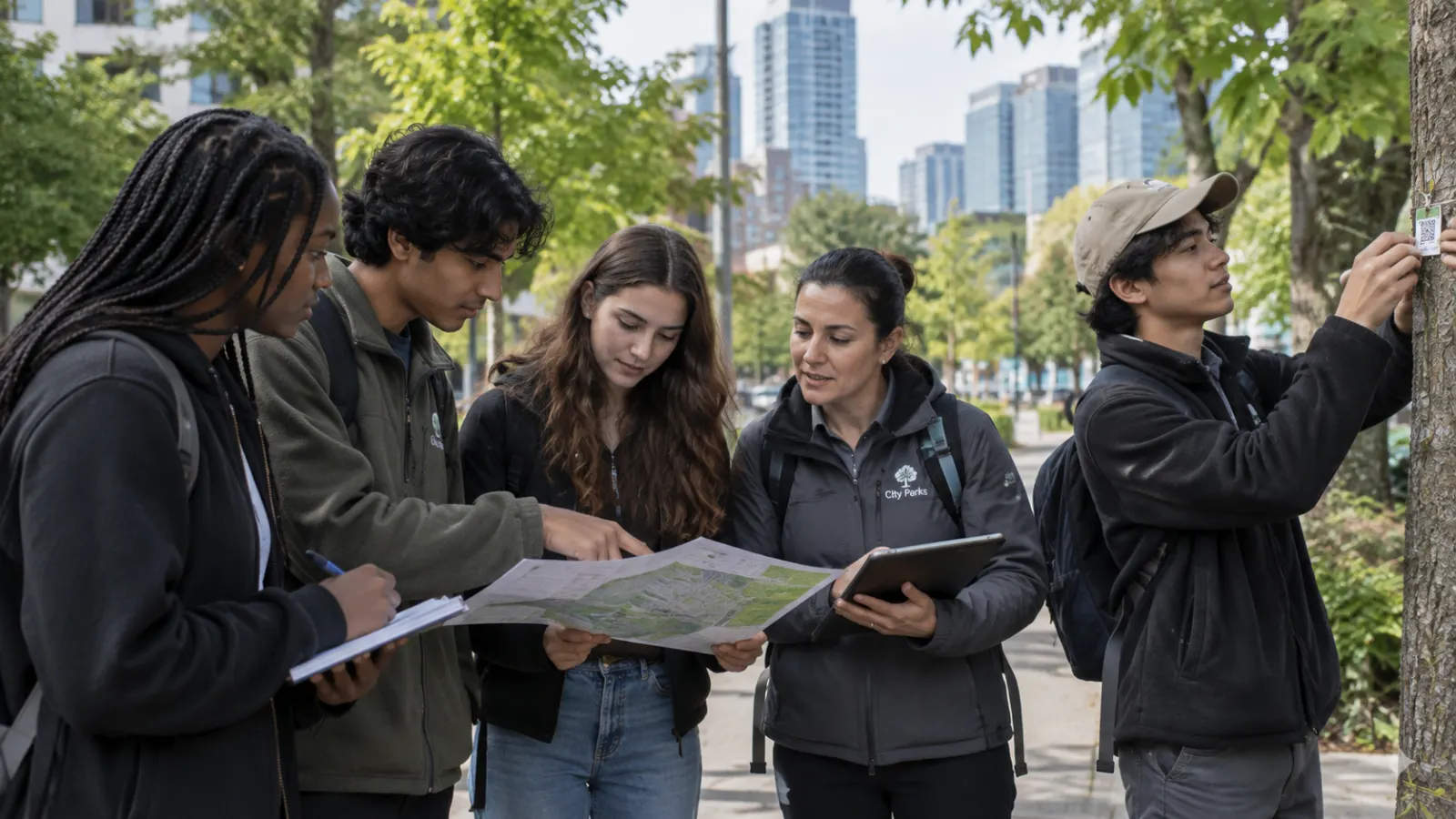
Cities offer another example. Urbanisation is a civilisational feature, but cities create new cultures. A city brings strangers together. It produces markets, neighbourhoods, professions, class divisions, public entertainment, street food, slang and cosmopolitan identities. The city is infrastructure, but city life is culture. Civilisation builds the city; culture fills it with meaning.
Technology also shows the overlap. Tools and techniques are part of culture in the broad anthropological sense, as Britannica’s definition includes tools and techniques within culture. But when technologies become organised into large systems — transport networks, irrigation, printing, digital platforms, industrial production — they become civilisational forces. A smartphone is a technological product of civilisation, but the way people use it for selfies, memes, family groups, dating, activism or religious content becomes culture.
One common misconception is that culture is “soft” and civilisation is “hard.” In this view, culture means dance and food, while civilisation means roads and machines. This is too simple. Culture can be powerful enough to shape law, politics and economy. Ideas of honour, purity, gender, hierarchy, hospitality, shame, individualism and community can influence elections, business behaviour, education, marriage and public policy. Culture may be intangible, but it is not weak.
Another misconception is that civilisation is always progressive. Civilisations do develop impressive achievements, but they also create new forms of control. Large states can organise welfare, but also surveillance. Cities can encourage creativity, but also inequality. Markets can create prosperity, but also exploitation. Bureaucracies can deliver services, but also dehumanise citizens. Civilisation increases scale; it does not automatically solve moral problems.
The culture-civilisation distinction is also useful in understanding modern globalisation. Today, many societies share elements of global civilisation: airports, universities, banking systems, digital networks, international law, scientific institutions, corporations and mass media. Yet cultural differences remain strong. People may use the same smartphones but speak different languages, follow different family norms, eat different foods, worship differently and interpret freedom, respect or success in different ways.
This creates both convergence and diversity. On the civilisational level, societies may become more similar through technology, infrastructure and institutions. On the cultural level, they may preserve distinct identities or even revive them more strongly in response to global pressure. A young person may wear global fashion, use English for work, watch Korean dramas, follow Indian festivals, eat regional food and hold family values shaped by local tradition. Civilisation connects; culture differentiates.
UNESCO’s Universal Declaration on Cultural Diversity treats cultural diversity as a common heritage of humanity, highlighting the value of plurality in human life. This is relevant because modern civilisation can sometimes standardise life. Shopping malls, airports, social media platforms and corporate offices look increasingly similar across the world. Cultural diversity reminds us that human progress should not mean making every society identical.
Civilisation also often becomes visible through material remains: ruins, buildings, tools, roads, coins, inscriptions, statues and planned cities. Culture may leave material traces too, but much of it is intangible: memory, performance, oral tradition, social etiquette, values and symbolic meanings. UNESCO’s work on intangible cultural heritage emphasises living practices, expressions, knowledge and skills recognised by communities and transmitted across generations. This shows that heritage is not only stone monuments; it also includes living practices.
The difference between culture and civilisation becomes especially important in education. If students learn only about civilisation, they may memorise dates, dynasties, buildings and inventions while missing how people lived, believed, celebrated, feared and imagined. If they learn only about culture, they may miss the institutions and material systems that made large-scale social life possible. A complete understanding of history needs both: the structures societies built and the meanings people lived by.
The distinction also helps avoid arrogance. A society may be materially advanced but culturally confused. Another may be materially modest but culturally rich. A country may have excellent infrastructure but weak social trust. A village may lack urban amenities but possess strong community memory and ecological wisdom. The aim should not be to rank societies crudely, but to understand different dimensions of human life.
In modern public debate, people often say “our civilisation is under threat” when they mean culture, religion, values or identity. Sometimes they say “culture is declining” when they mean institutions are changing. Clarity matters. If a language is disappearing, that is a cultural issue. If public libraries are collapsing, that is a civilisational and institutional issue. If family structures are changing, both culture and civilisation are involved. If urbanisation is reshaping festivals, again both are involved.
There is also a moral question hidden in the distinction. Civilisation can expand human capacity, but culture decides how that capacity is used. A society may build advanced communication networks, but its culture determines whether those networks spread education, propaganda, empathy or hatred. A state may create strong legal institutions, but cultural attitudes determine whether ordinary citizens trust those institutions. A civilisation may create the tools of power, but culture shapes the ethics of power.
The future will probably make the relationship even more complex. Artificial intelligence, biotechnology, climate change, migration and digital economies are civilisational forces because they alter systems of work, governance, health, communication and survival. But their impact will be interpreted through culture: ideas of privacy, dignity, family, faith, inequality, human identity and collective responsibility. The same technology can be accepted, resisted or modified differently across cultures.
In the end, culture and civilisation are closely connected but analytically distinct. Culture gives meaning to life; civilisation organises life at scale. Culture is learned, shared and symbolic. Civilisation is structured, institutional and material. Culture may exist in every human group. Civilisation refers to complex social formations with developed systems of organisation. Culture can survive the fall of civilisations. Civilisation can spread while cultures remain different.
To understand human society deeply, we need both concepts. Civilisation tells us what people built. Culture tells us what those things meant. Civilisation shows the city; culture explains the songs sung in its streets. Civilisation records the law; culture explains why people obey, resist or reinterpret it. Civilisation creates the archive; culture gives memory its emotional force.
The most balanced view is this: civilisation is the body of organised social life, while culture is its mind, memory and meaning. A society without culture is impossible. A civilisation without humane culture is dangerous. The task of every generation is not merely to build more advanced systems, but to ensure that those systems serve meaningful, diverse and dignified human life.