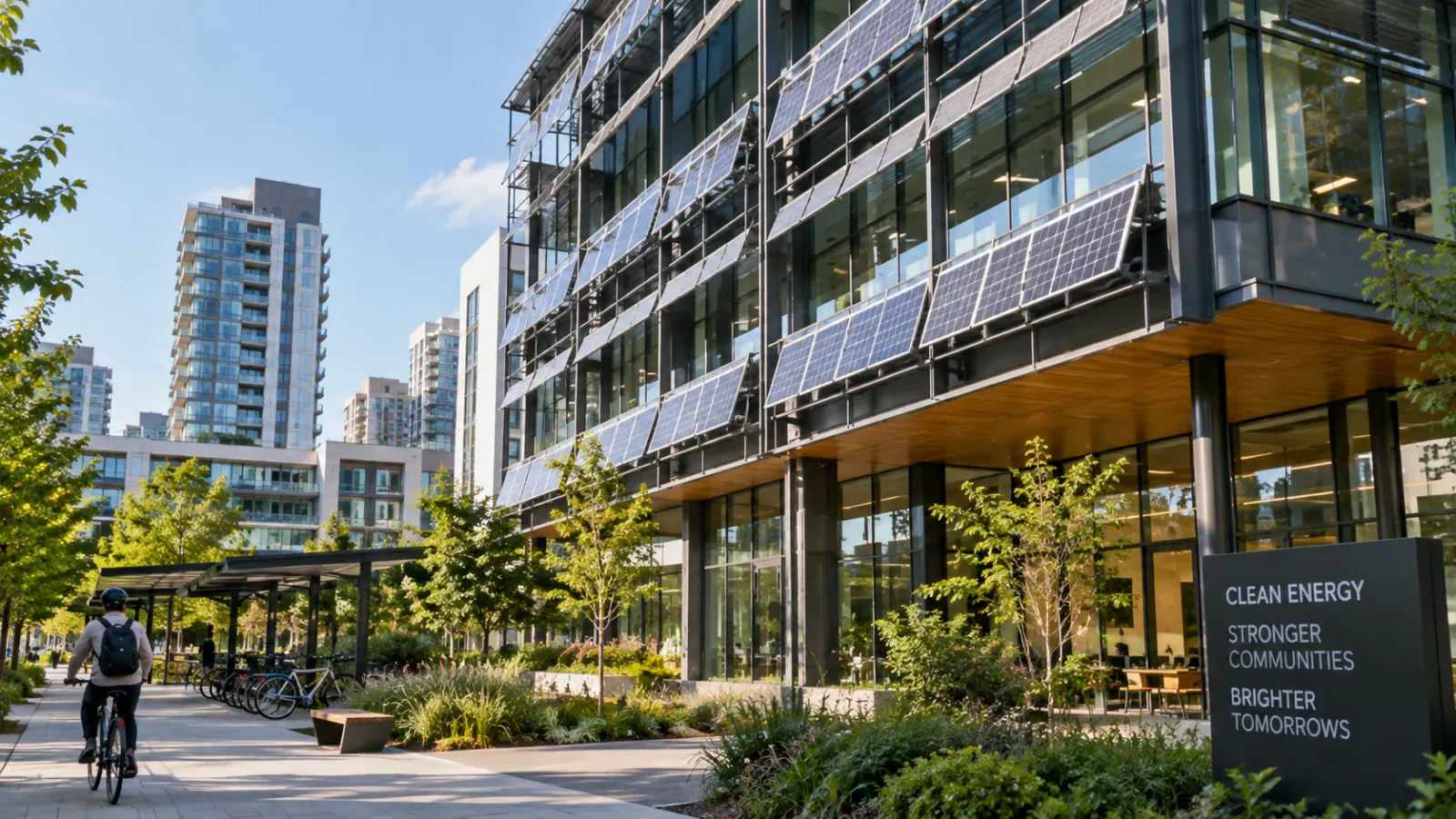
Energy conservation reduces unnecessary energy use while preserving useful services. Learn how it lowers costs, strengthens energy security and supports cleaner energy systems.
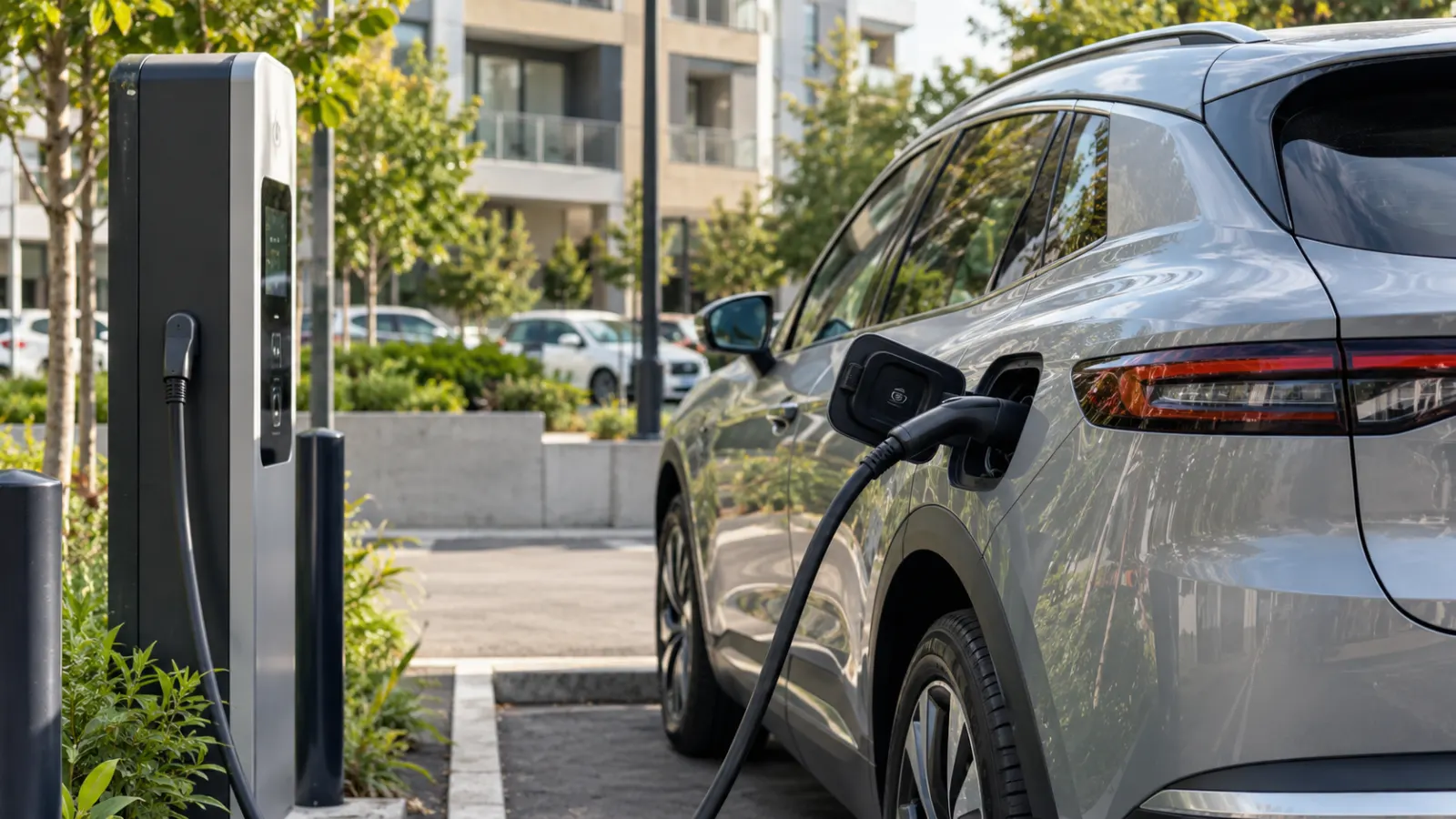
Electric vehicles use energy far more efficiently than combustion cars. Learn how EVs work, their benefits, charging, range, battery impacts and real environmental advantages.
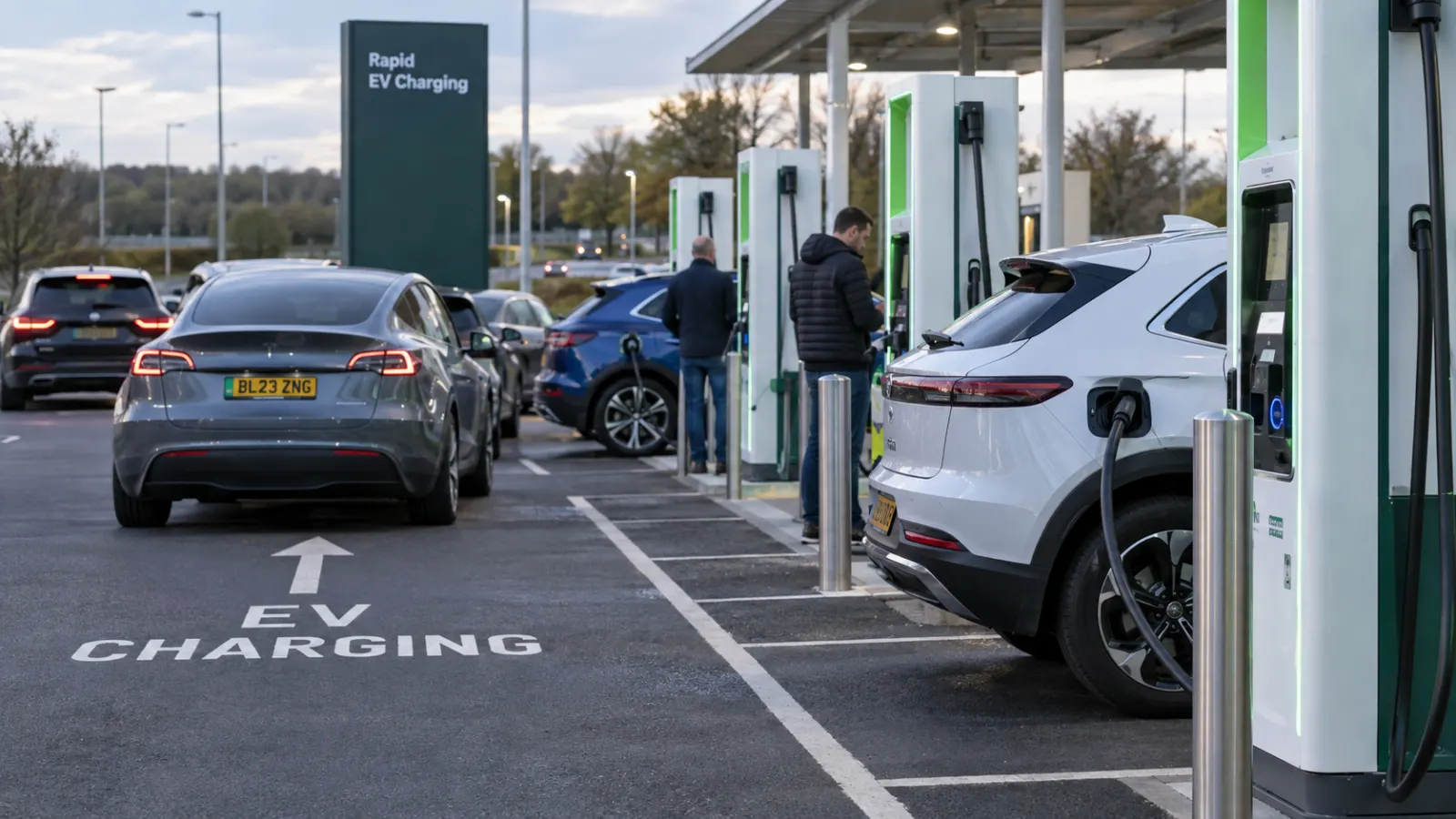
Challenges of electric cars include affordability, charging access, battery supply chains, recycling and local grid capacity. See what still needs to improve as EV adoption grows.
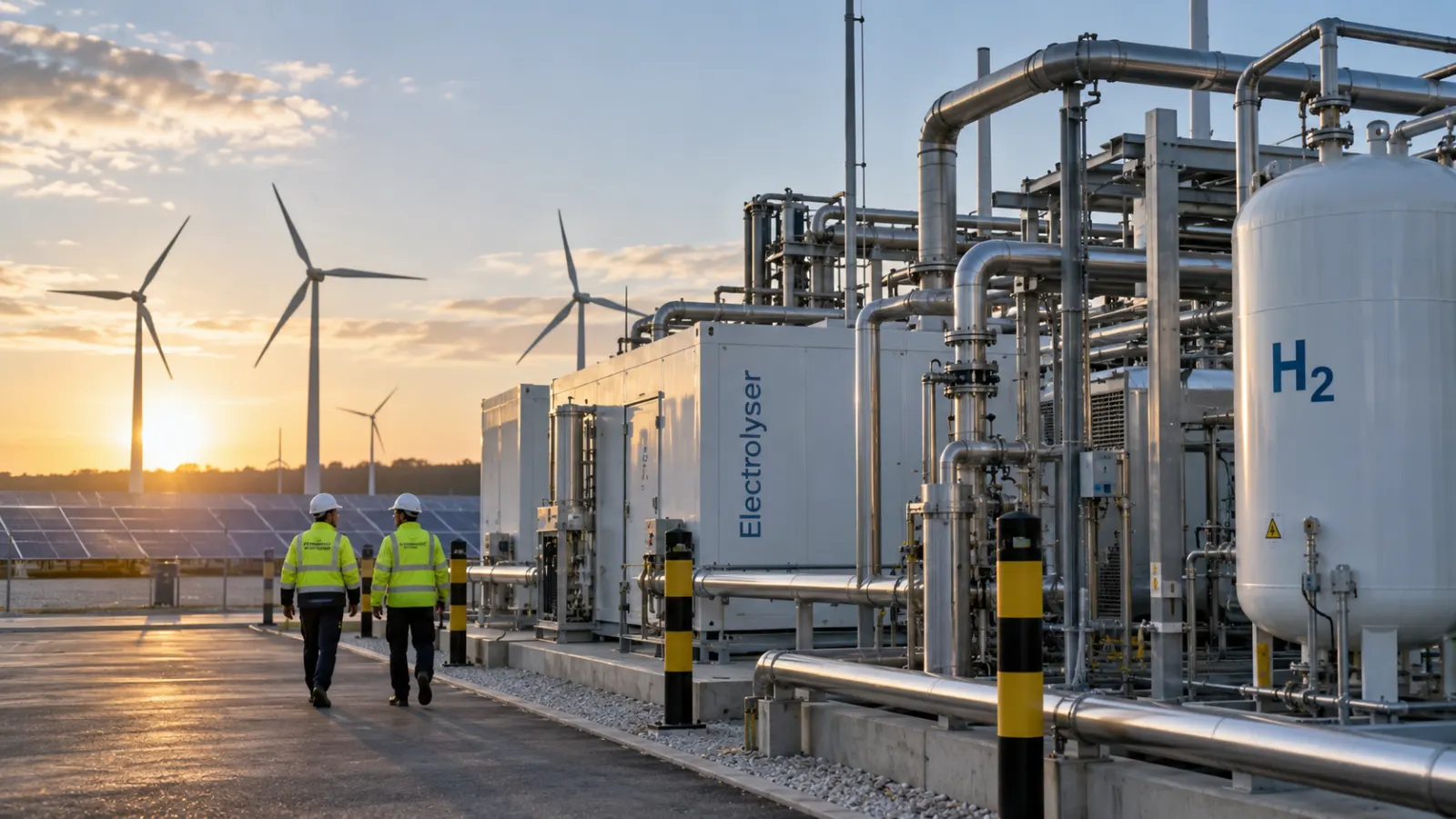
Green hydrogen uses renewable electricity to produce hydrogen through electrolysis. Learn where it can cut emissions, why costs remain high and where direct electrification works…
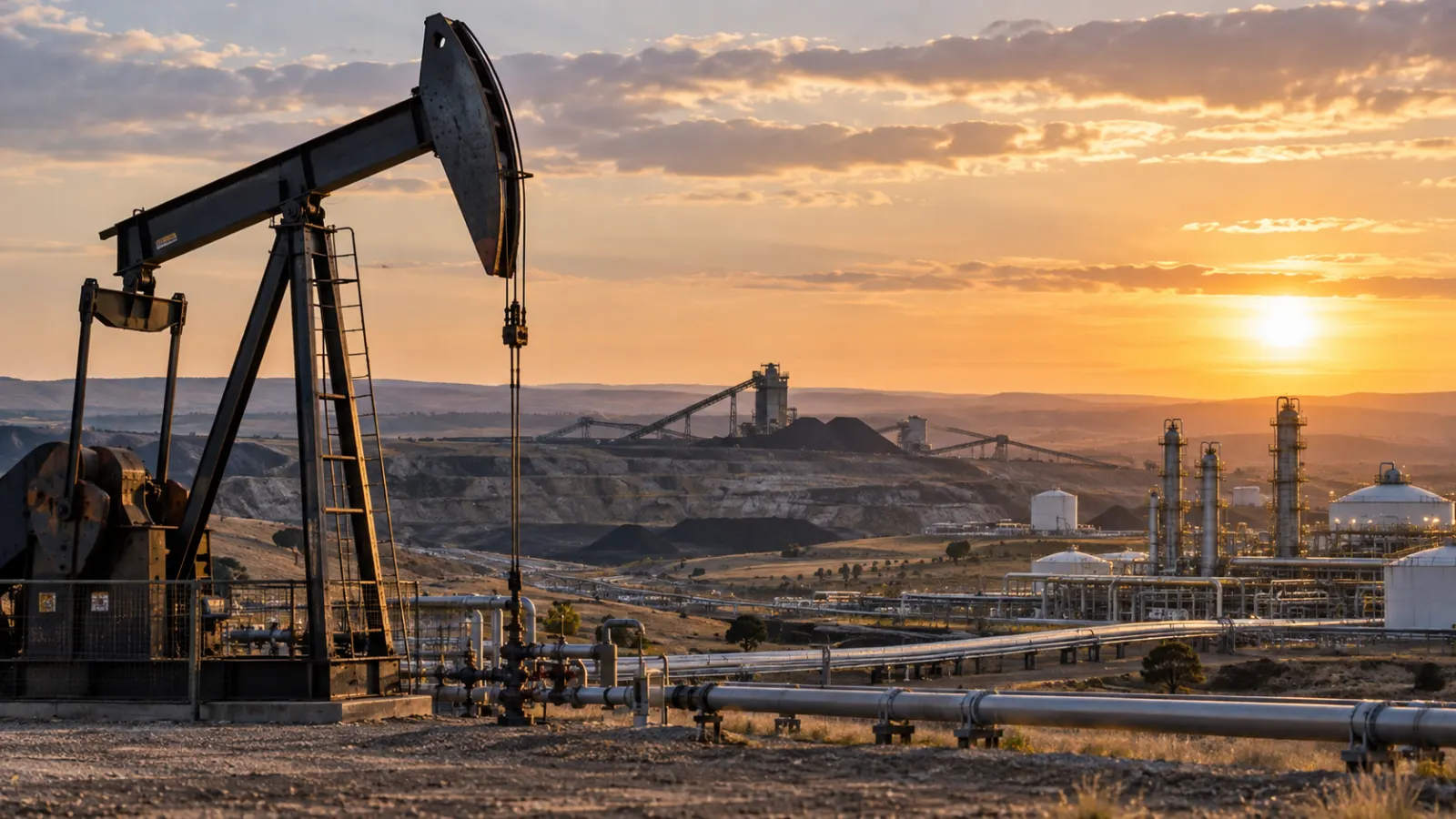
Will fossil fuels run out? Coal, oil and gas are finite, but reserves, technology, prices, demand and climate policy determine how much humanity will actually use.
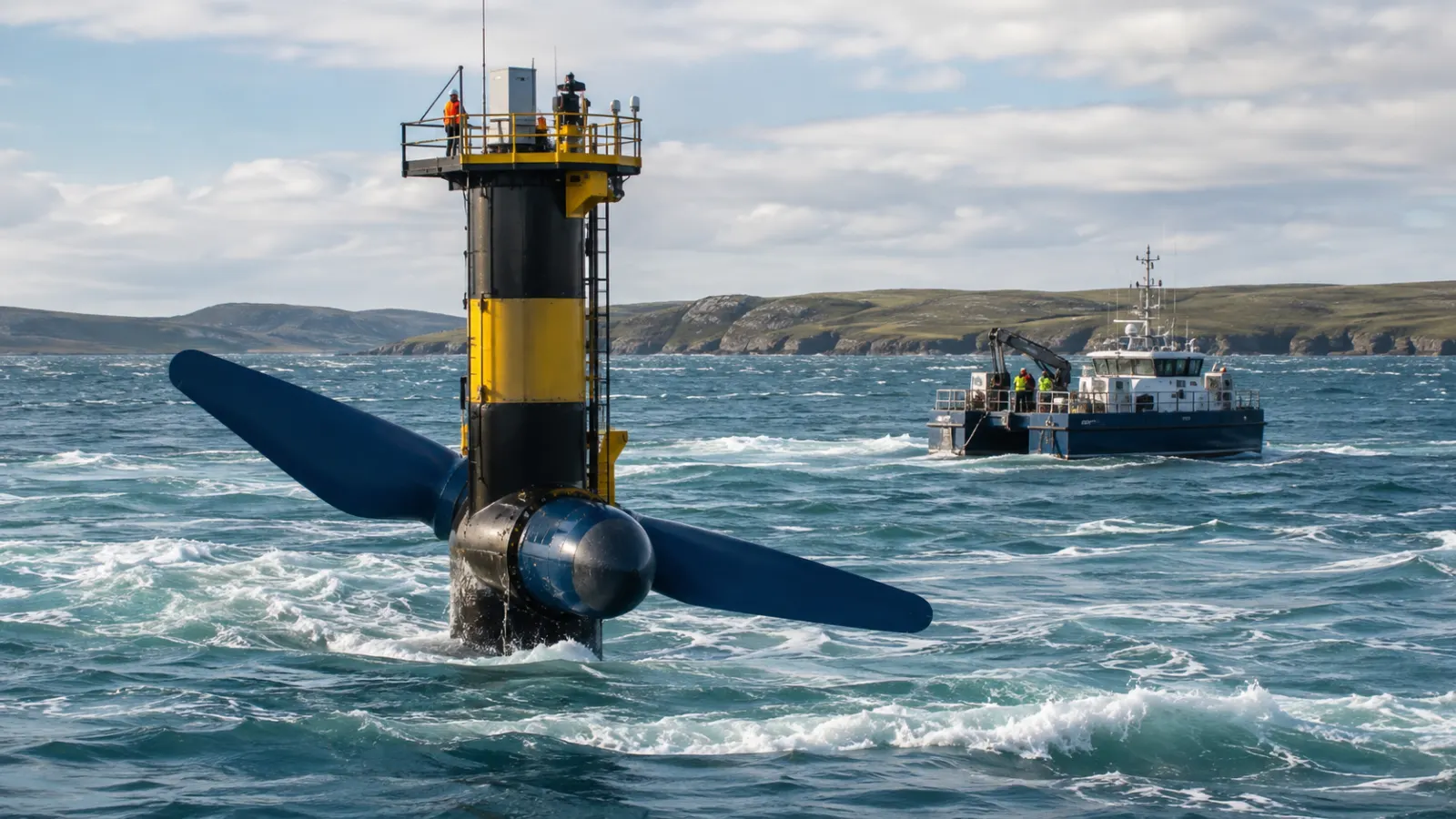
Tidal and wave energy capture the movement of oceans to generate power. Learn how the technologies work, where they can be used and why reliability remains their biggest challenge.
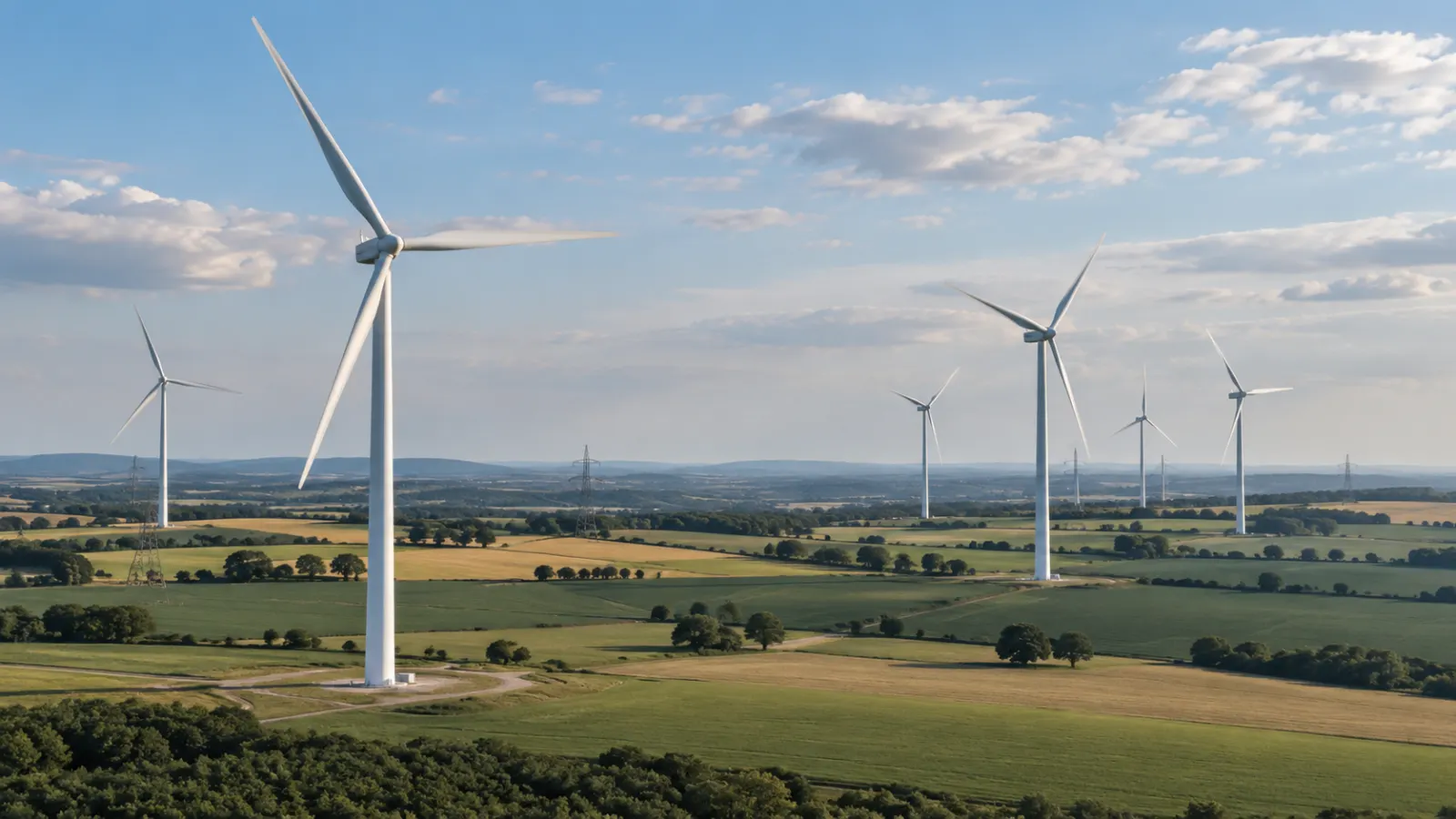
Wind energy turns moving air into electricity. Learn how turbines work, what wind power costs and its main benefits, limits and impacts.
Enjoying the reporting?
We noticed an ad blocker. Ads keep our journalism free — please consider allowing them, or subscribe to our newsletter instead.
We use cookies to keep you signed in and to understand how readers use the site. See our Privacy Policy.