Delhi-NCR GRAP-1 Restrictions Begin as AQI Reaches 244
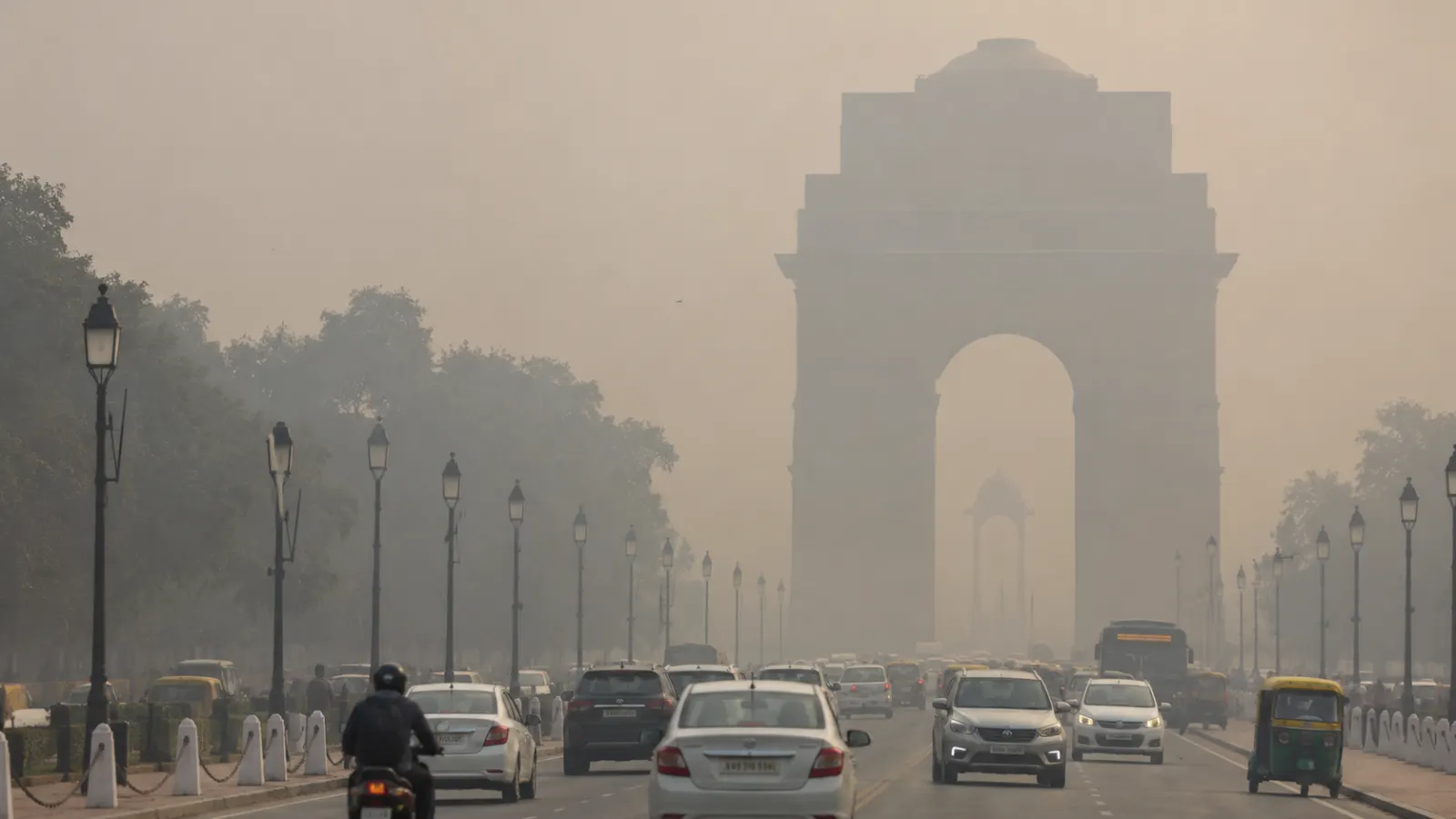
Delhi-NCR GRAP-1 restrictions came into effect on Wednesday, October 21, 2026, after a sharp deterioration in air quality pushed the national capital into the 'poor' category. The Commission for Air Quality Management (CAQM) ordered the immediate implementation of Stage I of the Graded Response Action Plan across the National Capital Region, marking the first activation of the seasonal pollution-control measures this autumn.
Delhi's Air Quality Index (AQI) climbed to 244 at 2 pm on Wednesday, compared with 179 on October 20. The increase of 65 points within a day has raised concerns about deteriorating air quality as the capital approaches its winter pollution season. Authorities have warned that pollution levels could remain elevated over the coming days, making immediate preventive measures necessary.
Why GRAP-1 Has Been Imposed in Delhi-NCR
The Graded Response Action Plan is a pollution-control framework designed to introduce progressively stronger restrictions as air quality deteriorates. Stage I applies when Delhi's AQI reaches the 'poor' category, generally between 201 and 300, or when forecasts indicate that such conditions are likely.
Following a review of pollution levels and meteorological forecasts, the CAQM directed implementing agencies to enforce Stage I measures immediately. The restrictions extend beyond Delhi to NCR districts in Haryana, Uttar Pradesh and Rajasthan.
Weather conditions are expected to remain a significant concern. During the transition to winter, lower wind speeds, changing atmospheric conditions and reduced dispersal of pollutants can cause emissions from vehicles, construction activities, industries and other sources to accumulate closer to the ground.
The authorities will continue monitoring air quality and weather forecasts to determine whether additional restrictions are required.
What Restrictions Apply Under GRAP-1?
Under the revised GRAP framework approved in September 2026, Stage I contains 25 pollution-control actions targeting major sources of emissions and dust.
Municipal bodies, pollution-control agencies and other authorities are required to strengthen enforcement across the region. The principal measures include:
-
Construction dust control: Stricter enforcement of dust-prevention requirements at construction and demolition sites, including applicable registration and monitoring obligations.
-
Road dust reduction: Increased mechanised road sweeping, water sprinkling and proper disposal of collected dust.
-
Waste management: Regular collection of municipal and construction waste, with action against illegal dumping and open waste burning.
-
Vehicle pollution checks: Greater scrutiny of visibly polluting vehicles, traffic management and enforcement of emission-control requirements.
-
Industrial compliance: Stronger monitoring of industries and other pollution-generating activities.
-
Transport and generator controls: Implementation of the revised Stage I provisions covering specified bus categories and diesel generator operations.
The September 2026 revision moved certain bus-entry and diesel-generator requirements from Stage II to Stage I, allowing authorities to intervene earlier during episodes of deteriorating air quality.
Violations of applicable environmental regulations can attract penalties and other enforcement measures.
Are Schools, Private Cars and Construction Activities Banned?
The implementation of GRAP-1 does not automatically mean that schools must close, private cars are prohibited or all construction activities must stop.
Stage I primarily focuses on preventive controls, regulatory compliance and reducing pollution at its sources. Construction may continue where permitted, provided the applicable dust-control and environmental requirements are met. Certain non-compliant construction projects can, however, face restrictions.
Similarly, GRAP-1 does not impose a blanket ban on private petrol and diesel cars. More extensive vehicle restrictions are generally associated with higher GRAP stages, although separate standing transport rules and government orders may still apply.
Residents should distinguish between restrictions activated immediately under GRAP-1 and additional measures announced separately under Delhi's winter pollution-control programme.
Health Risks as Delhi's Air Quality Deteriorates
An AQI of 244 falls within India's 'poor' air-quality category, indicating pollution levels that can cause breathing discomfort during prolonged exposure, particularly among people with existing respiratory or cardiovascular conditions.
Children, older adults, pregnant women and people with asthma or other respiratory illnesses may be especially vulnerable to worsening air quality.
Residents can reduce their exposure by limiting prolonged outdoor exertion when pollution is elevated, avoiding heavily congested roads where practical and keeping indoor spaces free from smoke and other avoidable pollution sources. A properly fitted N95 mask may help reduce exposure to airborne particulate pollution in situations where outdoor exposure cannot be avoided.
Anyone experiencing persistent breathing difficulties, chest pain or significant respiratory symptoms should seek appropriate medical attention.
What Happens if Delhi's AQI Rises Further?
GRAP operates through four stages linked to worsening air-quality conditions:
-
Stage I – Poor: AQI 201–300
-
Stage II – Very Poor: AQI 301–400
-
Stage III – Severe: AQI 401–450
-
Stage IV – Severe Plus: AQI above 450
The framework also allows authorities to introduce measures in advance when forecasts indicate sustained deterioration, rather than waiting for pollution to cross a numerical threshold.
If air quality worsens, authorities may introduce progressively stricter restrictions affecting construction activities, vehicles and other pollution-generating operations.
The decision to activate Stage I on October 21 underscores the growing pressure on Delhi-NCR to control pollution before conditions become more severe.
For now, the immediate priority is enforcing existing environmental regulations, reducing dust and vehicular emissions, and preventing the region's air quality from deteriorating further.
The coming days will be critical in determining whether GRAP-1 measures are sufficient or whether Delhi-NCR will need stronger pollution restrictions as winter approaches.