₹5.84 Crore Gold Smuggling Racket Busted; Five Arrested Near Vijayawada
The Directorate of Revenue Intelligence (DRI) has arrested five people and seized gold and foreign currency valued at approximately ₹5.84 crore in a coordinated operation near Vijayawada, Andhra Pradesh. The accused were allegedly involved in an international smuggling network that brought gold into India from Bangladesh through Kolkata and transported it towards Hyderabad.
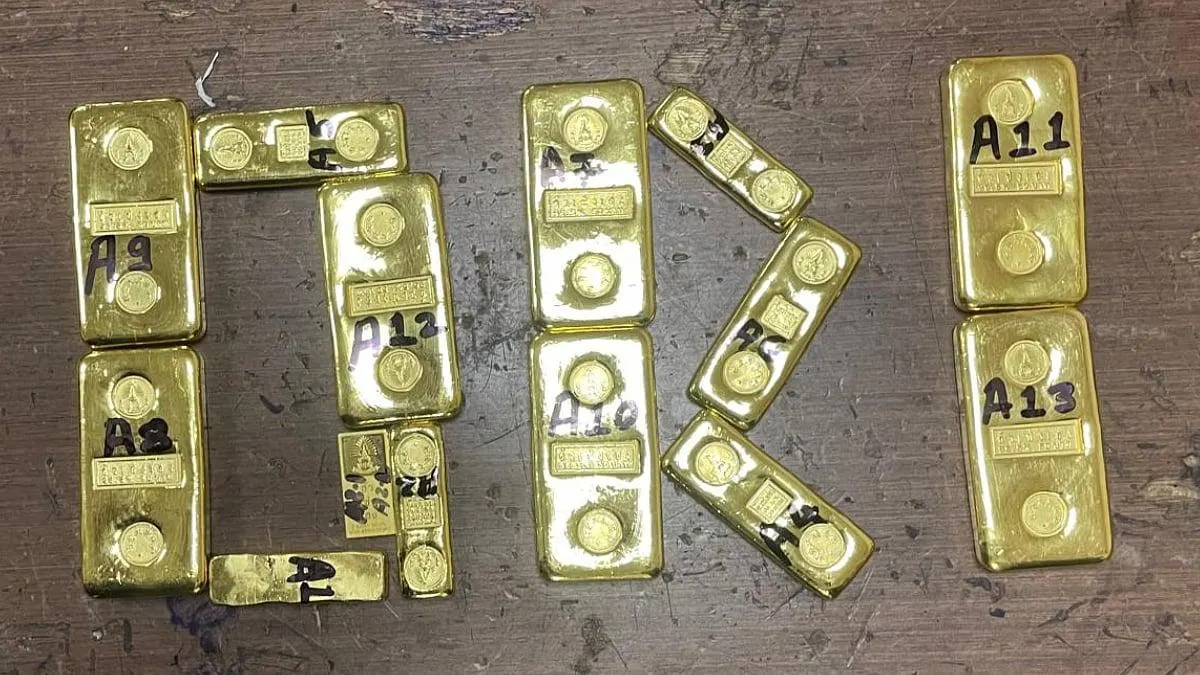
The operation, conducted on October 18 and reported on October 21, 2026, resulted in the recovery of 3,147.1 grams of foreign-origin gold, US $60,000 and €21,500. Investigators discovered foreign currency concealed inside a specially constructed compartment of a vehicle, while three gold bars were recovered from passengers travelling on a public bus.
All five suspects have been produced before a magistrate and remanded to judicial custody. Investigators are now attempting to identify other individuals involved in the suspected smuggling network.
Secret compartment in Scorpio vehicle exposes suspected racket
The investigation began after intelligence officers received information about an organised network allegedly transporting foreign-origin gold from Bangladesh to Hyderabad through Kolkata. The Hyderabad Zonal Unit and Vijayawada Regional Unit of the DRI subsequently launched a coordinated operation to intercept the suspected carriers.
Officers first stopped a Scorpio vehicle on the outskirts of Vijayawada. During a search, they discovered a hidden cavity containing foreign currency. The compartment appeared to have been specially designed to conceal valuables during transportation.
Two people travelling in the vehicle were questioned about the currency. According to investigators, they disclosed that they had delivered smuggled gold on the outskirts of Vijayawada and that the foreign currency represented proceeds from its sale.
The information led officers to identify three additional suspects who were travelling towards Hyderabad on a public transport bus. Investigators intercepted the bus at a toll plaza and searched the passengers.
During the inspection, officers discovered three foreign-origin gold bars weighing a combined 3,147.1 grams. The bars had allegedly been concealed inside pouches tied around the suspects' waists to avoid detection.
The operation resulted in the seizure of both the gold and the foreign currency, with the combined estimated value reaching ₹5.84 crore.
Gold allegedly entered India through Bangladesh
The suspected smuggling route has become a significant focus of the investigation. Authorities believe the gold originated outside India and was brought across the Bangladesh border before being transported through Kolkata towards southern markets.
The alleged network appears to have involved multiple individuals responsible for moving gold, arranging its delivery and carrying money generated from its sale. Investigators are examining whether the five arrested suspects were operating independently or as part of a larger organisation.
The recovery of dollars and euros has also raised questions about the financial arrangements behind the suspected racket. The seized foreign currency included US $60,000 and €21,500, which investigators believe were associated with transactions involving smuggled gold.
However, the agency has not publicly established the complete source of the money, the identity of the alleged organisers or the full extent of the network's operations.
The case highlights how suspected smuggling operations can involve several transportation methods, with vehicles used to conceal currency and public buses used to move valuable commodities between cities.
Why gold smuggling remains a major enforcement concern
Gold smuggling remains a persistent challenge for Indian customs and intelligence agencies because of the country's substantial demand for the precious metal. Illegal imports can enable operators to evade applicable customs duties and circumvent trade regulations, undermining legitimate import channels.
Smuggling networks may exploit differences in international gold prices, taxation and import restrictions to make illicit transactions commercially attractive. The use of concealed compartments, couriers and multiple transit points can make such activities difficult to detect.
For enforcement agencies, identifying the people who transport gold is only one part of the investigation. Establishing who finances the purchases, coordinates delivery, receives the metal and manages the proceeds is often essential to understanding the wider operation.
In this case, investigators will need to determine whether the seized consignment was part of a repeated smuggling arrangement and whether additional shipments followed similar routes.
The involvement of alleged carriers travelling separately with gold and foreign currency may provide investigators with leads about how the suspected network organised its movements. Nevertheless, the precise responsibilities of each accused person remain subject to investigation.
Five remanded to judicial custody as investigation continues
Following the seizures, DRI officers arrested all five individuals for their alleged involvement in procuring and transporting smuggled gold and its suspected sale proceeds.
The accused were presented before the jurisdictional magistrate and remanded to judicial custody. Their arrests do not establish guilt, and the allegations will be examined through the legal process.
Investigators are continuing to trace the suspected cross-border supply chain, identify other participants and determine whether additional gold or money was moved through the same network.
The ₹5.84 crore seizure represents a significant enforcement action involving multiple locations and coordinated intelligence operations. It also illustrates the challenges authorities face in tracking illegal precious-metal transactions across state and international borders.
For now, five suspects remain in judicial custody, while investigators pursue the wider network believed to have facilitated the movement of gold from Bangladesh through Kolkata towards Hyderabad.