Poland Busts $86 Million Money-Laundering Network; Nine Arrested
Polish authorities have arrested nine people suspected of operating an international money-laundering network that allegedly processed more than 337 million Polish zlotys, approximately $86 million, through currency exchanges, fictitious gold purchases and cryptocurrency transactions. Investigators believe the operation helped conceal money obtained through online investment scams and other forms of financial fraud.
The suspects include eight Ukrainian nationals and one Belarusian woman. According to Polish investigators, the alleged network operated between February 2025 and July 2026, using a sophisticated system of cash couriers, currency-exchange businesses and international financial transfers to disguise the origins of illegally obtained funds.
Details of the operation were announced on October 19, 2026, and attracted wider international attention on October 21. Seven suspects have been placed in pretrial detention, while two others face restrictions, including financial guarantees, police supervision and bans on leaving Poland.
How the alleged $86 million money-laundering network operated
The investigation uncovered a suspected financial network operating across several Polish cities, including Warsaw, Łódź, Lublin, Wrocław, Katowice and Gdańsk. Authorities believe its members had specific responsibilities for collecting, transporting, exchanging and transferring money obtained through fraudulent activities.
A 34-year-old Ukrainian national is suspected of leading the operation. Investigators allege that he coordinated the domestic and international movement of funds and oversaw transactions designed to conceal their criminal origins.
The network reportedly obtained money from victims of internet scams, including fraudulent investment opportunities, cryptocurrency-related schemes and criminals impersonating bank employees or investment-platform representatives.
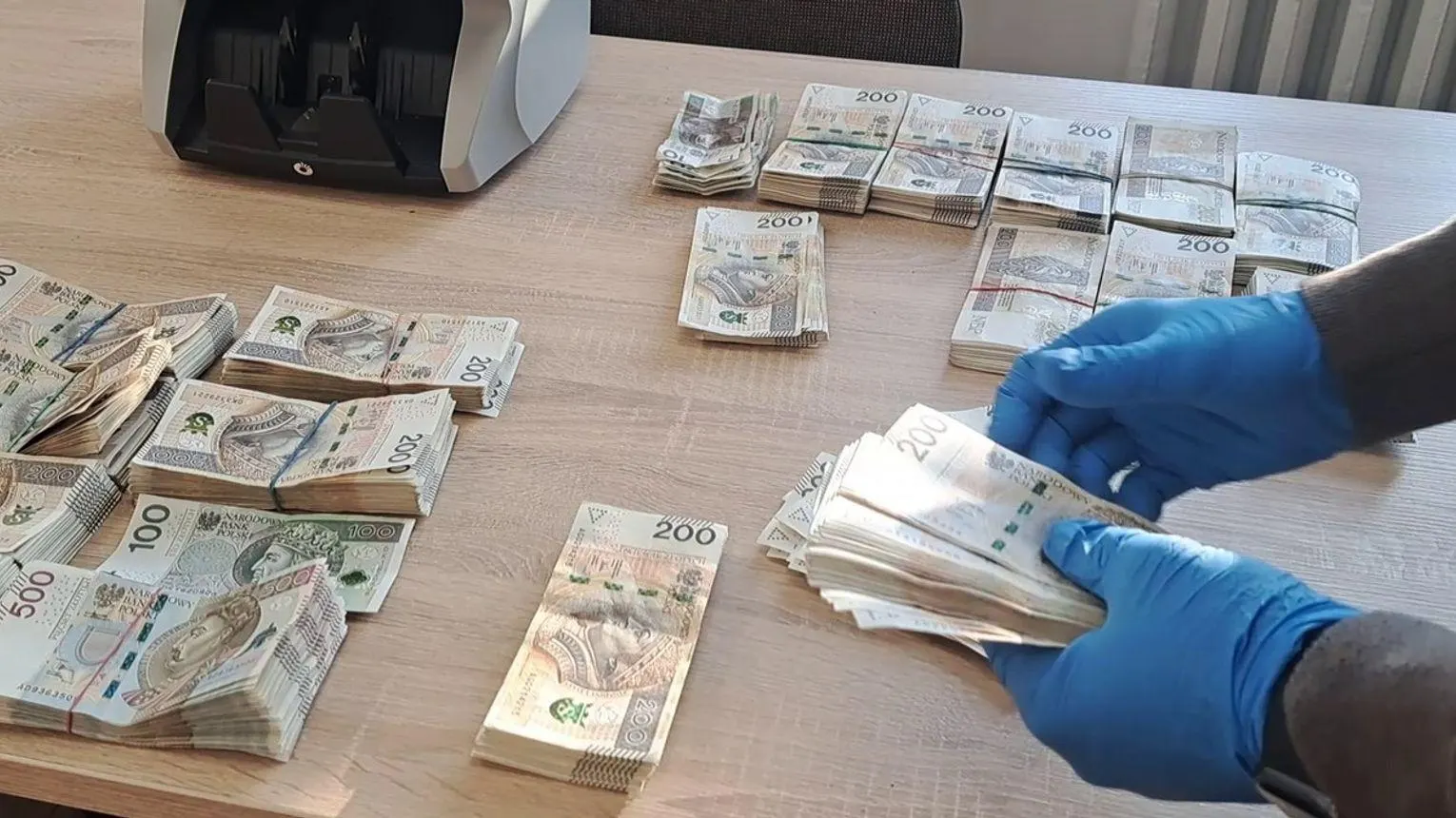
Once the money entered the suspected network, couriers transported it to designated locations. Investigators say some couriers used luxury vehicles, including cars fitted with specially constructed concealed compartments, to move large quantities of cash.
One particularly unusual feature of the operation involved torn banknotes. Couriers and their contacts allegedly used photographs showing the serial numbers of banknotes torn in half as an identification mechanism. The system helped participants recognise one another without relying on conventional identification documents.
After the couriers arrived at designated currency exchanges, employees and transporters reportedly received matching verification codes on their phones. If the codes corresponded, the cash could be accepted without the anti-money-laundering checks normally required for suspicious financial transactions.
Fake gold purchases and cryptocurrency used to hide funds
Polish investigators believe the network used several techniques to make illicit money appear legitimate.
Currency-exchange businesses allegedly played a central role in processing cash received from fraudulent transactions. Some funds were deposited into bank accounts through cash-handling arrangements before being transferred to accounts linked to other businesses or individuals.
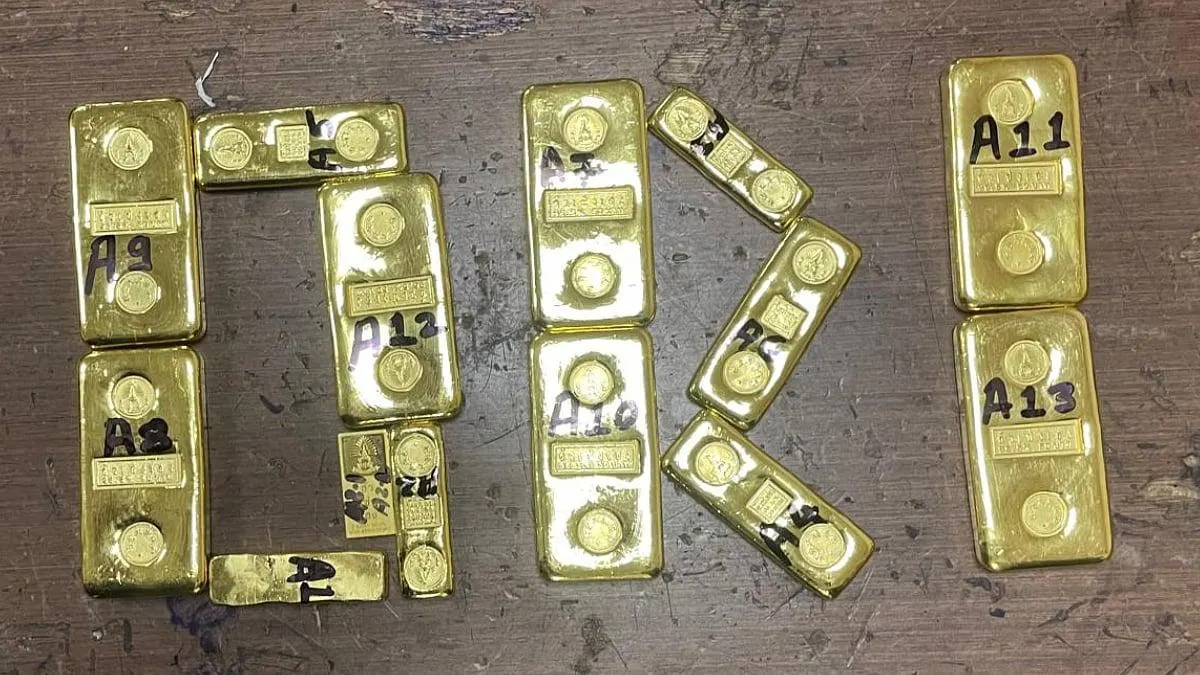
Authorities also suspect that fictitious gold purchases were used to create misleading transaction records. Such arrangements can make money appear to have originated from legitimate commercial activity, even when no genuine underlying purchase occurred.
A substantial portion of the funds was eventually converted into cryptocurrency, according to the investigation. Cryptocurrency transactions can move value across borders, although they do not automatically make money untraceable.
Investigators believe these different methods were combined to create a complicated financial trail involving physical cash, conventional banking channels and digital assets.
The total value of transactions linked to the suspected operation exceeded 337 million zlotys over approximately 18 months. That figure represents the estimated value of money allegedly processed through the network, rather than cash recovered during the police operation.
During searches of residential properties, offices and currency-exchange premises, officers seized cash and gold worth more than one million zlotys. Computers, mobile phones and other electronic equipment were also confiscated for examination.
Eight Ukrainians and one Belarusian arrested
The operation involved multiple Polish law-enforcement agencies working under the supervision of prosecutors in Łódź.
Nine suspects, aged between 26 and 53, were detained during coordinated operations in Warsaw, Łódź and the Lesser Poland region. The group reportedly included four female cashiers, three men involved in managing currency-exchange operations and two couriers responsible for transporting money.
Eight of those detained are Ukrainian citizens, comprising five men and three women. The ninth suspect is a Belarusian woman.
All nine face allegations of participating in an organised criminal group and laundering money derived from criminal activities. Some also face accusations of failing to report suspicious transactions under Poland's anti-money-laundering legislation.
A court ordered six suspects detained for three months and another for two months. The remaining two suspects were placed under alternative restrictions rather than pretrial detention.
If convicted, those involved could face prison sentences of up to 15 years.
The arrests and detention orders do not establish guilt. The allegations remain subject to further investigation and judicial proceedings.
Does the case involve Ukraine's government?
The nationality of the suspects has drawn attention because the investigation involves several Ukrainian citizens at a time when Ukraine continues to face scrutiny over corruption and financial crime during its war with Russia.
However, Polish authorities have not established that the alleged money-laundering operation was connected to Ukrainian President Volodymyr Zelensky, the Ukrainian government or international financial assistance provided to Ukraine.
The available evidence concerns a suspected criminal network operating through commercial financial channels and allegedly laundering proceeds from online fraud.
The distinction matters because the involvement of Ukrainian nationals does not establish involvement by Ukraine's political leadership or government institutions.
Investigators are focusing on the origins of the money, the businesses used to process it, the roles of individual suspects and the suspected international movement of funds.
Why the investigation matters beyond Poland
The case illustrates how online fraud can develop into complex international financial operations. Money stolen through investment scams or impersonation schemes may pass through several intermediaries before being converted into assets that are more difficult to associate with the original offence.
Currency exchanges, informal cash-collection arrangements, fabricated commodity transactions and cryptocurrency transfers can all be exploited to obscure the movement of funds when financial controls are deliberately bypassed.
The alleged use of torn-banknote photographs and matching mobile-phone codes demonstrates how criminal networks may develop their own verification systems to coordinate large cash movements while avoiding conventional documentation.
For investigators, identifying the people responsible for collecting and transporting money is only part of the challenge. Authorities must also establish where the funds originated, which victims suffered losses, whether additional financial institutions were involved and where the money ultimately went.
The current investigation remains active, and further arrests or financial seizures have not been ruled out.
With nine suspects detained or placed under restrictions, more than 337 million zlotys in alleged transactions under investigation and evidence of cross-border financial activity, the case has become a significant example of the challenges European authorities face in combating organised money laundering linked to online fraud.