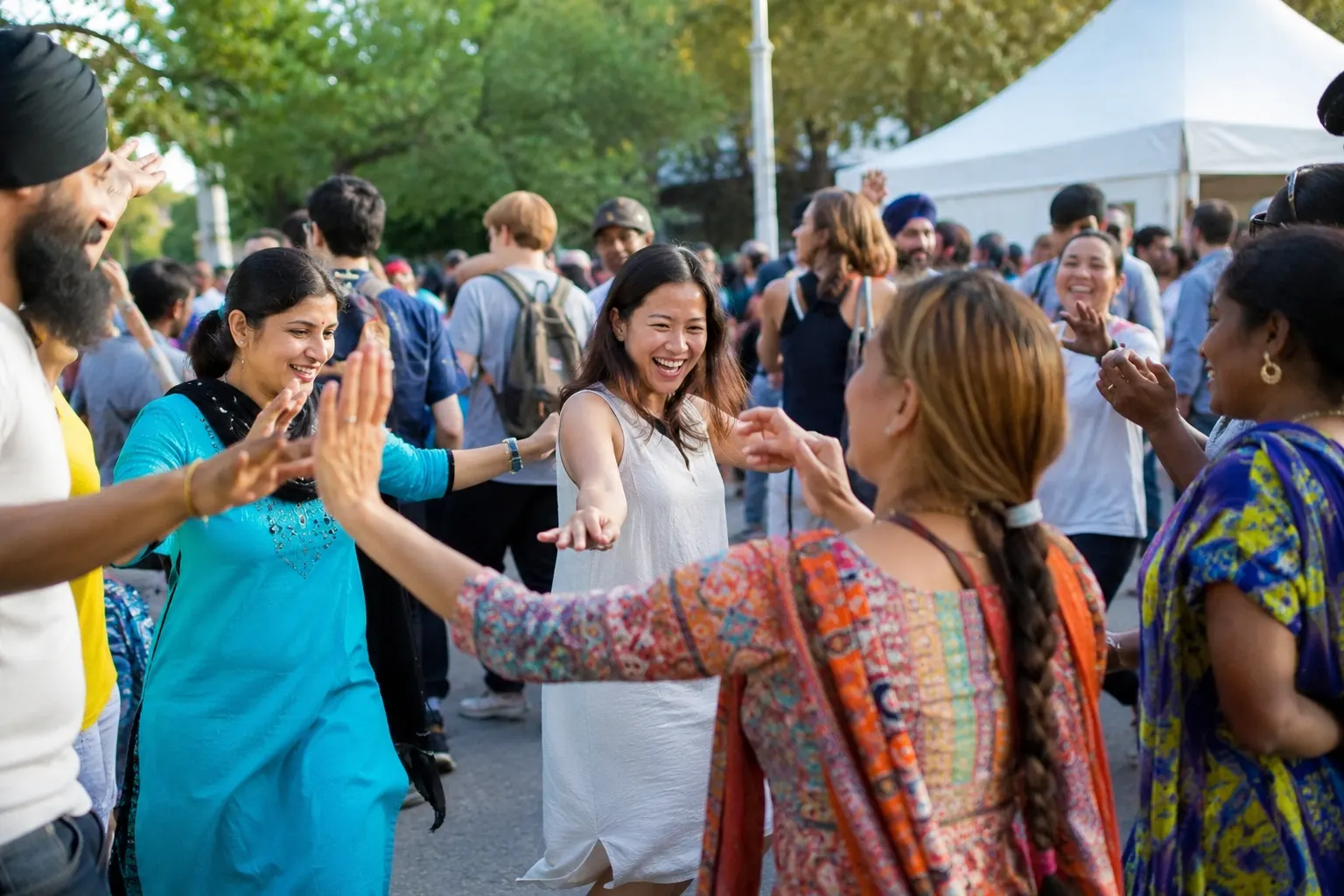
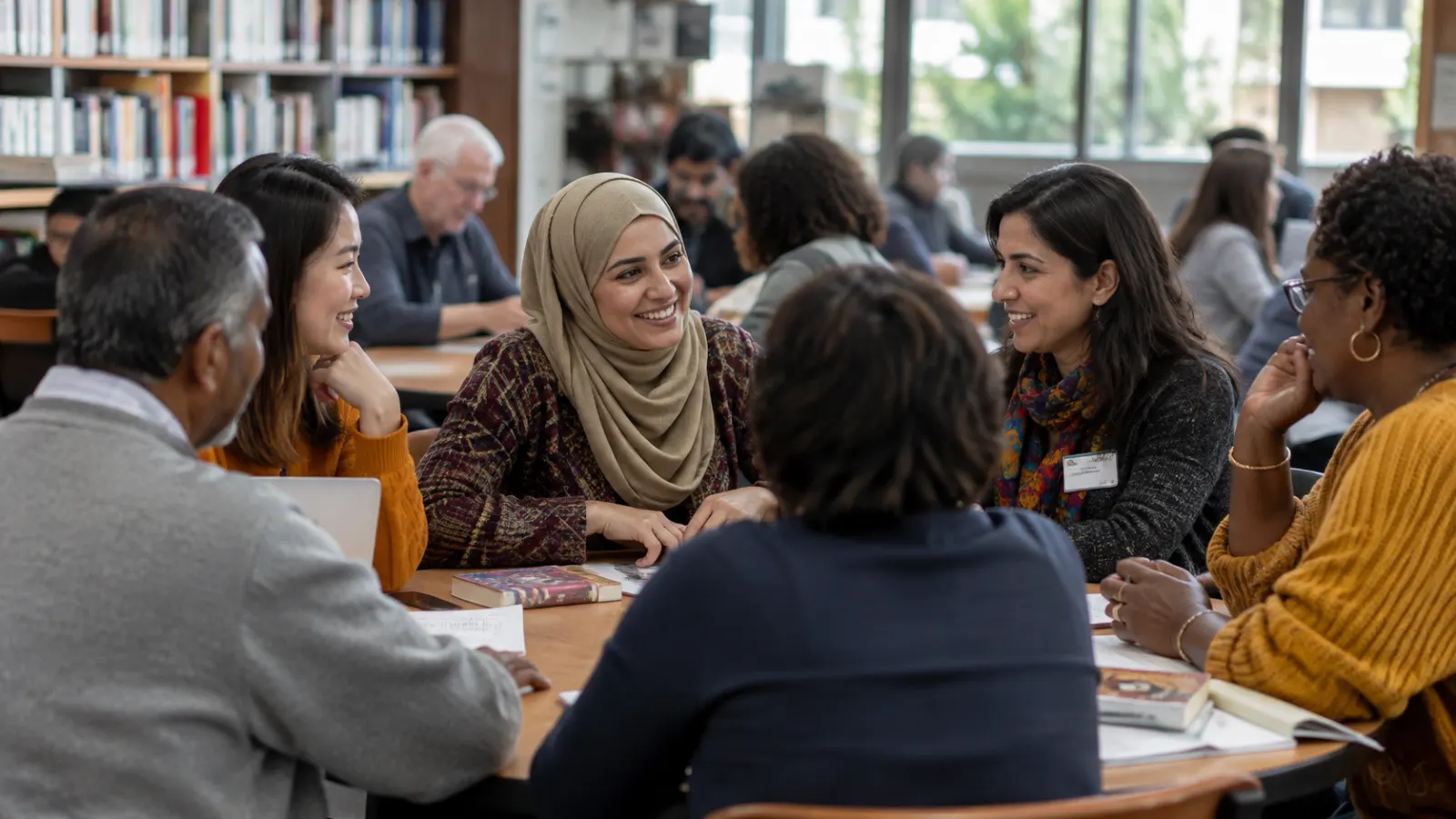
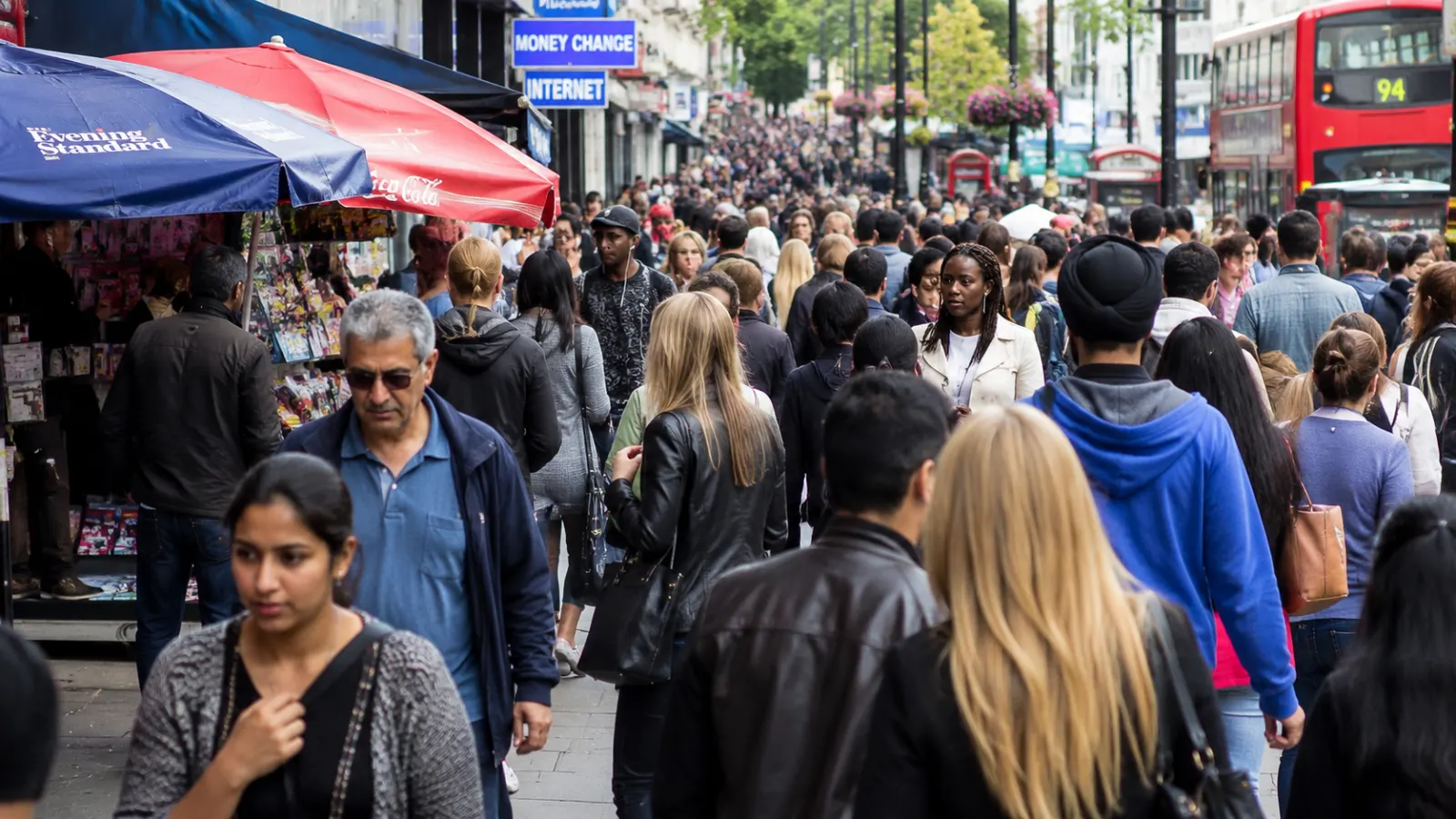
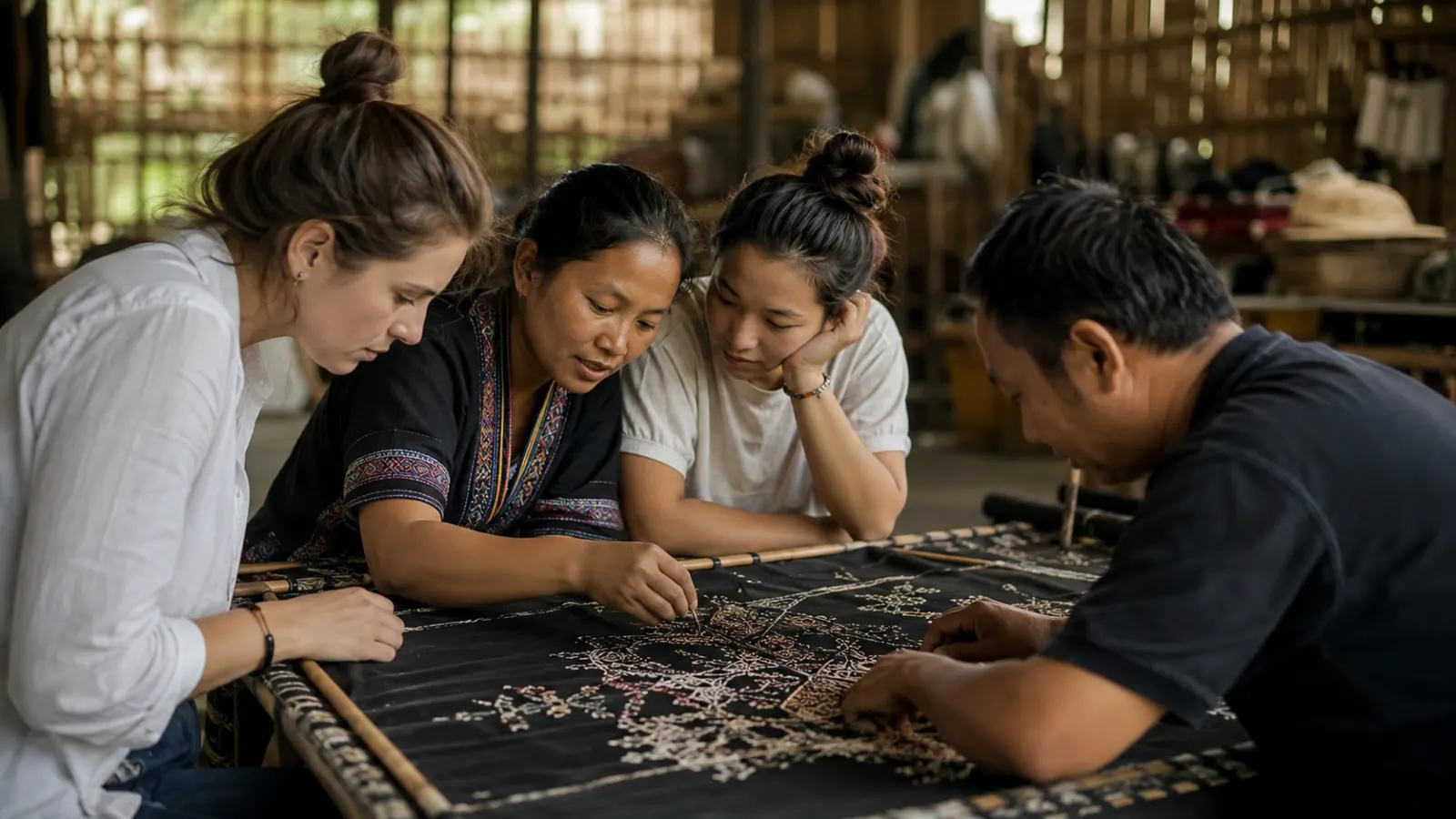
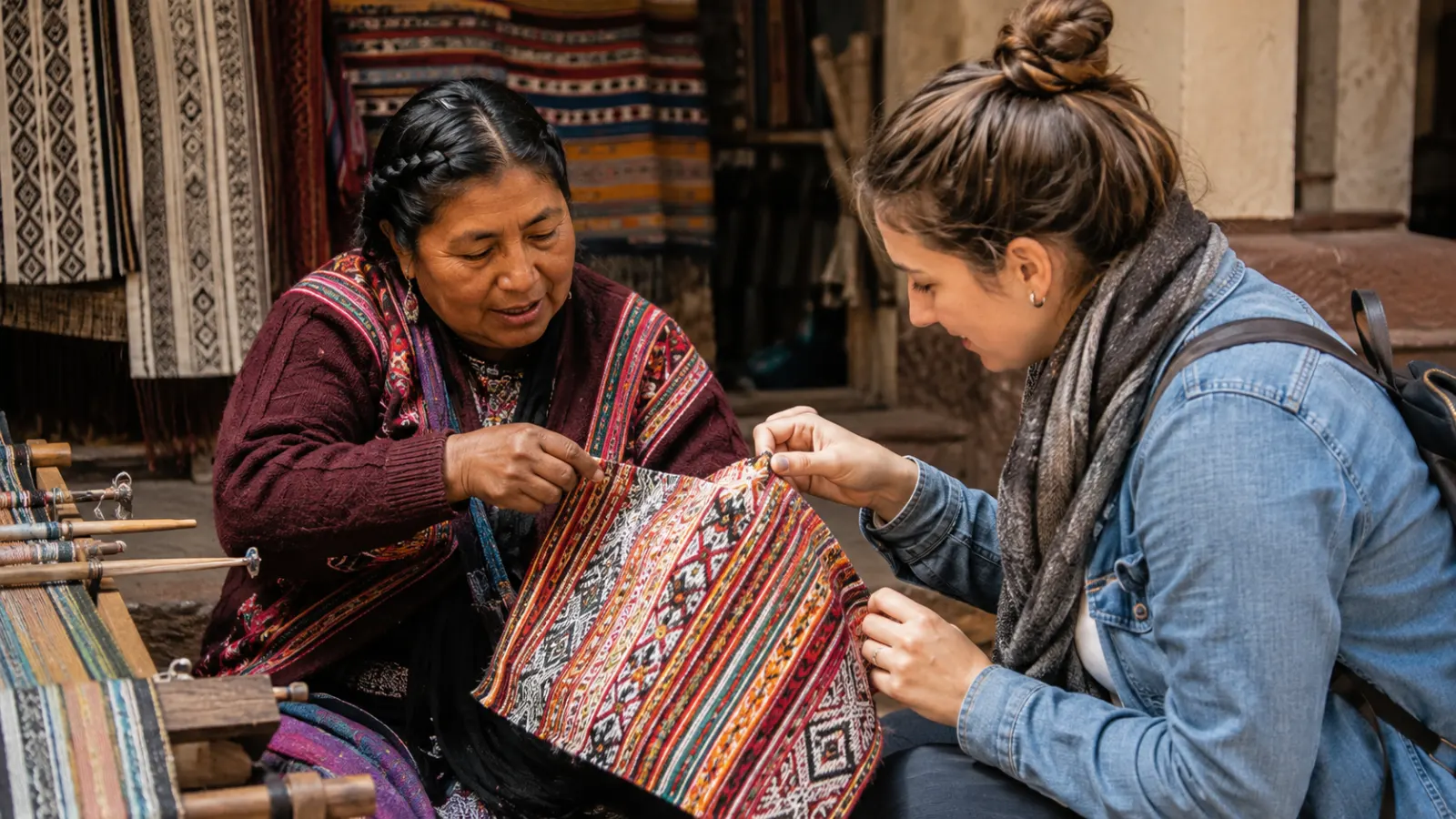
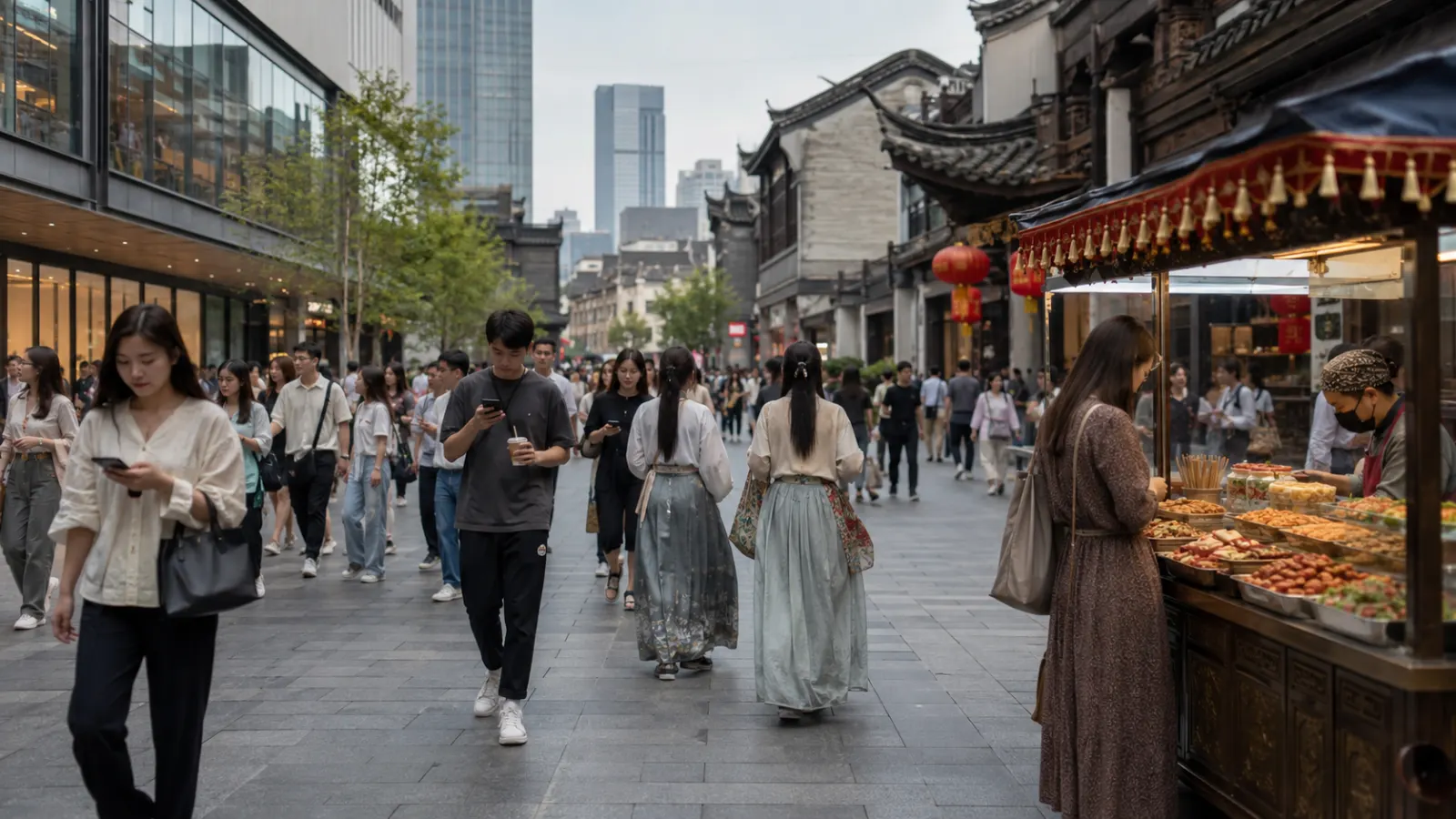
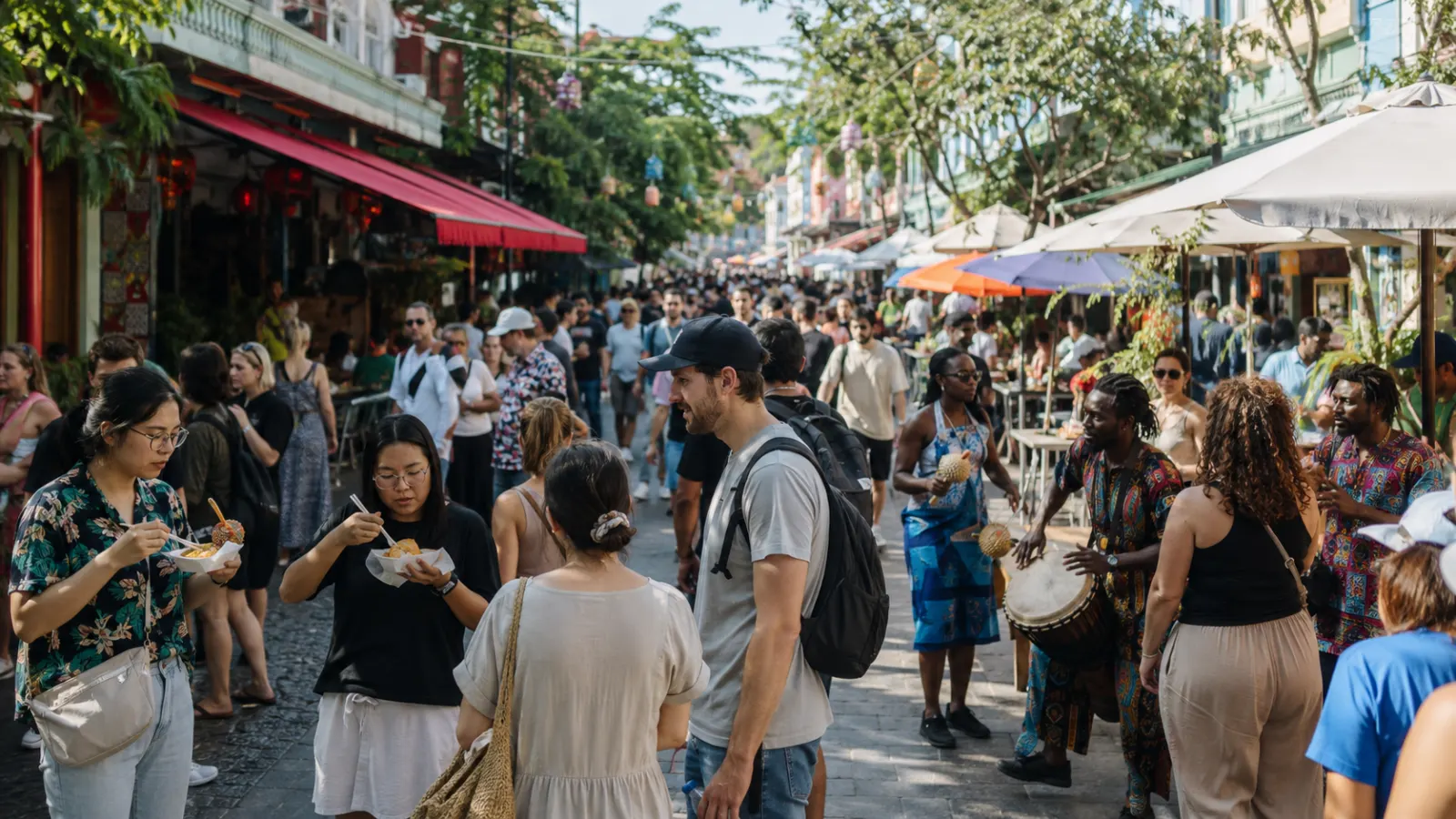
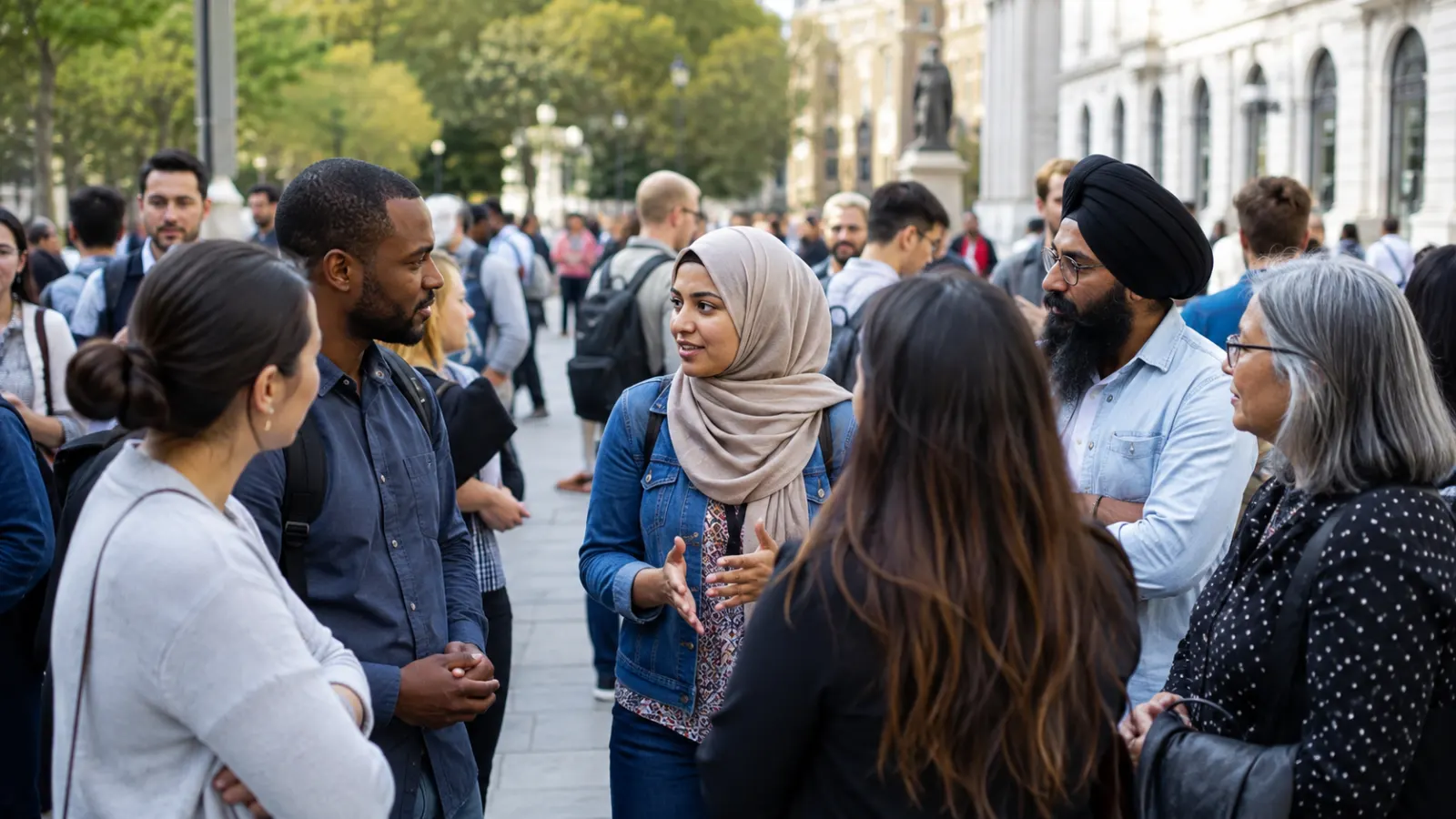
Why diversity matters goes beyond representation. Meaningful diversity expands knowledge, participation and cultural possibility when inclusion is real.
Salad bowl theory explains how different cultures can share one society while retaining distinct identities. Explore examples, melting pot differences, strengths and criticisms.
What is multiculturalism? It is an approach to cultural diversity that supports equal membership while allowing people to retain important cultural, religious and linguistic ident…
How societies become diverse involves far more than immigration. Migration, trade, borders, conflict, intermarriage and changing identities create layered histories of diversity.
Cultural appreciation and appropriation are separated by context, respect, power and benefit. Here is a practical framework for telling the difference.
Cultural homogenisation is the pressure toward cultural sameness, but globalisation also produces localisation, hybrid culture, revival and new forms of difference.
Pluralism is more than diversity or tolerance. It explains how people with different religions, cultures, languages and beliefs can share institutions, rights and citizenship with…
Enjoying the reporting?
We noticed an ad blocker. Ads keep our journalism free — please consider allowing them, or subscribe to our newsletter instead.
We use cookies to keep you signed in and to understand how readers use the site. See our Privacy Policy.