Mobile Internet to Be Suspended in Parts of New Delhi Tonight Ahead of October 10 Protest
Mobile internet services will be suspended in parts of New Delhi from 10 PM on October 9 until 10 PM on October 10 as authorities tighten security ahead of a major protest planned in the capital. The temporary shutdown will apply within a four-kilometre radius of the Janpath-Kartavya Path crossing, covering a significant part of central New Delhi.
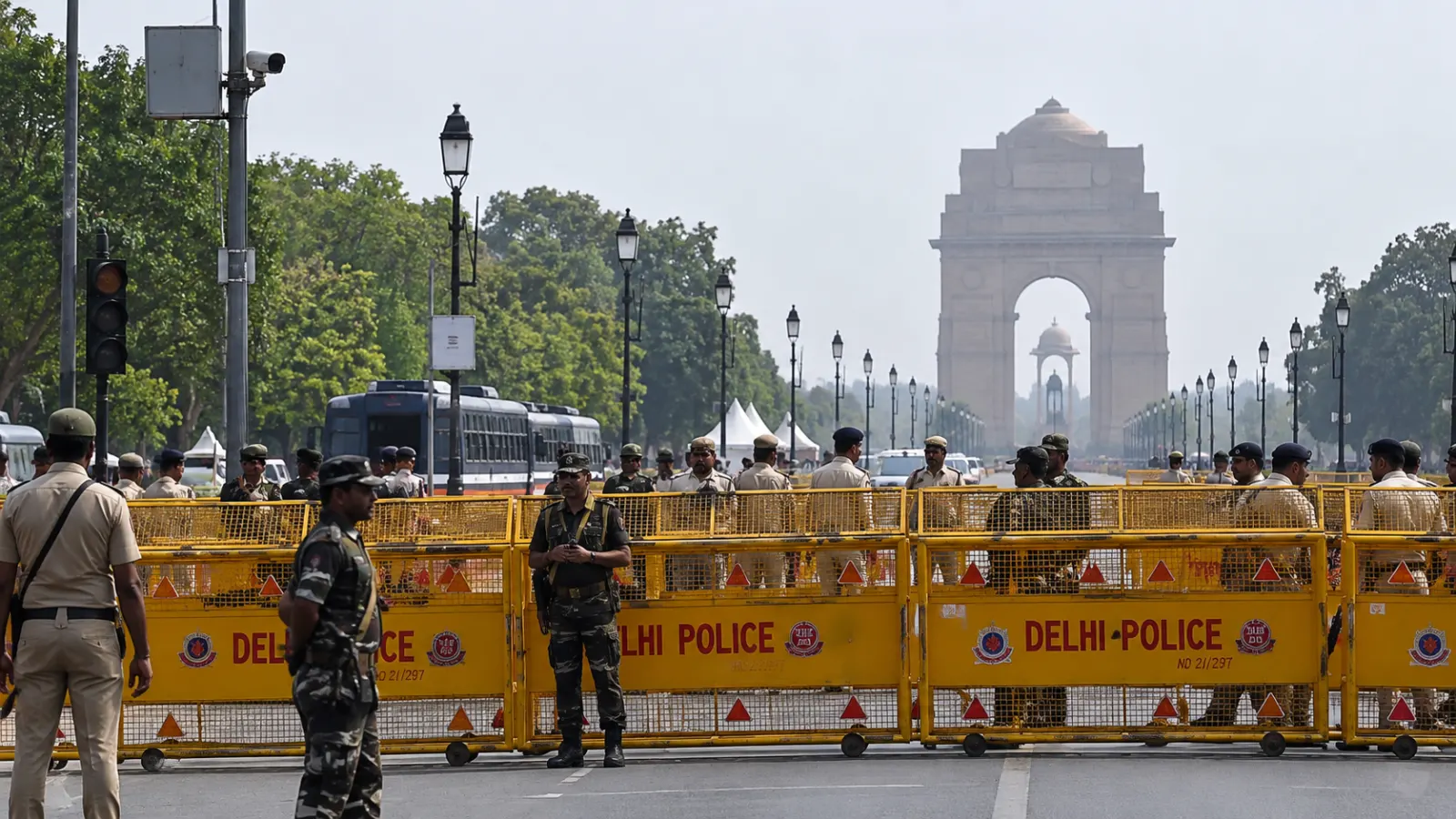
The measure is part of a wider security operation being put in place ahead of demonstrations expected around Jantar Mantar and other sensitive locations on October 10. Delhi is already facing transport restrictions, Metro access controls, train cancellations and a large deployment of police and paramilitary personnel.
Where will mobile internet be suspended?
The internet restriction will apply within a four-kilometre radius around the Janpath-Kartavya Path intersection in central New Delhi.
This area covers some of the capital's most sensitive government, administrative, commercial and protest zones. Jantar Mantar, where the demonstration is expected to take place, falls within the broader central Delhi security zone.
The suspension is scheduled to begin at 10 PM on Thursday, October 9, and remain in force for 24 hours until 10 PM on Friday, October 10.
Authorities have directed telecom operators to suspend mobile internet services within the designated area during this period.
The restriction is geographically limited and does not mean that internet services will be shut across the entire Delhi-NCR region.
Will calls and SMS also stop working?
The order specifically concerns mobile internet services, rather than a complete shutdown of telecommunications.
Users inside the affected zone may therefore lose access to mobile data services such as web browsing, social media, messaging applications that rely on internet connectivity and app-based online services.
Regular voice calls and conventional SMS services may continue unless authorities issue additional restrictions.
People who rely on mobile data for work, navigation, payments or communication should prepare for possible disruption during the shutdown period.
Availability of fixed broadband or Wi-Fi services may depend on the exact scope of the order and the individual service provider.
Why has the government ordered the shutdown?
The temporary internet suspension has been ordered as a preventive security measure ahead of the October 10 protest.
Authorities are preparing for a large gathering in central Delhi and have increased security across several parts of the capital. The planned demonstration is connected to opposition over electoral-roll revisions and demands relating to the Election Commission.
Officials are concerned about crowd mobilisation, public-order risks and the rapid circulation of information during a large demonstration.
Temporary mobile internet suspensions are sometimes used by authorities during sensitive law-and-order situations to reduce the possibility of misinformation, rapid crowd coordination or inflammatory content spreading online.
The shutdown is only one part of the wider security measures being implemented in Delhi.
Delhi faces wider transport and security restrictions
People travelling through Delhi on October 10 are likely to face disruption extending beyond mobile internet.
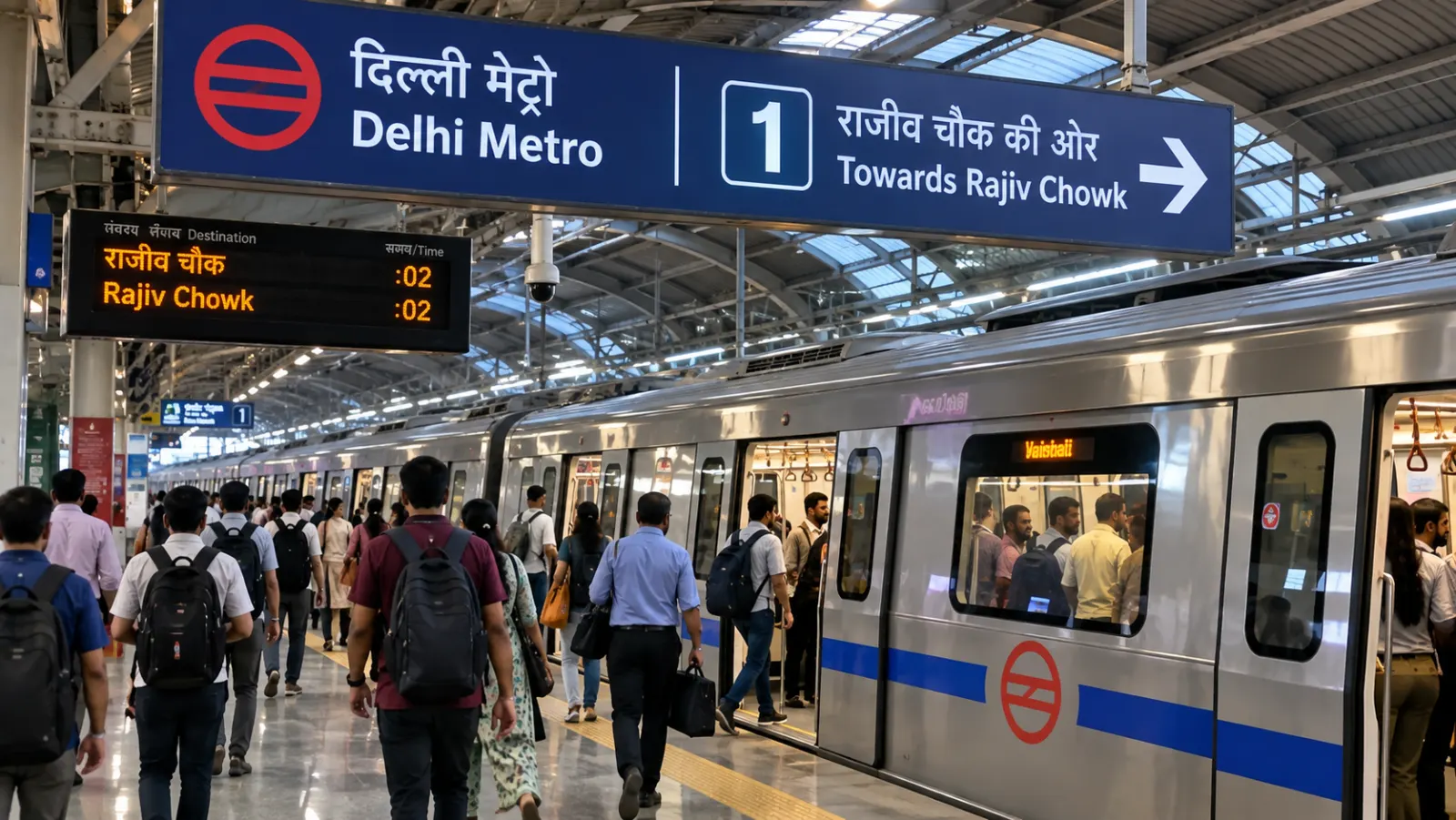
Authorities have proposed restrictions affecting dozens of Delhi Metro stations, particularly entry and exit access at locations considered sensitive or important for crowd movement.
Indian Railways has also announced cancellations affecting several services linked to New Delhi Railway Station and Hazrat Nizamuddin during the morning and early afternoon.
Additional police and paramilitary personnel are being deployed across the city, while checkpoints, barricades and traffic diversions are expected around central Delhi.
Two Namo Bharat stations in Delhi — Sarai Kale Khan and New Ashok Nagar — are also scheduled to remain closed during part of the security period, although services on the wider corridor are expected to continue.
The combination of these measures could make movement through central Delhi significantly more difficult than on a normal working day.
What could the shutdown mean for commuters and businesses?
A mobile internet shutdown can affect far more than social media.
App-based taxi services, digital maps, online payments, food delivery services and messaging applications all depend heavily on mobile data.
Commuters travelling through the affected area may have difficulty booking cabs or checking live transport information if they do not have access to Wi-Fi.
Businesses that rely on QR-code payments or mobile internet connections could also experience problems processing transactions.
Visitors unfamiliar with Delhi should consider downloading maps, tickets and important contact details before entering the affected area.
Passengers travelling to railway stations, Metro stations or other transport hubs should also keep screenshots or offline copies of tickets and booking information.
Will UPI payments work during the shutdown?
UPI and other digital-payment systems generally require an active internet connection to complete transactions.
People relying entirely on mobile data within the affected zone may therefore find it difficult to make UPI payments during the suspension.
Some payment methods may continue to work over available Wi-Fi networks, while certain offline payment features may depend on the bank, device and payment application being used.
Carrying an alternative payment method, including some cash or a physical debit or credit card, could be useful during the affected period.
What should people in central Delhi do?
Residents, office workers and commuters in central Delhi should prepare before the 10 PM shutdown begins.
Downloading important documents, travel tickets and maps in advance can reduce dependence on live mobile data. People meeting family members or colleagues may also want to agree on meeting points and contact arrangements beforehand.
Anyone travelling on October 10 should check official transport and traffic advisories before beginning the journey, particularly because Metro, railway and road restrictions could change depending on the security situation.
The shutdown is currently scheduled to end at 10 PM on October 10, although authorities can modify restrictions if conditions require it.
For most Delhi residents, the key distinction is that this is not a citywide internet shutdown. The restriction is targeted at a four-kilometre zone around Janpath-Kartavya Path, but people entering central New Delhi during the affected period should expect significant mobile-data disruption alongside wider transport and security controls.