Delhi Metro May Restrict Entry and Exit at 57 Stations From 9 PM
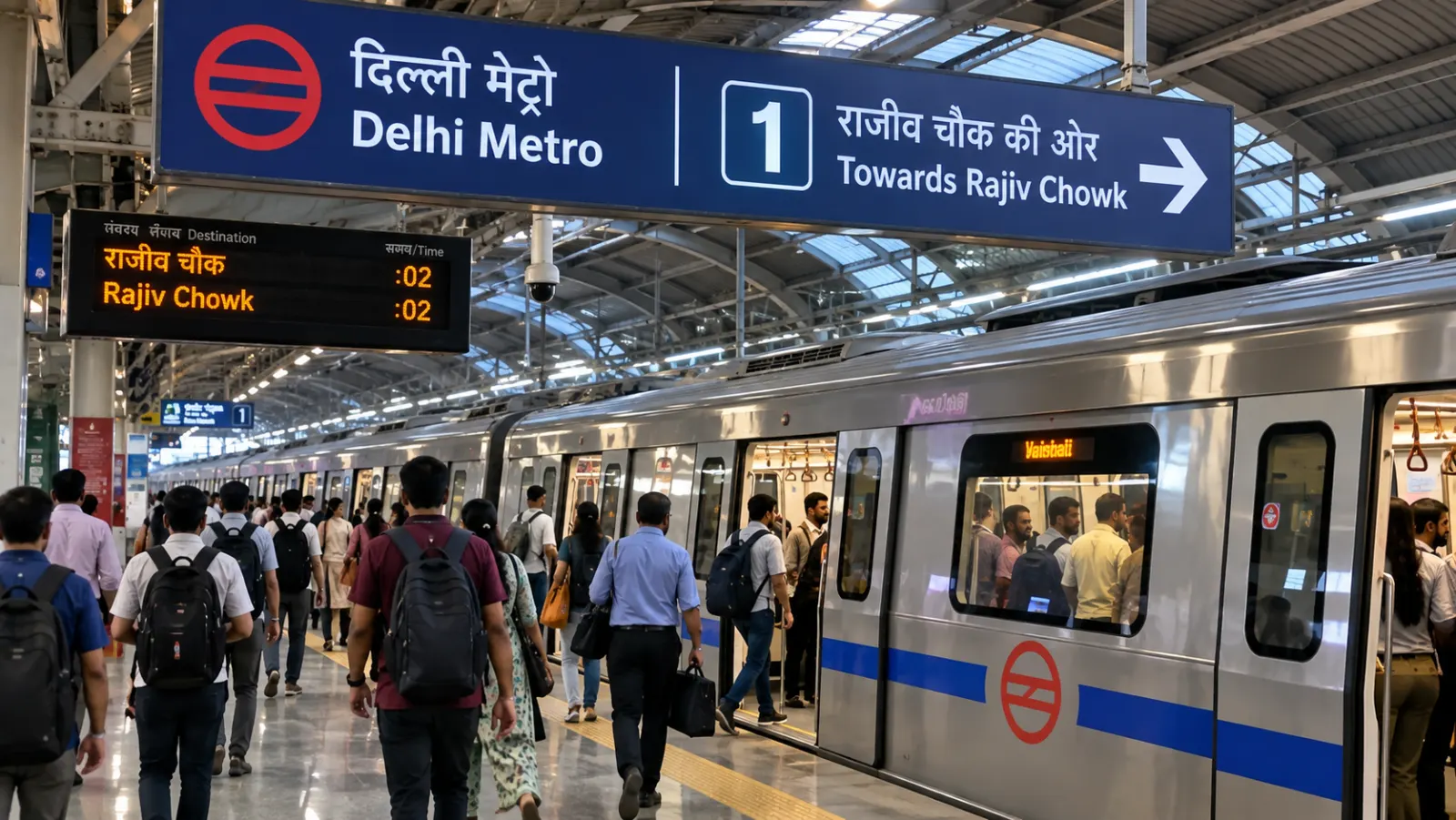
Delhi Metro passengers could face significant disruption from Friday night after Delhi Police asked the Delhi Metro Rail Corporation to consider closing entry and exit gates at 57 stations from 9 PM on October 9, ahead of planned protests in the capital on October 10. Police have also proposed reducing train frequency at the identified stations, meaning commuters could face longer waits even where trains continue to operate.
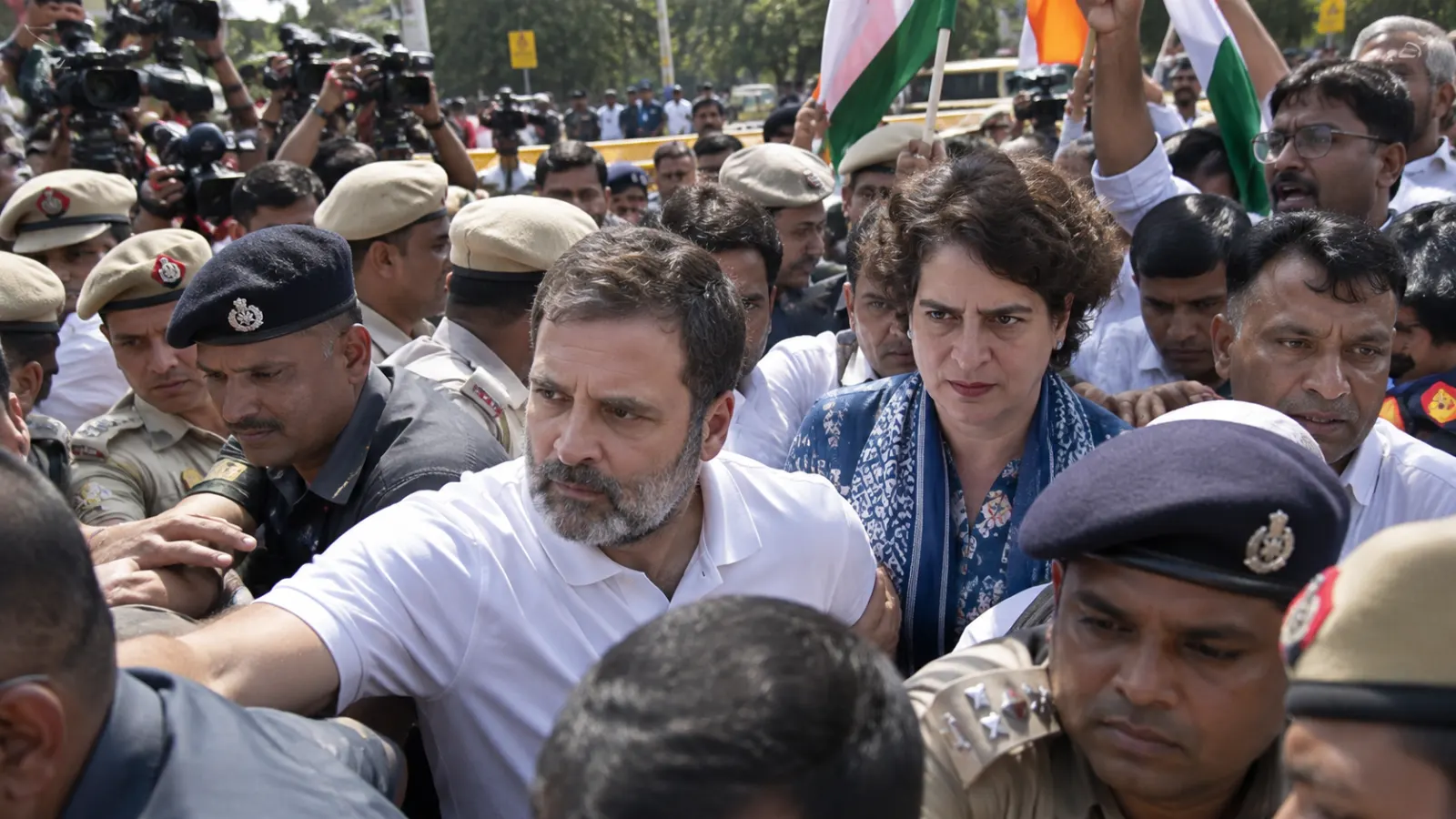
The proposed restrictions are linked to demonstrations planned at Jantar Mantar and other locations in New Delhi. In a communication dated October 8, the Joint Commissioner of Police, Transport Range, asked DMRC to make arrangements at the listed stations because of concerns that large groups could move towards sensitive locations. The restrictions were proposed to begin at 9 PM on October 9 and continue on October 10 until the situation normalises.
Which Delhi Metro stations could be affected?
The list covers major interchange stations as well as stations serving central, south, north, east and northeast Delhi. Among the prominent stations named are Rajiv Chowk, New Delhi, Central Secretariat, Mandi House, ITO, Kashmere Gate, INA, Hauz Khas, Janpath, Patel Chowk, Lok Kalyan Marg, Khan Market, Supreme Court, Indraprastha, Chandni Chowk, Jama Masjid and Karol Bagh.
Other stations identified in reports include Jor Bagh, Jangpura, Ashram, Lajpat Nagar, Sarai Kale Khan-Nizamuddin, Jamia Millia Islamia, Okhla Vihar, Kalindi Kunj, Civil Lines, GTB Nagar, Azadpur, Adarsh Nagar, Jahangirpuri, Welcome, Seelampur, Shahdara, Rohini East, Rohini West and Rithala. The spread of the list means the impact could extend well beyond the immediate protest area.
Passengers should note that the proposal focuses on entry and exit restrictions and lower train frequency, not necessarily a complete shutdown of the entire Delhi Metro network. Depending on implementation, trains may continue to pass through some affected stations even when individual gates are closed.
Why have the restrictions been proposed?
The measures come ahead of a protest planned for October 10 at Jantar Mantar and other locations. Police have cited concerns over crowd movement towards sensitive areas and have increased security arrangements across the capital. Authorities have also said the proposed gathering did not have the required permission.
The planned demonstration is connected to opposition to the Special Intensive Revision of electoral rolls and demands directed at the Election Commission. Security preparations have therefore expanded beyond the immediate protest venue, with authorities attempting to limit large-scale movement into central Delhi.
The Delhi Metro is one of the capital's most important transport networks, particularly for commuters travelling to Connaught Place, government offices, railway stations, universities and commercial districts. Restricting access at dozens of stations simultaneously could therefore create substantial pressure on buses, taxis, app-based cabs and surrounding roads.
Are the 57 stations definitely closed?
This distinction is important.
Initial reports said Delhi Police had requested DMRC to impose the restrictions, while DMRC had not yet formally confirmed implementation when the proposal first became public. Moneycontrol and The New Indian Express both reported that the final operational decision rested with DMRC at that stage.
That means commuters should not interpret every station on the 57-station list as permanently or automatically closed. Restrictions could be changed, shortened, expanded or lifted depending on the law-and-order situation.
Passengers travelling late on October 9 or during October 10 should therefore check the latest DMRC announcement shortly before beginning their journey rather than relying only on an earlier station list.
What could commuters experience?
If the proposal is implemented in full, the most immediate problem may be access rather than complete suspension of Metro services. A station with closed entry gates could prevent passengers from beginning their journey there, while closed exit gates could require passengers to get off at another station and complete the remaining distance by road.
Reduced train frequency could create another problem. Longer intervals between trains would increase crowding, particularly at major interchange points where passengers transfer between lines.
Stations such as Rajiv Chowk, Central Secretariat, New Delhi, Kashmere Gate, INA and Hauz Khas handle substantial interchange traffic. Even limited restrictions at such locations can have effects across several Metro corridors.
Commuters heading to New Delhi Railway Station, central government offices or central Delhi should allow additional travel time and identify at least one alternative station or surface-transport route before travelling.
What passengers should do before travelling
Anyone planning a Metro journey during the affected period should check the latest DMRC service update immediately before leaving. A restriction announced earlier in the day may be modified as the security situation changes.
Passengers should also avoid depending on a single interchange station. If Rajiv Chowk, Central Secretariat, New Delhi or another major interchange becomes difficult to access, alternative routes may involve switching lines at a different station or completing part of the journey by bus, taxi or auto-rickshaw.
People with railway or flight connections should keep a larger buffer than usual because restrictions around central Delhi could affect road traffic as well as Metro access.
The proposed controls are expected to remain in place only as long as authorities consider them necessary. Police communication said the measures could continue through October 10 until the situation normalises, meaning there is no fixed end time that commuters can safely assume in advance.
For Delhi residents, the practical takeaway is straightforward: Metro services may continue, but access to dozens of stations could become unpredictable from 9 PM on October 9. Travellers should verify their station status before starting their journey and keep an alternative route ready.