IndianOil Officer Murder: New Details Emerge After Victim Was Stabbed Seven Times
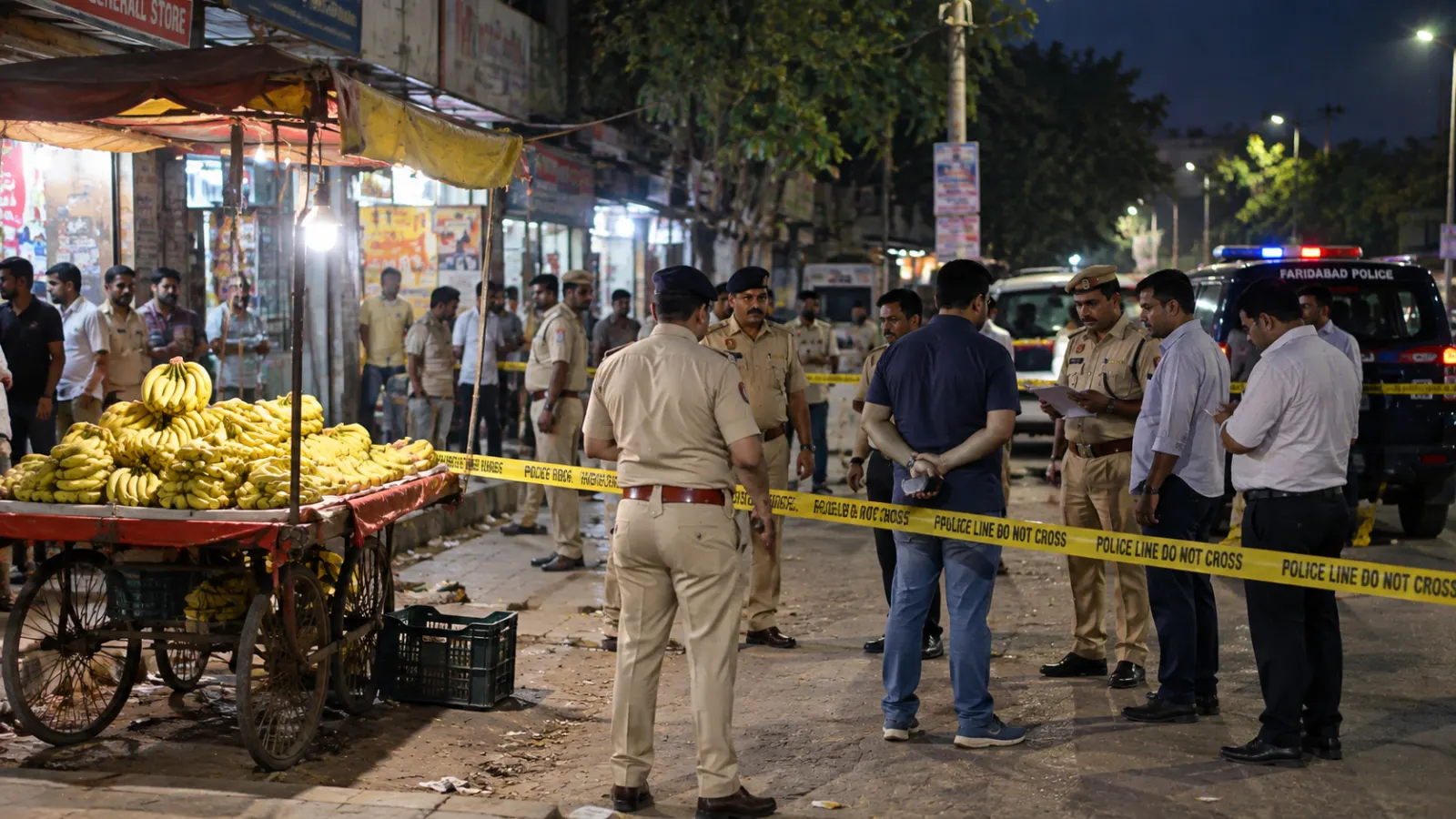
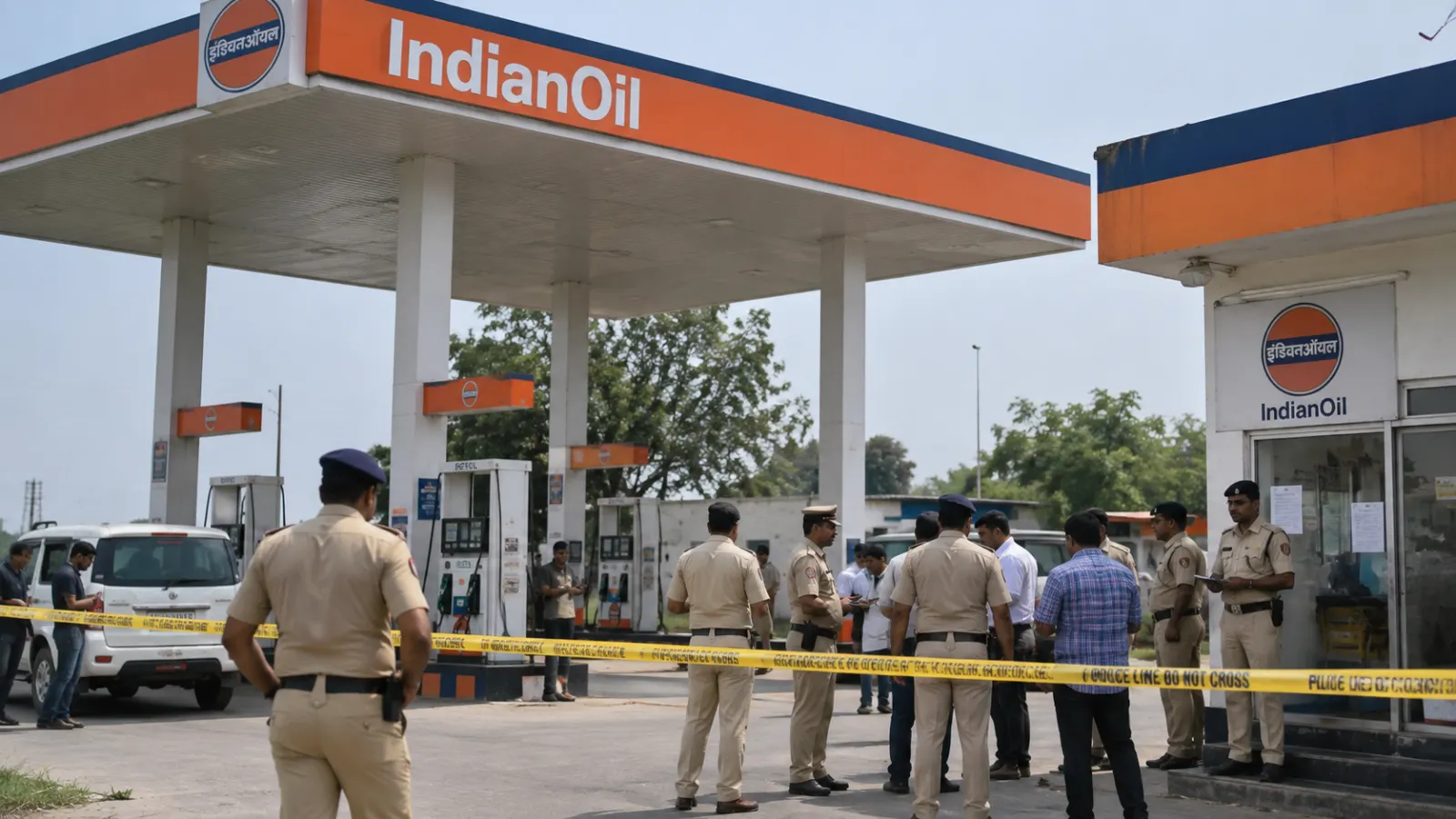
New details have emerged in the murder of Mahesh Shelke, a 37-year-old IndianOil officer, who was allegedly stabbed seven times while carrying out an official operation to seal and take over a petrol pump in Maharashtra’s Hingoli district.
Shelke, who worked as a Manager (Retail Sales) and field officer with Indian Oil Corporation’s Nanded office, was part of a company team that reached the outlet in Ambachondi village in Basmat tehsil on October 6. Police say the dispute escalated after the family operating the petrol pump sought more time before handing over control, while the IndianOil team insisted on proceeding with the takeover.
The confrontation allegedly turned violent when members of the group began pelting stones at the officials. Police say Umesh Pandavveer then attacked Shelke with a sharp weapon, stabbing him seven times in the chest, abdomen, back and arms. Shelke suffered critical injuries and was later declared dead.
What happened at the petrol pump
The IndianOil team had gone to the outlet after it had remained shut for nearly three months and the company initiated proceedings to take possession of it. Reports indicate that the operator’s family asked for additional time and said they would allow the company to take over later.
The IndianOil officials, however, reportedly remained firm on sealing the outlet.
Police say the disagreement escalated into a physical confrontation. Stones were allegedly thrown at the officials before Shelke was attacked with a dagger or knife.
The violence occurred during the course of Shelke’s official duty, making the case particularly serious and raising questions about the safety of public-sector personnel carrying out enforcement actions.
Shelke was stabbed seven times
Investigators have provided disturbing details about the nature of the attack.
Police said Shelke suffered seven stab wounds across multiple parts of his body, including his back, chest, arms and abdomen. One report also said he was struck on the head during the assault.
The severity and distribution of the injuries suggest the attack was sustained rather than a single impulsive strike.
Shelke was taken to hospital after police arrived at the scene, but doctors declared him dead.
Five accused arrested within 24 hours
Police moved quickly after the killing.
All five accused were arrested within 24 hours, according to the latest police account. They were identified as Latabai Pandavveer, Umesh Pandavveer, Shravan Wakude, Rahul Dhayje and Prathmesh Waghmare.
The FIR includes charges relating to murder, attempted murder, unlawful assembly and rioting, along with provisions of the Arms Act.
Earlier reports had stated that four people were arrested while a fifth suspect was being searched for, but subsequent police updates confirmed that all five had been taken into custody.
Why the petrol pump was being sealed
The outlet had reportedly been closed for an extended period because of technical and operational issues.
IndianOil had therefore begun proceedings to take possession of the retail outlet and seal it.
That administrative action appears to have been the immediate trigger for the confrontation.
Police are now investigating whether the attack was planned in advance or escalated spontaneously during the dispute.
That distinction will be important in determining the final nature of the charges and prosecution.
The case echoes the 2005 Manjunath murder
Shelke’s killing has drawn immediate comparisons with the 2005 murder of IndianOil officer S. Manjunath.
Manjunath, then 27, was shot dead in Uttar Pradesh after taking action against a petrol pump accused of selling adulterated fuel.
The similarity is difficult to ignore: in both cases, an IndianOil officer carrying out enforcement-related duties was killed following action against a retail fuel outlet.
The Manjunath case became a national symbol of the risks faced by honest officials enforcing fuel-quality and regulatory rules.
Shelke’s death has revived many of the same concerns more than two decades later.
IndianOil and Petroleum Ministry demand strict action
IndianOil condemned the killing and said Shelke died while carrying out his official duties.
Petroleum Minister Hardeep Singh Puri also described the attack as a heinous and unacceptable act of violence and said the matter had been taken up with senior Maharashtra government and police officials.
He said the ministry and IndianOil would support Shelke’s family and stressed that the safety and dignity of energy-sector personnel must remain a priority.
IndianOil’s leadership has similarly demanded swift and stringent action against those responsible.
Safety of field officers comes under scrutiny
The murder has raised a broader question about the protection available to officers carrying out potentially contentious enforcement actions.
Field teams responsible for sealing retail outlets, inspecting fuel quality, enforcing dealership terms or taking over disputed sites may face hostile resistance, particularly when commercial livelihoods are directly affected.
In situations where confrontation is foreseeable, questions will now be asked about whether officials should be accompanied by police or other security personnel.
The fact that Shelke was allegedly attacked during an official takeover operation will likely increase pressure on oil companies and state authorities to review existing safety protocols.
Investigation will focus on motive and sequence of events
Police will now need to establish the precise sequence of events that led to the killing.
Investigators are expected to examine witness statements, forensic evidence, call records, CCTV footage if available, and the role of each accused.
A key question will be whether the attack was the result of a sudden altercation or whether there was a prior intention to prevent IndianOil officials from taking control of the outlet.
The role of stone-pelting and whether the group acted together will also be important in determining liability.
Why the case matters beyond Hingoli
The murder is not just a local crime story.
It highlights the risks faced by officers working in sectors where regulatory action can directly affect commercial interests.
Petrol pumps operate under detailed dealership agreements, safety standards and quality-control requirements. When companies enforce those rules, disputes can become financially significant.
If field officers believe they may face violence while carrying out routine enforcement, that can undermine the effectiveness of the entire regulatory system.
The comparison with Manjunath therefore gives the case a broader national significance.
Mahesh Shelke’s death has once again raised the question of whether officials tasked with enforcing fuel-sector rules receive enough institutional protection when performing high-risk field duties.
With all five accused now in custody, the immediate focus will shift to the investigation, prosecution and whether the case prompts stronger safety measures for officers carrying out similar operations in the future.