CJP Leaders Abhijeet Dipke, Saurav Das and Ashutosh Ranka Detained at Delhi Airport
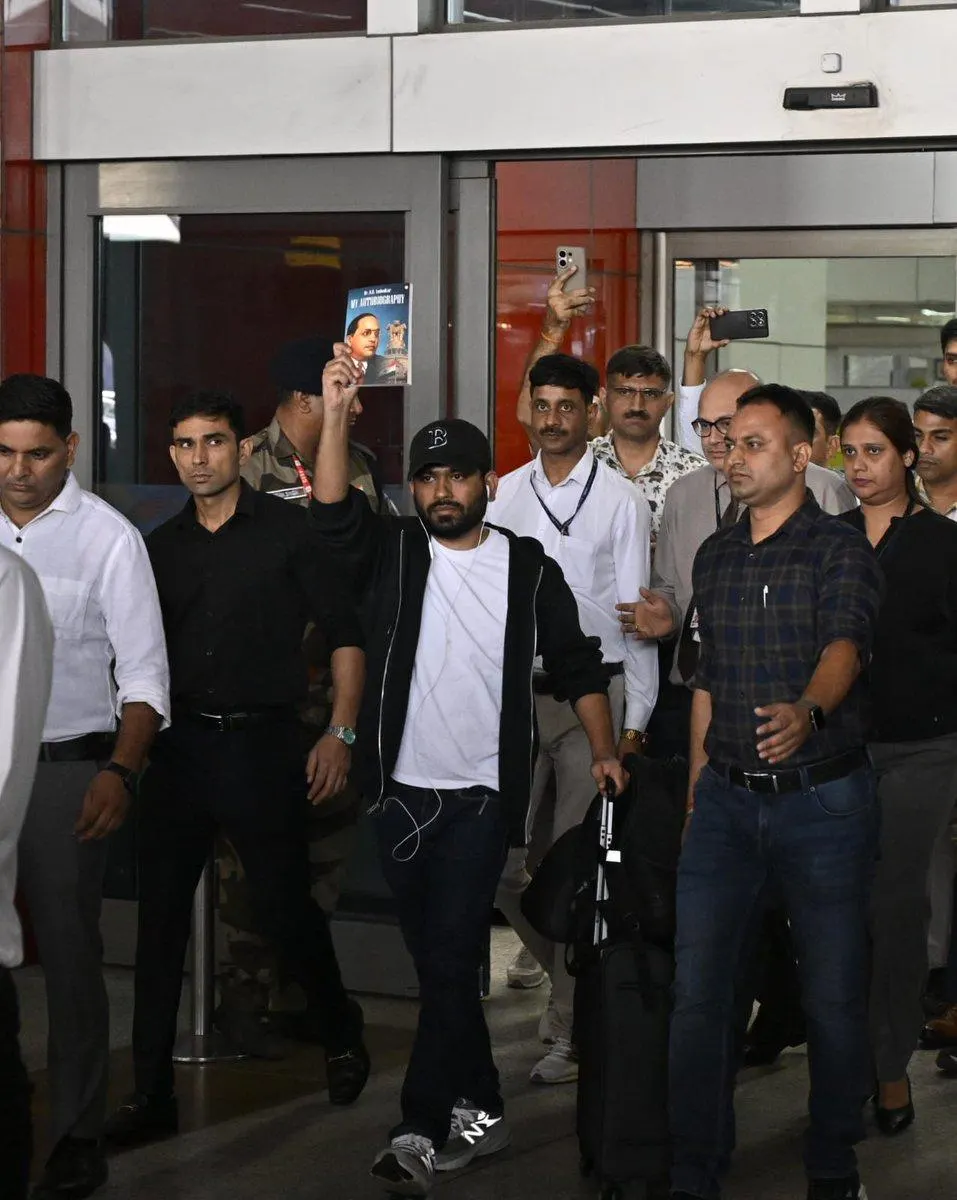
Cockroach Janta Party founder Abhijeet Dipke and party leaders Saurav Das and Ashutosh Ranka were detained by Delhi Police after arriving at Indira Gandhi International Airport on Saturday, hours before the group’s planned protest at Jantar Mantar.
The three leaders had flown into Delhi from Mumbai to participate in the demonstration demanding the resignation of Chief Election Commissioner Gyanesh Kumar. Their detention became one of the most prominent developments of the morning as police intensified preventive action across the capital.
Videos shared by the CJP showed police personnel entering the aircraft after it landed in Delhi and taking the leaders into custody. Dipke was seen challenging the police action and saying that he was prepared to be arrested.
Detention took place immediately after the flight landed
According to reports, Dipke, Das and Ranka were intercepted shortly after their aircraft reached Delhi.
The unusual sight of police personnel entering the plane drew significant attention online, particularly because the leaders had publicly predicted in the days before the protest that they could be detained before reaching Jantar Mantar.
Dipke questioned why police had entered the aircraft instead of waiting for the passengers to disembark. During the confrontation, he accused the authorities of trying to prevent the opposition movement from exercising its right to protest.
Supporters travelling with the leaders were also seen raising slogans during the episode.
The CJP later confirmed the detention of all three leaders and described the action as an attempt to stop them from reaching the protest venue.
Why CJP planned the Jantar Mantar protest
The October 10 demonstration is part of a wider campaign against the Special Intensive Revision of electoral rolls and against Chief Election Commissioner Gyanesh Kumar.
CJP leaders and other protesters have alleged serious problems with the voter-list revision exercise and are demanding greater accountability from the Election Commission.
The Election Commission and the government have rejected allegations that the revision process is designed to unfairly remove legitimate voters or benefit a particular political party.
The issue has nevertheless become a rallying point for a broader youth-led protest movement, with demonstrations planned not only in Delhi but also in other parts of the country.
Delhi Police had denied permission for the Jantar Mantar gathering, citing law-and-order concerns. Organisers, however, maintained that they intended to proceed with a peaceful demonstration.
Dipke had said he was ready to be arrested
The detention did not come entirely as a surprise.
In the days before October 10, CJP leaders repeatedly said that they expected authorities to act against them before the protest.
Dipke publicly stated that arrest would not deter him from travelling to Delhi. Ranka also said that the leadership was prepared to go to jail if necessary, while Das had alleged that authorities were planning preventive arrests to weaken turnout at the demonstration.
Those predictions became reality on Saturday morning when all three were taken into custody shortly after reaching Delhi.
The confrontation has since become central to the CJP’s messaging, with the organisation presenting the detentions as evidence that authorities were trying to prevent its leaders from joining supporters in the capital.
Wider crackdown across Delhi
The airport detention is part of a much larger security operation across Delhi.
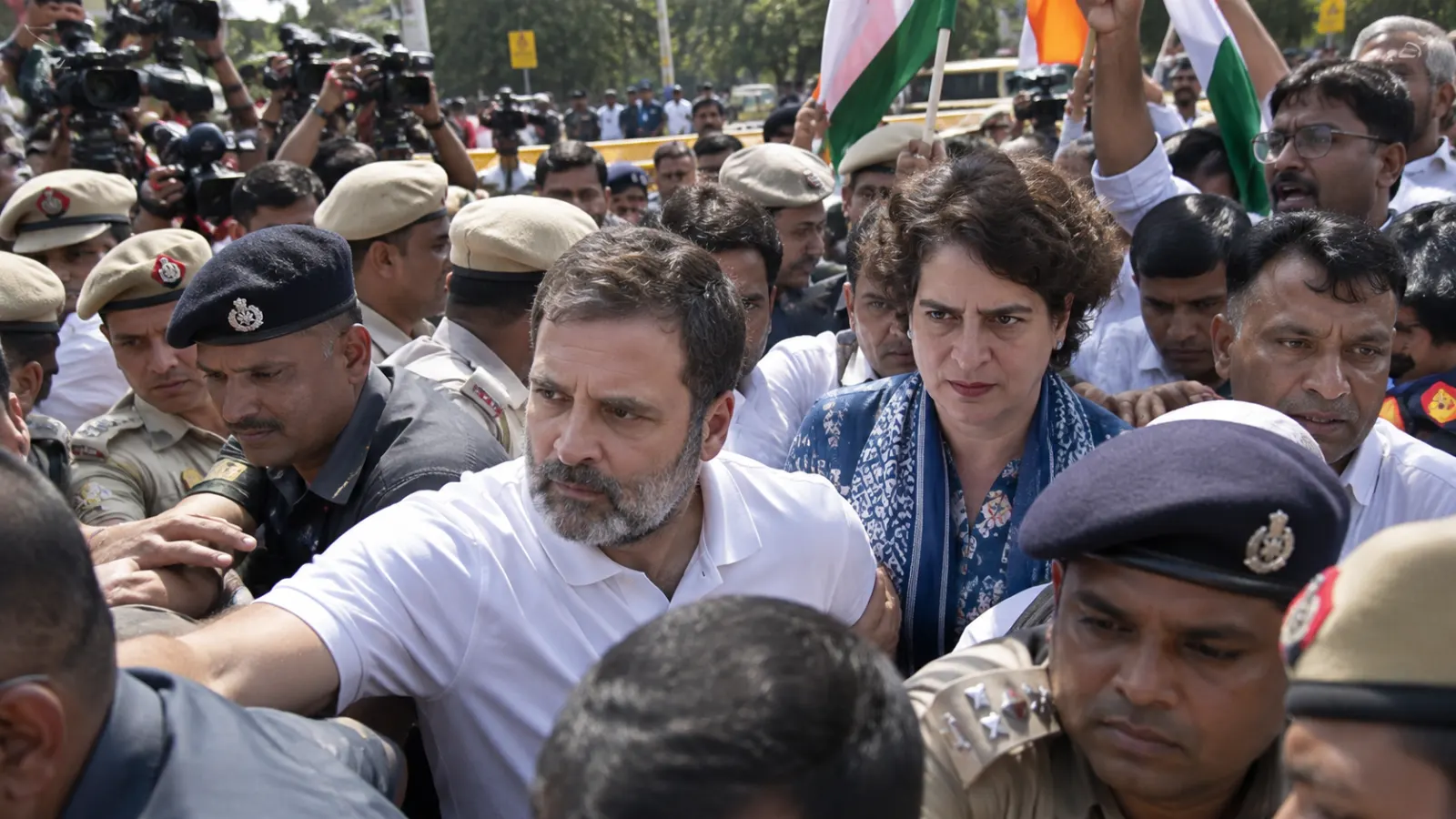
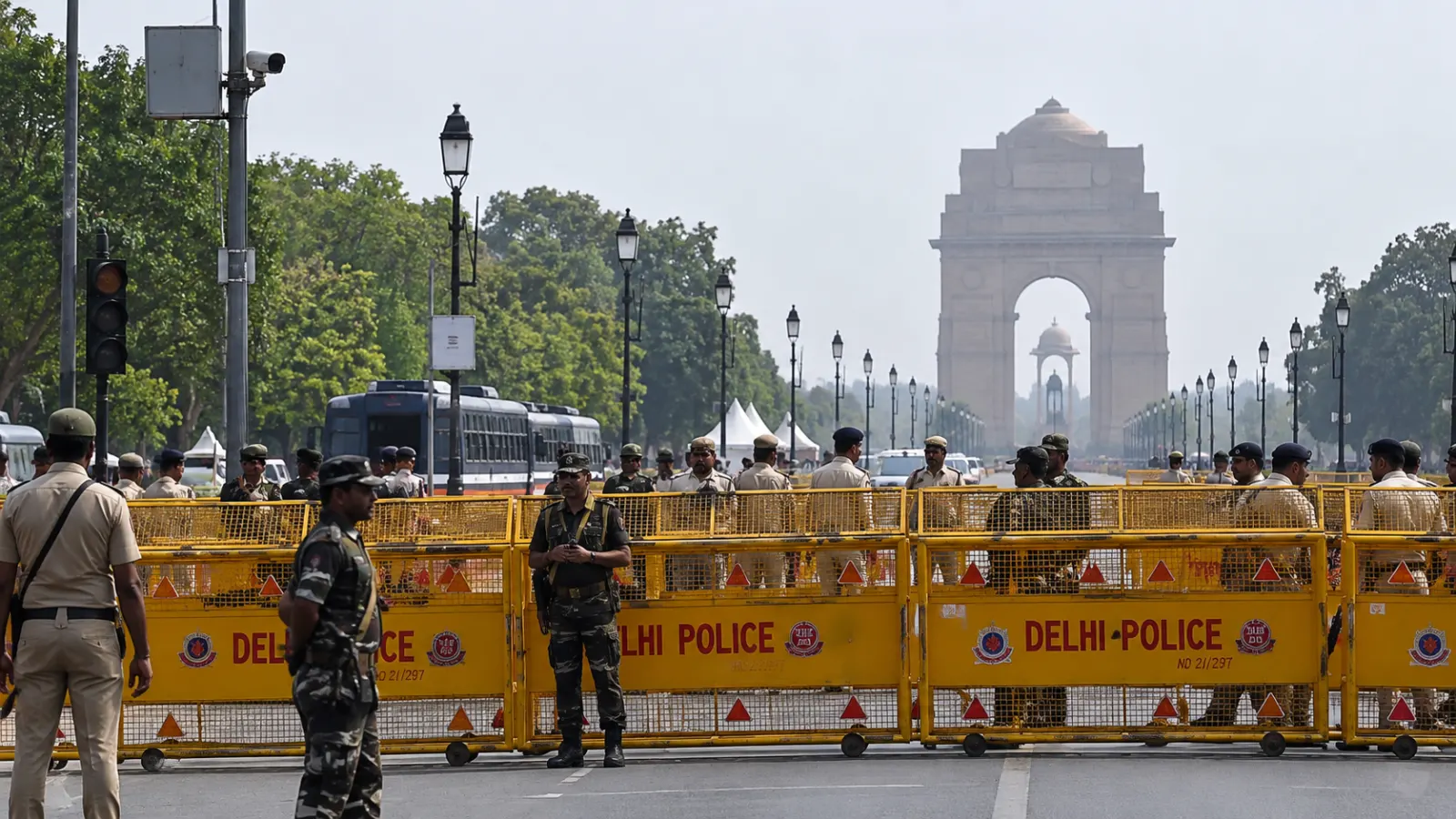
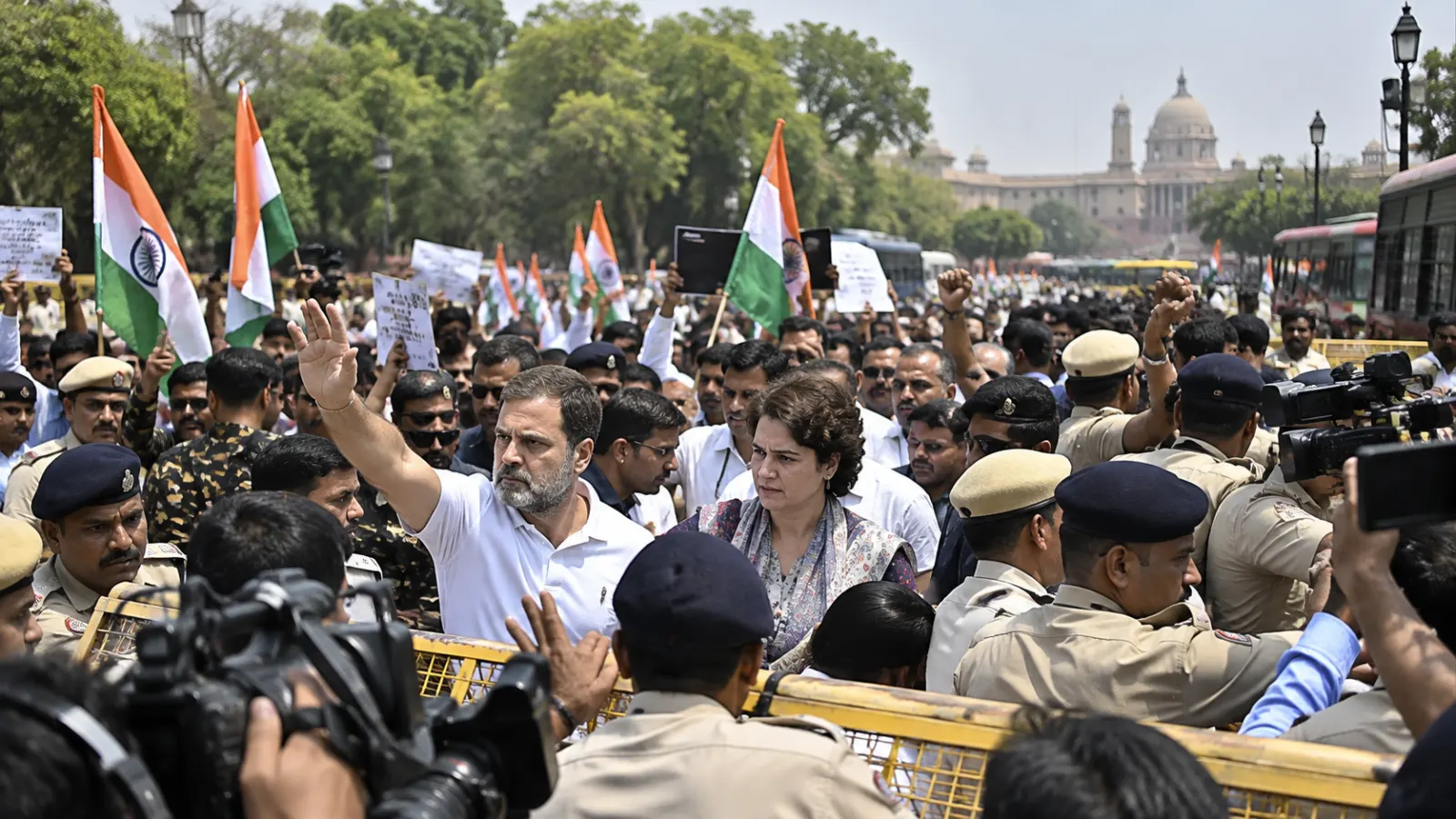
Police have detained hundreds of people connected to the planned protest, while checkpoints and barricades have been established at key locations across the capital.
Central Delhi has seen especially heavy deployment around Jantar Mantar, Parliament Street and other sensitive areas.
Metro access restrictions, railway cancellations, road diversions and temporary mobile-internet restrictions have also been imposed as authorities attempt to prevent large groups from converging in the protest zone.
The extent of the measures has itself become part of the political dispute, with protest organisers accusing authorities of using excessive restrictions to suppress peaceful assembly.
Police and government officials, on the other hand, maintain that the measures are necessary to preserve public order and prevent disruption.
Other CJP figures also face detention
The action has extended beyond Dipke, Das and Ranka.
CJP has alleged that members of its wider leadership and legal team have also been detained or prevented from travelling freely ahead of the protest.
Party representatives have described the detentions as illegal and said the organisation intends to challenge the actions taken against its members.
At the same time, reports of additional preventive detentions have continued to emerge as authorities try to control movement towards central Delhi.
The exact number of people detained has varied between reports and has continued to rise as the day progresses.
Protest tensions remain high despite arrests
Detaining CJP’s most visible leaders does not necessarily mean the planned protest has ended.
Supporters have continued attempting to reach central Delhi, while organisers have used social media to encourage participants to remain mobilised.
The situation therefore remains fluid, with security restrictions and detention figures changing throughout the day.
For the government, the immediate challenge is maintaining order without creating the impression that legitimate political dissent is being prevented altogether.
For the CJP, the detention of its top leadership has transformed the protest from a demonstration focused primarily on the Election Commission into a wider confrontation over the right to protest, preventive detention and the scale of the state’s security response.
What happens next will depend on whether demonstrators are able to gather in meaningful numbers and whether authorities release the detained leaders or keep them in custody while the protest continues.