The Climate Treaty That Works Through Cycles
The Paris Climate Agreement is often described as the central treaty of the modern climate era, but that phrase can hide what makes it important. It is not a single global law that orders every country to close power plants, ban fossil fuels or adopt the same economic model. It is a framework through which nearly all countries accept a shared temperature goal, submit their own climate plans, report progress, strengthen ambition over time and cooperate on finance, technology and adaptation. Its power lies less in one dramatic command and more in a recurring political cycle: promise, act, report, review and raise ambition.
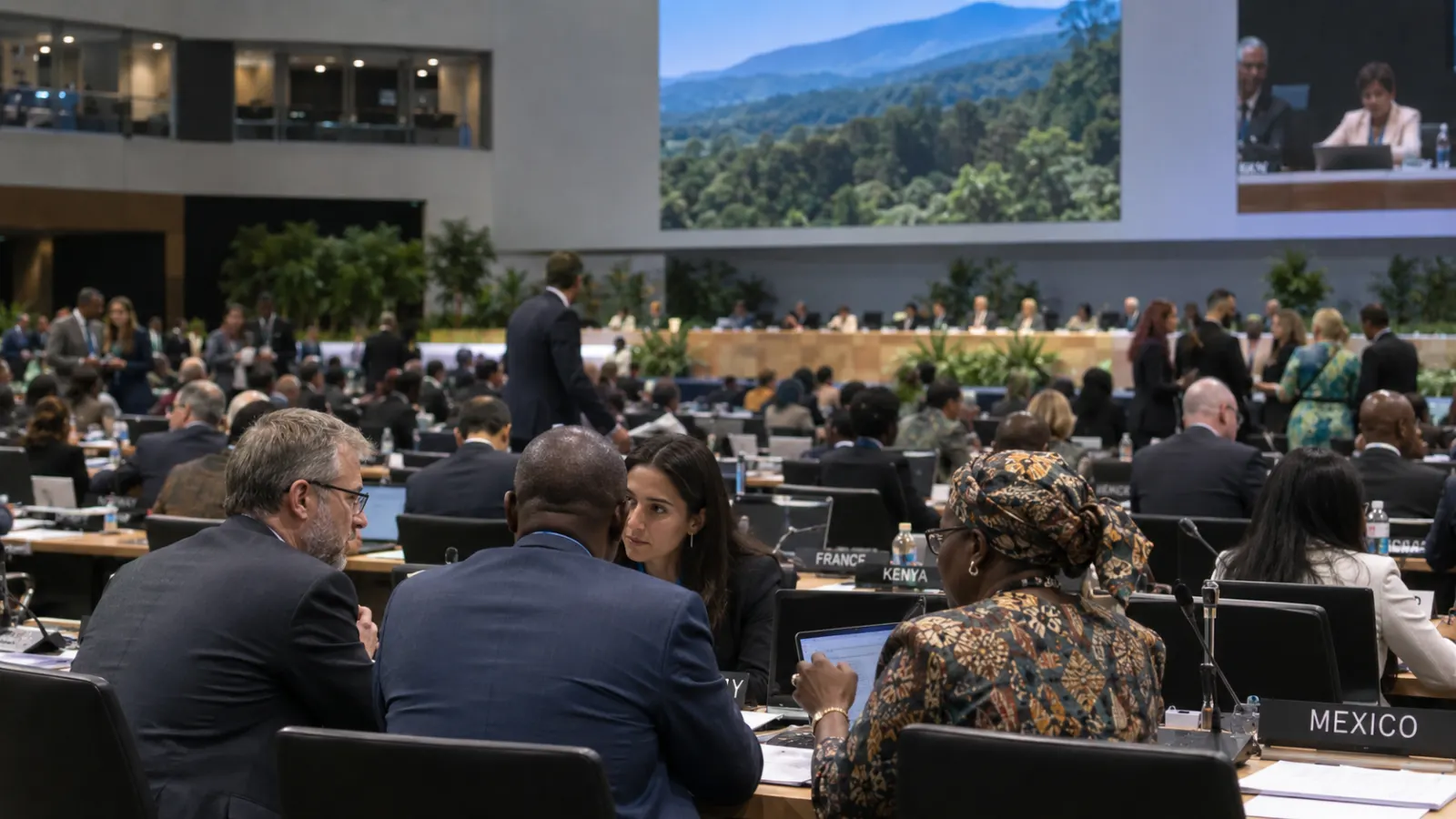
The agreement was adopted at the United Nations Climate Change Conference in Paris in December 2015 and entered into force in November 2016. Its core temperature goal is to hold the increase in global average temperature to well below 2 degrees Celsius above pre-industrial levels while pursuing efforts to limit the increase to 1.5 degrees Celsius. That sentence is the heart of the treaty. It translates scientific concern into a diplomatic benchmark and gives governments, companies, investors and civil society a common reference point for judging climate action.
To understand the agreement properly, we must start with what came before it. The original United Nations Framework Convention on Climate Change, adopted in 1992, established the basic principle that countries should prevent dangerous human interference with the climate system. Later, the Kyoto Protocol created binding emission targets for developed countries, but it did not cover the whole global economy in the same way. By the early twenty-first century, emissions from emerging economies had grown, the economic map had changed, and the old division between a small set of legally bound developed countries and everyone else was politically insufficient. The Paris Agreement was designed to bring all countries into a common system, while still recognizing different national circumstances.
Background: Why Paris Was Different
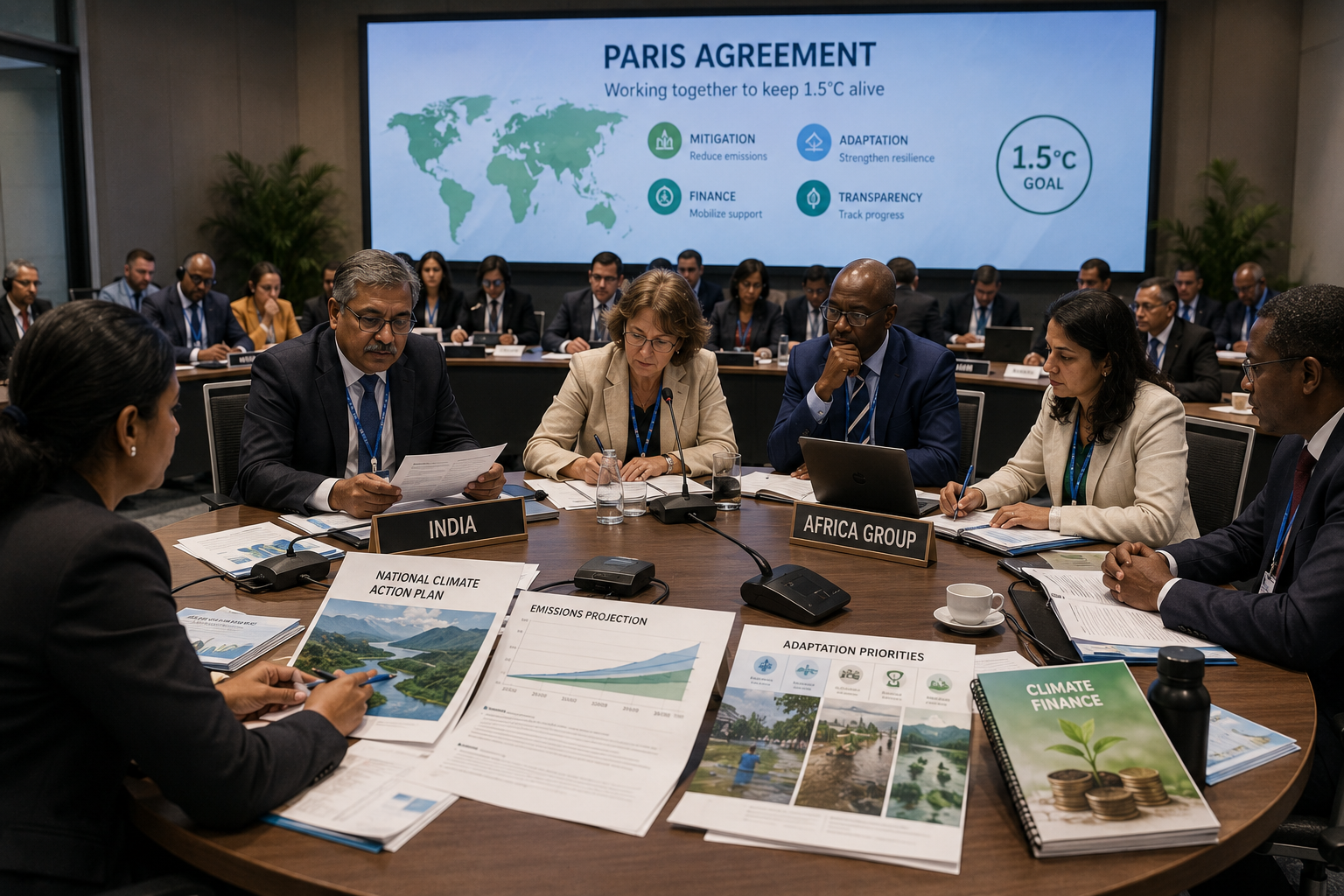
The most important mechanism in the agreement is the nationally determined contribution, or NDC. An NDC is a country climate plan. It explains what a country intends to do to reduce emissions, adapt to climate impacts and sometimes provide or use support. The phrase nationally determined is important. Paris does not assign identical targets from above. Each country decides its own contribution according to its circumstances, development needs, political choices and capacity. This makes the agreement flexible enough for broad participation, but it also creates a major weakness: if national pledges are collectively too weak, the treaty itself does not automatically close the gap.
The solution built into Paris is the ratchet mechanism. Countries are expected to submit updated NDCs every five years, and each successive NDC is meant to represent a progression beyond the previous one. In simple language, the agreement asks countries not to stand still. The first round of pledges was never expected to solve climate change fully. The theory was that repeated cycles of planning, reporting, peer pressure, public scrutiny, technological progress and economic change would gradually raise ambition. Paris is therefore less like a final settlement and more like a governance machine.
The global stocktake is the treaty’s collective mirror. It assesses where the world stands in relation to the long-term goals of the agreement. It is not designed to shame one country in isolation; rather, it asks whether the global response is adequate. Are emissions falling fast enough? Is adaptation keeping pace with climate impacts? Is finance reaching countries that need support? The answer from the first stocktake was clear: action has expanded, but the world is not yet on track for the temperature goals. That finding matters because it should inform the next round of NDCs.
NDCs, Ratcheting and Transparency
Transparency is another key pillar. Climate diplomacy cannot work if countries make claims that no one can examine. Under the enhanced transparency framework, countries report information on emissions, mitigation progress, adaptation actions and support provided or received. This helps build trust. It also helps domestic audiences, researchers, investors and civil society compare promises with reality. The agreement depends heavily on public accountability because its enforcement model is not like a criminal law system with police and courts. It works through reporting, review, diplomacy, markets, reputational pressure and national implementation.
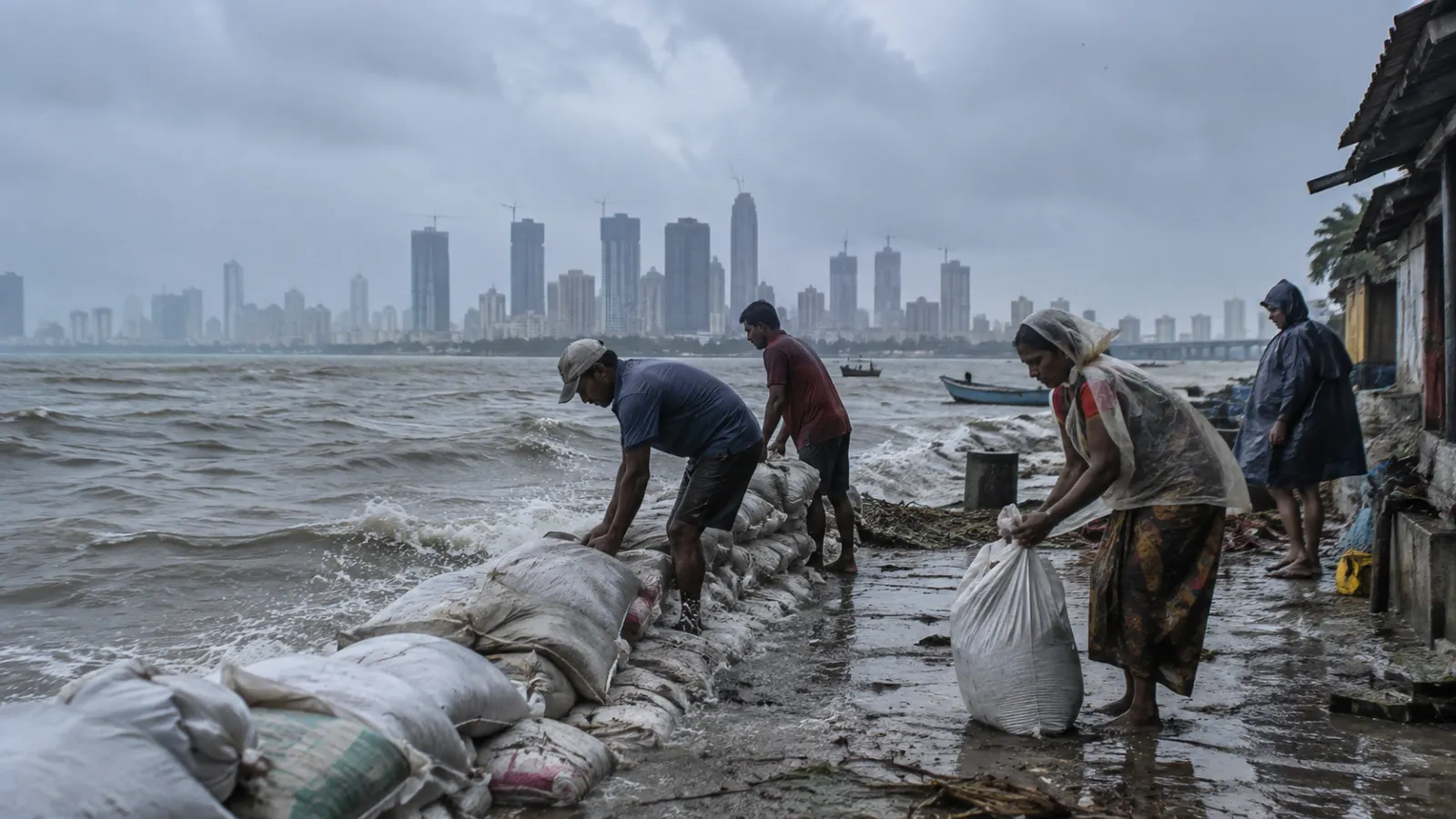
Adaptation is central to the Paris Agreement, even though public debate often focuses on emission cuts. Adaptation means adjusting societies, economies and ecosystems to climate impacts that are already happening or cannot be avoided. For a flood-prone city, adaptation may mean drainage, wetlands restoration, early warning systems and building codes. For farmers, it may mean climate-resilient seeds, water management, crop diversification and insurance. For coastal communities, it may mean seawalls, mangroves, managed retreat or new land-use rules. Paris recognizes that climate action is not only about preventing future warming; it is also about surviving the warming already locked in.
Adaptation, Finance and Support
Climate finance is another controversial but essential element. Developed countries are expected to take the lead in providing financial support to developing countries for mitigation and adaptation. This is not charity in the ordinary sense. It is rooted in history, capacity and fairness. Industrialized countries built much of their wealth through high-carbon development and generally have greater fiscal resources. Many developing countries face the dual challenge of reducing future emissions while still expanding energy access, infrastructure, jobs and resilience. Without finance, technology and capacity-building, the global transition becomes both slower and less just.
Technology transfer and capacity-building may sound technical, but they are practical questions. A country cannot implement a renewable energy transition without grid planning, storage, technical skills, finance, land rules and stable institutions. A city cannot create reliable flood warning without data systems and trained agencies. A small island state cannot negotiate climate finance effectively without legal and technical capacity. Paris includes these support systems because climate action is not merely a target-setting exercise; it is an implementation challenge.
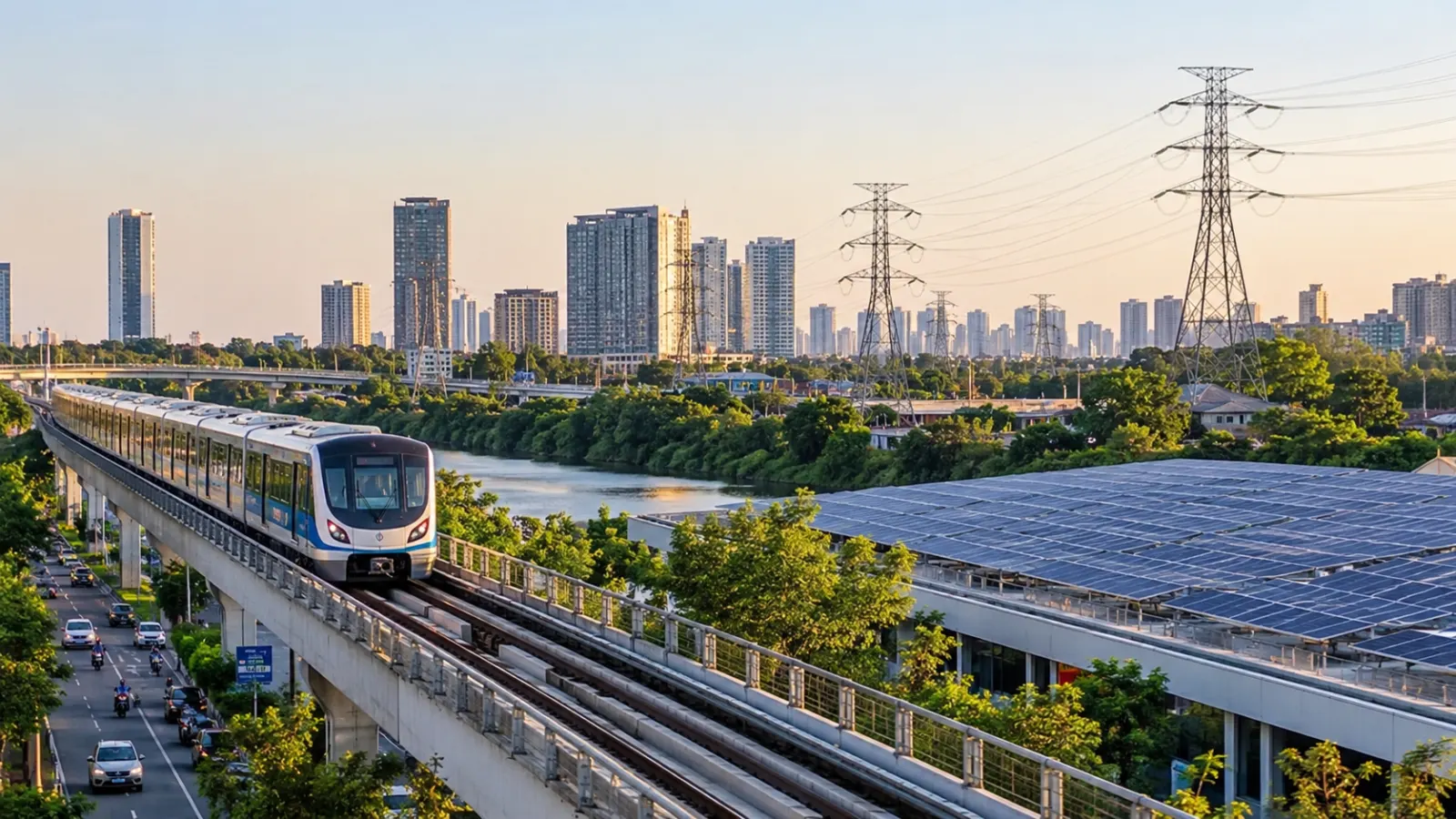
The agreement also changed the language of climate politics. Before Paris, many discussions revolved around burden-sharing: who must cut, who should pay, and who caused the problem. Those questions remain important, but Paris added a second language: transformation. It encouraged governments and markets to think about long-term low-emission development, net zero strategies, carbon neutrality, clean technology, resilient infrastructure and transition planning. This shift helped move climate policy from environmental departments into finance ministries, energy regulators, corporate boards and central banks.
Yet the Paris Agreement has real limits. Its most obvious weakness is the gap between goals and actions. The treaty can create a structure for ambition, but it cannot by itself guarantee that countries will rewrite energy systems fast enough. Many governments continue to approve fossil-fuel infrastructure while promising long-term climate targets. Some NDCs lack detail, credible finance or legal backing. Others depend on future technologies or carbon removals at a scale that may not arrive. The treaty’s success therefore depends on national politics, economic choices, technology deployment and public pressure.
Limits, Trust and Real-World Politics
Another limitation is that Paris does not eliminate conflicts between development and decarbonization. Many poorer countries argue that they need energy, roads, industry and jobs before they can take on strict emission limits. Wealthier countries argue that global emissions must fall quickly everywhere. Both concerns contain truth. The challenge is to create development pathways that are cleaner than past industrialization while also respecting the right to development. This requires finance, fair trade rules, technology access and policy space, not just moral lectures.
The Paris Agreement also faces the problem of trust. Countries may hesitate to increase ambition if they believe others are not acting. Developing countries may distrust promises of finance. Fossil-fuel-dependent regions may fear job losses. Citizens may oppose climate policies if they raise living costs without visible fairness. For Paris to work, climate policy must be credible not only internationally but domestically. It must show how lower emissions can align with cleaner air, energy security, employment, health, innovation and resilience.
A common misconception is that the agreement is useless because it has not yet stopped emissions growth completely. This is too simple. A treaty can be historically important and still insufficient. Paris has helped normalize climate targets, accelerate national planning, guide investment expectations and create a common accountability framework. At the same time, the real-world pace of change remains too slow for the 1.5 degree goal. The correct judgment is neither celebration nor dismissal. The agreement is necessary but not enough.
Another misconception is that Paris is only about carbon dioxide. In practice, climate action under Paris covers the wider greenhouse gas system, including methane, nitrous oxide and fluorinated gases, as well as land use, forests, adaptation and finance. Methane is especially important because reducing it can slow near-term warming. Land-use policy matters because forests, soils and ecosystems affect both emissions and resilience. The agreement’s broad design allows countries to address climate change as a whole economy and whole society issue.
For readers, the simplest way to understand Paris is as a scoreboard, a timetable and a pressure system. It creates a scoreboard by asking countries to report pledges and progress. It creates a timetable through five-year cycles and long-term strategies. It creates pressure by comparing national actions with global temperature goals. It cannot make every government act with the required urgency, but it makes inaction harder to hide.
Final Takeaway
The final significance of the Paris Climate Agreement is that it turned climate change into a permanent test of governance. Every country must now answer a recurring question: how will it develop, produce energy, build cities, move goods, feed people and protect citizens in a warming world? Paris does not answer that question for them. It forces the question onto the agenda again and again. That is why it remains central. Its success will not be measured by the beauty of the treaty text, but by whether the next decades turn promises into measurable reductions, stronger resilience and a safer climate future.
For editorial clarity, this subject should be presented as both a scientific explanation and a practical public-interest issue. The reader should not leave with only a definition. They should understand the mechanism, the evidence, the limits of certainty, the governance relevance and the real-world choices that follow. Environmental writing is strongest when it connects physical processes with human consequences without exaggerating beyond the evidence.
For editorial clarity, this subject should be presented as both a scientific explanation and a practical public-interest issue. The reader should not leave with only a definition. They should understand the mechanism, the evidence, the limits of certainty, the governance relevance and the real-world choices that follow. Environmental writing is strongest when it connects physical processes with human consequences without exaggerating beyond the evidence.
For editorial clarity, this subject should be presented as both a scientific explanation and a practical public-interest issue. The reader should not leave with only a definition. They should understand the mechanism, the evidence, the limits of certainty, the governance relevance and the real-world choices that follow. Environmental writing is strongest when it connects physical processes with human consequences without exaggerating beyond the evidence.
For editorial clarity, this subject should be presented as both a scientific explanation and a practical public-interest issue. The reader should not leave with only a definition. They should understand the mechanism, the evidence, the limits of certainty, the governance relevance and the real-world choices that follow. Environmental writing is strongest when it connects physical processes with human consequences without exaggerating beyond the evidence.
For editorial clarity, this subject should be presented as both a scientific explanation and a practical public-interest issue. The reader should not leave with only a definition. They should understand the mechanism, the evidence, the limits of certainty, the governance relevance and the real-world choices that follow. Environmental writing is strongest when it connects physical processes with human consequences without exaggerating beyond the evidence.
For editorial clarity, this subject should be presented as both a scientific explanation and a practical public-interest issue. The reader should not leave with only a definition. They should understand the mechanism, the evidence, the limits of certainty, the governance relevance and the real-world choices that follow. Environmental writing is strongest when it connects physical processes with human consequences without exaggerating beyond the evidence.
Key Takeaways
The Paris Agreement is a legally binding international treaty built around a shared temperature goal and national climate plans.
Its core operating tool is the nationally determined contribution, updated through a five-year ambition cycle.
Transparency, global stocktakes, finance, technology and adaptation support are central to how the agreement functions.
Paris is necessary but not sufficient; its success depends on national implementation and stronger near-term action.