Folklore is the traditional knowledge, stories, expressions, customs, arts and everyday practices that communities pass from one generation to another. It includes folktales, legends, myths, proverbs, riddles, songs, dances, rituals, jokes, crafts, festivals, healing practices, food customs, children’s games, occupational traditions, local beliefs and community performances. Folklore is not merely “old stories.” It is living culture as ordinary people create, share, modify and preserve it.
The word folklore often makes people imagine distant villages, ancient tales, grandmothers, fireside narration or rural festivals. These are important, but folklore is much broader. It exists wherever groups create shared traditions outside formal institutions. Students have folklore. Workers have folklore. Soldiers, drivers, artisans, religious communities, internet users, migrants, families and neighbourhoods all create repeated expressions and informal customs. Folklore is the culture people carry in memory and practice, not only the culture written in official books.
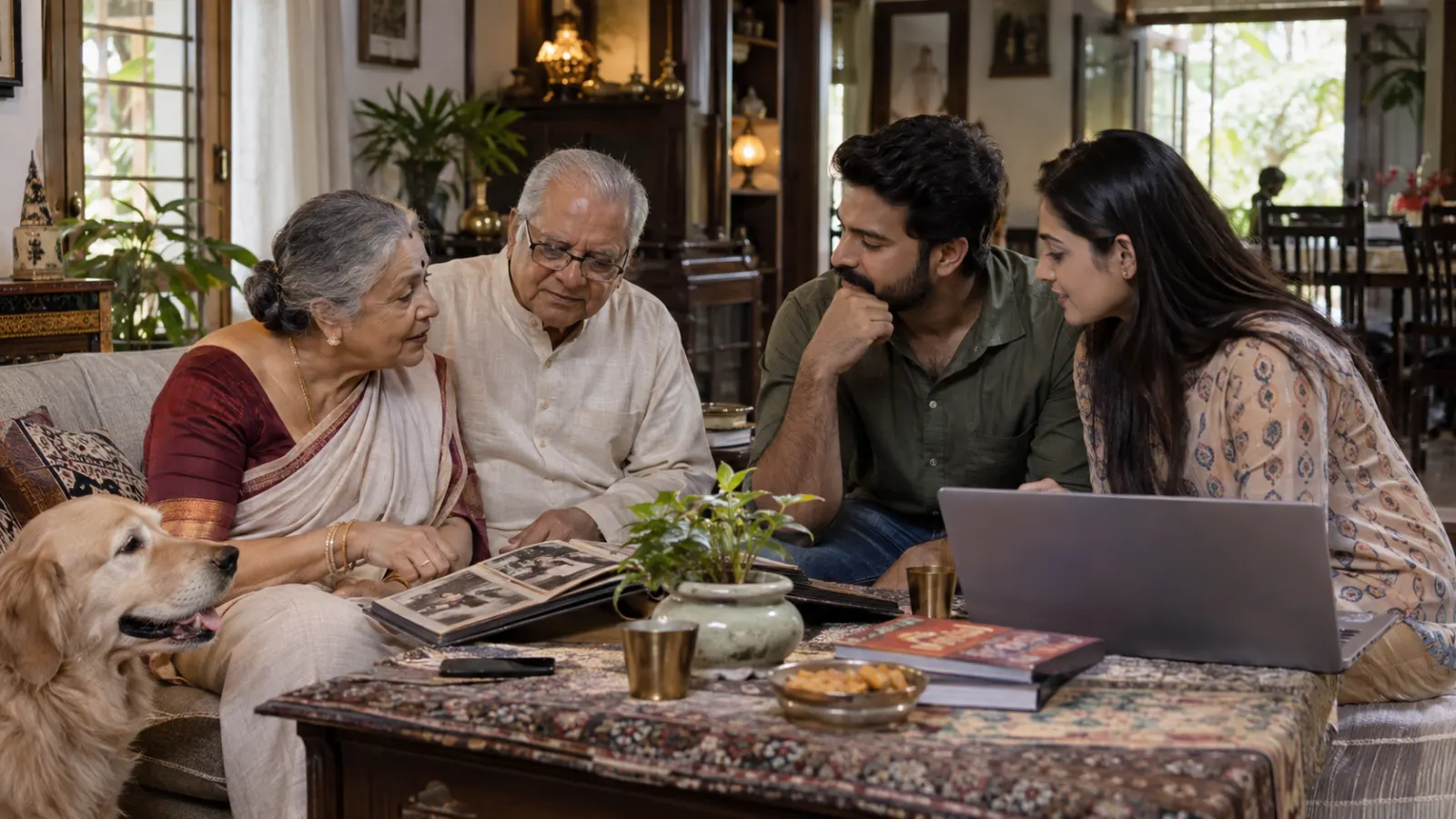
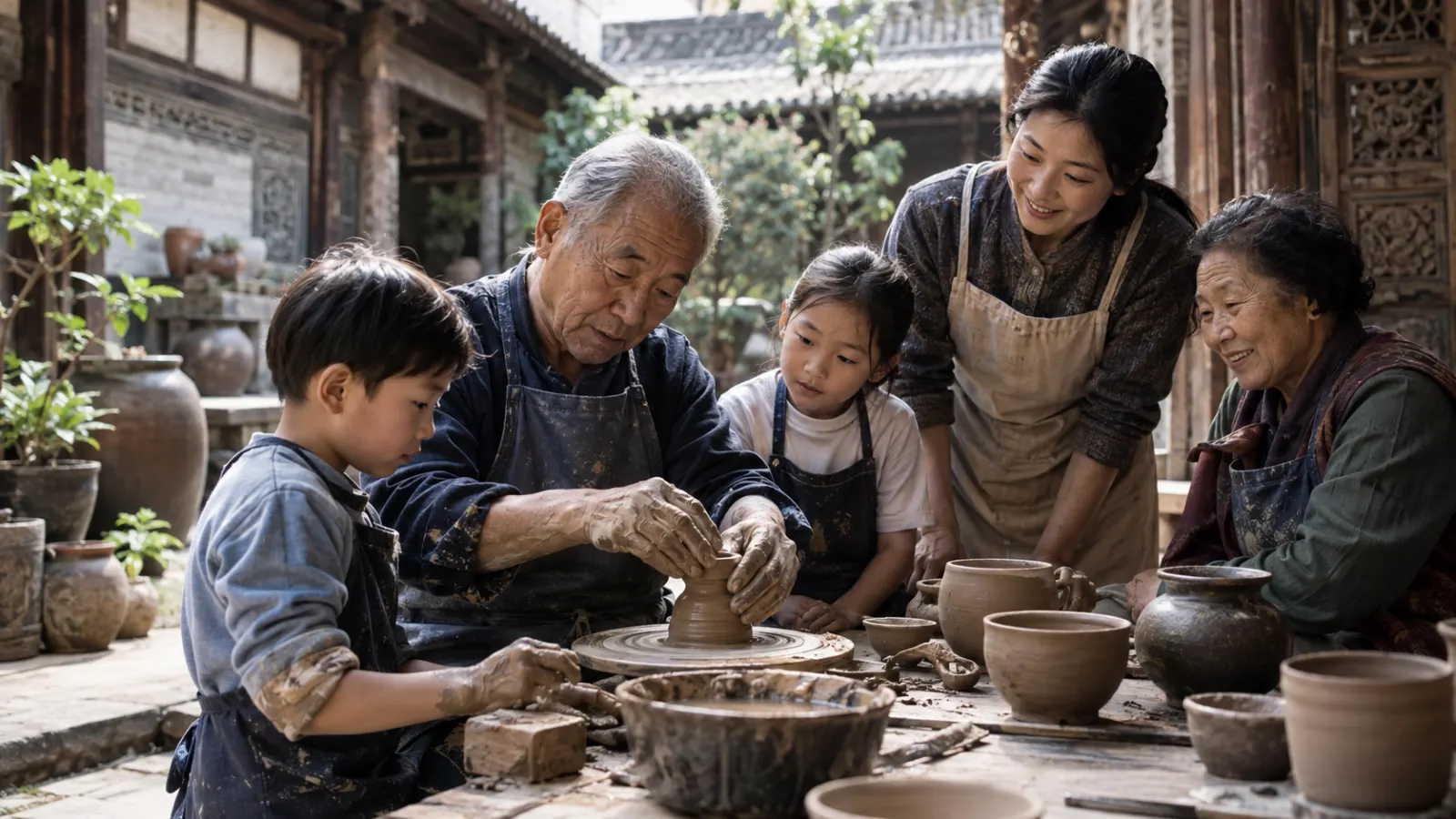
At its simplest, folklore is community-based tradition. It is learned through participation more than formal schooling. A child learns a lullaby by hearing it, a proverb by repetition, a festival song by singing with others, a recipe by watching, a ritual gesture by imitation, a joke form by social use, and a craft by apprenticeship. Folklore survives because people perform it, not because it is locked in an archive.
UNESCO’s language of intangible cultural heritage helps us understand folklore in a modern way. Intangible cultural heritage includes traditions or living expressions inherited from ancestors and passed to descendants, including oral traditions, performing arts, social practices, rituals, festive events, knowledge and skills. This is close to what folklore has long meant: living, transmitted culture rooted in community recognition.
Folklore matters because it preserves the unofficial memory of society. Official history may record rulers, laws, wars and institutions. Folklore remembers fears, humour, hopes, moral lessons, local heroes, seasonal rhythms, everyday labour and community imagination. A folktale may preserve anxieties about greed. A proverb may contain agricultural wisdom. A festival song may carry memory of migration. A craft pattern may encode regional identity. A children’s game may preserve older social forms without anyone consciously realising it.
Folktales are among the most familiar forms of folklore. They often involve animals, clever children, foolish kings, spirits, demons, magical objects, moral tests and surprising reversals. Their value lies not only in entertainment but in cultural teaching. They show what a community admires and fears: intelligence, courage, generosity, loyalty, humility, justice or caution. A tale may teach that arrogance falls, greed destroys, kindness is rewarded or the weak can outwit the strong.
Proverbs are another compact form of folklore. A proverb turns experience into memorable language. It may advise patience, warn against pride, praise labour, criticise laziness or comment on human nature. Proverbs survive because they are easy to repeat and socially useful. They allow elders to teach without long explanation. They also reveal values. A society’s proverbs often show what it thinks about family, wealth, time, women, outsiders, fate, speech and power.
Folk songs and ballads preserve emotion through melody. They may be sung during harvest, marriage, childbirth, devotion, work, mourning, travel or protest. Many folk songs carry women’s voices, labour experiences, regional landscapes and local histories that formal literature ignored. A song sung during work can coordinate labour and reduce fatigue. A wedding song can express joy but also anxiety about separation. A protest song can carry dissent when direct speech is risky.
Rituals and festivals also belong to folklore when they are community-based, repeated and symbolically meaningful. A ritual may involve food, costume, music, movement, prayer, procession, offerings or storytelling. It turns inherited belief into action. Festivals create collective time. They tell a community when to gather, what to remember, how to decorate, what to eat and how to renew relationships. Folklore gives seasonal life its cultural rhythm.
Craft traditions are a major part of folklore. Pottery, weaving, embroidery, woodwork, metalwork, mask-making, toy-making, painting and instrument-making carry more than technique. They carry design memory, local materials, symbolic patterns, family knowledge and community economy. A craft object is visible, but the folklore lies also in the skill, story and social context behind it. When a craft disappears, a community loses embodied knowledge.
Folklore is often transmitted orally, but oral does not mean simple or unreliable. Oral traditions can preserve complex material through rhythm, repetition, formula, performance discipline and community correction. Epics, genealogies, ritual chants and ceremonial speech can be transmitted with remarkable care. At the same time, oral transmission allows variation. Each performance may adapt details to audience, occasion and teller. This flexibility is part of folklore’s life.
A common misconception is that folklore is false because it is not always historically factual. This misunderstands its function. Folklore may contain historical memory, but it is not always trying to be documentary history. It often expresses symbolic truth, moral insight, community anxiety or collective imagination. A legend about a local place may not be accurate in every detail, but it may reveal how people relate to that place. A myth may not be scientific explanation, but it may express a culture’s understanding of order, duty and sacredness.
Another misconception is that folklore belongs only to uneducated or rural people. This is wrong. All social groups create folklore. Urban legends, office jokes, exam superstitions, hostel rituals, protest slogans, sports chants, fan communities and internet memes are modern folklore. The medium changes, but the social process is similar: people create, repeat, modify and share expressive forms that carry group meaning.
Digital folklore is especially important today. Memes, viral jokes, creepypasta stories, online challenges, fandom references, hashtag rituals and platform-specific humour show that folklore has moved into networked spaces. The Library of Congress’s American Folklife Center has recognised web cultures as spaces where people develop and share emergent cultural traditions. This shows that folklore is not dead in the digital age. It is constantly changing form.
However, digital folklore differs from older forms in speed and scale. A joke can travel globally in minutes. A meme can be remixed thousands of times. A rumour can become a legend before anyone verifies it. This creates creative energy but also misinformation risk. Traditional folklore usually moved through slower community channels; digital folklore moves through algorithms, anonymity and mass participation. The study of folklore now includes online life because culture itself has moved online.
Folklore also carries identity. Communities often use folklore to say, “This is who we are.” Regional songs, local legends, food customs, craft styles and festival performances distinguish one group from another. Migrants may preserve folklore to remain connected to home. Diaspora communities may teach children folk dances or songs to maintain identity. Folklore becomes a portable cultural archive.
But folklore can also be contested. A community may disagree over who owns a tradition, who has the right to perform it, whether it should be commercialised, how it should be represented and whether outsiders can use it. Cultural appropriation debates often involve folklore. A sacred pattern, ritual song or community craft may be taken out of context and sold without respect or benefit to the originating community. Folklore is not free decoration; it belongs to living social worlds.
Preservation of folklore requires care. Recording songs, documenting stories, filming performances and archiving crafts are important. But documentation alone is not enough. A tradition recorded but no longer practised is preserved as evidence, not as life. Living folklore needs practitioners, audiences, transmission spaces, economic support and social respect. A folk artist cannot preserve a tradition if they cannot survive materially. Cultural preservation must include dignity and livelihood.
Schools and museums can help, but they must avoid freezing folklore into a single official version. Folklore is diverse and variable. A folk song may have many local forms. A festival may differ from village to village. A tale may change from one teller to another. Standardisation may make folklore easier to display, but it can reduce its living complexity. The best cultural institutions work with communities rather than speaking over them.
Folklore also has a relationship with power. Some traditions are celebrated as national heritage, while others are ignored because they belong to marginalised communities. Elite art may be funded and documented, while folk traditions are treated as decorative background. Yet folklore often contains the richest expressions of ordinary life. Recognising folklore is a way of recognising people whose voices may not dominate formal history.
At the same time, folklore should not be romanticised blindly. Some folk beliefs may reinforce superstition, caste prejudice, gender inequality or fear of outsiders. Some jokes may carry cruelty. Some customs may exclude. A critical view does not mean rejecting folklore; it means understanding that living traditions contain both wisdom and contradiction. Societies can preserve artistic and emotional richness while questioning harmful meanings.
Folklore endures because it adapts. A folk song may enter cinema. A traditional motif may appear in modern design. A local legend may become a comic, podcast or animation. A craft may use new materials. A festival may become urban. A proverb may turn into a meme. These changes can keep folklore alive if communities remain connected to meaning and benefit. Adaptation becomes problematic only when the tradition is emptied, exploited or misrepresented.
In the end, folklore is the people’s cultural memory in motion. It is how communities narrate, sing, joke, craft, bless, warn, celebrate and remember. It is not lower than classical culture; it is another kind of cultural intelligence. It grows from everyday life rather than formal authority.
To understand folklore is to understand that culture is not created only by great authors, rulers, institutions or monuments. Culture is also created by grandmothers, farmers, workers, children, migrants, performers, artisans, devotees, internet users and neighbourhoods. Folklore is the living evidence that ordinary people are not passive receivers of culture. They are its makers.
Another useful way to understand folklore is to see it as culture without a single author. A novel usually has an author, a film has a director, and a law has an issuing authority. Folklore is different. It is shaped by many hands over time. A proverb may have no known creator. A folktale may belong to many regions in different versions. A song may change as singers add lines, alter rhythm or adapt it to a new occasion. This collective authorship is not a weakness. It is what makes folklore social.
Folklore also helps people manage uncertainty. Many superstitions, omens, charms and protective rituals emerge from situations where people feel vulnerable: childbirth, illness, travel, exams, farming, storms, business risks or marriage. Even when modern knowledge questions their literal accuracy, such practices reveal emotional needs. They show how communities try to create control, reassurance and order in uncertain circumstances. Studying folklore therefore teaches us about fear as well as belief.
Children’s folklore is especially revealing. Counting rhymes, playground games, teasing formulas, secret rules, ghost stories, classroom jokes and exam rituals show that children are active cultural creators. They do not only receive adult tradition; they generate their own. These forms teach cooperation, competition, courage, social boundaries and humour. They also travel quickly from one school or neighbourhood to another, changing as they move.
Occupational folklore is another important area. Every profession develops informal sayings, initiation jokes, cautionary tales, shortcuts, moral codes and stories about good or bad workers. Drivers, nurses, soldiers, shopkeepers, journalists, artisans, teachers and office employees all have work cultures that include folklore. These traditions help people make sense of risk, hierarchy, pride and frustration within their occupation. Folklore is therefore not outside modern work; it is inside it.
The study of folklore also teaches humility. It reminds us that valuable knowledge does not always arrive in academic language. A grandmother’s healing practice, a farmer’s weather proverb, a craftsperson’s rule of touch, a fisherman’s seasonal memory or a singer’s oral repertoire may contain generations of observation. Not all inherited knowledge is automatically correct, but dismissing it without study is intellectual arrogance. Folklore asks us to listen to the intelligence of lived experience.