Cultural values are the deep beliefs a society holds about what is important, desirable, respectable, shameful, right or wrong. They are not always written down, but they influence almost everything: how people raise children, choose careers, treat elders, build families, judge success, handle conflict, use money, understand gender, relate to religion and participate in public life. If culture is the larger way of life of a group, cultural values are the moral compass inside that way of life.
A value is different from a habit. A habit is something people repeatedly do. A value is the reason they believe it should be done. For example, eating together may be a habit; valuing family unity is the deeper cultural value behind it. Touching elders’ feet may be a practice; respect for age and hierarchy may be the value behind it. Saving money may be a habit; security and responsibility may be the values behind it. Speaking softly in public may be a habit; modesty or social harmony may be the value behind it.
UNESCO’s broad understanding of culture includes value systems, traditions and beliefs, which is important because values are not separate from culture; they are central to it. Culture tells people how life is organised, but values tell people why that organisation matters. They give emotional weight to social rules. A rule without a value feels mechanical. A value gives the rule legitimacy.
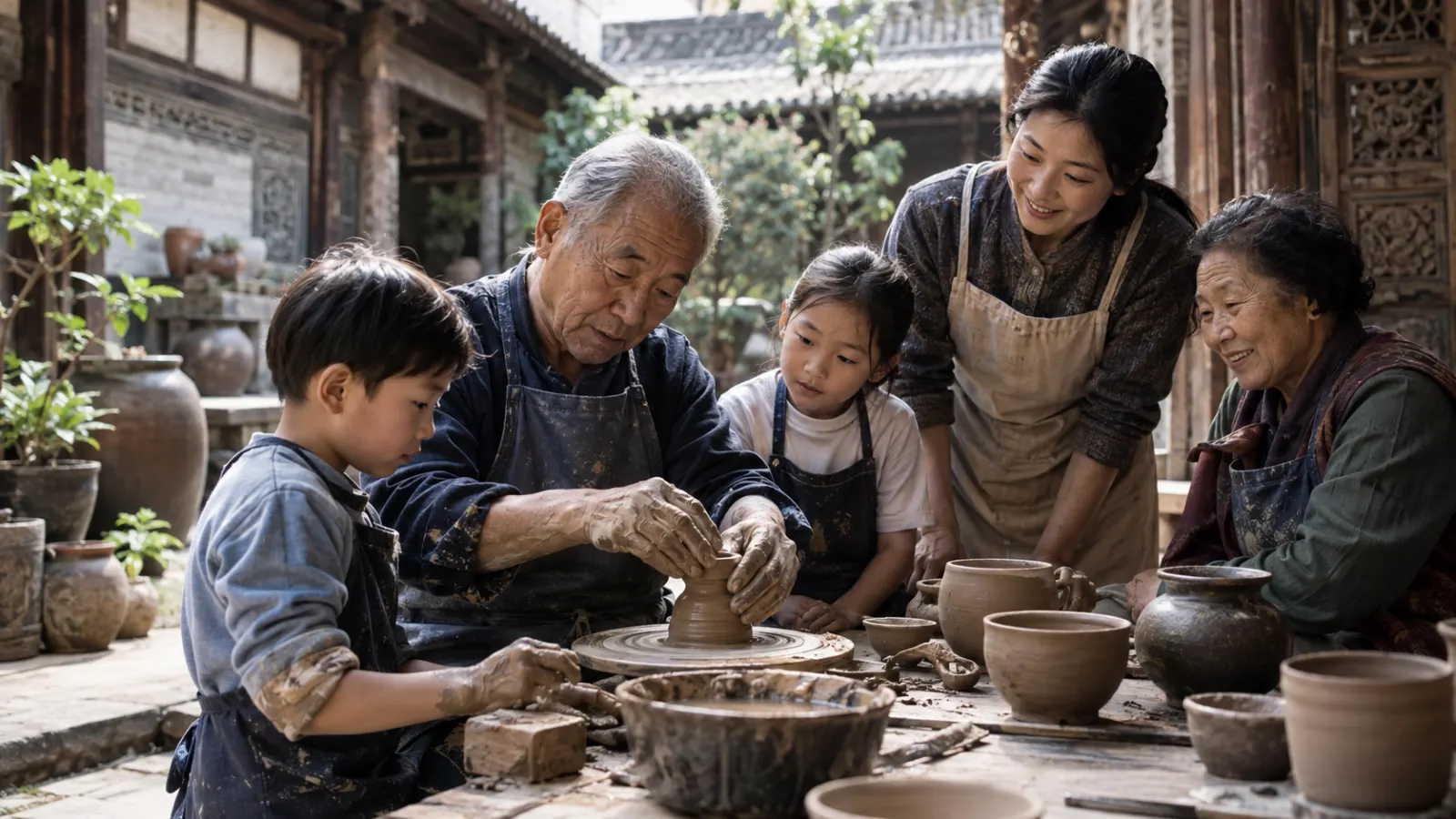
Cultural values are learned early. Children absorb them long before they can define them. They learn from parental approval and disapproval, stories told at home, religious teachings, school discipline, television, festivals, neighbourhood expectations, peer pressure and public praise. A child may learn that sharing is good, lying is shameful, academic success brings honour, elders should not be contradicted, guests must be respected, or family reputation matters. These lessons become part of the child’s moral imagination.
Many cultural values operate silently. People do not wake up every morning and consciously decide to follow them. They feel natural. A person raised in a highly individualistic environment may assume that choosing one’s own career, partner and lifestyle is normal. A person raised in a strongly family-oriented culture may assume that major life decisions should consider parents, siblings and community. Neither person may initially see their view as “cultural.” They may simply call it common sense.
This is one of the strongest features of cultural values: they turn social expectations into common sense. They define what feels normal. In one society, living with parents after adulthood may be seen as responsible and loving. In another, it may be seen as lack of independence. In one setting, questioning a teacher may show curiosity. In another, it may look disrespectful. In one culture, direct eye contact may signal confidence. In another, it may be seen as rude. The behaviour changes meaning because the value system changes.
Cultural values are also collective. A person may personally disagree with some values of their society, but those values still shape the environment around them. For example, a young woman may value personal freedom, but if her community strongly values family honour, her choices may still be judged through that lens. A young man may value artistic creativity, but if his family values financial security above all, he may feel pressure to choose a stable profession. Cultural values create expectations even for those who resist them.
Some common cultural values include respect for elders, hospitality, family loyalty, religious devotion, modesty, courage, honour, education, hard work, equality, individual freedom, community service, discipline, purity, ambition, generosity, thrift, punctuality and patriotism. Different societies arrange these values differently. Most cultures value several of them at once, but conflicts arise when one value competes with another.
For example, freedom and family duty may conflict. A person may want to choose a career in the arts, while their family expects a profession seen as stable and respectable. Equality and hierarchy may conflict. A workplace may speak of teamwork while still expecting juniors never to question seniors. Tradition and innovation may conflict. A community may want to preserve rituals while younger members want to adapt them. Security and risk-taking may conflict. Parents may value safe employment, while youth may value entrepreneurship.
These conflicts show that cultural values are not always harmonious. A society may officially praise equality but informally practise discrimination. It may value education but discourage critical thinking. It may value women’s dignity but restrict women’s freedom. It may value community but stigmatise those who are different. Cultural values can inspire moral behaviour, but they can also hide contradictions.
This is why values must be examined, not merely repeated. A value such as respect is important, but what does respect mean? Does it mean kindness, listening and dignity? Or does it mean unquestioned obedience to authority? A value such as tradition may preserve memory, but does it allow reform? A value such as honour may encourage responsibility, but does it become oppressive when tied to control over women’s choices? A value such as success may motivate hard work, but does it reduce human worth to money and status?
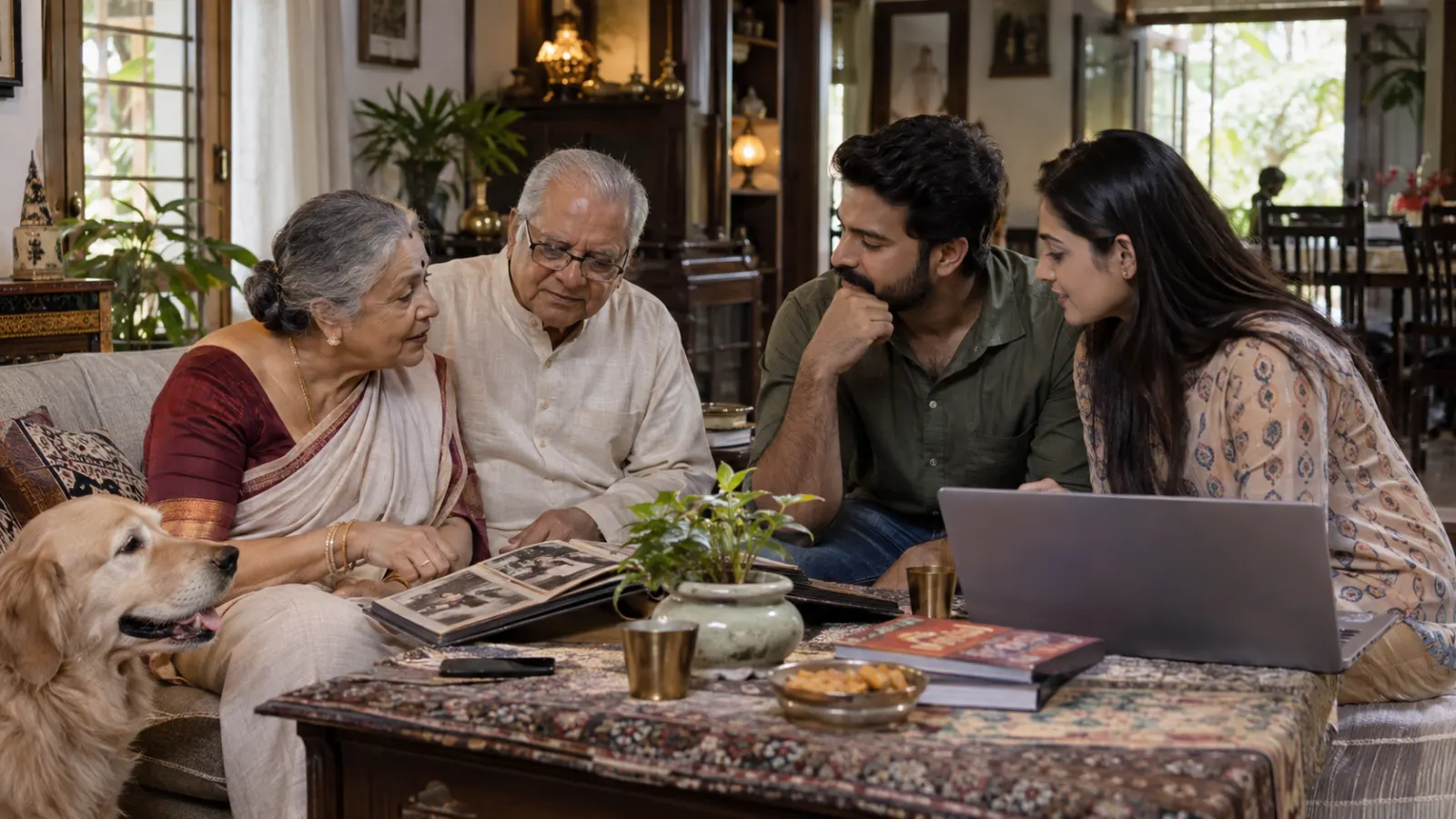
Cultural values shape family life deeply. In many societies, family is not only a private emotional unit but a moral institution. Values such as duty, sacrifice, loyalty, obedience, care and reputation guide family decisions. Marriage may be seen not only as personal love but as a bond between families. Children may be expected to care for ageing parents. Parents may invest heavily in education because children’s success is seen as collective family achievement. These values can create strong support systems, but they may also generate pressure.
Cultural values shape gender roles as well. Ideas about masculinity and femininity are not merely biological; they are culturally taught. Boys may be encouraged to be strong, ambitious and emotionally restrained. Girls may be encouraged to be caring, modest and family-oriented. These expectations vary across societies and classes, but they show how cultural values enter the body, speech, clothing, work and emotional life. When societies change their values around gender, everyday behaviour changes too.
Cultural values also influence economic behaviour. Some societies strongly value saving; others value consumption as a sign of success. Some value entrepreneurship; others value secure employment. Some value collective family investment; others value individual financial independence. Trust, reputation, kinship networks and community obligations can shape business practices. Even modern markets operate inside cultural values. Advertising often succeeds by appealing to values such as status, care, beauty, freedom, tradition or aspiration.
Education is another field shaped by values. A society that values discipline may design classrooms around obedience and examination. A society that values creativity may encourage debate and experimentation. A family that values upward mobility may see education as the route to dignity. A community that values tradition may use education to transmit language, religion and history. But education can also challenge inherited values by exposing students to new ideas.
Cultural values shape politics because political choices are often moral choices. Voters do not respond only to economic promises. They respond to ideas of justice, identity, dignity, order, freedom, security, religion, nationalism and social change. A policy may be accepted or rejected depending on whether it fits the values people hold. Debates over language, reservation, migration, minority rights, women’s rights, censorship, public morality and education are often debates over cultural values.
Values are also visible in how societies treat difference. A culture that values conformity may pressure people to fit established norms. A culture that values pluralism may allow multiple ways of living. UNESCO’s Universal Declaration on Cultural Diversity emphasises cultural diversity as part of humanity’s common heritage, which points to the importance of respecting different cultural expressions while maintaining dialogue. Cultural values can either open society to diversity or close it into suspicion.
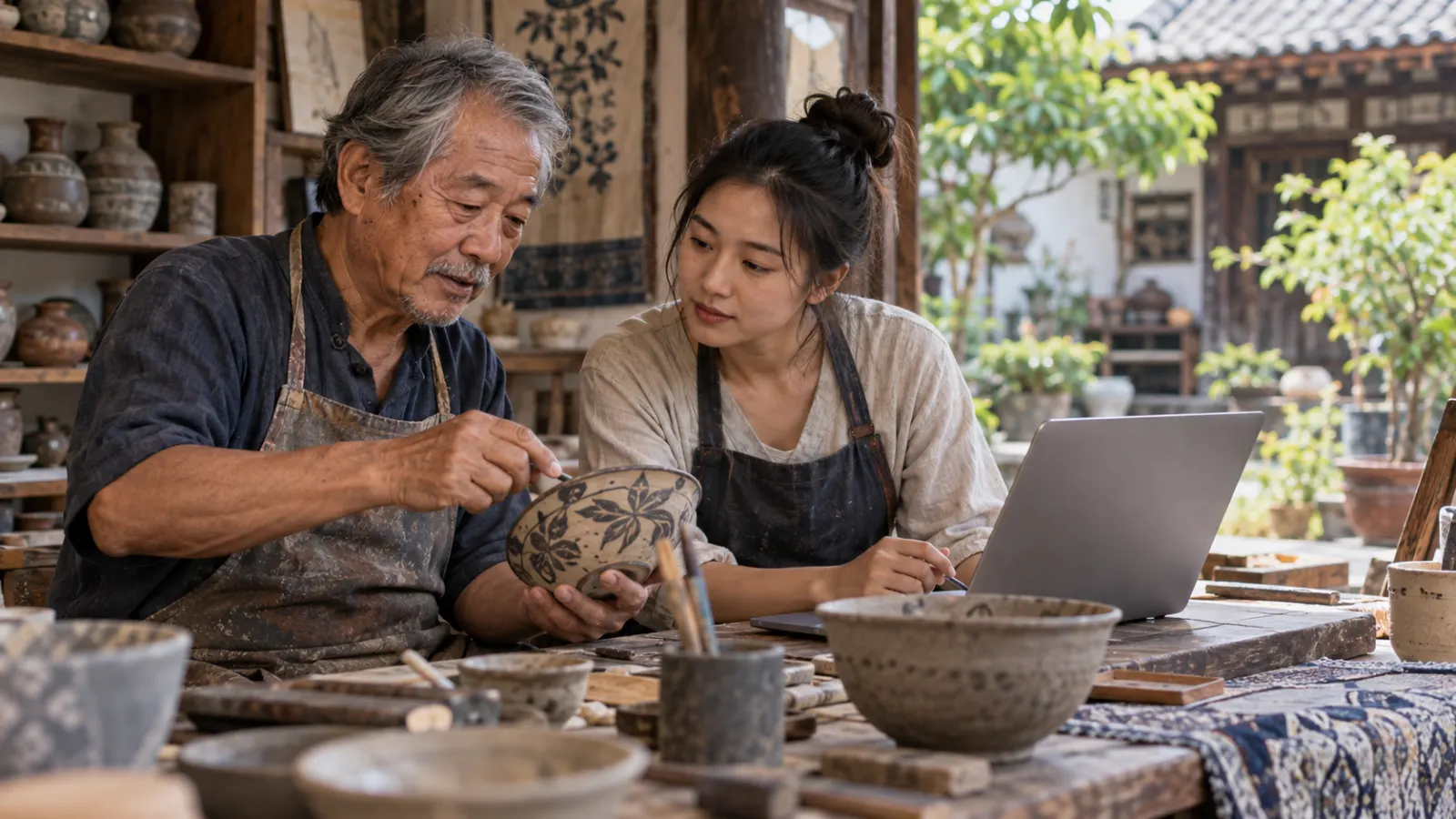
However, cultural values are not permanent. They change with history. Industrialisation changed values around work and time. Urbanisation changed values around family and neighbourhood. Education changed values around authority and aspiration. Feminist movements challenged values around gender. Migration changed values around identity and belonging. Digital media changed values around privacy, fame, speech and relationships. Economic insecurity can revive values of stability. Political movements can revive values of national pride or religious identity.
The change is often uneven. Older and younger generations may hold different values at the same time. Rural and urban communities may differ. Rich and poor groups may interpret the same value differently. A wealthy family may describe career choice as passion; a poorer family may see it through survival. A city teenager may value self-expression; their grandparents may value restraint. These differences do not mean one side has culture and the other does not. They mean culture is being negotiated.
This negotiation is especially visible in modern India and other rapidly changing societies. Young people may respect family but want personal choice. They may celebrate festivals but question expensive rituals. They may value marriage but reject forced matches. They may value religion but dislike moral policing. They may speak regional languages at home, English at work and internet slang online. Their values are not simply Western or traditional; they are hybrid.
A common mistake is to treat cultural values as pure and ancient. In reality, many values have been shaped by politics, economics, colonial history, reform movements, media and law. What people call “our culture” may include practices that changed significantly over time. Traditions are often selective memories. Societies remember some values more loudly than others. For example, a culture may emphasise obedience but forget older traditions of debate. It may emphasise purity but ignore traditions of syncretism. It may emphasise hierarchy but overlook traditions of reform.
Another mistake is to assume that all values deserve equal protection. Cultural diversity is important, but values must be evaluated when they cause harm. A value that protects community care is different from a value that justifies discrimination. A value that preserves language is different from a value that denies education to girls. Respecting culture does not mean accepting every practice uncritically. Societies must balance cultural continuity with human dignity.
Cultural values matter because they shape behaviour more deeply than laws alone. A law may prohibit discrimination, but if cultural values still support prejudice, change will be slow. A policy may promote girls’ education, but if families do not value daughters’ independence, implementation suffers. A workplace may write a diversity policy, but if its culture values old-boy networks, exclusion continues. Formal reform needs cultural change to become real.
At the same time, values can be powerful tools for positive change. Reform movements often succeed when they reinterpret existing values rather than simply attack them. Gender equality can be linked to dignity and justice. Environmental protection can be linked to respect for nature and future generations. Public health can be linked to community responsibility. Education can be linked to family upliftment. When new ideas connect with valued moral languages, they travel deeper.
In personal life, understanding cultural values helps people understand themselves. Many inner conflicts are actually value conflicts. A person may feel guilty for choosing independence because they were raised to value family duty. Another may feel anxious about failure because they were raised to value achievement. Another may struggle to express emotion because their culture taught restraint. Naming these values allows people to decide what to keep, what to modify and what to reject.
Cultural values are also important for public communication. Leaders, teachers, reformers and institutions cannot simply speak in abstract policy language if they want social change. They must understand what people already consider sacred, respectable or threatening. A public health campaign, for example, may work better when it appeals not only to scientific instruction but also to family protection and community responsibility. A climate campaign may become stronger when it connects sustainability with care for future generations.
The deepest value debates usually appear when societies pass through transition. When women enter new workplaces, when youth migrate for education, when technology changes intimacy, when markets change aspirations or when old hierarchies lose authority, values become visible because they are being challenged. Conflict is not always a sign of cultural collapse. It can be a sign that society is renegotiating its moral centre.
In the end, cultural values are the hidden architecture of society. They tell people what is worth respecting, protecting and pursuing. They shape families, institutions, politics, markets, education and identity. They can give life depth, discipline, belonging and moral direction. But they can also create pressure, exclusion and inequality if left unexamined.
A mature society does not abandon cultural values, nor does it worship them blindly. It asks: Which values help human dignity? Which values preserve memory without blocking justice? Which values create belonging without crushing individuality? Which values need reinterpretation for a changing world?
Cultural values shape us because they define what we consider meaningful. To understand them is to understand why societies behave as they do — and how they can change without losing their soul.