Cultural identity is the answer people give, consciously or unconsciously, to the question: where do I belong? It is the sense of self that comes from shared language, memory, religion, region, food, customs, values, history, symbols, family practices, social location and collective experience. It is not the whole of a person’s identity, but it is one of the deepest layers through which people understand themselves and are understood by others.
A person may describe themselves through nationality, region, caste, tribe, religion, ethnicity, language, class, profession, gender, generation, city, village, diaspora background or even digital community. These markers do not operate separately. They overlap. Someone may be Indian, Bengali-speaking, urban, middle-class, Hindu or Muslim or Christian, English-educated, globally connected, professionally corporate, and deeply attached to regional food and family rituals at the same time. Cultural identity is rarely one clean label. It is a layered relationship between the individual and the communities that have shaped them.
At its simplest, cultural identity means belonging to a cultural world. This world includes the stories one hears as a child, the language in which affection is expressed, the food that feels like home, the festivals that mark time, the songs that carry memory, the moral lessons repeated by elders, the gestures of respect expected in social life, and the historical wounds or achievements that a community remembers. Identity is not only an idea; it is lived through the body, the senses and everyday behaviour.
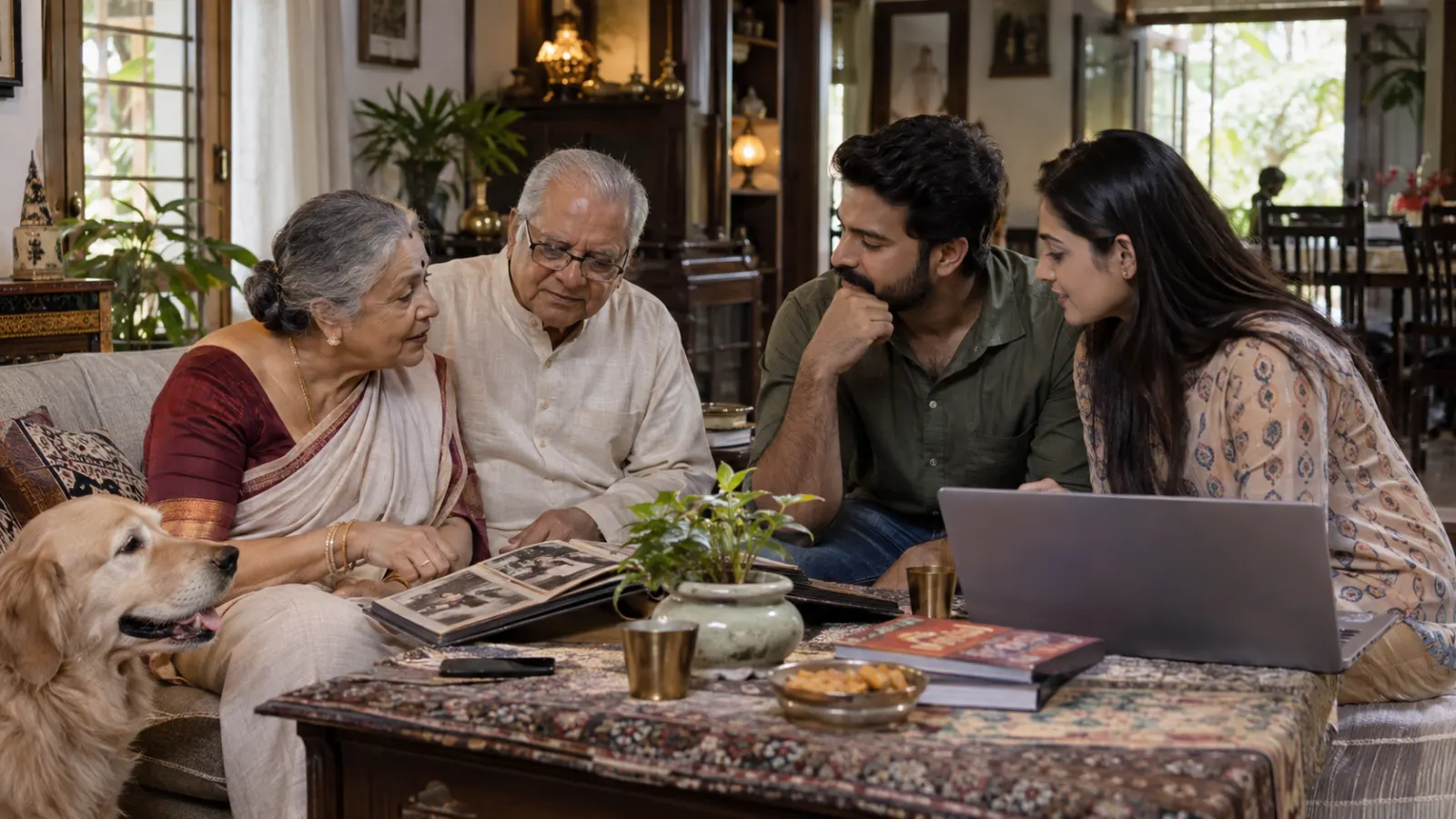
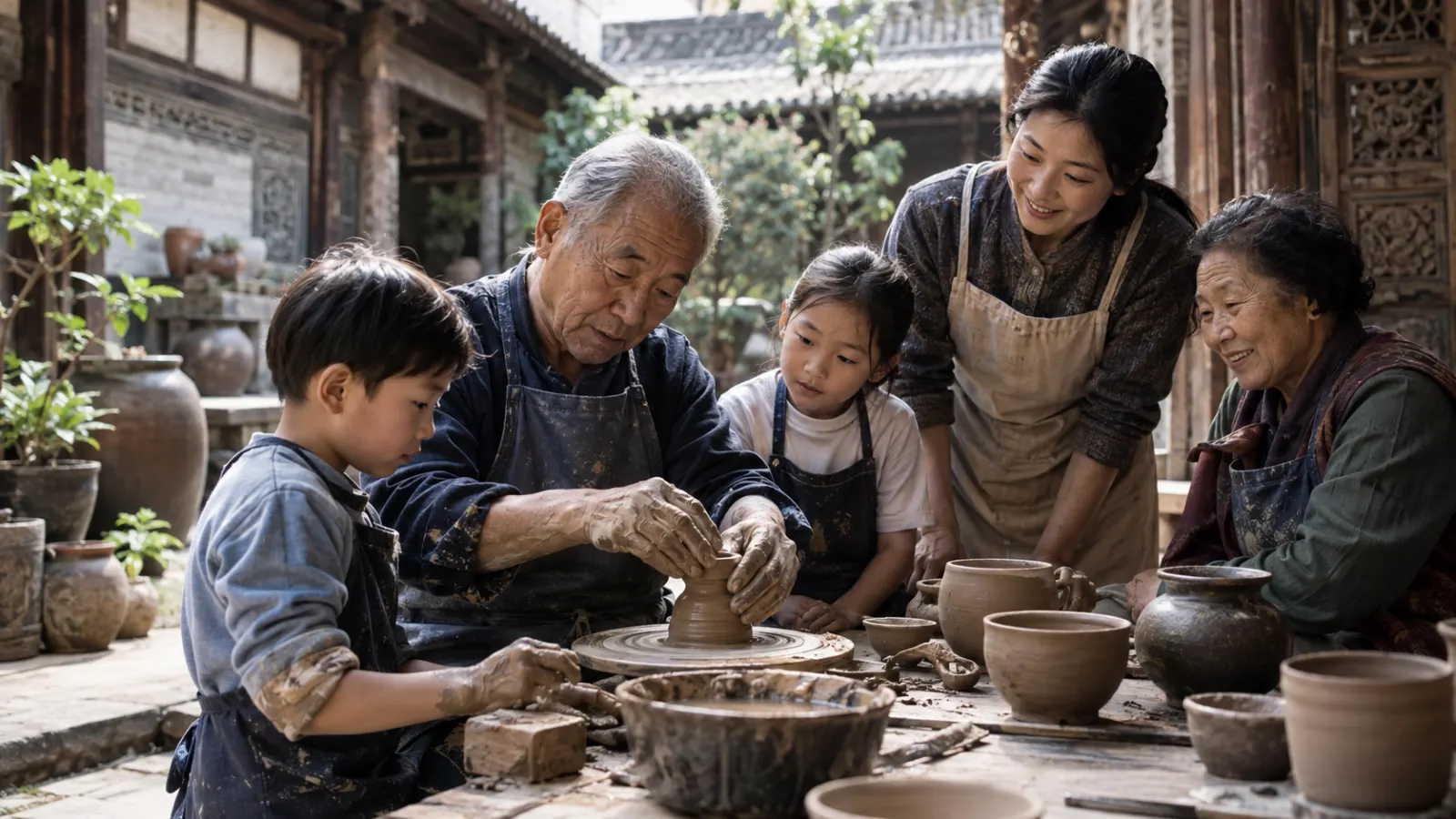
Cultural identity begins early. Children learn who they are before they learn the theory of identity. They learn it when relatives say “this is our language,” “this is our festival,” “this is how we greet elders,” “this is what our people eat,” “this is where our family comes from,” or “this is what we believe.” These small lessons create a map of belonging. The child begins to understand that they are not only an individual but part of a family, community, region and historical chain.
Language is one of the strongest markers of cultural identity. It is not merely a tool for communication. It carries humour, emotion, memory, poetry, insult, blessing and worldview. Many people can discuss work in a global language, but when they are angry, affectionate, nostalgic or devotional, they return to the language of early life. Mother tongue often carries the emotional core of identity because it is the language in which people first heard love, fear, correction, prayer and stories.
Food is another powerful identity marker. A dish can carry geography, migration, climate, religion, caste, class and family history. A person may live far from their place of origin, but a familiar meal can restore belonging immediately. Diaspora communities often preserve food traditions strongly because food becomes a portable homeland. Even when recipes change because ingredients are unavailable, the emotional meaning may remain. Cultural identity is therefore not stored only in museums or books; it is also stored in kitchens.
Rituals and festivals make cultural identity visible. They turn belonging into repeated action. A person may not think about identity every day, but during a festival, wedding, funeral, naming ceremony, harvest celebration or national day, identity becomes public and collective. People wear certain clothes, speak certain words, eat certain foods, visit certain places, remember ancestors, renew community bonds and perform inherited gestures. Ritual tells the individual: you are part of something older than yourself.
History also shapes cultural identity, but history is rarely neutral. Communities remember some events more strongly than others. They may remember glory, suffering, migration, conquest, reform, resistance, humiliation, survival or achievement. These memories help create collective pride or pain. A community that remembers historical oppression may build identity around dignity and survival. A community that remembers civilisational achievement may build identity around pride and continuity. A nation may teach shared history to create citizenship. But all memory is selective, and cultural identity can become dangerous when selective memory turns into superiority or resentment.
Cultural identity gives people psychological security. In a world of rapid change, identity provides continuity. It tells people that they are not floating alone. They inherit language, stories, values, symbols and relationships. This can be deeply stabilising. People who know their cultural roots often feel anchored. They may move across cities, professions or countries, but still carry a sense of inner location. Cultural identity can protect against alienation.
It also builds social solidarity. Shared identity allows strangers to feel connected. Two people from the same region may immediately bond over language, food or local humour. Migrants may form associations based on state, village, religion or language. Communities organise festivals, welfare networks, scholarships, marriage networks, neighbourhood groups and cultural events around identity. These networks can provide support, especially when formal institutions are weak.
But cultural identity also has tensions. The same identity that gives belonging can create boundaries. Every “we” can produce a “they.” When identity is inclusive and confident, it allows dialogue. When identity becomes insecure or politicised, it may become defensive. People may begin to police who is authentic, who belongs, who has betrayed tradition, who speaks the language correctly, who dresses properly, who marries correctly and who follows community rules. Identity can then become a tool of control.
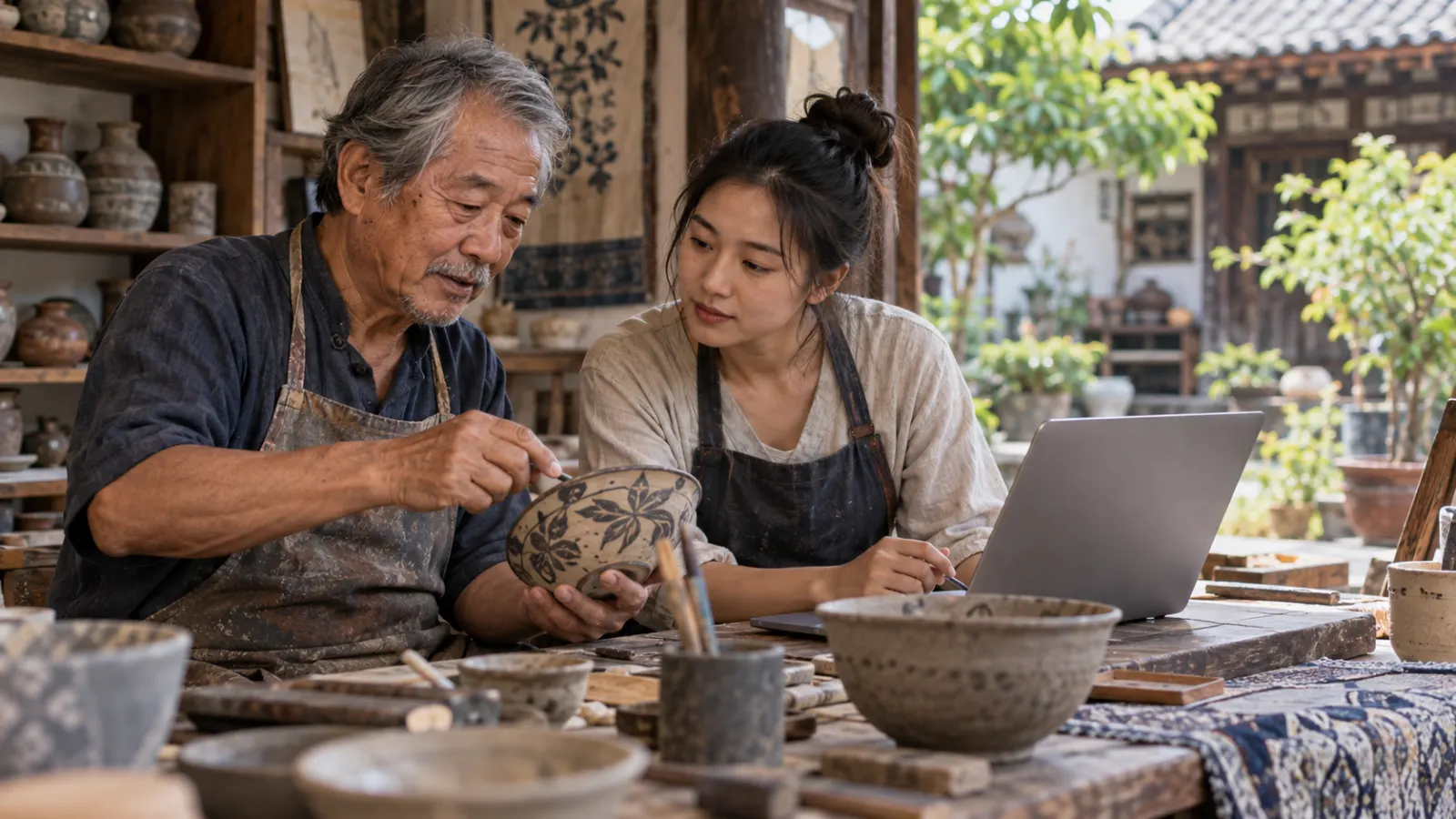
This is especially visible in debates over youth and tradition. Young people often inherit cultural identity but do not want to live it exactly as earlier generations did. They may want to keep language, festivals and family bonds while questioning hierarchy, gender restrictions, caste boundaries, expensive rituals or moral policing. Elders may see this as loss of culture. Youth may see it as renewal. The conflict is not simply between culture and modernity; it is between different interpretations of the same identity.
Cultural identity is also shaped by power. Some identities are socially privileged; others are marginalised. A dominant language may be treated as normal while minority languages are seen as backward. Urban culture may be treated as modern while rural culture is mocked. Upper-class taste may be called refined while working-class culture is dismissed. Majority religious symbols may be public, while minority symbols are treated as sensitive. Cultural identity is therefore not only emotional; it is political.
Recognition matters because people want their identity to be respected. When a community’s language, history, dress or faith is mocked, people experience it as an attack on dignity. This is why cultural representation in media, education and public life matters. A child who never sees their language or community respected may internalise shame. A society that recognises multiple identities can create wider belonging. UNESCO’s work on cultural diversity treats cultural plurality as part of humanity’s common heritage, which reflects the idea that human dignity is linked to respect for different ways of life.
Migration makes cultural identity more complex. When people move, they do not leave identity behind. They carry it, adapt it and sometimes intensify it. A family that casually followed tradition in its homeland may become more conscious of tradition abroad because children are growing up in a different culture. Diaspora identity is often both preserved and transformed. People may celebrate festivals in community halls instead of ancestral homes, teach language through weekend classes, use video calls for rituals and combine local customs with inherited ones.
Urbanisation also changes identity. Cities bring people from many backgrounds together. In a city, identity becomes both mixed and strategic. A person may speak one language at home, another in the market, another at work and another online. They may eat regional food at home, global food outside, and festival food on special days. Urban cultural identity is not necessarily weaker; it is more layered. The city creates hybrid identities that combine region, class, education, profession and aspiration.
Digital life has added another dimension. Online communities now shape identity alongside family and place. People form cultural belonging through music fandoms, gaming communities, political groups, aesthetic subcultures, language memes, regional reels and global youth trends. A teenager may feel connected to a global digital culture while also belonging to a local family culture. This does not mean traditional identity disappears. It means identity now travels through screens as well as homes and streets.
There is also a difference between chosen identity and assigned identity. Some parts of identity are chosen: profession, ideology, lifestyle, interests. Others are assigned by society: caste, race, ethnicity, religion at birth, nationality, gender expectations or family background. A person may not personally emphasise a cultural label, but others may still define them by it. This is why identity can be empowering for some and burdensome for others. It depends on whether the person has agency over how identity is lived.
Cultural identity is often confused with purity. People assume that an authentic identity must be unchanged, unmixed and ancient. In reality, cultures have always changed through migration, trade, conquest, intermarriage, translation, borrowing and adaptation. Languages absorb words. Food travels. Music blends. Clothing changes. Religious and social practices evolve. A pure culture is usually a myth. Most living identities are historical mixtures that later generations learn to call original.
This does not make identity fake. It makes it human. A cultural identity can be meaningful even if it has changed. A festival can remain powerful even if its form is modern. A language can remain central even if it absorbs foreign words. A community can preserve memory while adapting to new ethics. The question is not whether identity is pure, but whether it remains meaningful, humane and open to dialogue.
Cultural identity becomes dangerous when it hardens into exclusion. If people begin to believe that only one identity is legitimate, society becomes hostile to diversity. If identity becomes tied to superiority, minorities suffer. If identity becomes tied to victimhood without self-reflection, resentment grows. If identity becomes a political weapon, culture is reduced to mobilisation. Healthy identity gives confidence without hatred. It allows pride without contempt.
At the personal level, cultural identity can be a source of self-knowledge. Understanding one’s identity helps explain inherited emotions: why certain foods comfort us, why certain languages feel intimate, why certain rituals matter, why family expectations feel powerful, why some historical events provoke pride or pain. It also allows conscious choice. A person can decide what to preserve, what to reinterpret and what to leave behind.
The future of cultural identity will not be simple. Globalisation, migration, digital platforms, interfaith relationships, mixed families, climate displacement and economic mobility will continue to reshape belonging. Identities will become more hybrid, but not necessarily weaker. In fact, the more the world becomes interconnected, the more people may search for rootedness. The challenge is to create identities that are confident enough to survive change and generous enough to respect others.
Cultural identity is therefore not a fixed badge. It is a living relationship between memory and choice. It gives people roots, but it should not become a cage. It connects people to ancestors, but it must also leave room for future generations. It allows communities to say “this is who we are,” but the best identities also ask, “how can we live with those who are not like us?”
In the end, cultural identity matters because human beings do not live by economics and law alone. They live through belonging, memory, language, recognition and meaning. To understand cultural identity is to understand why people defend songs, names, rituals, stories and symbols so intensely. These things may look small from outside, but inside a community they carry the weight of home.
For editorial writing, cultural identity should therefore be explained with balance. It should not be reduced to colourful symbols alone, such as dress, food or festivals, because identity also includes memory, power, social status and recognition. Nor should it be treated only as conflict, because for most people identity is also comfort, language, family, humour and belonging. The strongest explanation shows both sides: identity as a source of meaning and identity as a field of negotiation.
This balance matters in modern public life. A community that feels unseen may demand recognition; a community that feels threatened may become defensive; a community that feels confident may share its culture more openly. Public institutions, schools, media and political leaders therefore carry responsibility. They can either turn cultural identity into a bridge across difference or into a weapon of separation. The same cultural pride that preserves language and memory can become harmful if it refuses equality or denies the dignity of others.
For individuals, the healthiest relationship with cultural identity is neither rejection nor blind obedience. It is reflective inheritance. One can inherit a language, a food memory, a moral value, a festival or a family story, and still ask how it should be lived today. Culture becomes stronger when it is understood, not merely repeated. Identity becomes wiser when it allows gratitude for roots and honesty about reform.