Extremes Have Multiple Causes
Extreme weather happens when atmospheric and ocean conditions produce events outside the normal range for a place and season. A heatwave, cloudburst, flood, drought, cyclone, wildfire weather episode or severe cold outbreak may all be extreme, but they do not share one simple cause. Extreme weather is produced by a combination of ingredients: heat, moisture, pressure patterns, winds, ocean temperatures, land conditions, topography and chance. Climate change does not create every weather event from nothing, but it changes the background conditions in which many events form.
The first cause is natural weather variability. Weather is dynamic because the atmosphere is constantly moving energy and moisture around the planet. Warm air rises, cool air sinks, pressure systems form, winds shift, and storms develop where conditions allow. Even without human-caused climate change, the world would still have droughts, floods, storms and heatwaves. Natural climate patterns such as El Nino and La Nina can influence rainfall, temperature and storm behavior across large regions. The atmosphere is not a machine that repeats the same pattern every year.
But natural variability now operates in a warmer climate. This is the key point. Human activities, especially burning fossil fuels, have increased greenhouse gases in the atmosphere. These gases trap more heat, raising global temperatures and warming the oceans. That additional heat changes the probability and intensity of some extreme events. An event may still be triggered by a specific weather pattern, but the warmer background can make it hotter, wetter, drier or more destructive than it would otherwise have been.
Heatwaves, Heavy Rain and Floods
Heatwaves are the clearest example. A heatwave forms when weather patterns allow hot air to build over a region, often under persistent high pressure. High pressure can suppress clouds and rainfall, allowing sunlight to heat the surface. Dry soils can intensify heat because less energy goes into evaporation and more stays as sensible heat. Climate change raises the baseline temperature, so when a heatwave pattern occurs, it starts from a warmer background. This makes extreme heat more likely and can push temperatures beyond historical experience.
Heavy rainfall is linked to moisture. A warmer atmosphere can hold more water vapor. When conditions force moist air to rise and cool, that water vapor can condense into intense rain. This does not mean every place becomes wetter all the time. It means that when rain-producing systems occur, they may have more moisture available. Extreme rainfall can be caused by monsoon surges, tropical cyclones, atmospheric rivers, thunderstorms, frontal systems or slow-moving low-pressure systems. Climate change can intensify rainfall by increasing atmospheric moisture, while local drainage and land use determine flood damage.
Floods are not caused by rainfall alone. They are caused by the interaction between rain, soil, rivers, land cover, drainage and exposure. Heavy rain falling on saturated soil produces more runoff. Urban areas with concrete and poor drainage flood faster than vegetated landscapes. Deforestation and wetland loss can reduce natural water absorption. River encroachment and construction in floodplains increase losses. Climate change can increase heavy rainfall risk, but flood disasters often reflect planning failures as much as meteorology.
Drought, Fire and Tropical Cyclones
Droughts arise from deficits in water over time. Meteorological drought begins with below-normal rainfall. Agricultural drought occurs when soil moisture is too low for crops. Hydrological drought affects rivers, reservoirs and groundwater. Heat makes drought worse by increasing evaporation from soil and transpiration from plants. A region may receive only moderately low rainfall, but if temperatures are unusually high, water stress can become severe. Climate change can therefore intensify drought by increasing evaporative demand even where rainfall trends are uncertain.
Wildfire weather is driven by heat, dryness, wind and fuel. Fire needs something to burn, conditions dry enough for ignition and spread, and often wind that moves flames quickly. Climate change can contribute by creating hotter, drier conditions and longer fire seasons in many regions. But wildfire disasters also depend on land management, vegetation buildup, invasive species, ignition sources, housing in fire-prone areas and emergency preparedness. Fire is a natural ecological process in some landscapes; extreme wildfire disasters are often the result of climate, land and human exposure combining.
Tropical cyclones, hurricanes and typhoons form over warm ocean water when atmospheric conditions allow organized rotation and convection. Warm water provides energy. Moist air feeds storms. Wind shear, or changes in wind speed and direction with height, can either disrupt or support storm development depending on conditions. Climate change is expected to influence cyclones in several ways: warmer oceans can increase rainfall rates and the potential intensity of strong storms, while sea level rise makes storm surge more damaging. The total number of storms is more complex, but the risk from intense rainfall and surge is rising.
Cold, Oceans and Atmospheric Circulation
Severe thunderstorms, hail and tornadoes are more difficult to link directly to climate change because they depend on small-scale atmospheric conditions. Ingredients include moisture, instability, lift and wind shear. A warming atmosphere can increase moisture and instability in some settings, but changes in wind shear and storm organization are regionally complex. This is why scientists speak carefully about different types of extremes. Confidence is stronger for heat extremes and heavy precipitation than for some localized severe convective storms.
Cold extremes still occur in a warming world. This confuses many people, but it should not. Weather varies around a warming trend. Winter storms, cold outbreaks and snow events can still happen when atmospheric circulation pulls cold air into a region. However, climate change affects the frequency and context of cold extremes. Globally, hot extremes have increased and cold extremes have decreased. A cold day does not disprove warming, just as one hot day does not prove it. Climate is judged over long-term patterns.
Ocean conditions are a major driver of extreme weather. Oceans store and move heat. Sea surface temperatures influence tropical cyclones, monsoons, marine heatwaves and rainfall patterns. El Nino shifts warm water and atmospheric circulation in the tropical Pacific, affecting weather in many parts of the world. The Indian Ocean Dipole, Atlantic patterns and other ocean-atmosphere modes also matter. Climate change adds heat to the ocean, which can interact with these natural patterns and affect extremes.
Atmospheric circulation determines where heat and moisture go. Jet streams, monsoon winds, pressure systems and blocking patterns shape extremes. A blocking high can keep heat over one region for days. A slow-moving storm can dump enormous rainfall over one basin. A shifted monsoon pattern can bring drought to one area and floods to another. Some research examines whether Arctic warming affects mid-latitude circulation, but not every proposed link is equally certain. The reliable lesson is that dynamics and thermodynamics work together: circulation creates the event setup, while warming often changes the available heat and moisture.
Land Use, Topography and Attribution
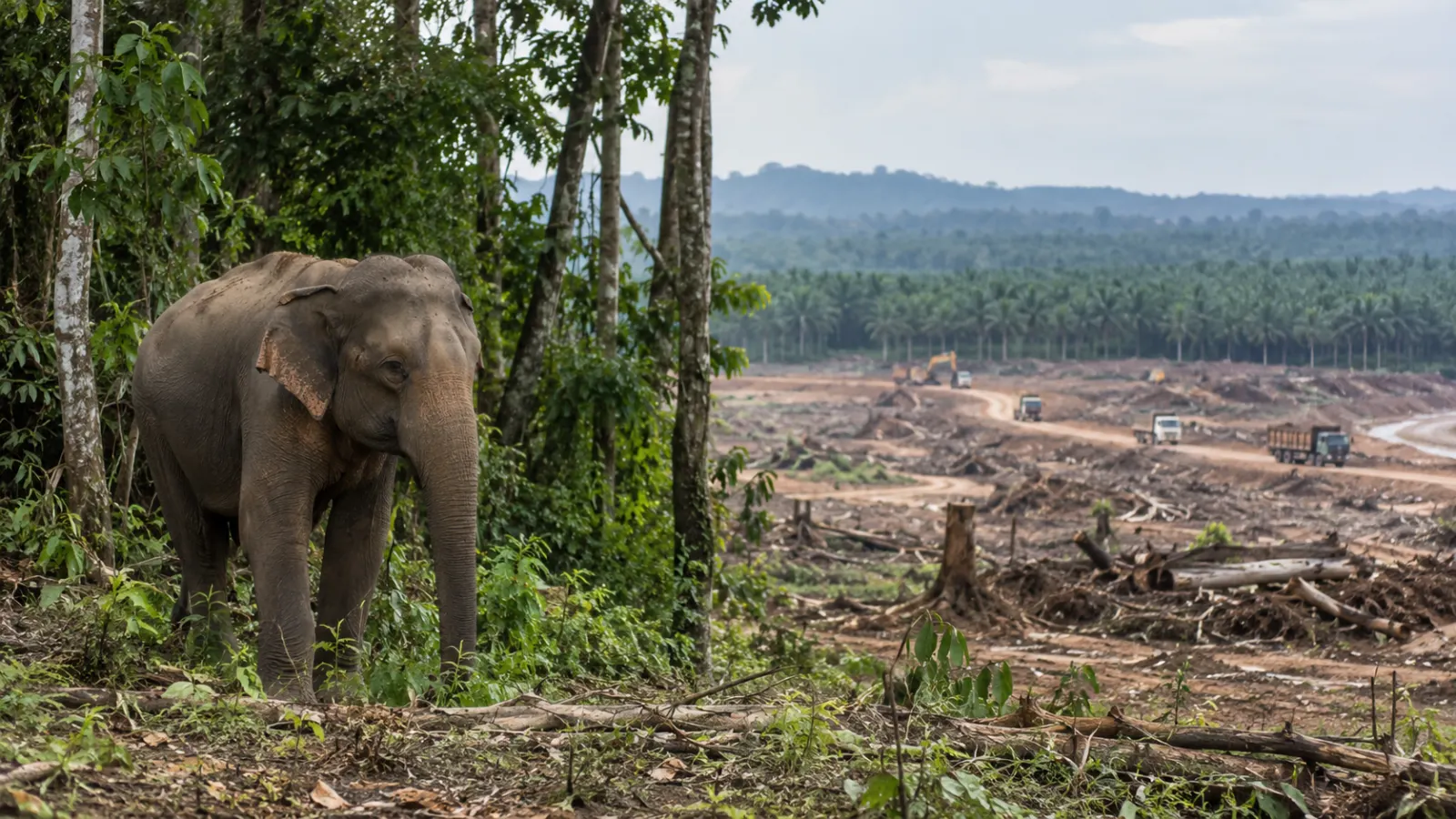
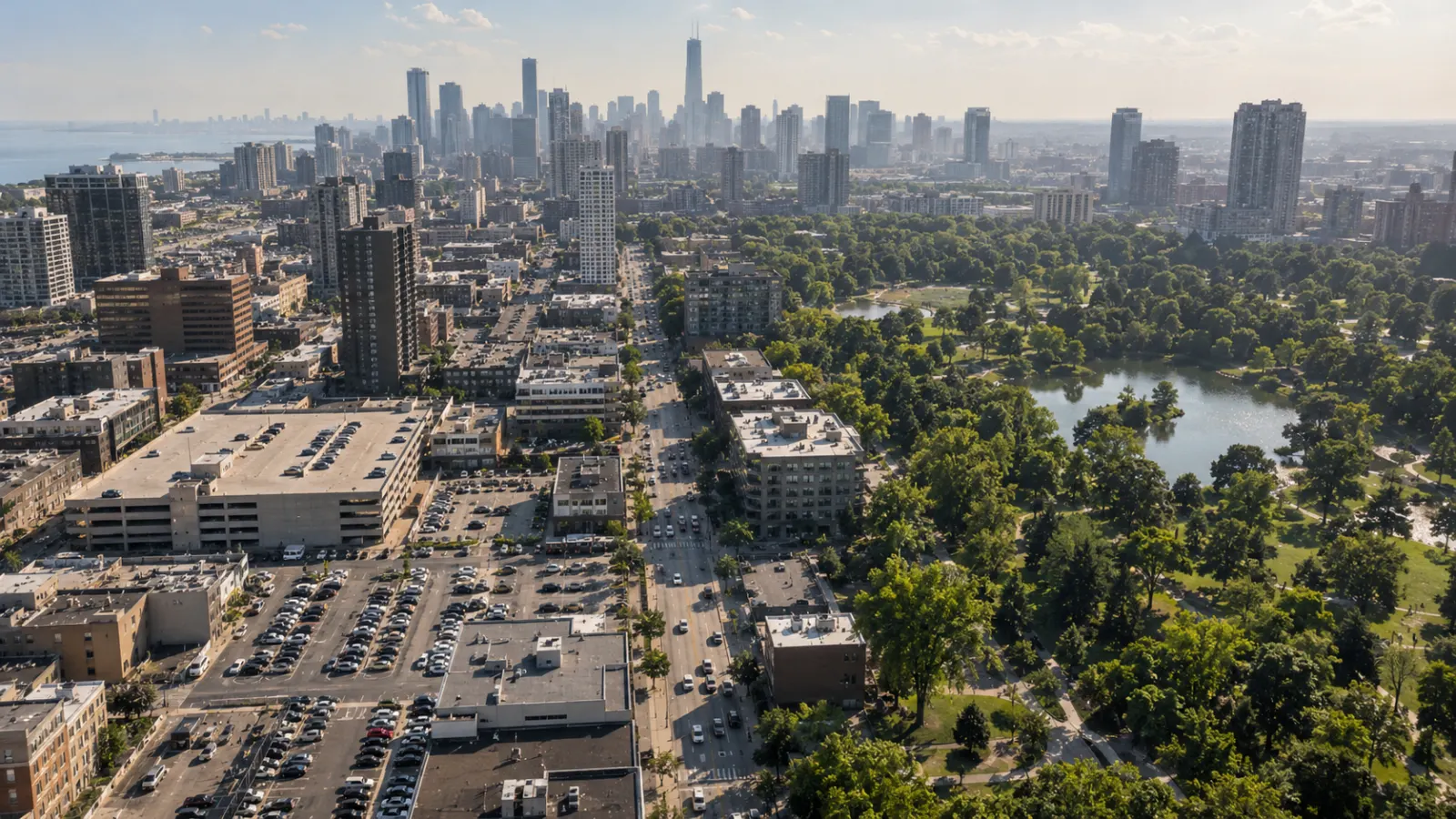
Land use is another cause that often gets ignored. Cities create urban heat islands because concrete, asphalt, buildings and traffic absorb and release heat differently from vegetation and soil. Loss of trees reduces shade and cooling. Wetland destruction removes natural flood buffers. Deforestation can affect local rainfall, erosion and runoff. Agriculture changes soil moisture and surface reflectivity. Climate change is global, but land decisions can intensify or reduce local extremes.
Topography matters too. Mountains force air upward, causing rainfall on windward sides and dryness on leeward sides. Narrow valleys can concentrate floodwaters. Coastal shape influences storm surge. Low-lying deltas are exposed to both river floods and sea level rise. Extreme weather becomes a disaster when physical exposure meets vulnerable settlement. Two places can experience similar rainfall but very different damage because one has stronger drainage, better warnings and safer land-use planning.
Scientists study the causes of extreme weather through detection and attribution. Detection asks whether an event type is changing over time. Attribution asks whether human influence made a specific event more likely or more intense. Researchers use observations, historical records and climate models to compare the present climate with a hypothetical climate without human-caused greenhouse gas increases. Attribution does not usually say climate change caused an event in a simple yes-or-no way. It often estimates how much more likely or intense the event became because of climate change.
This probabilistic language is important. Imagine loaded dice. Rolling a six can happen naturally. If the dice are loaded, sixes become more likely. Climate change loads the climate dice for many heat extremes and some heavy rainfall events. It does not remove natural variability, and it does not make every event entirely human-caused. It changes odds and intensity. That is why responsible climate communication avoids both extremes: saying climate change caused everything and saying it caused nothing.
Vulnerability, Planning and Solutions
Human vulnerability turns weather into disaster. A cyclone over the ocean is a hazard. It becomes a disaster when it strikes exposed communities without adequate shelters, warnings, drainage or strong buildings. A heatwave is more deadly where people lack cooling, shade, healthcare and labor protection. A flood is worse where wetlands have been filled and homes built in floodplains. Extreme weather causes are therefore physical and social. The atmosphere creates hazards; society creates or reduces vulnerability.
Preparation can reduce harm. Early warning systems, heat action plans, floodplain zoning, resilient infrastructure, urban trees, wetlands restoration, wildfire management, emergency communication and climate-informed building codes all lower risk. But adaptation must be updated as extremes change. Historical records are no longer a complete guide to future risk because the climate baseline is shifting. Planning for the old normal can leave communities exposed to the new extremes.
The causes of extreme weather are best understood as layers. Natural variability supplies weather patterns. Greenhouse gases warm the background climate. Warmer air and oceans change heat and moisture. Land use and topography shape local outcomes. Infrastructure and inequality determine damage. This layered view is more accurate than searching for one cause. It also makes solutions clearer. We need emission cuts to limit future intensification, adaptation to reduce current risk, and better planning to stop ordinary hazards from becoming repeated disasters.
Final Takeaway
The final takeaway is that extreme weather is not mysterious punishment from nature. It is the result of identifiable physical processes operating in a changing climate and a human landscape. We cannot prevent every storm, heatwave or drought. But we can understand why risks are changing, reduce the emissions that worsen them, and design societies that are less vulnerable when extremes occur.
For editorial clarity, this subject should be presented as both a scientific explanation and a practical public-interest issue. The reader should not leave with only a definition. They should understand the mechanism, the evidence, the limits of certainty, the governance relevance and the real-world choices that follow. Environmental writing is strongest when it connects physical processes with human consequences without exaggerating beyond the evidence.
For editorial clarity, this subject should be presented as both a scientific explanation and a practical public-interest issue. The reader should not leave with only a definition. They should understand the mechanism, the evidence, the limits of certainty, the governance relevance and the real-world choices that follow. Environmental writing is strongest when it connects physical processes with human consequences without exaggerating beyond the evidence.
For editorial clarity, this subject should be presented as both a scientific explanation and a practical public-interest issue. The reader should not leave with only a definition. They should understand the mechanism, the evidence, the limits of certainty, the governance relevance and the real-world choices that follow. Environmental writing is strongest when it connects physical processes with human consequences without exaggerating beyond the evidence.
For editorial clarity, this subject should be presented as both a scientific explanation and a practical public-interest issue. The reader should not leave with only a definition. They should understand the mechanism, the evidence, the limits of certainty, the governance relevance and the real-world choices that follow. Environmental writing is strongest when it connects physical processes with human consequences without exaggerating beyond the evidence.
For editorial clarity, this subject should be presented as both a scientific explanation and a practical public-interest issue. The reader should not leave with only a definition. They should understand the mechanism, the evidence, the limits of certainty, the governance relevance and the real-world choices that follow. Environmental writing is strongest when it connects physical processes with human consequences without exaggerating beyond the evidence.
Key Takeaways
Extreme weather comes from layered causes: natural variability, atmospheric physics, ocean conditions, land use and vulnerability.
Climate change changes the background conditions, making many heat extremes and heavy rainfall events more likely or intense.
Not every extreme has the same level of climate attribution; scientific confidence varies by event type and region.
Risk reduction requires both emission cuts and practical adaptation: warnings, planning, resilient infrastructure and safer land use.