Delhi Anti-SIR Protest Begins as March Targets Election Commission
A fresh Delhi anti-SIR protest began near Gole Dak Khana in central Delhi on Friday, October 23, 2026, as students, farmers and civil society activists mobilised against the Special Intensive Revision (SIR) of electoral rolls. Demonstrators demanded the withdrawal of the voter-list revision exercise and the resignation of Chief Election Commissioner Gyanesh Kumar, alleging that eligible voters were being excluded from electoral rolls.
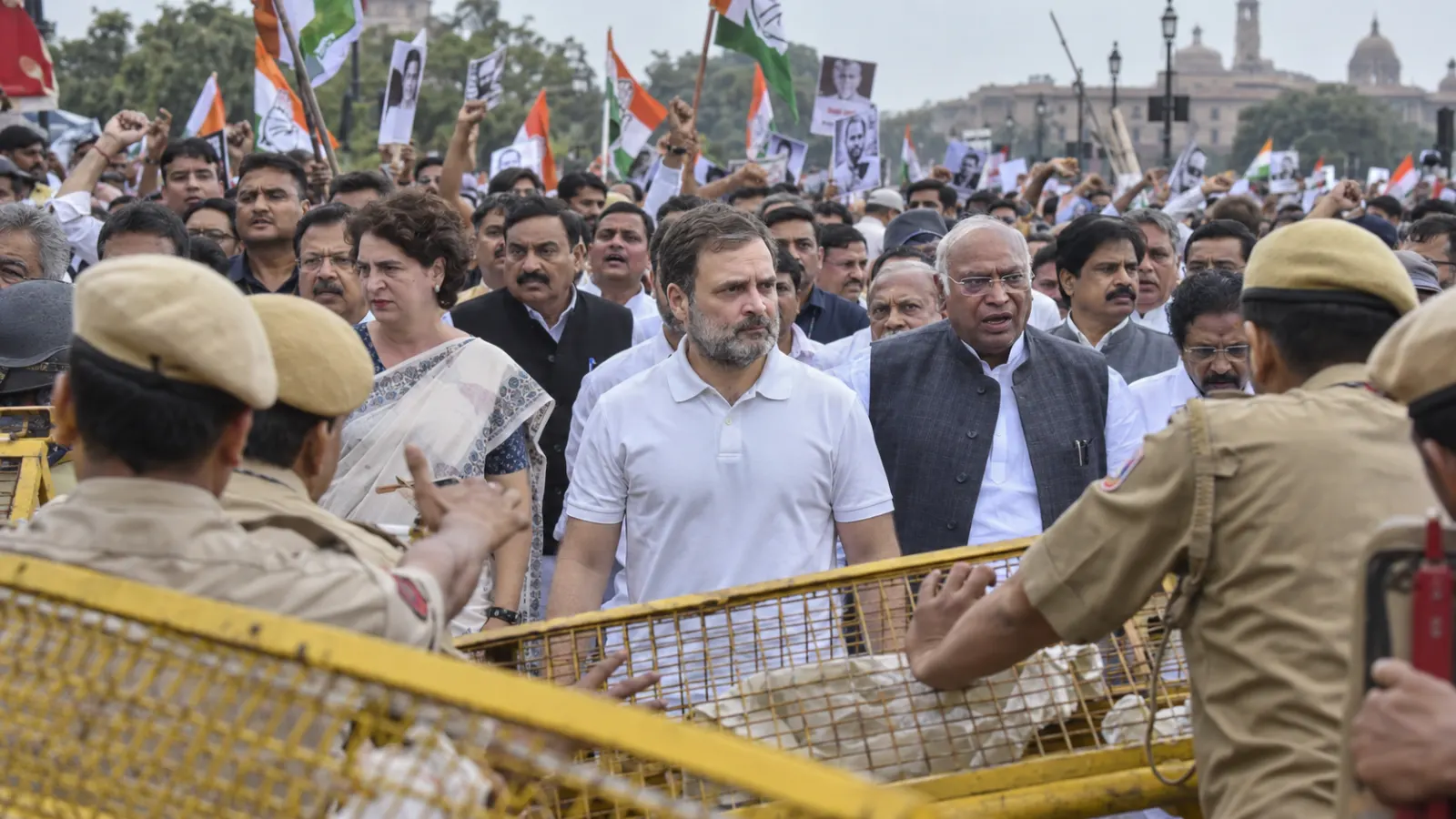
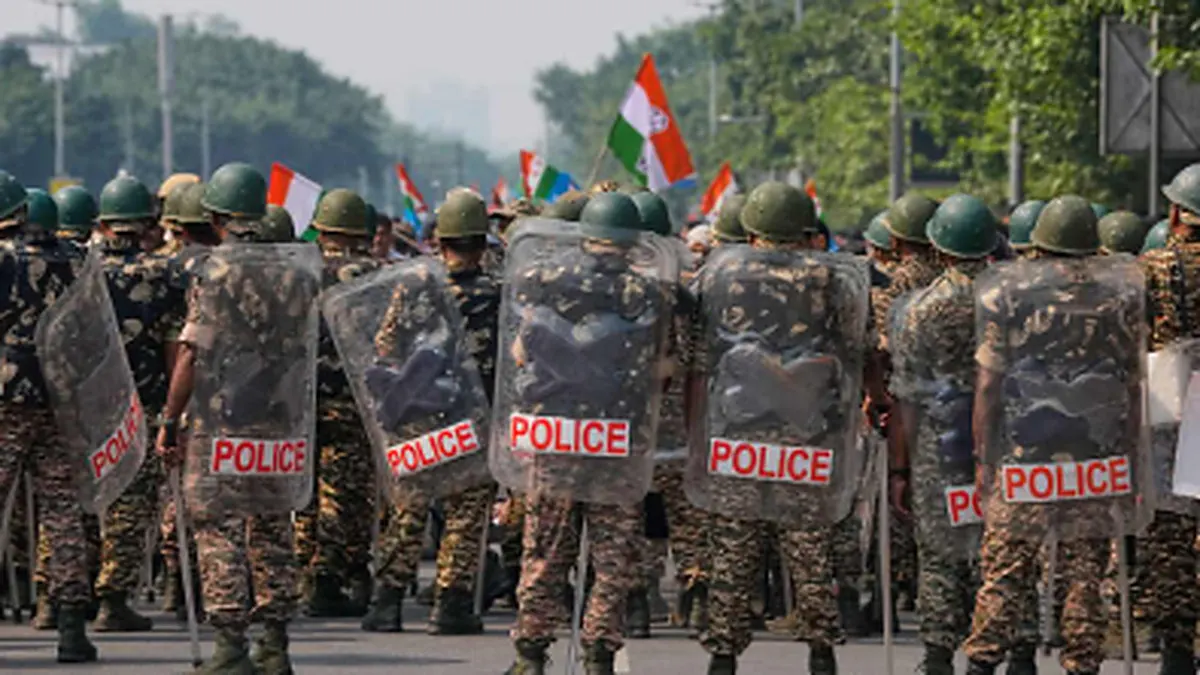
Around 100–150 protesters had gathered near Gole Dak Khana by 2 pm, with participants intending to march towards the Election Commission of India headquarters. Delhi Police and Rapid Action Force personnel established a heavy security presence near Gurdwara Bangla Sahib and surrounding areas.
The demonstration forms part of a nationwide protest campaign coordinated by People Against SIR and supported by the Samyukt Kisan Morcha, student organisations and civil rights groups. The mobilisation follows weeks of demonstrations, detentions and political disputes over allegations of electoral irregularities.
Organisers have called for peaceful participation and said they intend to hold a "People's Parliament" if security personnel prevent the march from proceeding.
Protesters Gather Near Gole Dak Khana Amid Heavy Security
The demonstration began on Friday afternoon, with protesters assembling near Gole Dak Khana and Gurdwara Bangla Sahib before attempting to proceed towards the Election Commission headquarters.
The Delhi Coordination Committee of People Against SIR organised the march, drawing participation from student groups including the Students' Federation of India (SFI) and Krantikari Yuva Sangathan (KYS), along with activists from Delhi, Haryana and western Uttar Pradesh.
The protesters have accused the Election Commission of failing to adequately protect voting rights during the ongoing revision of electoral rolls. They are demanding greater accountability over the deletion of names and the procedures used to determine voter eligibility.
Security arrangements were tightened around the Election Commission headquarters, with police and Rapid Action Force personnel deployed near important approach roads.
The Ministry of Home Affairs has also extended the deployment of 273 companies of Central Armed Police Forces in Delhi until October 31 following concerns about further demonstrations.
The latest protest follows earlier rallies in the national capital that resulted in confrontations between demonstrators and police, detentions and legal proceedings.
As of the initial afternoon reports, the march had commenced, but there was no independently confirmed account of protesters reaching the Election Commission headquarters or of fresh mass detentions during Friday's demonstration.
Why Are Protesters Demanding Gyanesh Kumar's Resignation?
The principal demands of the protesters concern the Special Intensive Revision of electoral rolls and the functioning of the Election Commission under Chief Election Commissioner Gyanesh Kumar.
People Against SIR and its supporting organisations allege that the revision exercise has resulted in the exclusion of large numbers of eligible voters, raising concerns about political representation and electoral fairness.
The Samyukt Kisan Morcha has demanded the restoration of voting rights to approximately 13.41 crore people it claims have been removed from electoral rolls. This is a figure advanced by the protesting organisations and should not be treated as an independently verified count of eligible voters unlawfully excluded.
The groups are also demanding the removal of Gyanesh Kumar and accountability for alleged irregularities in the revision process.
However, allegations of deliberate electoral manipulation remain disputed. The Election Commission has maintained that voter-list revision is intended to improve the accuracy of electoral records, including by identifying duplicate entries, deceased voters and people who have permanently relocated.
The central disagreement concerns whether the verification process has adequate safeguards to prevent eligible voters from being wrongly excluded.
Parakala Prabhakar, Prakash Raj and Student Leaders Draw Attention
The October 23 mobilisation has attracted attention because of the prominent public figures and political activists associated with the campaign.
Economist and political commentator Parakala Prabhakar, husband of Union Finance Minister Nirmala Sitharaman, was among those expected to participate in the demonstration. Prabhakar has publicly criticised the electoral roll revision exercise and called for its withdrawal.
Actor-activist Prakash Raj, senior advocate Prashant Bhushan, farmer leader Rakesh Tikait and author Tushar Gandhi were also among the figures invited to participate.
Student leaders Neha Bora and Aishe Ghosh, along with Cockroach Janta Party founder Abhijeet Dipke, have been associated with the wider protest campaign.
The organisers have promoted the mobilisation using the slogan "Har Gali Mein Jantar Mantar", calling for demonstrations in local communities across the country.
The campaign brings together student organisations, farmers' representatives, civil rights activists and groups critical of the electoral revision exercise.
However, being invited or expected to attend does not confirm that every named individual was physically present at the Delhi march on Friday afternoon.
Delhi Traffic Diversions Announced Until 5 PM
The demonstration has also affected traffic management in central Delhi.
Delhi Traffic Police issued an advisory warning commuters of possible congestion and diversions between 1 pm and 5 pm on Friday, October 23.
The affected areas include Gurdwara Bangla Sahib, Connaught Place, Parliament Street and roads approaching Jantar Mantar.
Motorists have been advised to avoid unnecessary journeys through these locations, allow extra travel time and follow instructions issued by traffic personnel.
The advisory comes amid heightened security following several demonstrations around government offices and important public locations in central Delhi.
Authorities have increased their presence around areas considered sensitive because of previous protests targeting the Election Commission.
Commuters travelling through central Delhi should follow official traffic updates, as restrictions may change depending on the movement of demonstrators and security requirements.
What Is SIR and Why Has It Become Controversial?
The Special Intensive Revision is an electoral roll verification exercise conducted to update voter lists and identify entries requiring correction, removal or further investigation.
Such revisions can involve checking whether registered voters continue to meet eligibility requirements, whether their addresses remain valid and whether electoral records contain duplicate or outdated entries.
The Election Commission maintains that accurate electoral rolls are necessary for conducting free and fair elections.
However, opposition parties and civil society groups argue that large-scale verification exercises can create serious problems when documentation requirements, administrative errors or insufficient notice result in eligible voters being left out.
Critics have questioned the scale of voter exclusions and the ability of affected individuals to challenge decisions within the prescribed time limits.
In Delhi, electoral authorities have announced a further verification exercise covering approximately 47 lakh names left out during the revision process. Around 15,000 booth-level officers are expected to participate in the checks, which are intended to identify cases requiring correction or reinstatement.
The deadline for submitting claims and objections has been extended to October 30, while the final revised electoral roll is scheduled for publication on December 4, 2026.
Eligible voters who find their names missing from the draft rolls can seek inclusion through the prescribed electoral registration procedure.
These safeguards are central to the dispute, as protesters argue that the revision must not deprive eligible citizens of their constitutional voting rights.
What Happens Next in the Delhi Anti-SIR Protest?
The October 23 march represents another stage in the expanding confrontation between protest organisations and electoral authorities.
The Samyukt Kisan Morcha has called for demonstrations at district and tehsil headquarters, state capitals and other locations, with memorandums demanding changes to the revision process.
In Delhi, attention is focused on whether demonstrators will be permitted to approach the Election Commission headquarters and how police will manage the gathering.
The protest also coincides with continuing legal proceedings involving activists detained during earlier demonstrations.
All India Students' Association president Neha Bora has challenged a police notice requiring her to furnish a bond to maintain peace. The Delhi High Court was expected to pronounce its decision on the matter on Friday.
Separately, proceedings involving Cockroach Janta Party activists connected with previous protests remain ongoing.
No fresh judicial ruling or final police action arising from Friday's march had been confirmed in the initial afternoon reporting.
The immediate developments will depend on the outcome of the demonstration, any response from the Election Commission and further decisions concerning electoral roll verification.
The broader political dispute is unlikely to end with a single protest, particularly while questions remain over voter exclusions, verification safeguards and the accountability of electoral institutions.
As protesters continue demanding the withdrawal of SIR and the resignation of Chief Election Commissioner Gyanesh Kumar, the central issue remains whether India's electoral revision process can maintain accurate voter lists while protecting every eligible citizen's right to vote.