Climate change is often discussed as if it is only an environmental issue, but that is too small a frame. It is also a food issue, a water issue, a health issue, an economic issue, a security issue and a justice issue. A warmer planet does not simply mean slightly hotter afternoons. It means a change in the background conditions that shape farming, rainfall, disease, oceans, forests, infrastructure, insurance, migration and public budgets. That is why climate change matters: it changes the rules under which societies have built their homes, cities, supply chains and political systems.
At its simplest, climate change means a long-term shift in the Earth’s usual weather patterns. Weather is what happens today: rain, heat, cold, wind, fog or a storm. Climate is the long-term pattern behind weather: what a place is generally like over decades. When scientists speak of climate change, they are not saying that one hot day proves the planet is warming. They are saying that long-term averages, extremes and patterns are changing across the climate system. The evidence is visible in rising global temperatures, shrinking ice, warming oceans, rising sea levels and more frequent or intense heat extremes. NASA summarises the evidence bluntly: Earth is warming at an unprecedented rate, and human activity is the principal cause.
The Earth’s climate has always changed. Ice ages came and went long before factories, cars and power stations existed. Volcanic eruptions, changes in solar energy and variations in Earth’s orbit have influenced climate in the past. But the present warming trend is different in speed, scale and cause. The IPCC states that human activities, mainly through greenhouse gas emissions, have unequivocally caused global warming, with global surface temperature reaching about 1.1°C above 1850-1900 levels in 2011-2020. That may sound small, but climate averages are powerful. A one-degree shift in the average temperature of the whole planet is not like a one-degree change in a room thermostat. It is a shift in the energy balance of oceans, air, land and ice.
The core mechanism is the greenhouse effect. Sunlight reaches Earth, warms the surface, and the planet releases some of that energy back toward space as infrared heat. Greenhouse gases such as carbon dioxide, methane and nitrous oxide absorb part of that outgoing heat and re-radiate it. A natural greenhouse effect is essential; without it, Earth would be far too cold for the life we know. The problem is not that the greenhouse effect exists. The problem is that human activity has intensified it. By burning coal, oil and gas, clearing forests and changing land use, societies have increased the concentration of heat-trapping gases in the atmosphere. More heat is retained, so the planet warms.
Climate change is therefore not a single event. It is a chain reaction. More greenhouse gases trap more heat. More heat warms oceans and air. Warmer air can hold more water vapour, changing rainfall patterns and making some heavy rainfall events more intense. Warmer oceans can contribute to stronger marine heatwaves and can affect storms. Melting glaciers and ice sheets add water to the seas. Heat stresses crops, animals and human bodies. Forests become more vulnerable to drought, fire and pests. These changes do not happen evenly everywhere. Some regions face more heat, some face more flood risk, some face water stress, and some face multiple pressures together.
One reason climate change can feel abstract is that it unfolds at different speeds. A cyclone is sudden. A heatwave lasts days or weeks. A drought may last months. Sea-level rise can unfold over decades. Glacier retreat can be seen across generations. The slow parts are easy to ignore until they reshape risk permanently. A city built for one kind of rainfall may find its drains overwhelmed by another. A farming region used to a predictable monsoon may struggle with delayed rains, erratic bursts or dry spells. A coastal community may discover that a flood once considered rare now arrives repeatedly. Climate change turns probabilities into realities.
For individuals, climate change matters because it affects everyday security. Food prices can rise after heat damages harvests. Electricity demand can surge during heatwaves as people rely on cooling. Outdoor workers face greater health risks. Children, older people and people with health conditions become more vulnerable during extreme heat. Air quality can worsen with fires, dust or ozone formation. Water shortages can increase social tension. Insurance can become expensive or unavailable in high-risk areas. Climate change is not only about polar bears and glaciers; it is about household budgets, public health and the reliability of basic systems.
For economies, climate change matters because it increases systemic risk. Modern economies depend on stable assumptions: roads do not melt, ports do not flood regularly, workers can safely work outside, crops grow in expected zones, and water is available for households, factories and farms. When those assumptions weaken, costs rise. Governments must spend more on disaster relief, health responses, flood defences, drought management and infrastructure repair. Businesses face supply-chain disruption, asset damage and regulatory transition risk. Financial institutions begin to price climate exposure into lending, insurance and investment. Climate risk becomes economic risk.
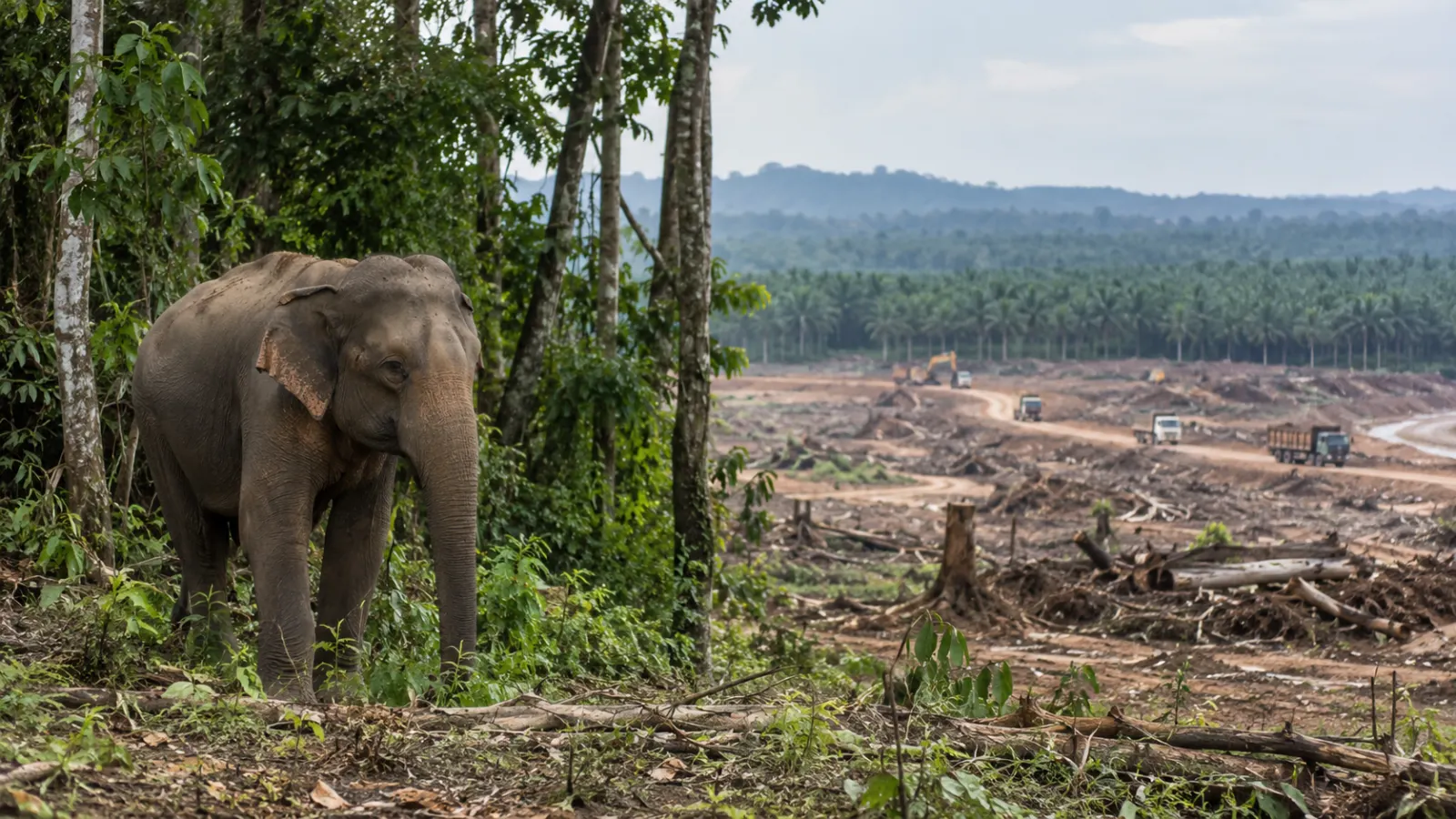
For ecology, climate change matters because species and ecosystems have limits. Some species can move as temperatures shift; others cannot move fast enough. Coral reefs suffer from marine heat stress. Mountain species run out of cooler habitat as temperatures rise. Forests can shift from carbon sinks to carbon sources if they burn or degrade. Wetlands, mangroves and grasslands face changing water and temperature conditions. Biodiversity loss and climate change reinforce each other: damaged ecosystems store less carbon, regulate water less effectively and protect communities less strongly.
Climate change is also a justice issue. The people who contributed least to historic emissions often face some of the harshest consequences. Low-income communities have fewer resources to recover from floods, heatwaves or crop losses. Small island states face existential threats from sea-level rise. Informal workers and farmers may have less protection from heat or disaster. Within cities, poorer neighbourhoods often have less shade, weaker housing and poorer drainage. This creates a moral problem: climate change is driven by cumulative emissions, but its burdens are not distributed according to responsibility.
There is another reason it matters: the longer action is delayed, the harder and more expensive the response becomes. Climate change is not like a normal pollution problem where damage stops immediately when emissions stop. Carbon dioxide can remain in the climate system for a long time, and warming depends heavily on cumulative emissions. This means every decade of high emissions adds to future risk. Delay locks in infrastructure, habits and energy systems that are costly to replace. Early action is not simply idealism; it is risk management.
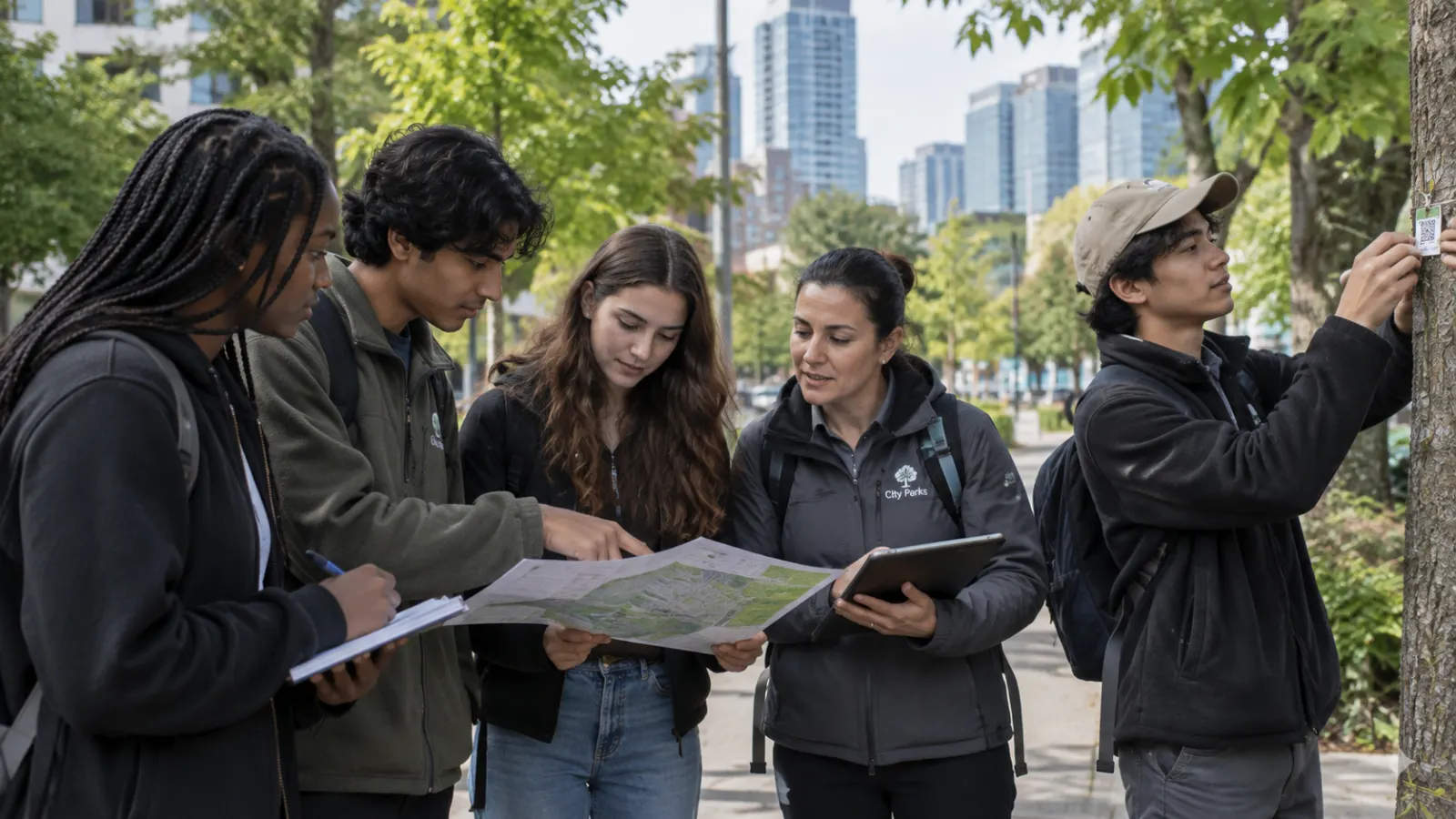
The response to climate change has two broad sides: mitigation and adaptation. Mitigation means reducing the causes of climate change, especially greenhouse gas emissions. It includes cleaner electricity, energy efficiency, public transport, electrification, industrial innovation, forest protection, better agricultural practices and reduced waste. Adaptation means preparing for the impacts that are already happening or cannot be avoided. It includes heat action plans, flood-resilient infrastructure, climate-smart agriculture, water conservation, early-warning systems and stronger disaster planning. A serious climate strategy needs both. Mitigation reduces future danger; adaptation reduces present vulnerability.
A common misunderstanding is that climate action means stopping development. In reality, climate change threatens development. No country can build lasting prosperity on collapsing water systems, repeated disasters and unstable food production. The question is not development versus climate. The question is what kind of development can survive the century ahead. Energy access, jobs, housing and infrastructure are essential, but they must be built in ways that reduce long-term risk rather than multiply it. Clean energy, efficient buildings, resilient transport and healthier cities are not anti-growth. They are the next stage of sensible growth.
Another misunderstanding is that individual actions are meaningless because climate change is too large. It is true that individual lifestyle changes alone cannot solve the problem. The major levers are energy systems, industry, transport, land use, finance and public policy. But individuals matter as consumers, voters, professionals, investors, parents, community members and business leaders. A person choosing efficient appliances has one effect; a company designing low-carbon operations has another; a city changing its transport plan has another; a government setting standards has another. Climate action is most powerful when individual choices and institutional change reinforce each other.
Climate change also demands better thinking. It is not enough to ask, “Is this event caused by climate change?” The better question is, “How has climate change changed the risk, intensity or probability of this kind of event?” A cigarette may not be the sole cause of a particular heart attack, but smoking increases the risk of heart disease. Similarly, climate change does not create every flood, drought or storm from nothing, but it can load the dice toward more dangerous extremes. This risk-based understanding is crucial for planning.
For India and other climate-vulnerable countries, the issue is especially urgent. Large populations depend on monsoon patterns, agriculture, rivers, coastlines and outdoor labour. Rapid urbanisation adds heat and drainage pressures. Development needs remain real, but so do climate risks. A country can no longer treat environment as a side department while building roads, housing, power plants, ports and industrial corridors. Climate awareness must enter finance, city planning, health policy, agriculture, education and corporate strategy.
The most important point is that climate change is not an opinion about weather. It is a scientific diagnosis of a changing Earth system, supported by observations across temperature records, oceans, ice, ecosystems and atmospheric chemistry. It matters because it turns environmental change into human consequence. It affects where people can live safely, what they can grow, how much water they can rely on, how economies absorb shocks and how fairly societies distribute risk.
Understanding climate change is therefore not optional civic knowledge. It is basic literacy for the 21st century. Just as earlier generations had to understand industrialisation, public health, electricity and the internet, today’s generation must understand the climate system. The question is no longer whether climate change is real. The more serious question is whether societies can respond quickly enough, fairly enough and intelligently enough to protect both human development and the living systems that make it possible.
A practical climate lens also changes how institutions should make decisions. A school deciding whether to plant trees, a hospital planning backup power, a municipality building drainage, a company choosing a supply chain, and a farmer selecting crop varieties are all making climate-related choices even if they do not use climate language. The old habit was to treat climate as a background constant. The new reality is that climate is a variable. Good planning must ask whether a project will still function under hotter days, heavier rainfall, water stress or stricter carbon rules.
Climate change also matters because it exposes the limits of short-term thinking. Many climate decisions involve costs now and benefits later. A flood-resilient road may cost more today but prevent repeated repair. A cooler building may require better design but reduce electricity demand for decades. A restored wetland may look less profitable than construction in the short run but protect a city from floods. Climate awareness rewards prevention, while political and business systems often reward immediate output. This tension is one of the biggest governance challenges of our time.
The issue also requires emotional balance. Climate change should not be denied, but it should not be presented only as doom. Fear can create attention, but constant despair can create paralysis. The more useful attitude is serious agency: understand the risk clearly, then act at the right level. Some impacts are already locked in, but many future outcomes still depend on decisions made now. The difference between moderate warming and severe warming is not academic; it can decide how many people face deadly heat, crop failure, water stress or displacement.
Finally, climate change matters because it forces humanity to rethink its relationship with nature. For centuries, economic progress was often measured by how much matter and energy humans could extract, burn, move and consume. Climate change reveals that the atmosphere, oceans, forests and soils are not passive backdrops. They are active systems with limits. A civilisation that ignores those limits eventually faces consequences through heat, water, food and health. A civilisation that respects them can still innovate, grow and improve lives, but on more intelligent foundations.