Carbon dioxide is one of the most important gases in the story of climate change. It is invisible, naturally present in the atmosphere and essential to life. Plants use it in photosynthesis. Animals and humans exhale it. Oceans exchange it with the air. Volcanoes release it. Forests, soils and sediments store it. In the right balance, carbon dioxide is part of the natural carbon cycle that helps sustain life on Earth. But when too much carbon dioxide accumulates in the atmosphere, it changes the planet’s energy balance and warms the climate.
The first mistake is to think of carbon dioxide as “pollution” in the same simple way as smoke or sewage. Carbon dioxide is not toxic at normal outdoor concentrations and is not unnatural. The problem is quantity, speed and source. Modern industrial activity transfers carbon from underground fossil stores into the atmosphere at a rate far faster than natural systems can absorb safely. Coal, oil and gas contain carbon accumulated over millions of years. When burned in a few centuries, they rapidly increase atmospheric carbon dioxide. The climate system responds not to moral labels but to physical concentration.
Carbon dioxide is a greenhouse gas. This means it absorbs and emits infrared radiation. Sunlight warms Earth’s surface, and the surface releases some energy upward as infrared heat. Carbon dioxide molecules absorb part of that outgoing heat and re-radiate it, slowing heat loss to space. This does not mean carbon dioxide is the only greenhouse gas or the most powerful molecule-for-molecule. Methane and nitrous oxide are also important. But carbon dioxide is central because of its abundance, long lifetime, scale of emissions and connection to fossil-fuel energy systems.
NASA’s carbon dioxide indicator states that the amount of carbon dioxide in Earth’s atmosphere has increased sharply in the past 100 years as measured from the ground and satellites, and that this increase has warmed the planet. NASA’s latest listed measurement on that indicator is 431 parts per million for April 2026. “Parts per million” means the number of carbon dioxide molecules per million molecules of dry air. The number may look small, but climate influence is not determined only by percentage. A small concentration of a radiatively active gas can have a large effect on Earth’s heat balance.
Pre-industrial carbon dioxide concentration was far lower than today. The rise since the Industrial Revolution reflects the expansion of coal, oil and gas use, along with deforestation and land-use change. Ice cores allow scientists to compare present-day carbon dioxide with past atmospheric conditions by studying ancient air bubbles trapped in ice. Direct measurements, such as those from Mauna Loa and other stations, show the modern rise with high precision. Together, these records reveal that the current increase is not a normal seasonal wiggle; it is a sharp long-term climb.
The seasonal wiggle is important, though, because it shows the living planet breathing. In the Northern Hemisphere spring and summer, plants absorb more carbon dioxide as they grow, and atmospheric levels may temporarily fall or rise more slowly. In autumn and winter, decay and reduced plant growth allow levels to rise again. This seasonal cycle sits on top of a larger upward trend caused by human emissions. The wiggle is nature’s rhythm; the climb is the industrial signal.
To understand carbon dioxide, one must understand the carbon cycle. Carbon moves among the atmosphere, oceans, vegetation, soils, rocks and living organisms. Plants absorb carbon dioxide through photosynthesis and store carbon in biomass. Animals eat plants or other animals and return carbon through respiration, waste and decay. Oceans absorb and release carbon dioxide. Over long geological periods, carbon can become locked in rocks, sediments and fossil fuels. Human activity has disrupted this cycle by extracting fossil carbon and adding it to the active atmosphere-ocean-land system.
Forests are central to the carbon cycle because they store carbon and continue absorbing carbon as they grow. When forests are cleared, burned or degraded, carbon moves from trees and soils into the atmosphere. Deforestation also reduces future absorption. This is why forest protection is climate policy as well as biodiversity policy. A forest is not just scenery; it is living infrastructure for carbon storage, rainfall regulation, soil protection and habitat.
The oceans are another major carbon reservoir. They absorb a significant share of human carbon dioxide emissions and most of the excess heat trapped by greenhouse gases. This has helped slow atmospheric warming, but it comes with consequences. When carbon dioxide dissolves in seawater, it forms chemical compounds that lower pH, a process known as ocean acidification. Acidification can harm shell-forming organisms, coral reefs and marine food webs. The ocean has been acting like a shock absorber, but shock absorbers can be damaged by repeated stress.
Carbon dioxide also matters because it stays influential for a long time. A portion of emitted carbon dioxide is absorbed relatively quickly by oceans and land, but a substantial fraction remains in the climate system for decades to centuries, and some effects persist even longer. This gives carbon dioxide a cumulative character. The temperature impact depends strongly on total accumulated emissions, not just emissions in a single year. That is why carbon budgets matter. A carbon budget estimates how much more carbon dioxide can be emitted while keeping warming within a chosen limit.
The long lifetime of carbon dioxide makes delay dangerous. If methane emissions fall, the climate benefit can appear relatively quickly because methane is shorter-lived. If carbon dioxide emissions fall, warming slows, but accumulated carbon dioxide remains a problem. Reaching net zero carbon dioxide means balancing remaining emissions with removals so that the atmospheric stock stops increasing. Net zero is not a slogan; it is the physical requirement for stopping further long-term warming from carbon dioxide.
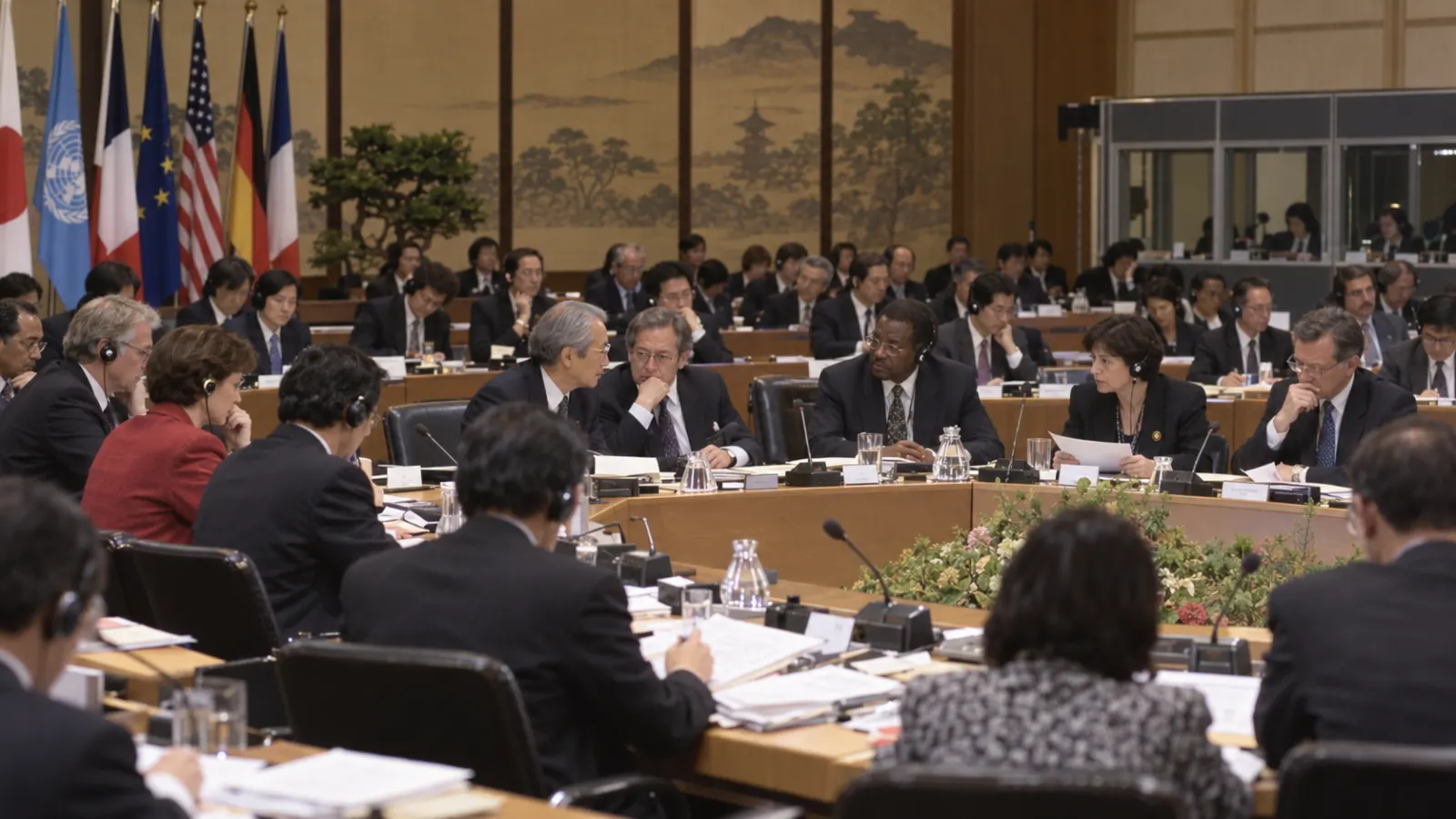
Carbon dioxide is also connected to inequality. High-income countries industrialised using fossil fuels and contributed heavily to historical emissions. Within countries, wealthy households often have larger carbon footprints through travel, consumption, housing and investment patterns. Meanwhile, climate impacts often fall hardest on people with fewer resources to adapt. Carbon dioxide may mix evenly in the atmosphere, but responsibility and vulnerability are unevenly distributed. This is one reason climate negotiations are so politically complex.
A frequent misconception is that carbon dioxide cannot matter because plants need it. Plants do need carbon dioxide, but that does not mean unlimited carbon dioxide is beneficial. Plants also need suitable temperature, water, soil nutrients, pollinators and stable ecological conditions. Heat stress, drought, floods, pests and wildfire can reduce productivity. Some plants may grow faster under higher carbon dioxide in controlled conditions, but real ecosystems are limited by many factors. A greenhouse crop experiment cannot be used to dismiss planetary climate risk.
Another misconception is that human carbon dioxide is too small compared with natural carbon flows. Natural carbon flows are indeed large: plants, soils and oceans exchange huge amounts of carbon with the atmosphere every year. But before industrial disruption, these flows were roughly balanced over long periods. Human emissions add extra carbon to the system. Even if the human addition is smaller than natural exchanges, it is an imbalance added every year. A bathtub can have large inflows and outflows and still overflow if the inflow exceeds the drain. The key is not total movement; it is net addition.
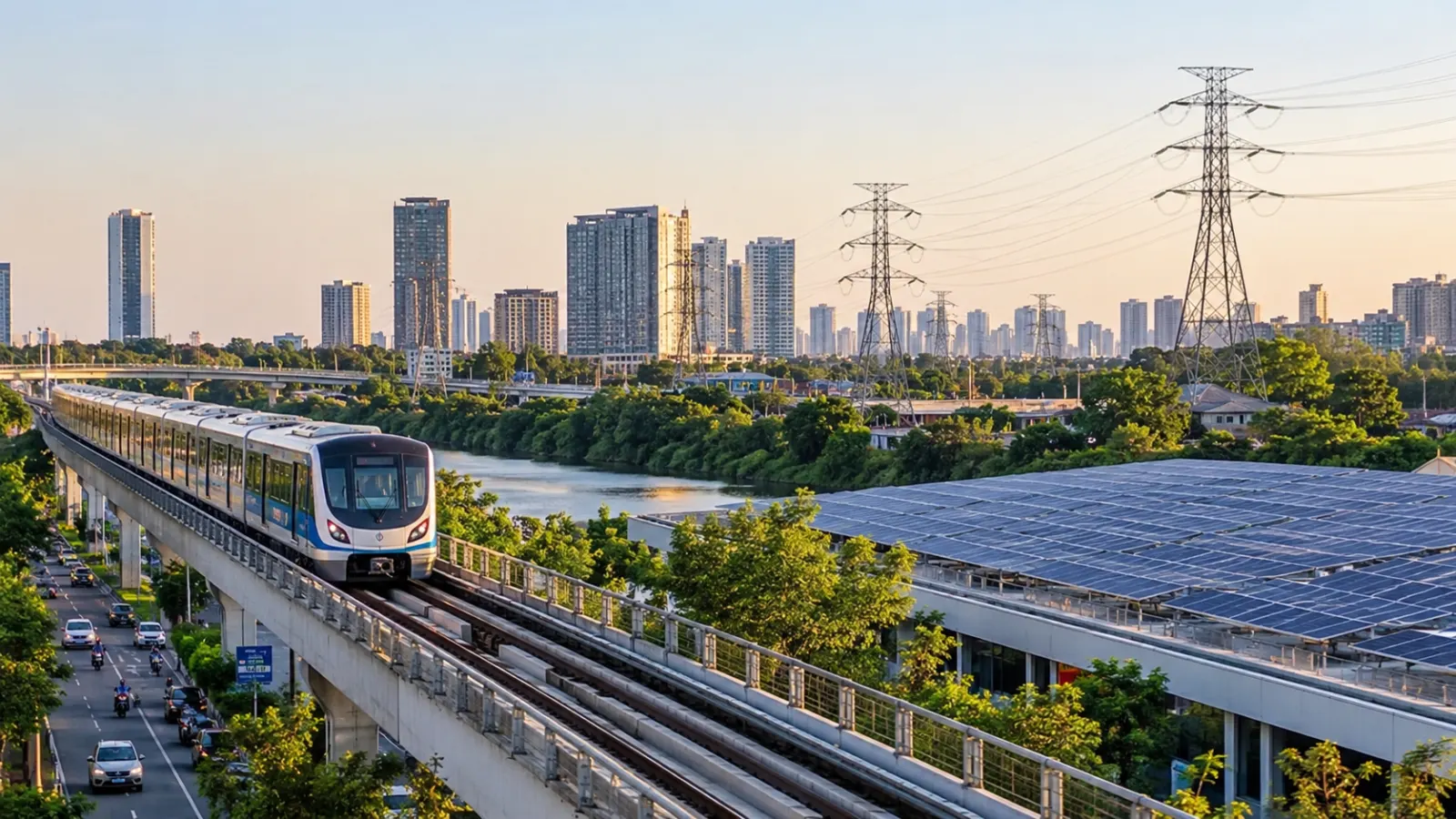
Carbon dioxide also links energy policy to climate policy. Most carbon dioxide emissions come from burning fossil fuels for energy and industrial processes. This means climate solutions must transform how electricity is generated, how buildings are heated and cooled, how vehicles move, how steel and cement are made and how cities are designed. Renewable energy, nuclear power in some contexts, grid storage, energy efficiency, electrification, public transport, low-carbon fuels, carbon capture for hard-to-abate sectors and better material use can all play roles.
Carbon removal is another part of the discussion, but it must be handled honestly. Forest restoration, soil carbon improvement, biochar, direct air capture and mineralisation are possible ways to remove carbon dioxide from the atmosphere. Some are nature-based, some are technological. But removal cannot be treated as a license for unlimited emissions. It is generally harder to remove carbon dioxide after release than to avoid releasing it in the first place. The first priority remains rapid emission reduction, especially from fossil fuels, while removals address residual emissions and historical excess.
Carbon dioxide is not only a scientific topic; it is an accounting challenge. A company, city or country that claims climate responsibility must measure where carbon dioxide comes from, how emissions are changing and whether reductions are real. This is why climate reporting, carbon markets and net-zero pledges are controversial. Without strong measurement and transparency, carbon claims can become greenwashing. Since carbon dioxide is invisible, numbers become the battleground of trust.
For ordinary readers, the most useful way to understand carbon dioxide is to see it as the main thermostat gas of industrial civilisation. It is not evil, but excess accumulation is dangerous. It is not visible, but it is measurable. It is not local, but it has local consequences. It is not the only greenhouse gas, but it is the central long-term driver. It is connected to power plants, petrol pumps, cement, forests, oceans, food, finance and politics.
The climate challenge is therefore a carbon management challenge at planetary scale. Humanity must stop moving ancient carbon into the atmosphere faster than natural and managed systems can handle it. That requires cleaner energy, protected ecosystems, efficient infrastructure, changed industrial processes and honest accounting. Carbon dioxide teaches the central lesson of climate science: small molecules, accumulated over time, can reshape the conditions of life on Earth.
Measurement is central because carbon dioxide cannot be managed by sight. Smoke can be seen, sewage can be smelled, plastic waste can be photographed, but carbon dioxide disperses invisibly. Scientific instruments make the invisible visible. Monitoring stations, satellites, ice cores and ocean measurements allow scientists to track concentration, sources, sinks and trends. Without measurement, climate debate would be trapped in impressions. With measurement, the trend becomes a matter of evidence.
Carbon dioxide also changes how we think about time. A coal plant built today may operate for decades. A highway can shape travel behaviour for half a century. A forest destroyed in one season may take generations to recover. A tonne of carbon dioxide emitted now can influence warming far beyond the moment of release. This is why infrastructure decisions are climate decisions. The world is not only emitting carbon dioxide; it is building the machines, cities and habits that decide future emissions.
There is also a difference between carbon intensity and total emissions. Carbon intensity measures emissions per unit of output, such as carbon dioxide per unit of electricity or per unit of GDP. A country can reduce carbon intensity and still increase total emissions if its economy grows rapidly. For the climate, total cumulative emissions matter. Efficiency is valuable, but it must be paired with absolute reductions in carbon dioxide if the goal is to stabilise temperature.
Carbon dioxide literacy therefore matters for citizens. It helps people judge claims about “green” products, “net zero” pledges, tree-planting campaigns and carbon offsets. A serious claim should explain what emissions are being reduced, what emissions remain, how removals are measured, whether reductions are additional, and whether the timeline is credible. Carbon dioxide is invisible, so weak claims can sound convincing. Good public understanding is a defence against greenwashing.
In the end, carbon dioxide is a discipline of consequences. It teaches that invisible changes can accumulate into visible disruption, that economic activity has atmospheric consequences, and that delayed action increases the burden on future generations. A mature climate response begins when societies stop treating carbon dioxide as an abstract statistic and start treating it as a central measure of development quality, technological responsibility and planetary stability.