SFI-DYFI March to Jantar Mantar Stopped by Delhi Police
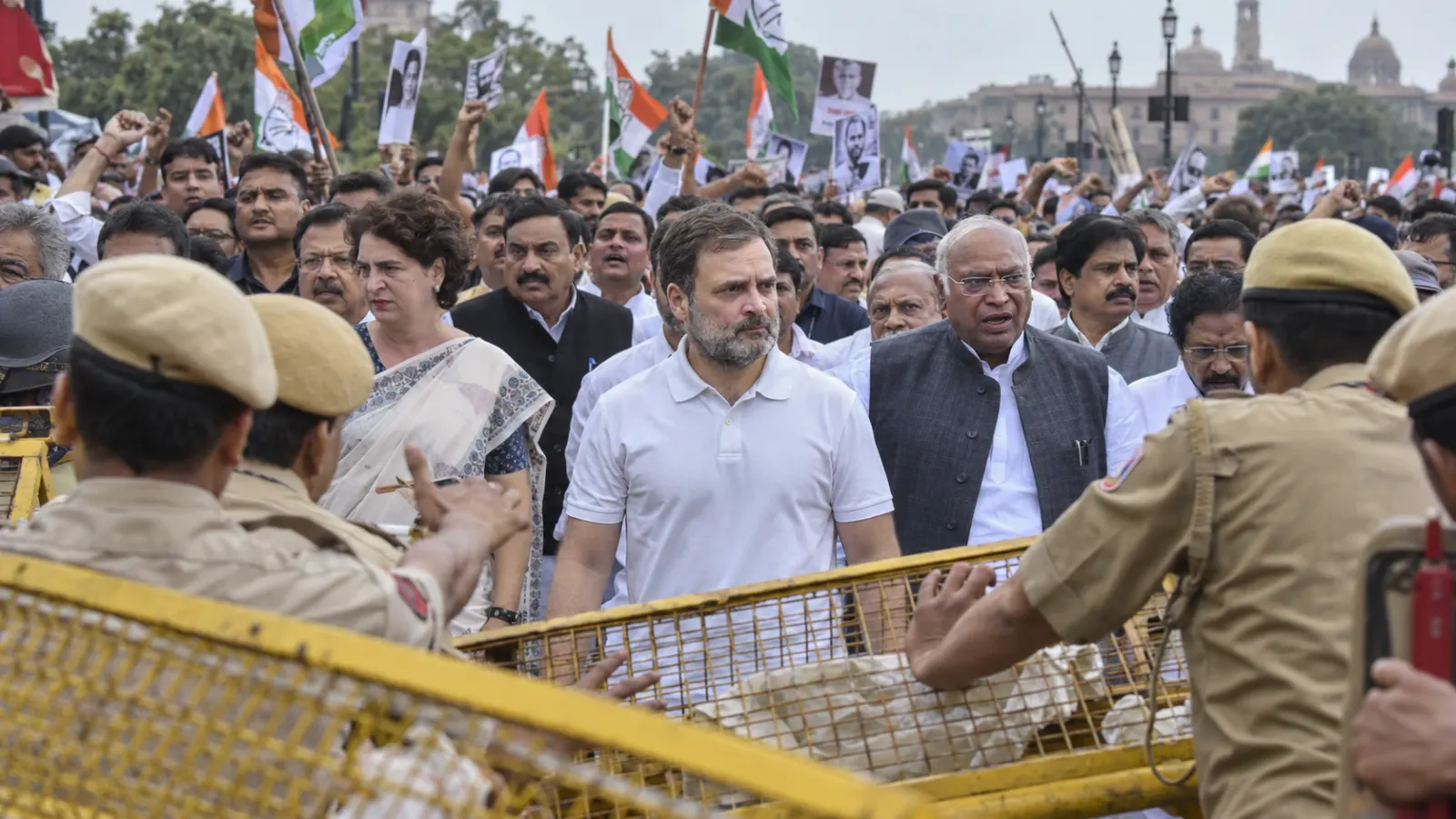
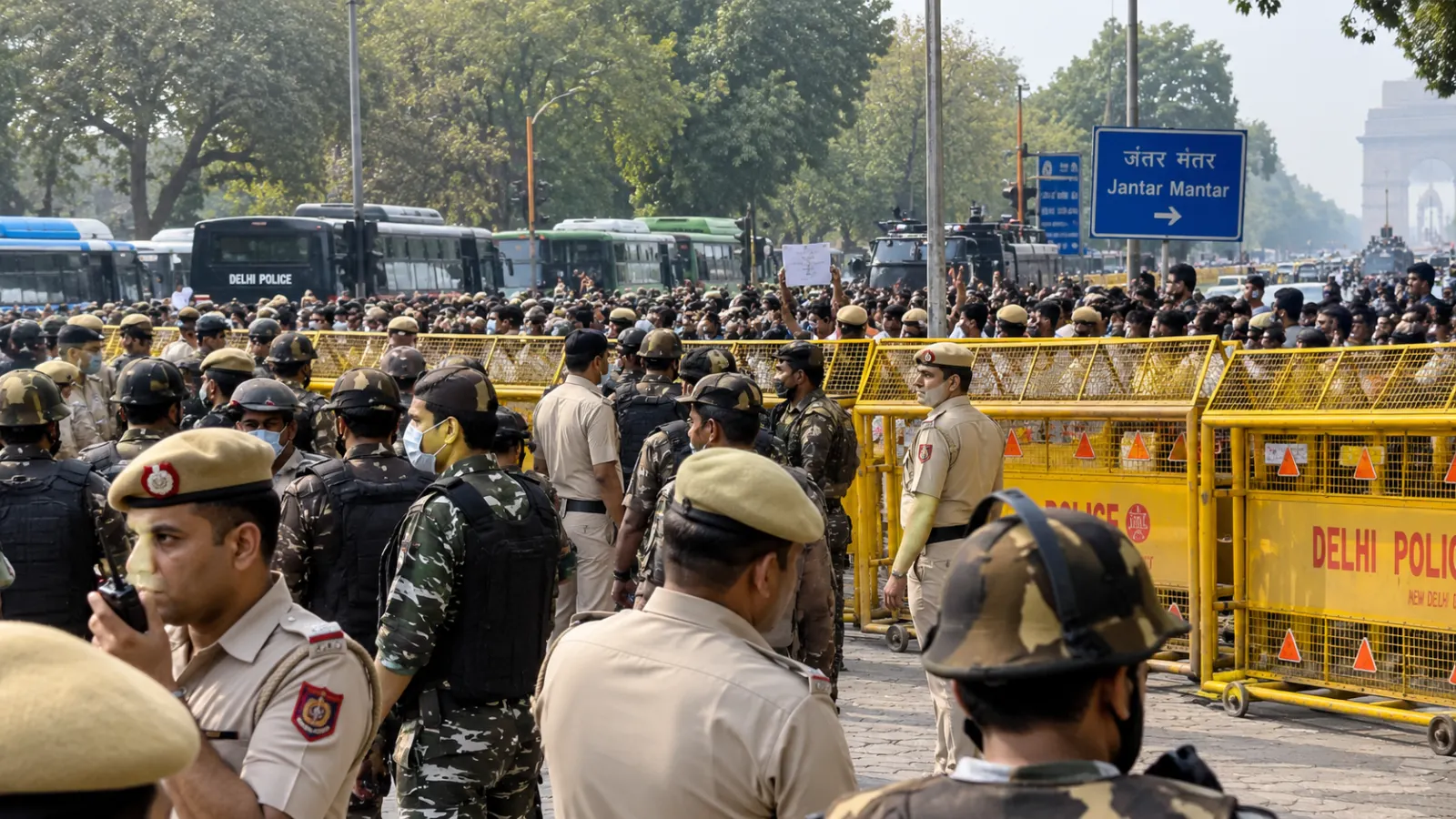
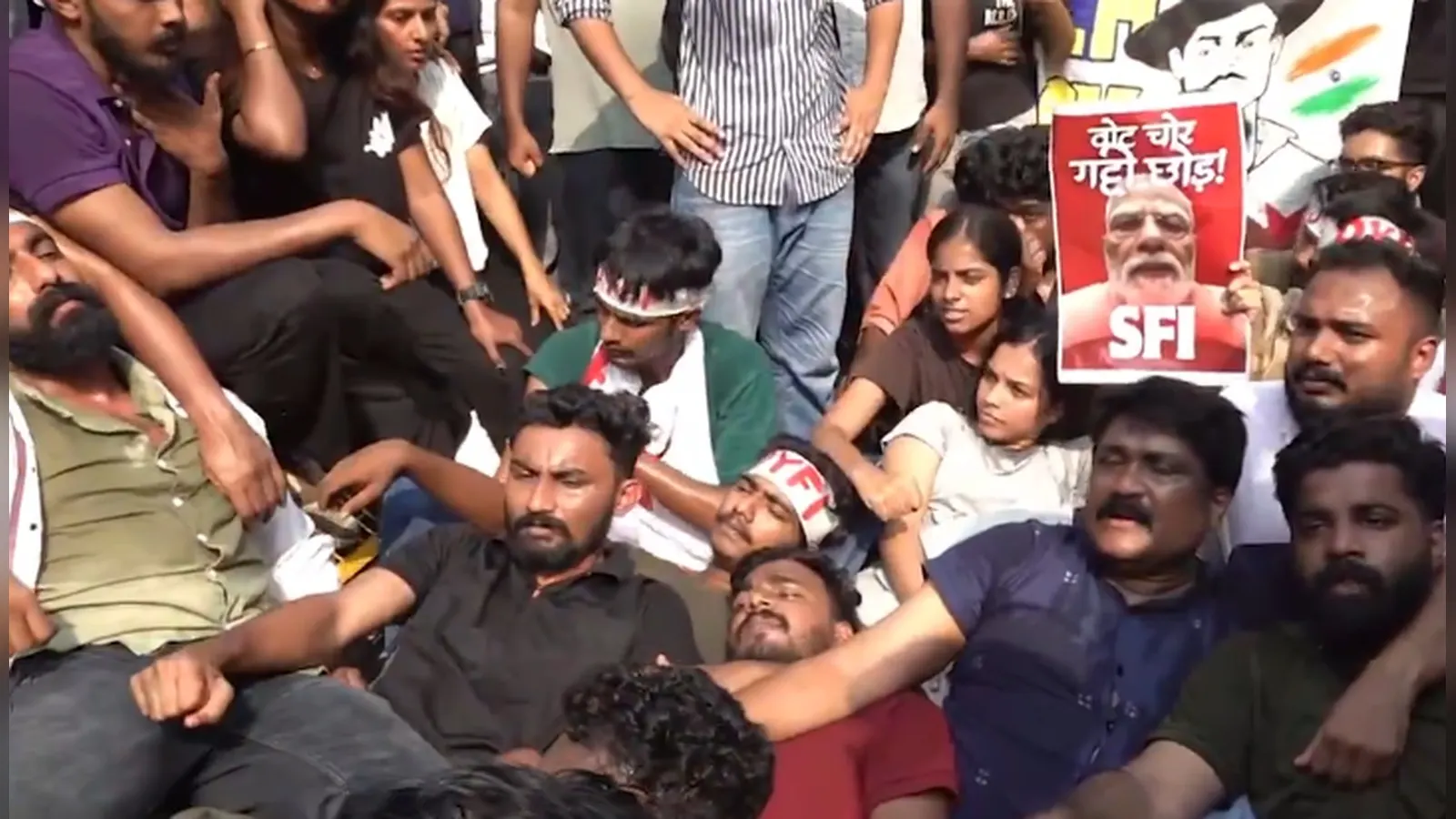
Student and youth activists from the Students’ Federation of India (SFI) and the Democratic Youth Federation of India (DYFI) attempted to march towards Jantar Mantar in central Delhi on October 14, but were stopped by police barricades before reaching the protest site.
The joint demonstration began from Firoz Shah Road, with protesters demanding the resignation of Chief Election Commissioner Gyanesh Kumar and calling for Jantar Mantar to be restored as an officially designated venue for demonstrations. The march comes amid continuing political and student mobilisation in Delhi over electoral-roll revisions and the recent removal of Jantar Mantar from the city’s list of designated protest sites.
Visuals from the demonstration showed activists gathered near police barricades while raising slogans demanding that Jantar Mantar be “reclaimed”. Protesters maintained that demonstrations would continue despite the restrictions and argued that access to a prominent central Delhi protest venue remained important for democratic expression.
Protesters challenge removal of Jantar Mantar as demonstration site
The immediate dispute centres on the decision to remove Jantar Mantar’s status as a designated protest venue. Authorities have instead identified Ramlila Ground, Burari Ground and CBD Ground in East Delhi as alternative locations where demonstrations can be organised.
Jantar Mantar has historically served as one of Delhi’s most recognisable spaces for political demonstrations, civil-society campaigns and public-interest protests. Its location close to Parliament and other major government institutions has also given demonstrations held there considerable public and media visibility.
The change has therefore become a political issue in its own right. Student groups and other protesters argue that shifting demonstrations away from Jantar Mantar could reduce the visibility and impact of public mobilisation. Authorities, meanwhile, have said alternative locations have been identified as part of revised arrangements governing protests in the capital.
SFI and DYFI activists raised slogans calling for the restoration of Jantar Mantar while reiterating their demand for Gyanesh Kumar’s resignation. Their mobilisation forms part of a wider series of demonstrations questioning the Election Commission’s handling of electoral-roll revisions.
Critics of the electoral revision process have alleged that large-scale deletion of names could affect legitimate voters and have demanded greater transparency and accountability. The Election Commission has rejected allegations of political manipulation and maintained that the revision process is intended to correct and update electoral rolls.
Delhi sees repeated confrontations over protest restrictions
The latest march follows several days of confrontation between protesters and Delhi Police around Jantar Mantar and other areas of the capital. Political groups, student organisations and activists have repeatedly attempted to hold demonstrations demanding the resignation of the Chief Election Commissioner.
Police have imposed restrictions and stopped a number of marches from reaching their intended destinations, citing public-order considerations and rules governing demonstrations.
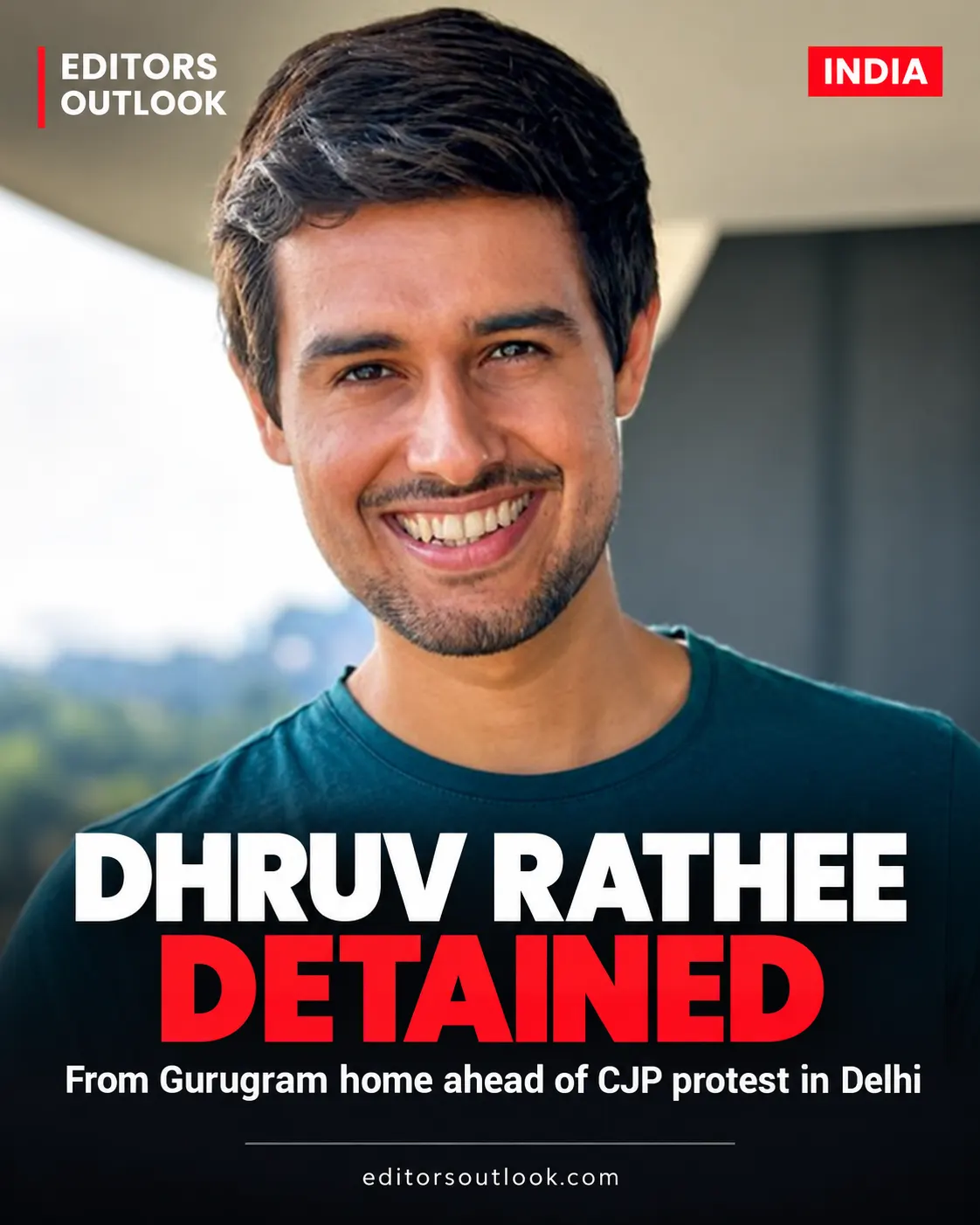
The situation has also become closely linked with the ongoing Cockroach Janta Party protests. CJP leaders Saurav Das and Ashutosh Ranka were recently sent to five days of judicial custody after authorities accused them of entering the de-notified Jantar Mantar area despite restrictions. The party has said it intends to continue its campaign and challenge the removal of Jantar Mantar as a protest venue.
The SFI-DYFI mobilisation shows that the dispute is no longer confined to one political or activist group. Student and youth organisations are increasingly framing the issue around both electoral accountability and the broader right to demonstrate in central Delhi.
Jantar Mantar emerges as a larger political flashpoint
The confrontation now involves two overlapping questions: the political dispute surrounding electoral rolls and the future of one of Delhi’s most prominent protest spaces.
For protesters, the demand to return to Jantar Mantar has become symbolic of the right to make political dissent visible near the institutions being challenged. For authorities, the issue involves managing demonstrations, security and public movement in one of the capital’s most sensitive administrative areas.
The latest attempt by SFI and DYFI activists to reach Jantar Mantar suggests that the decision to shift protests to alternative venues is unlikely to end demonstrations in central Delhi.
With multiple organisations continuing to mobilise, the next phase will depend on whether authorities permit further demonstrations at alternative locations, whether activists continue trying to reach Jantar Mantar, and whether courts become involved in fresh challenges to the restrictions.
For now, Jantar Mantar itself has become as central to the confrontation as the political demands that originally brought protesters onto Delhi’s streets.