Is Modi Facing His Toughest Test Yet? Protests, US Pressure and Inflation Converge
Prime Minister Narendra Modi is facing an unusually complex convergence of political, diplomatic and economic pressures, with a fast-growing youth protest movement, strained ties with the United States and rising inflation all intensifying at the same time.
The immediate pressure is coming from three directions. Youth-led protests that began around exam paper leaks have expanded into a broader political movement. India-US relations are under strain over trade negotiations and energy ties with Russia. At home, retail inflation has climbed to 5.54% in September, close to the Reserve Bank of India’s 6% upper tolerance limit. Reuters
Youth protests have evolved beyond exam leaks
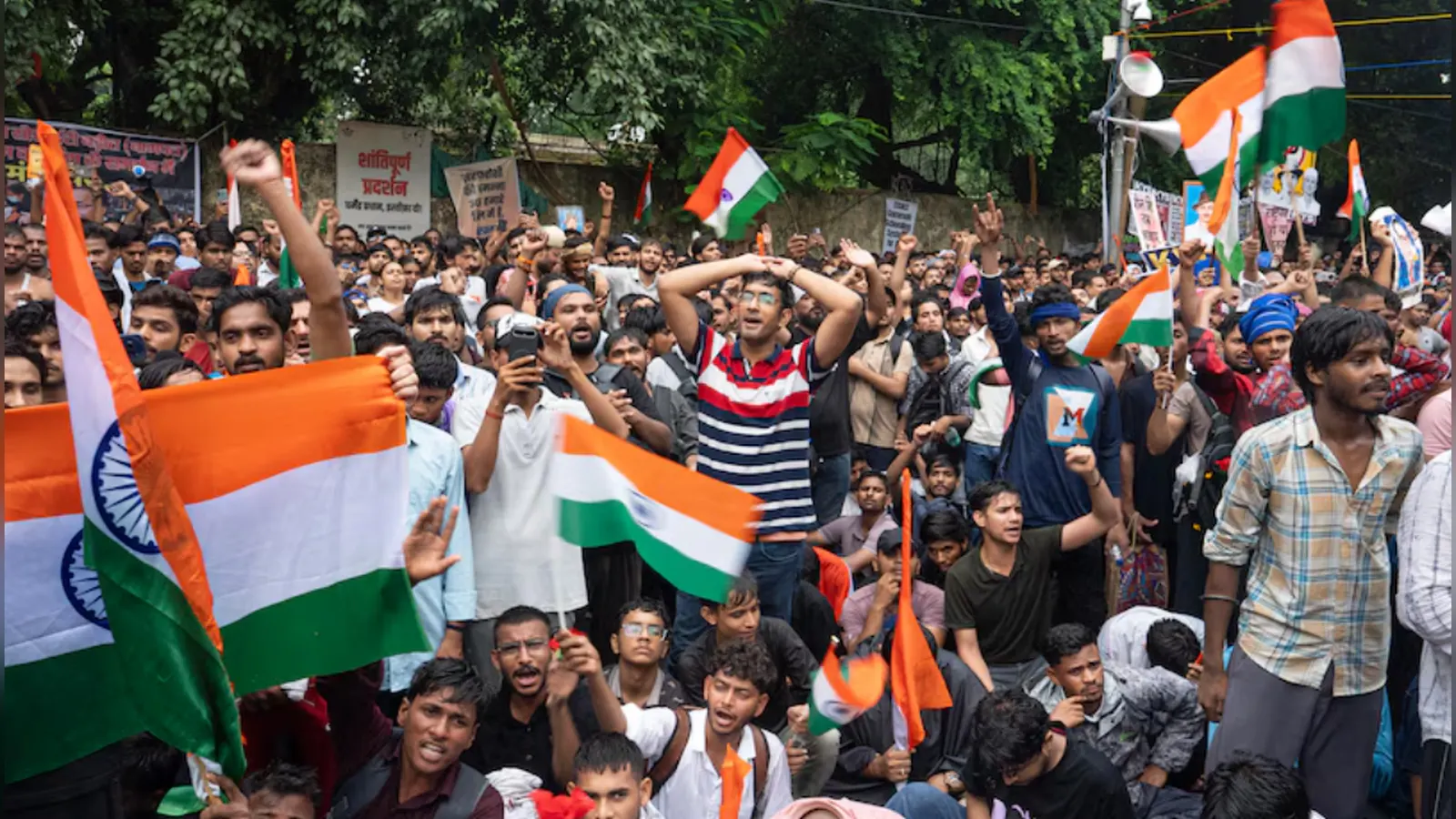
The Cockroach Janta Party, or CJP, initially emerged from anger over examination paper leaks and concerns about opportunities for young people. What began as a largely online youth movement has since evolved into sustained street mobilisation.
Its demonstrations have increasingly focused on electoral issues, including demands concerning Chief Election Commissioner Gyanesh Kumar and allegations around voter-roll revisions.
The movement’s growth matters politically because it has managed to combine student frustration, unemployment concerns and distrust of institutions into a broader anti-establishment message.
Reuters has described the movement as one of the more significant youth-led political challenges facing the government, particularly because it has remained active despite repeated detentions, protest restrictions and police action. Reuters
India-US relations are also under pressure
At the same time, New Delhi’s relationship with Washington has become more complicated.
Trade negotiations have faced difficulties, while the United States has continued to pressure India over its energy relationship with Russia. Washington has also introduced changes affecting labour and certification programmes used by Indian technology companies, adding another layer of uncertainty.
India has defended its right to purchase Russian energy and has repeatedly argued that Western criticism is inconsistent because the United States and European countries also continue to trade with Moscow in certain sectors.
The dispute therefore goes beyond oil purchases. It now touches trade, technology, strategic autonomy and the broader direction of India-US relations.
For Modi, this creates a difficult balance: maintaining close strategic ties with Washington while also protecting India’s longstanding economic and defence relationship with Russia. Reuters
Inflation has returned as a domestic economic problem
The third challenge is economic.
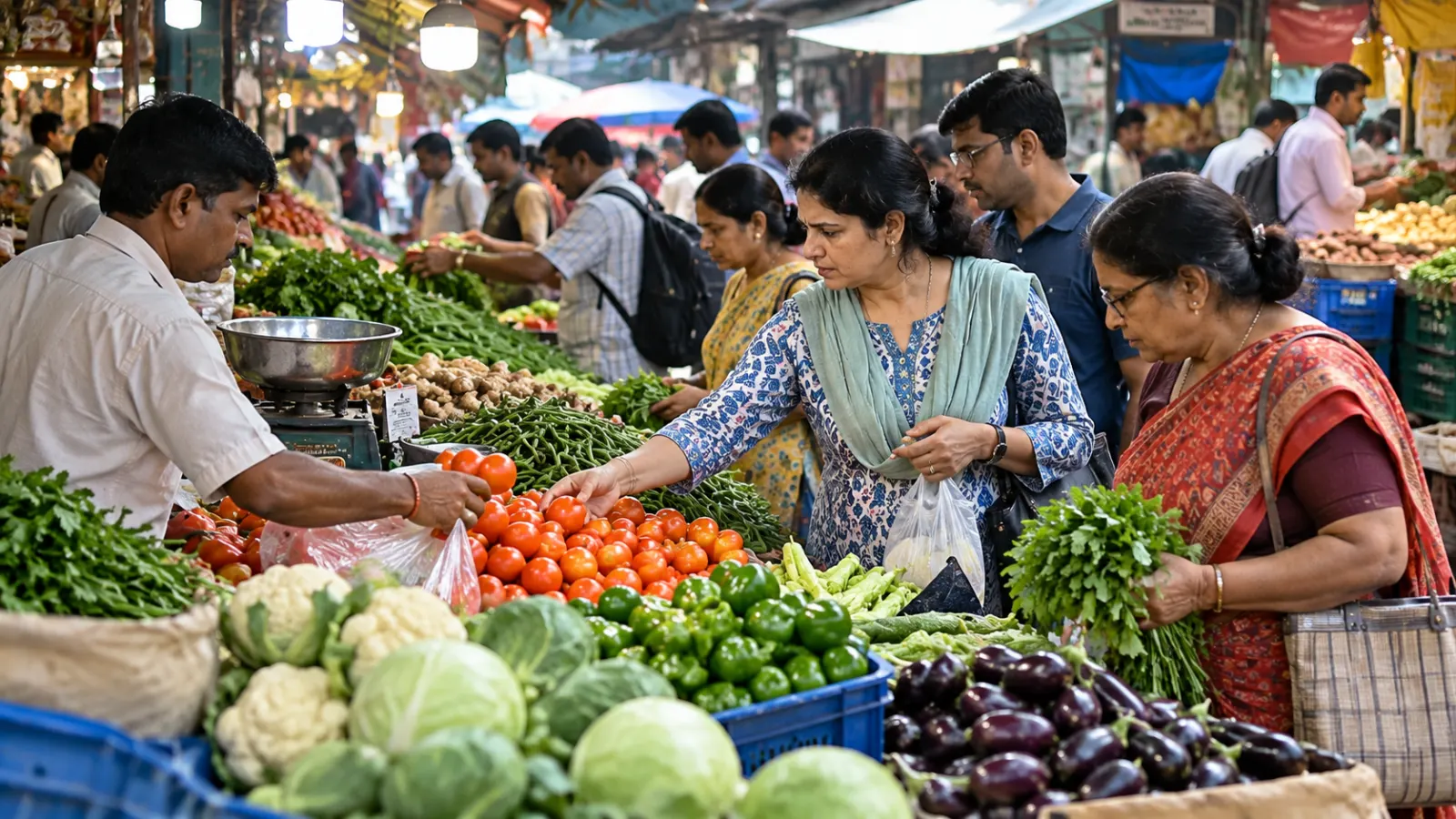
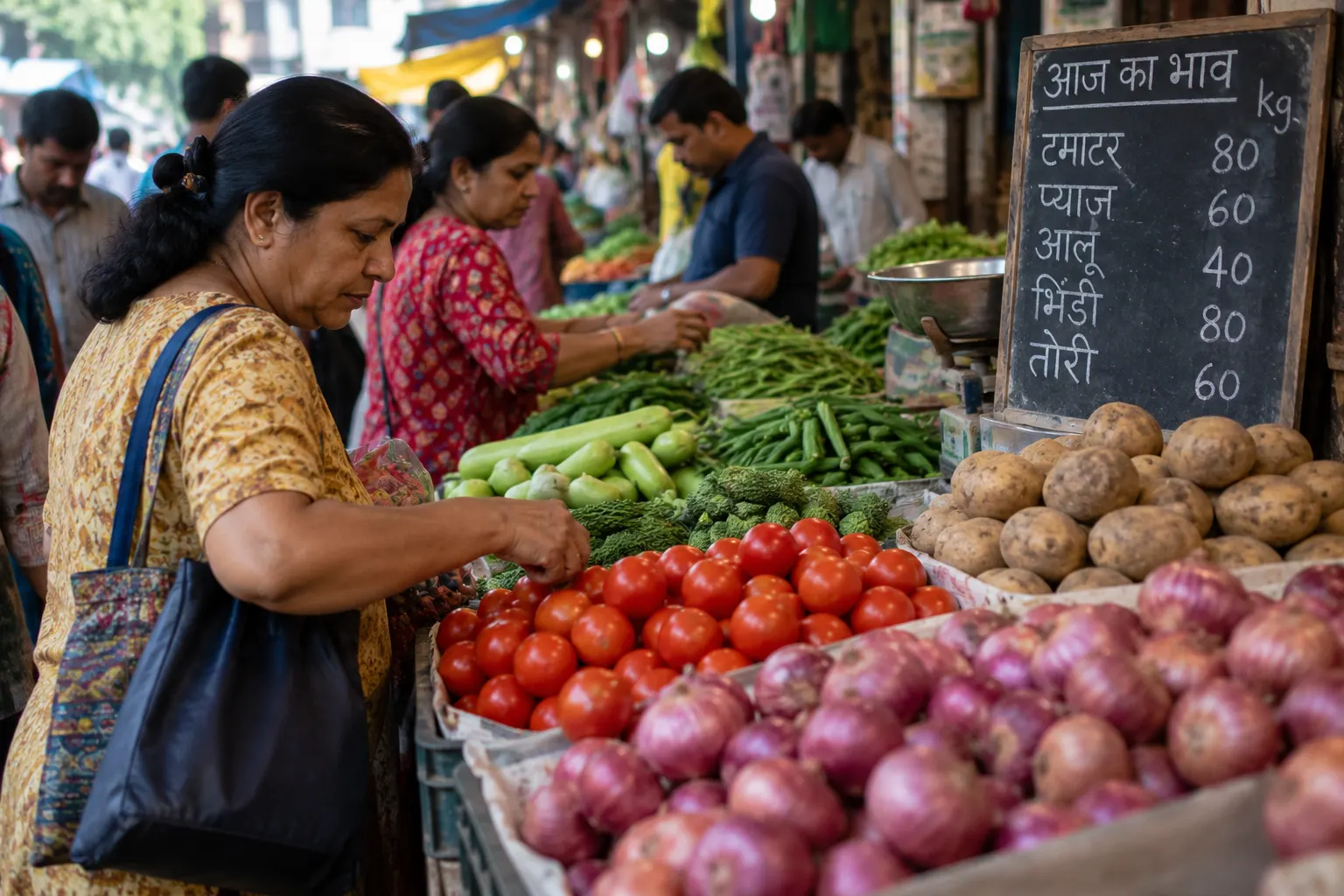
India’s retail inflation accelerated to 5.54% in September, up sharply and close to the RBI’s 6% upper tolerance threshold. Food inflation reached 7.74%, with prices of essential items contributing heavily to the increase. Reuters
Higher inflation directly affects household budgets, particularly for lower- and middle-income families, making it politically sensitive even when overall economic growth remains relatively strong.
The RBI has already tightened monetary policy, and economists are now considering whether additional rate increases may be required if inflation remains elevated.
Higher interest rates could help control prices, but they also raise borrowing costs for homebuyers, businesses and consumers.
That creates a difficult policy trade-off: controlling inflation without weakening investment and growth.
Weak rupee and high oil prices add to the pressure
India is also dealing with pressure on the rupee, elevated oil prices and foreign capital outflows.
These factors are closely connected.
A weaker rupee makes imported oil more expensive. Higher crude prices increase transport and production costs. Those costs can then feed into broader inflation.
Because India imports most of the crude oil it consumes, sustained oil prices above $100 per barrel pose a particularly serious economic risk.
The RBI has introduced measures aimed at stabilising the rupee, while financial markets remain sensitive to global energy prices and international capital flows. Reuters
Why the combination matters politically
None of these challenges by itself necessarily represents an existential threat to the government.
The significance comes from their convergence.
Youth protests create visible political pressure on the streets. US tensions complicate foreign policy and trade. Inflation and currency weakness affect household finances and business confidence.
Together, they create a narrative that the government must simultaneously manage domestic dissent, international friction and economic instability.
That is more difficult than dealing with any one of those issues in isolation.
Modi still retains major political advantages
It would nevertheless be misleading to suggest that the government is politically cornered.
Modi and the BJP continue to possess a powerful national organisation, a large voter base and substantial institutional and electoral strength.
India also remains one of the fastest-growing major economies, with recent quarterly GDP growth of 7.8%. Reuters
The central question is therefore not whether the government is about to collapse, but whether these simultaneous pressures can erode political support if they persist.
Inflation is especially important because economic dissatisfaction tends to affect voters directly, while sustained youth protests could broaden if they become associated with jobs, education and electoral credibility rather than a single grievance.
What happens next
Three developments will determine whether this becomes a temporary period of pressure or a more serious political challenge.
The first is whether the youth movement continues expanding beyond Delhi and maintains momentum after repeated detentions.
The second is whether India and the United States can stabilise trade negotiations and reduce tensions surrounding Russian energy purchases.
The third is whether inflation begins easing or moves even closer to — or beyond — the RBI’s upper tolerance limit.
For Modi, the challenge is no longer confined to one protest, one diplomatic dispute or one economic indicator.
It is the fact that all three are unfolding at the same time.