Dhruv Rathee Detained From Gurugram Home Ahead of CJP Protest in Delhi
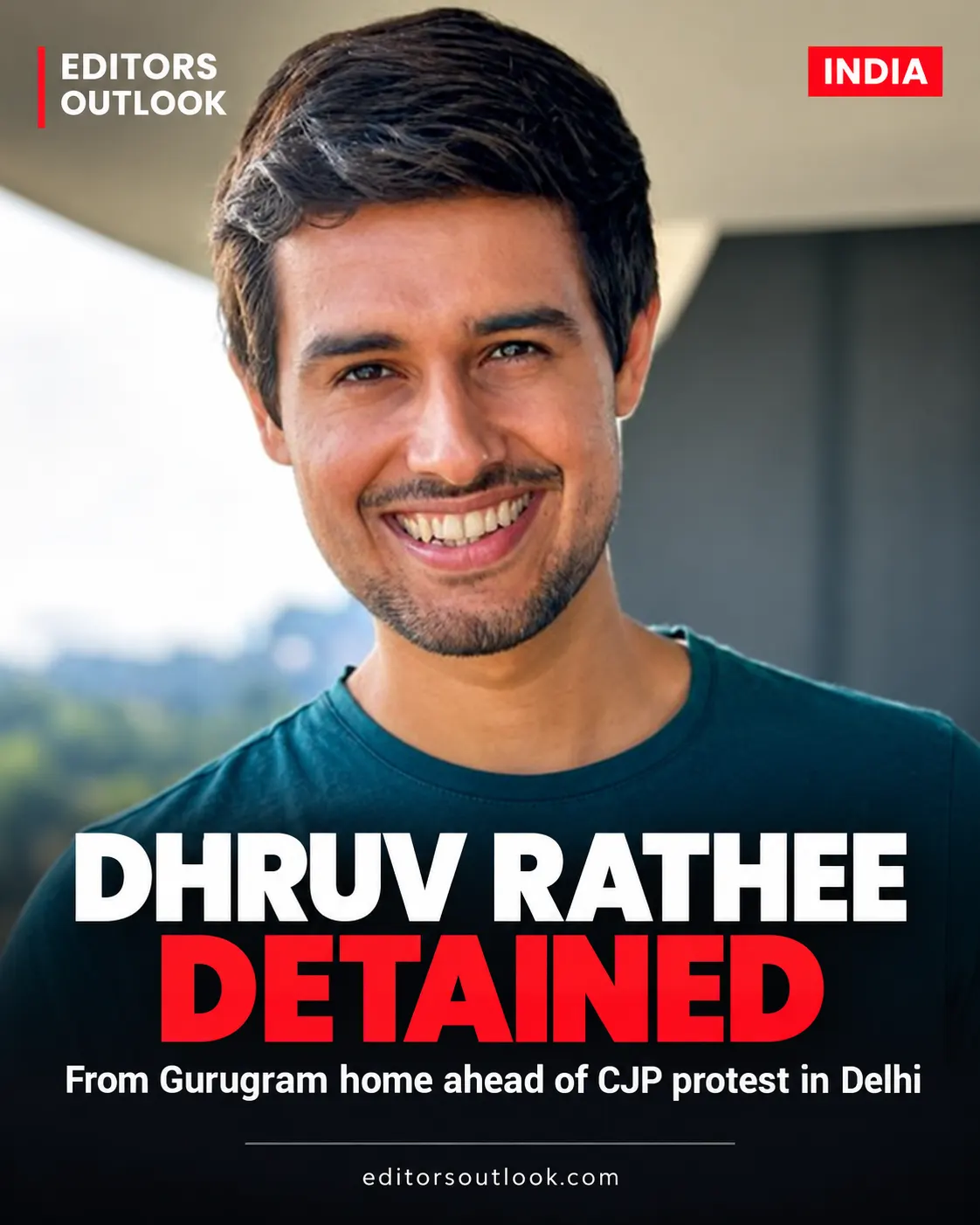
YouTuber and political commentator Dhruv Rathee was detained from his residence in Gurugram on Saturday morning ahead of the planned Cockroach Janta Party protest at Delhi’s Jantar Mantar. The detention came as authorities tightened security across the capital and moved to prevent protesters and organisers from reaching the demonstration site.
Rathee had publicly indicated that he intended to participate in the protest, which was called to demand the resignation of Chief Election Commissioner Gyanesh Kumar over allegations linked to the revision of electoral rolls. His detention quickly became one of the most prominent developments in the wider crackdown surrounding the October 10 protest.
Rathee detained from Gurugram residence
Rathee was detained from his home in Gurugram’s Sector 56 on Saturday morning before he could travel to the protest site in Delhi.
Reports indicate that police personnel reached his residence early in the morning and took him into custody as preventive action ahead of the demonstration. The precise legal grounds and the agency responsible for the detention were not immediately described consistently across initial reports, with different accounts referring to Delhi Police and Gurugram Police involvement.
Rathee was reportedly taken away for questioning as security agencies continued preventive detentions across Delhi and surrounding areas.
The Cockroach Janta Party condemned the action and demanded his immediate release, describing the detention as part of a broader attempt to prevent people from participating in the planned protest.
Rathee had announced plans to join the protest
A day before his detention, Rathee had publicly announced his intention to join the Jantar Mantar demonstration.
He had also participated in a protest in Bengaluru earlier in the week related to concerns over the Special Intensive Revision of electoral rolls.
Rathee has frequently commented on electoral issues, governance and the functioning of public institutions through his social-media channels. His participation was therefore expected to draw additional attention to Saturday’s protest.
The authorities’ decision to detain him before he could reach Delhi significantly raised the political profile of the security operation.
CJP protest triggers major crackdown
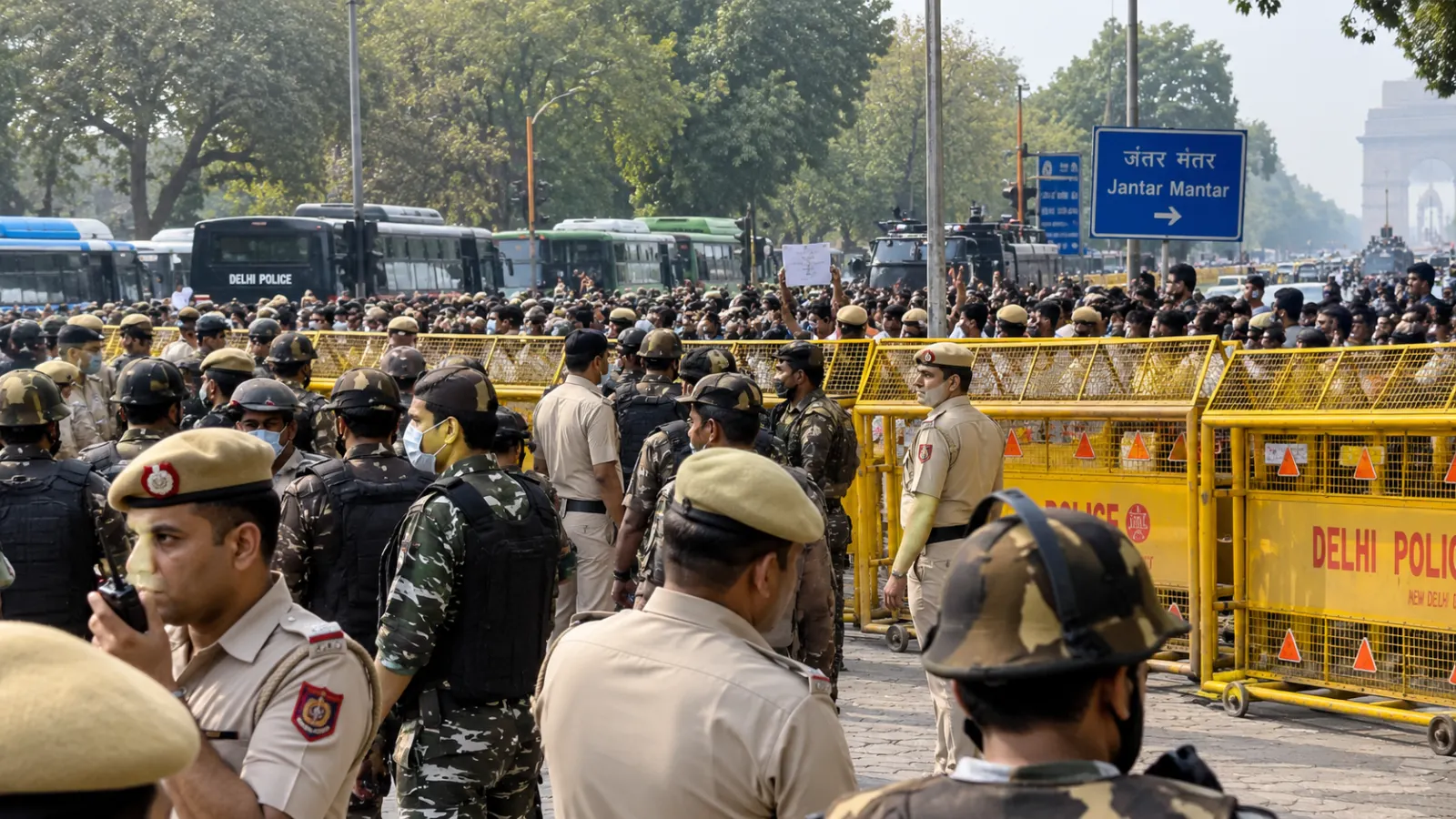
The planned Jantar Mantar demonstration has resulted in extensive preventive action across Delhi.
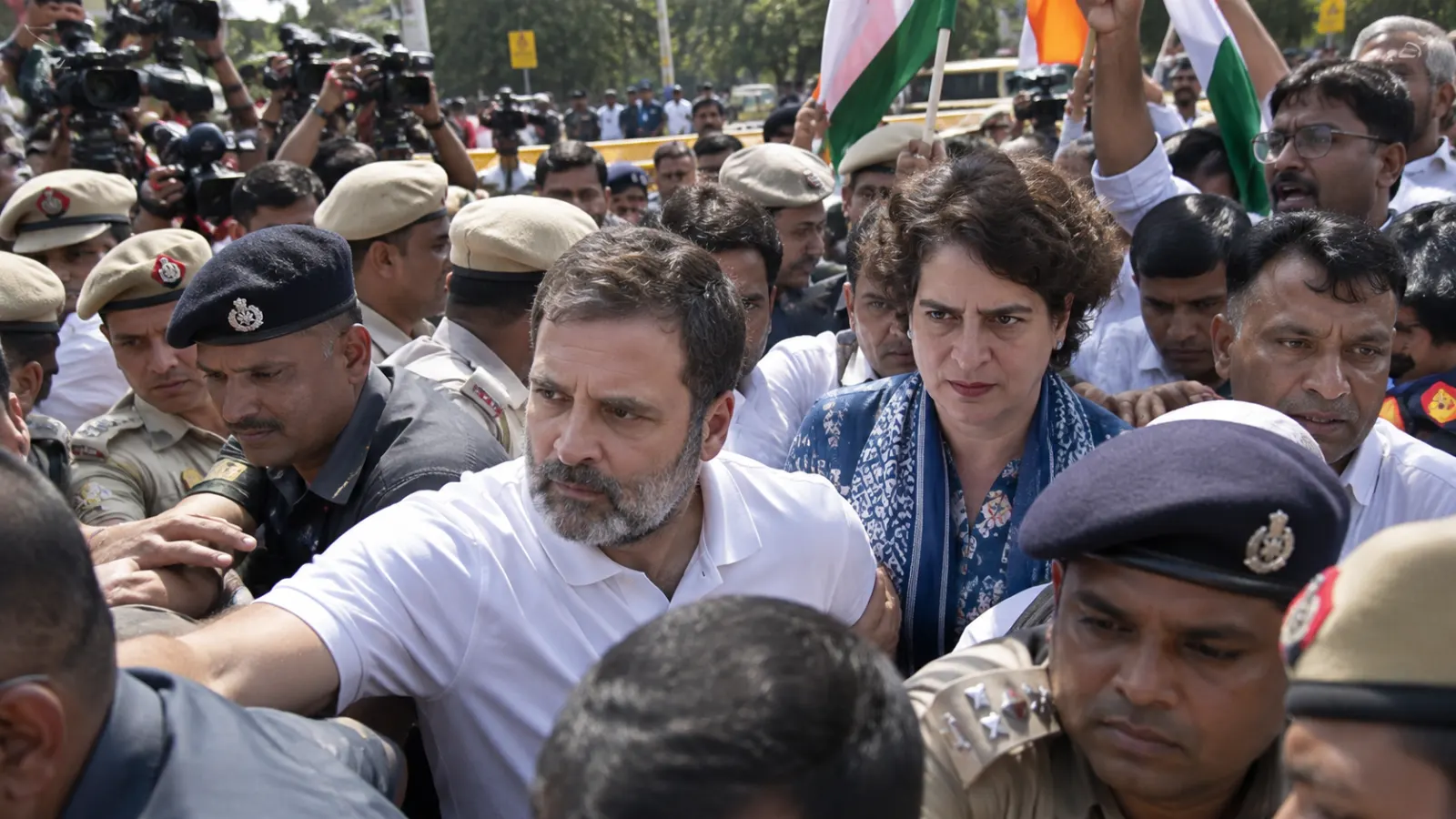
Police have erected barricades on major routes, increased vehicle checks at entry points and restricted access around parts of central Delhi. Protesters attempting to travel towards Jantar Mantar have been stopped at several locations, while large numbers of people have reportedly been detained.
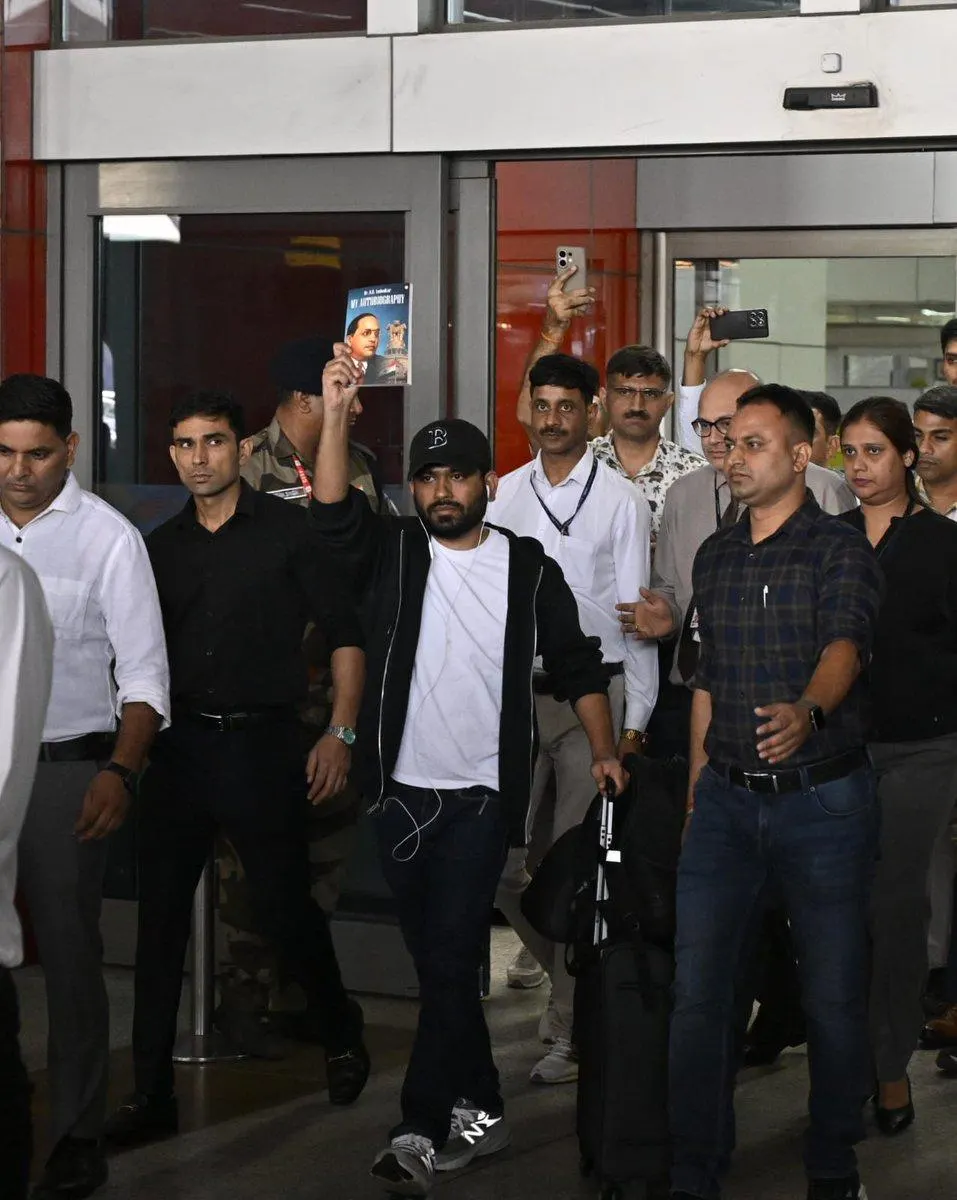
CJP founder Abhijeet Dipke, along with Saurav Das and Ashutosh Ranka, was also detained after their flight landed at Delhi airport earlier on Saturday.
The detentions of Rathee and senior CJP leaders meant that several of the most visible figures expected to participate in the demonstration were prevented from reaching Jantar Mantar.
Despite this, supporters continued attempting to gather at different locations throughout the capital.
Why the protest was called
The Cockroach Janta Party organised the demonstration to demand the resignation of Chief Election Commissioner Gyanesh Kumar.
The movement has raised allegations over the Special Intensive Revision of electoral rolls and claims that legitimate voters may have been removed during the process.
The Election Commission has defended the revision exercise as part of its responsibility to maintain accurate electoral rolls and has rejected allegations that the process was politically motivated.
The dispute has nevertheless developed into a larger political confrontation, attracting activists, opposition leaders, students and online campaigners.
Rathee’s participation was expected to amplify the protest because of his large online audience and his previous commentary on electoral and political issues.
Delhi security measures intensify
Security arrangements across the capital were significantly strengthened ahead of the planned gathering.
Personnel have been deployed at major intersections, Delhi borders and routes leading towards the New Delhi district. Surveillance measures, vehicle checks and temporary restrictions have also been introduced around sensitive areas.
Several Metro stations have faced entry and exit restrictions, while rail services have also been disrupted. Mobile internet restrictions have been imposed in parts of central Delhi.
The cumulative effect has made it difficult for both protesters and ordinary commuters to move through several parts of the city.
Authorities have said the measures are intended to maintain public order and prevent an unauthorised gathering from creating security problems.
Detention draws criticism
Rathee’s detention has prompted criticism from supporters and activists who argue that preventive detention of individuals before a peaceful protest raises questions about the right to assembly and expression.
CJP has accused authorities of attempting to weaken the demonstration by detaining prominent participants before they could reach the protest site.
Police and government authorities, however, have maintained that restrictions are necessary because permission for the gathering was not granted and because of concerns surrounding public order.
The contrasting positions have made the detention part of a broader debate over how authorities should balance security considerations with the constitutional right to peaceful protest.
What happens next
It was not immediately clear how long Rathee would remain in custody or whether he would be released later in the day.
The situation remains fluid as authorities continue monitoring protest-related movement across Delhi and neighbouring Gurugram.
Further detentions, releases or changes to transport restrictions could occur depending on the security situation.
For the protest movement, Rathee’s detention adds another prominent name to the growing list of people prevented from reaching Jantar Mantar. For authorities, it forms part of a wider preventive operation designed to stop the planned demonstration from developing into a large gathering in central Delhi.