Thousands Detained as Protesters Struggle to Reach Jantar Mantar Amid Delhi Lockdown
Thousands of protesters and supporters linked to the Cockroach Janta Party movement have been detained across Delhi as authorities intensify efforts to prevent demonstrators from reaching Jantar Mantar. The crackdown has turned large parts of the capital into a heavily controlled security zone, with barricades, road diversions, Metro restrictions and police checkpoints making movement towards central Delhi increasingly difficult.
The protest was called to demand the resignation of Chief Election Commissioner Gyanesh Kumar over allegations related to the revision of electoral rolls. Organisers had urged supporters to gather at Jantar Mantar, but by Saturday afternoon many protesters were still struggling to reach the site as police continued detentions across the city.
Protesters blocked before reaching Jantar Mantar
Security restrictions have been imposed across several routes leading towards central Delhi, including roads connecting south Delhi, east Delhi, Gurugram and neighbouring areas.
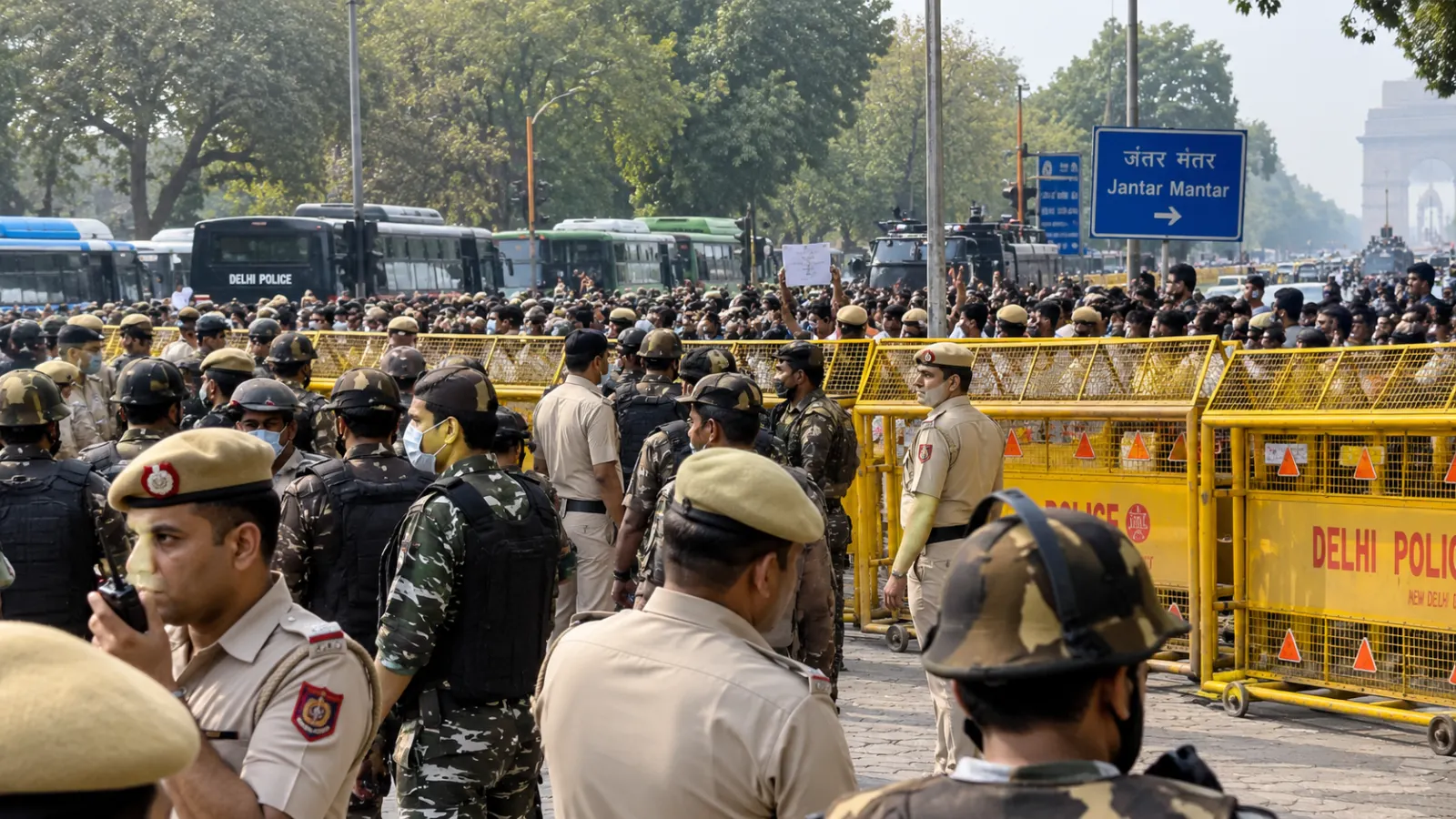
Police have established multiple layers of barricades around key locations, while vehicles are being stopped and checked at several entry points. Protesters travelling in small groups have also been intercepted before they could reach the designated protest area.
Some supporters reportedly attempted to stay overnight near Connaught Place and surrounding areas in an effort to avoid morning checkpoints. Police detained many of them before the demonstration was scheduled to begin.
The restrictions have created severe travel difficulties even for people not participating in the protest. Cab cancellations, roadblocks and limited Metro access have forced some commuters to walk long distances or rely on alternative transport.
Detentions rise into the thousands
The scale of the preventive action has increased sharply through the day.
Thousands of people connected to the protest movement have reportedly been detained in Delhi, including activists, organisers and supporters trying to travel towards the demonstration.
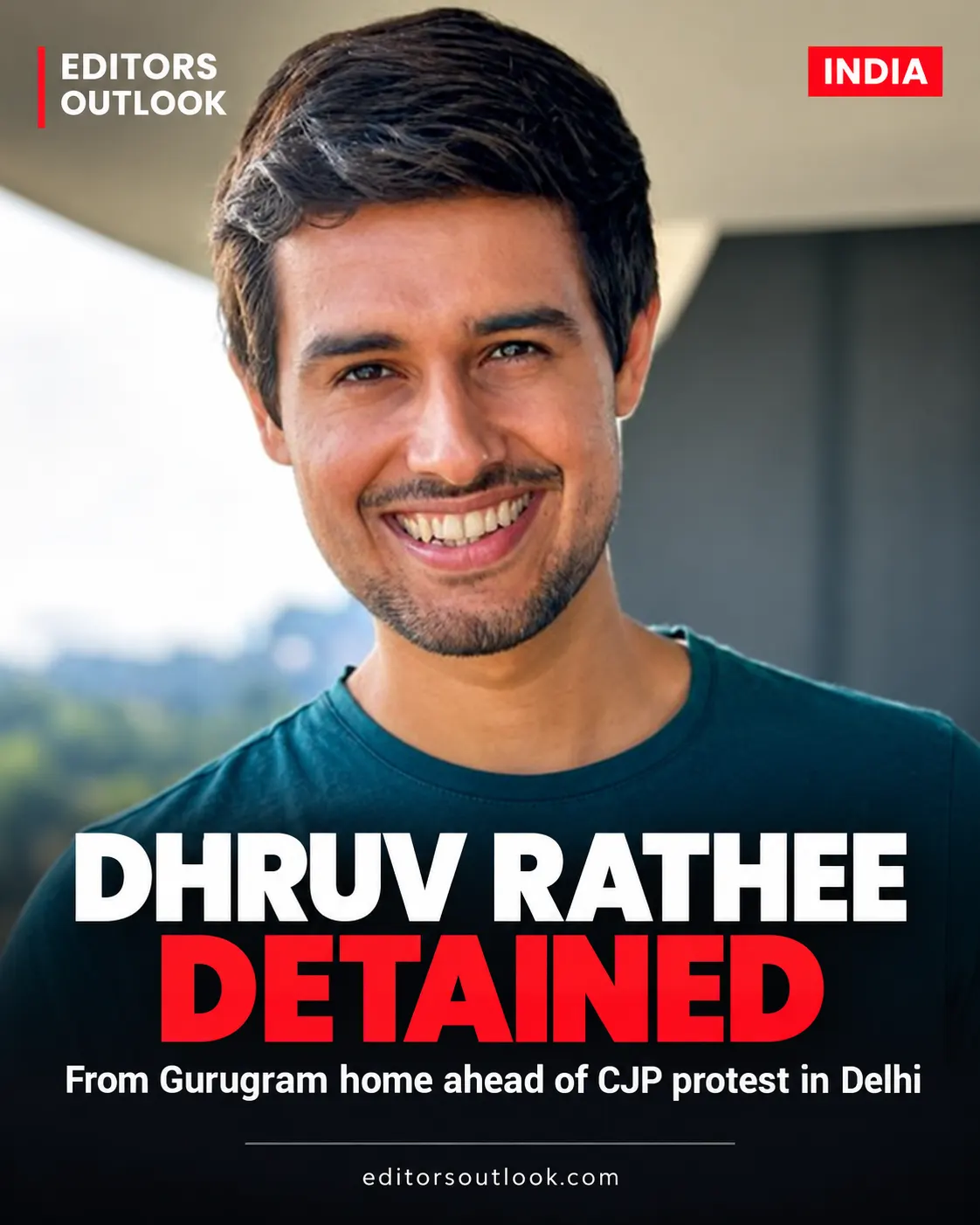
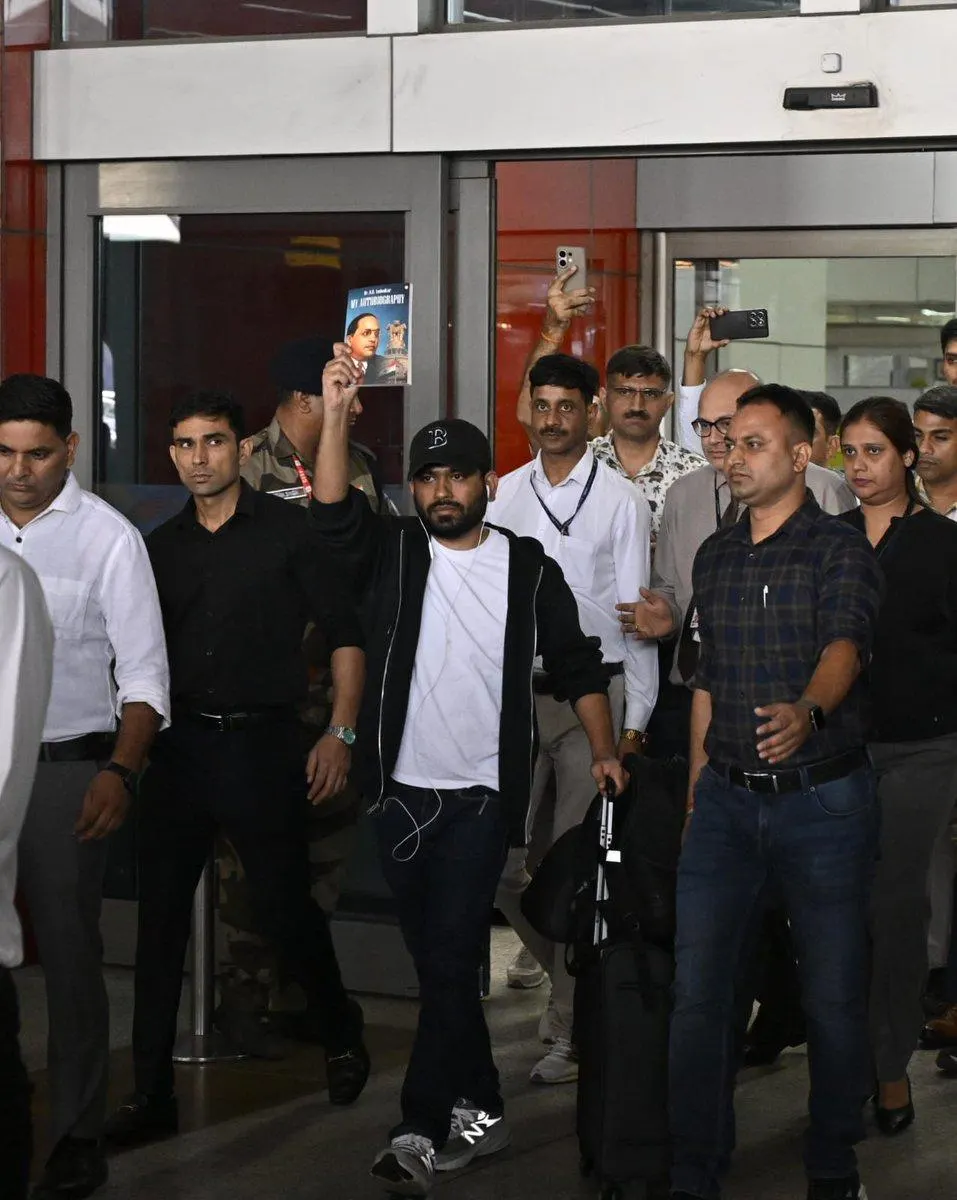
CJP founder Abhijeet Dipke, along with Saurav Das and Ashutosh Ranka, was detained after arriving at Delhi airport earlier in the day. Their detention came before they could join supporters gathering in the capital.
Police have also detained protesters from several districts, with temporary detention facilities being used across Delhi to accommodate the growing number of people taken into custody.
Despite the crackdown, some demonstrators managed to reach areas near the protest zone and raise slogans before police removed them.
Delhi under heavy security deployment
The protest has triggered one of the capital's largest recent security operations.
Thousands of police and paramilitary personnel have been deployed across New Delhi, with particularly heavy security around Jantar Mantar, Parliament Street, Connaught Place and nearby government districts.
Authorities have divided sensitive areas into multiple security zones and identified dozens of locations where protesters could potentially gather.
Temporary detention centres have also been prepared at police facilities and sports complexes across the city.
Police personnel equipped with body-worn cameras are monitoring several checkpoints and potential flashpoints as authorities attempt to prevent clashes.
Metro, rail and internet restrictions add to disruption
The security operation has also affected Delhi's transport and communications networks.
A number of Delhi Metro stations have faced entry and exit restrictions, particularly around central Delhi and interchange points that protesters could use to reach Jantar Mantar.
Indian Railways has cancelled or restricted a large number of trains linked to New Delhi and Hazrat Nizamuddin railway stations, disrupting travel for passengers arriving from across the country.
Mobile internet services have also been restricted in parts of central Delhi as authorities attempt to control communication and crowd mobilisation.
The combined effect of these measures has left commuters dealing with road diversions, cancelled trains, closed Metro access points and difficulties using app-based transport services.
Why protesters are demonstrating
The Cockroach Janta Party and its supporters are demanding the resignation of Chief Election Commissioner Gyanesh Kumar.
The movement has accused the Election Commission of failing to address concerns over the Special Intensive Revision of electoral rolls and claims that large numbers of legitimate voters may have been removed from voter lists.
The Election Commission has defended the revision process as necessary to ensure accurate and updated electoral rolls and has rejected allegations that the exercise is politically motivated.
The dispute has nevertheless become a major political issue, drawing support from opposition parties, activists and youth groups.
Protest continues despite leadership detentions
The detention of senior CJP leaders has not completely stopped attempts by supporters to gather.
Organisers had previously urged protesters to continue demonstrating even if the leadership was detained. That strategy appears to have encouraged smaller groups to continue trying to reach central Delhi despite the restrictions.
However, the heavy security deployment has made it extremely difficult for any large crowd to assemble at Jantar Mantar.
The protest has therefore become less about a single gathering at one location and more about a broader confrontation across the city between protesters attempting to mobilise and authorities trying to prevent an unauthorised assembly.
Political criticism grows over crackdown
The scale of the restrictions and detentions has also triggered criticism from opposition leaders.
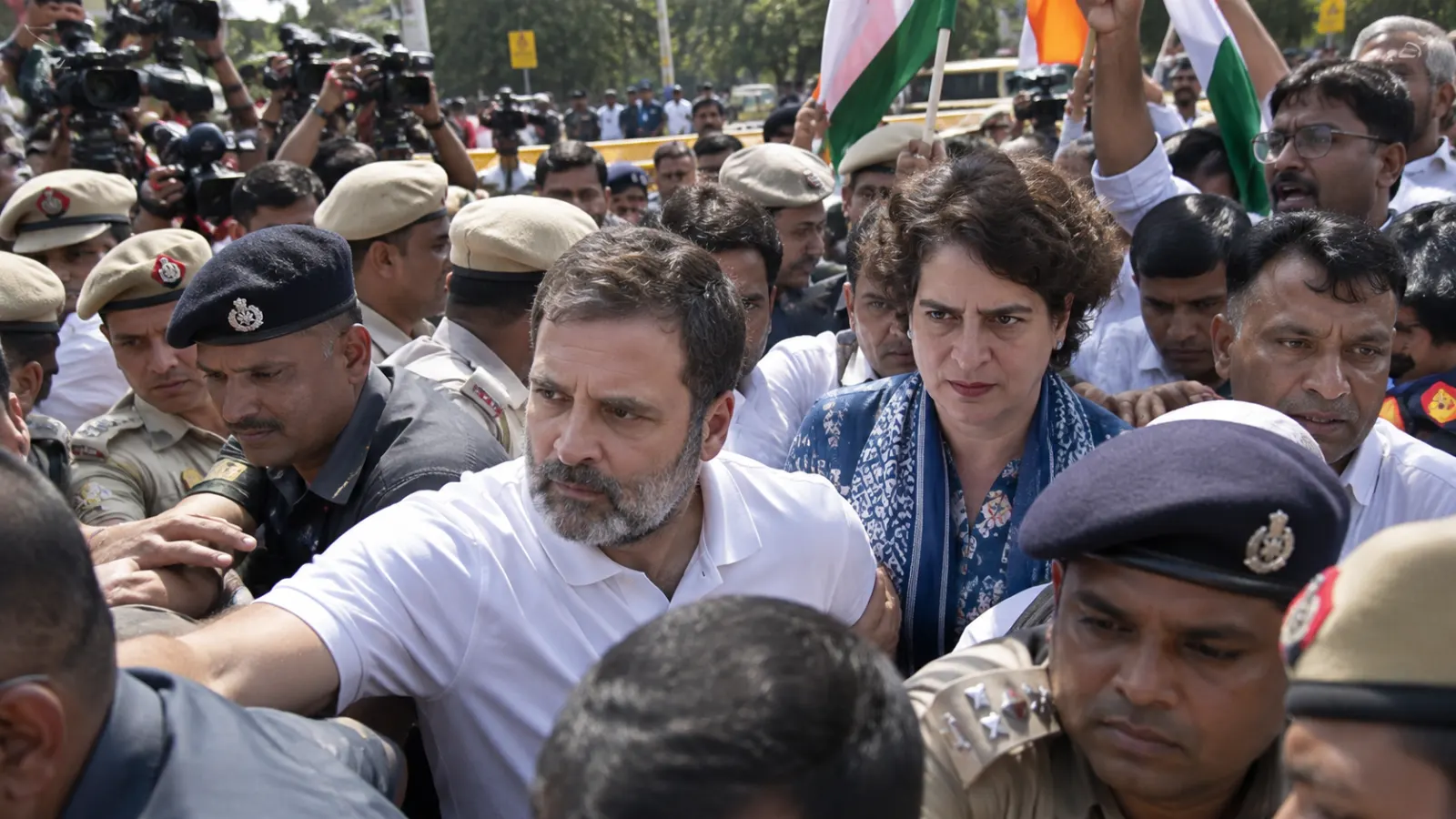
Political figures detained near the protest zone have accused the government of using excessive force and preventive detention to suppress peaceful dissent.
The government and police, however, maintain that the restrictions are necessary because permission for the gathering was not granted and authorities are responsible for preventing law-and-order problems.
The Supreme Court has separately questioned the use of overly broad transport restrictions, stressing that security measures should remain proportionate and should not unnecessarily disrupt the lives of ordinary commuters.
What happens next
The situation remains fluid.
Authorities could continue detaining protesters attempting to reach central Delhi, while CJP supporters may try to regroup at different locations or continue demonstrations later in the day.
Transport restrictions, Metro access controls and road diversions may also change depending on crowd movement and the security situation.
For now, the most significant development is the scale of the crackdown itself. What was initially planned as a mass demonstration at Jantar Mantar has turned into a citywide security operation involving thousands of detentions, widespread transport disruption and a continuing political confrontation over electoral reform and the right to protest.