Rahul Gandhi Tells Protesters to Preserve Video Evidence of Alleged Police Assault
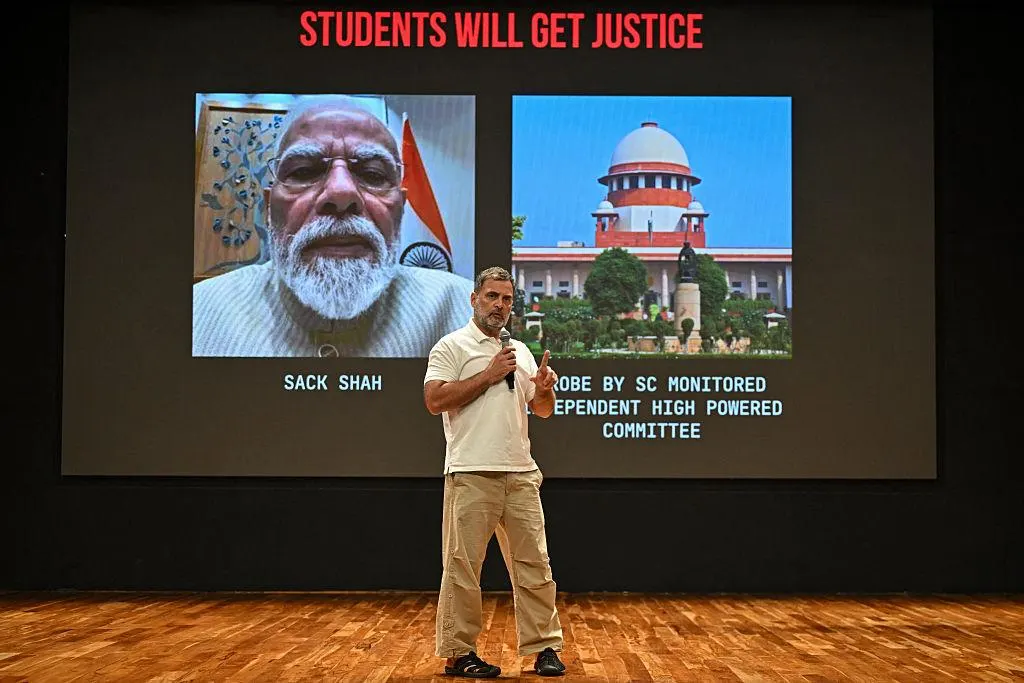
Congress leader Rahul Gandhi has urged protesters in Delhi to keep video records of alleged police assault and misconduct during recent demonstrations, saying the footage could be used to seek accountability against those responsible.
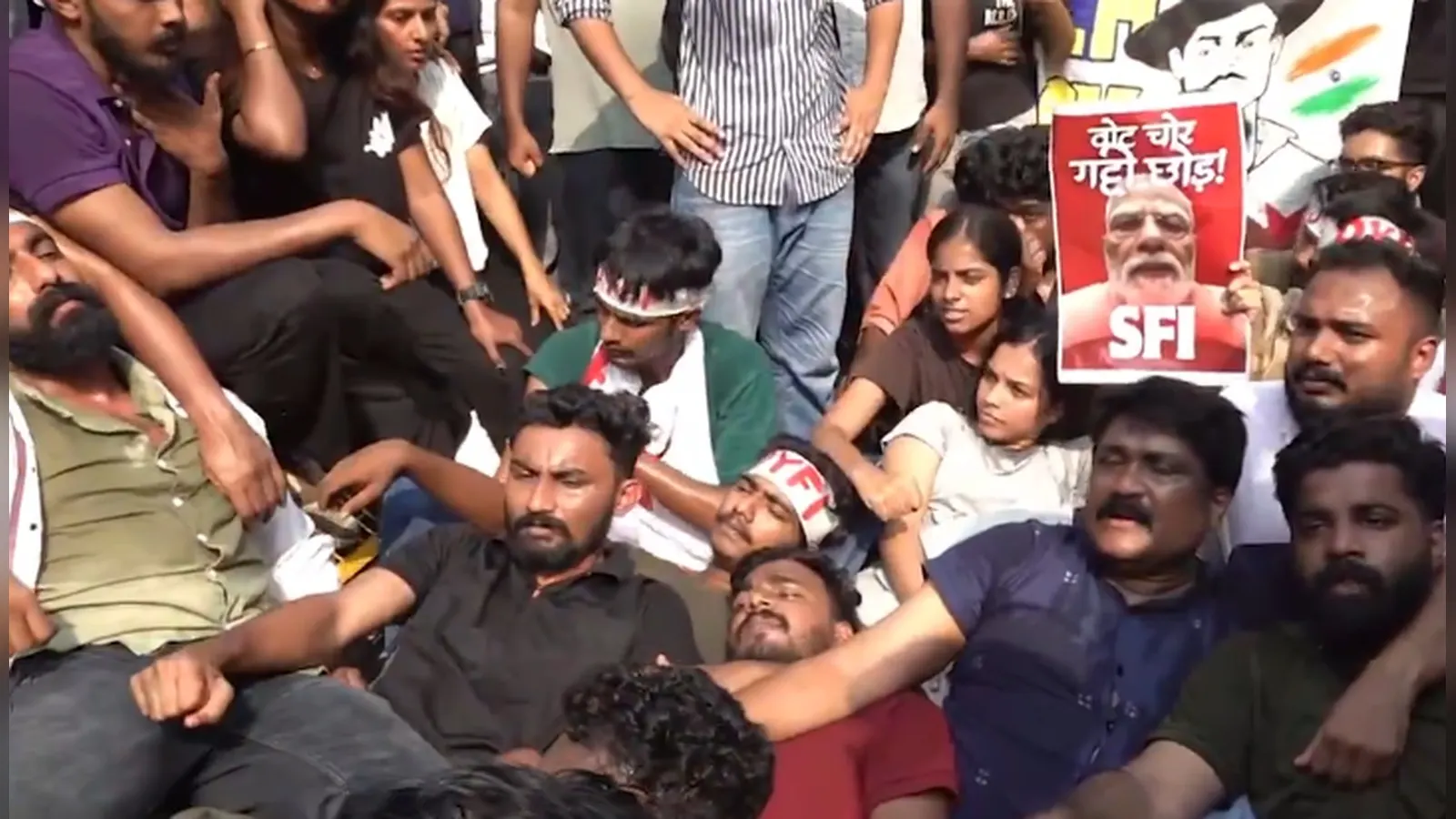
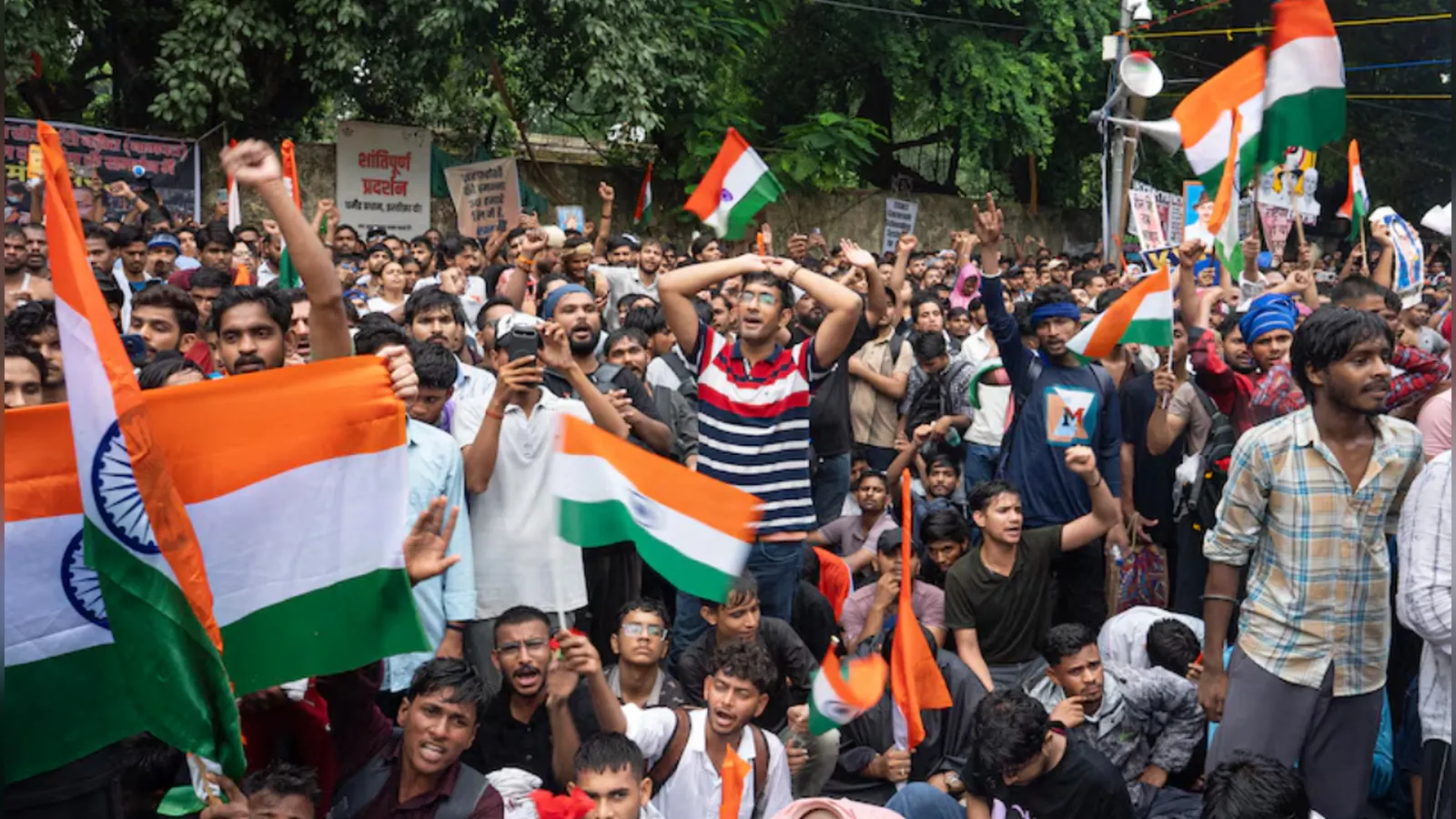
His intervention comes as student and youth protesters continue to allege physical assault, arbitrary detention and harassment by police during demonstrations in the capital. Gandhi has publicly backed injured protesters and sharply criticised the government's handling of the agitation.
Gandhi asks protesters to document alleged police action
Rahul Gandhi told protesters to preserve video evidence of any alleged assault by police, arguing that visual records would be important in identifying officers and pursuing action.
The appeal followed allegations from protesters that they were beaten, pushed or injured during demonstrations linked to the ongoing political confrontation over electoral-roll revisions, Jantar Mantar restrictions and demands concerning Chief Election Commissioner Gyanesh Kumar.
Gandhi also highlighted the case of a Delhi University student who protesters allege suffered hearing loss after being assaulted during police action. The allegation has intensified calls for an independent examination of how demonstrations in Delhi have been handled.
The claims remain allegations and require verification through medical records, video evidence, police documentation and any subsequent investigation.
Opposition turns police-action allegations into political issue
Gandhi's remarks significantly raise the political stakes because the controversy is no longer limited to individual protesters or activist organisations.
Congress and its student and youth wings have increasingly framed the confrontation as a question of democratic rights and accountability. Protesters argue that peaceful demonstrations are being met with disproportionate police action, while authorities maintain that enforcement measures have been necessary where demonstrators violate restrictions or attempt to enter prohibited areas.
That distinction has become central to the wider dispute.
If video evidence shows unlawful force being used against peaceful demonstrators, it could strengthen demands for disciplinary or judicial action. Conversely, police footage showing protesters breaching barricades or attacking officers could support the authorities' argument that intervention was required to maintain public order.
Video evidence is becoming central to the Delhi protests
The emphasis on recording police action reflects a broader reality of modern demonstrations: competing narratives are increasingly decided through mobile-phone videos, CCTV footage and social-media recordings.
Videos from the recent Delhi protests have already played a significant role in controversies involving alleged mistreatment of demonstrators and journalists.
At the same time, authorities have warned that misleading or old footage can also spread rapidly during politically charged events. That makes verification critical. A video may establish what happened at a particular moment, but its date, location, sequence and surrounding circumstances still need to be confirmed before broader conclusions are drawn.
Gandhi's call effectively encourages protesters to create a documentary record that could later be examined by courts, political parties, journalists or investigative authorities.
Pressure grows on Delhi Police
Delhi Police is already facing scrutiny over several aspects of its handling of recent demonstrations.
Journalists have alleged that reporters were detained and manhandled despite identifying themselves as members of the press. Student and political groups have separately accused officers of excessive force during demonstrations.
Police, however, have defended enforcement measures in connection with protests, citing breaches of barricades, prohibited gatherings, obstruction of officials and violations of restrictions.
The latest controversy therefore sits within a much broader battle over how the events are being documented and interpreted.
Gandhi's intervention could widen the confrontation
By asking protesters to preserve footage and promising accountability, Gandhi has turned the collection of evidence itself into part of the political campaign.
That could encourage more protesters to publicly share videos, medical records and eyewitness accounts from the demonstrations. It could also increase pressure on Delhi Police to release its own footage or provide detailed explanations of individual incidents.
Any verified video showing serious injury or excessive force could quickly become a major political flashpoint.
The next phase of the controversy may therefore be driven as much by evidence emerging from smartphones and cameras as by what happens on the streets.
For now, Gandhi's message to protesters is clear: record what happens, preserve the evidence and use it to challenge alleged misconduct.