Delhi Police Files 4 FIRs Over ‘Fake’ Protest Posts; Pakistan-Linked Accounts Under Probe
Delhi Police has registered four FIRs since October 10 over allegedly false social-media posts linked to the ongoing protest movement in the capital, with investigators examining whether some of the accounts involved were being operated from Pakistan.
The cases focus on posts and videos that police say carried fabricated or misleading claims about the demonstrations, including false reports of deaths and an alleged video suggesting that Congress leader Rahul Gandhi had been injured after police opened fire during a protest march. Authorities are now trying to identify the people behind the accounts and determine whether there was coordinated foreign involvement.
Police investigate alleged misinformation campaign
According to police and intelligence sources, several suspicious social-media handles circulated content portraying the Delhi protests as significantly more violent than verified reports suggested.
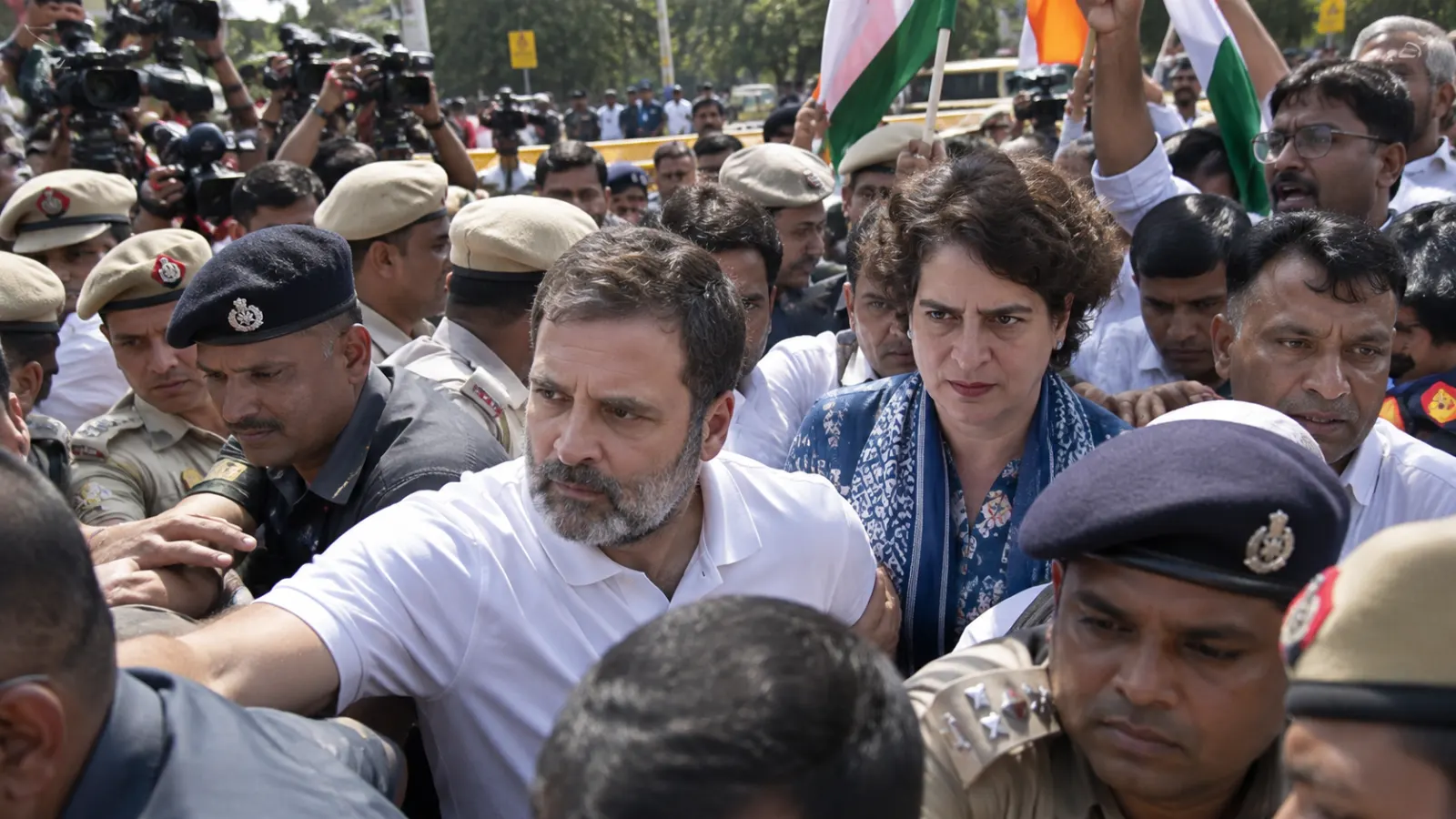
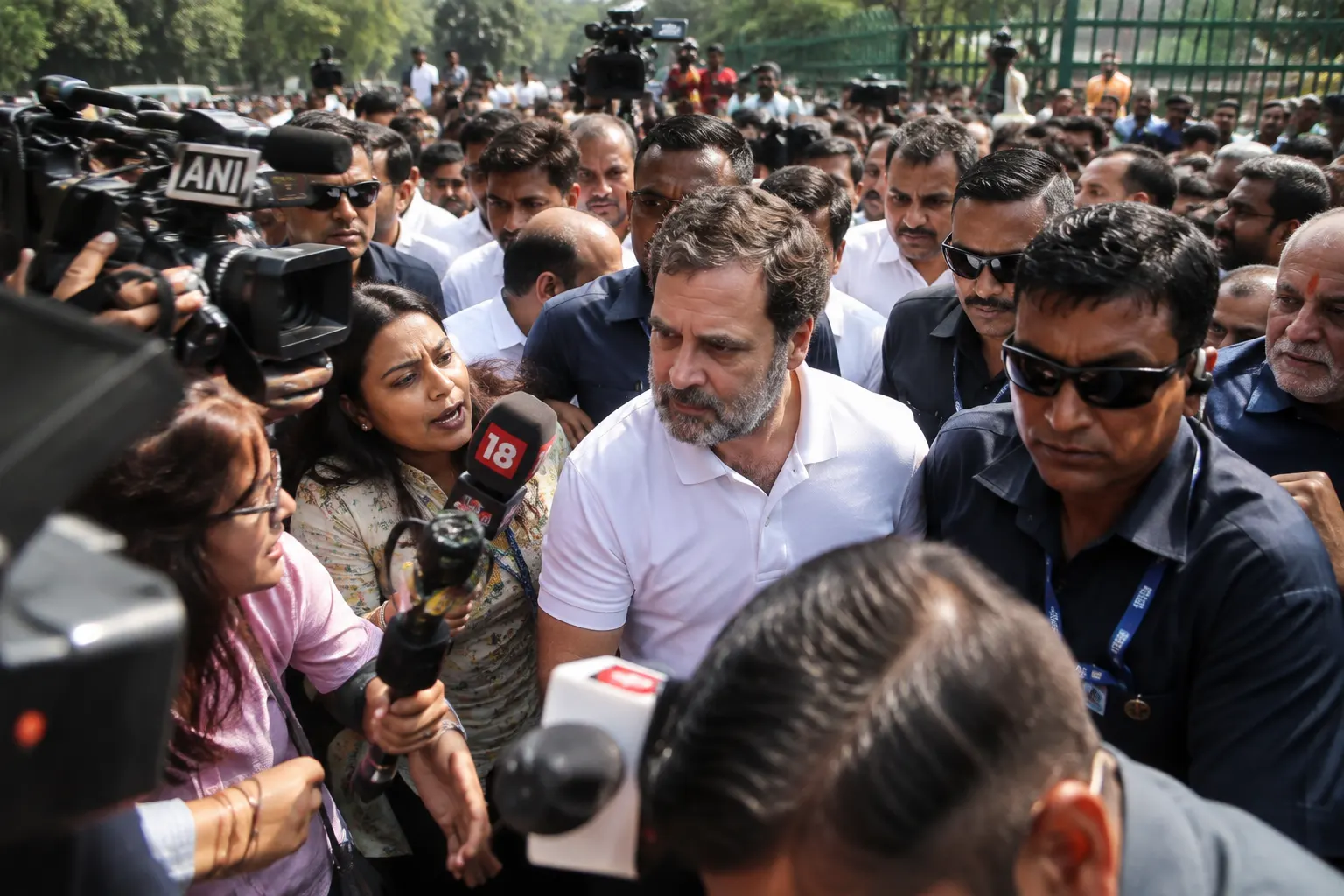
One widely shared claim alleged that 13 people had died during demonstrations on October 10. Another post circulated during the INDIA bloc’s march towards the Supreme Court and falsely claimed that Delhi Police had opened fire and injured Rahul Gandhi.
Investigators say some of the accounts linked to these posts appear to have been operated from Pakistan or other locations outside India.
That, however, does not yet establish that the Pakistani government or any state agency directed the activity.
The investigation is focused on identifying the operators, tracing the origin of the content and determining whether the accounts acted independently or as part of a coordinated network.
Four FIRs registered since October 10
Delhi Police’s cyber unit has registered four FIRs concerning allegedly fake posts circulated since October 10.
Police are also working with social-media platforms to seek information about the accounts and have requested removal of material they consider false or inflammatory.
Several accounts are reportedly under surveillance as authorities assess whether the posts were intended simply to attract attention or deliberately amplify tensions during politically sensitive demonstrations.
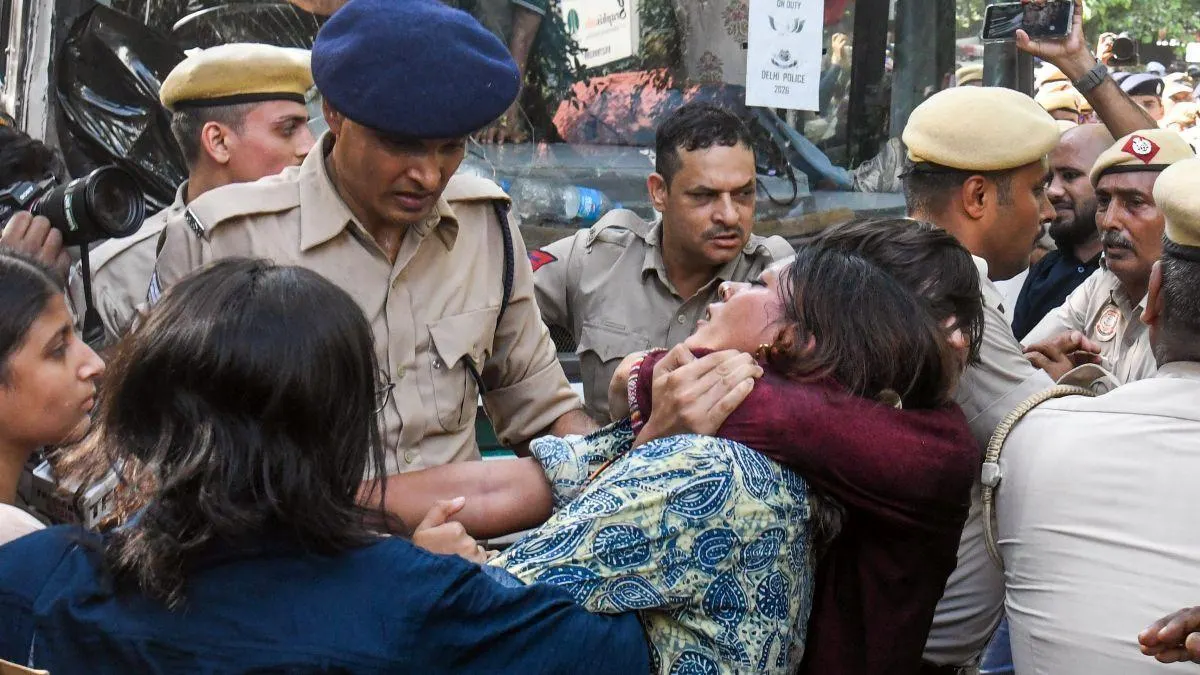
The investigation comes as protests over electoral-roll revisions and demands concerning Chief Election Commissioner Gyanesh Kumar continue across Delhi.
Pakistan-based accounts face scrutiny
Indian intelligence sources have claimed that some accounts involved in spreading the disputed material are linked to Pakistan.
Officials are examining the accounts’ digital footprints, previous activity and connections with other handles that have circulated misinformation about political developments in India.
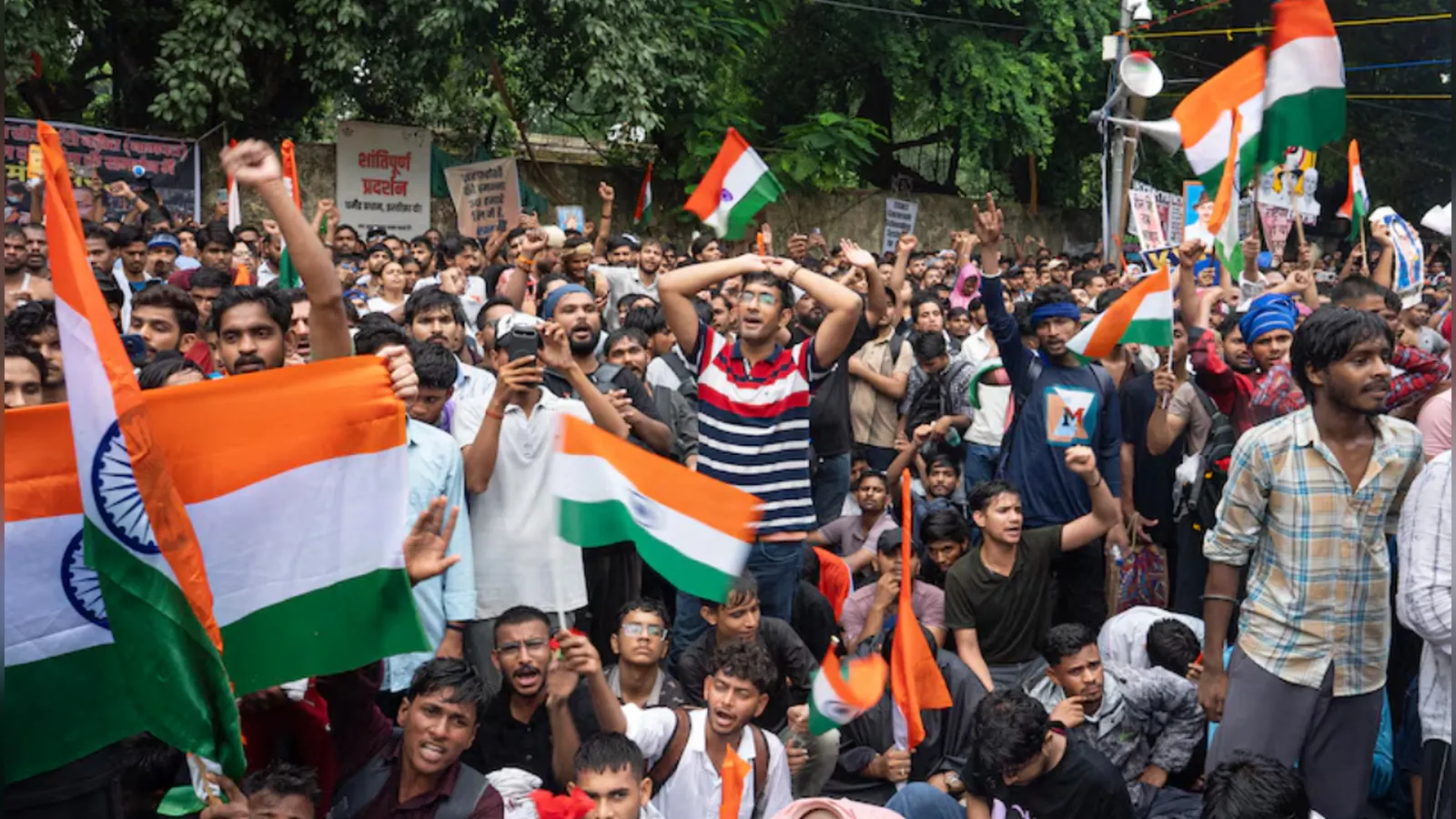
Some Pakistan-operated accounts had already come under scrutiny during earlier student protests, when Delhi Police said hundreds of foreign-based handles were involved in circulating misleading videos, edited images and AI-generated content.
The current investigation will have to establish whether the latest activity is connected to those earlier networks.
False Rahul Gandhi injury claim circulated during march
One of the most prominent examples involved a video that falsely claimed Rahul Gandhi had been injured after Delhi Police opened fire during the Opposition’s march.
There is no verified evidence that such a shooting took place.
The false claim circulated while political tensions around the march were already high, making it potentially more likely to spread rapidly before users could verify it.
The episode illustrates one of the biggest challenges during fast-moving protests: fabricated posts can circulate much faster than official corrections.
Fake death claims also investigated
Investigators are also examining posts that allegedly claimed multiple protesters had been killed during demonstrations.
Authorities say those reports were false.
Unverified casualty claims are particularly sensitive during large protests because they can trigger fear, anger and retaliatory mobilisation.
Police therefore appear to be treating these posts not merely as misinformation but as potential public-order risks.
Protest misinformation becomes a second battleground
The investigation shows how the ongoing political confrontation is increasingly being fought on two fronts.
On the streets, protesters and Opposition leaders continue demonstrations over electoral-roll revisions and demands for the resignation of the Chief Election Commissioner.
Online, authorities are simultaneously trying to contain misleading videos, deepfakes and false claims about what is happening during those protests.
This makes verification increasingly important for both journalists and social-media users.
Videos from unrelated demonstrations, old footage and AI-generated images can easily be presented as evidence of current events when political tensions are high.
What happens next
Delhi Police is expected to continue seeking information from social-media platforms while tracing the origin and administration of the accounts under investigation.
Authorities may also request additional account suspensions or takedowns if more allegedly fabricated material emerges.
The most important unanswered question is whether investigators find evidence of an organised cross-border misinformation operation or simply a collection of foreign-based accounts spreading misleading content independently.
Until that investigation is complete, the Pakistan connection should be treated as an allegation under investigation rather than an established finding.