“We Said We Were Press”: Journalists Allege Police Crackdown in Delhi
Journalists covering recent protests in Delhi have accused police of detaining, manhandling and obstructing media personnel even after they identified themselves as members of the press, triggering fresh concern over the ability of reporters to cover demonstrations without interference.
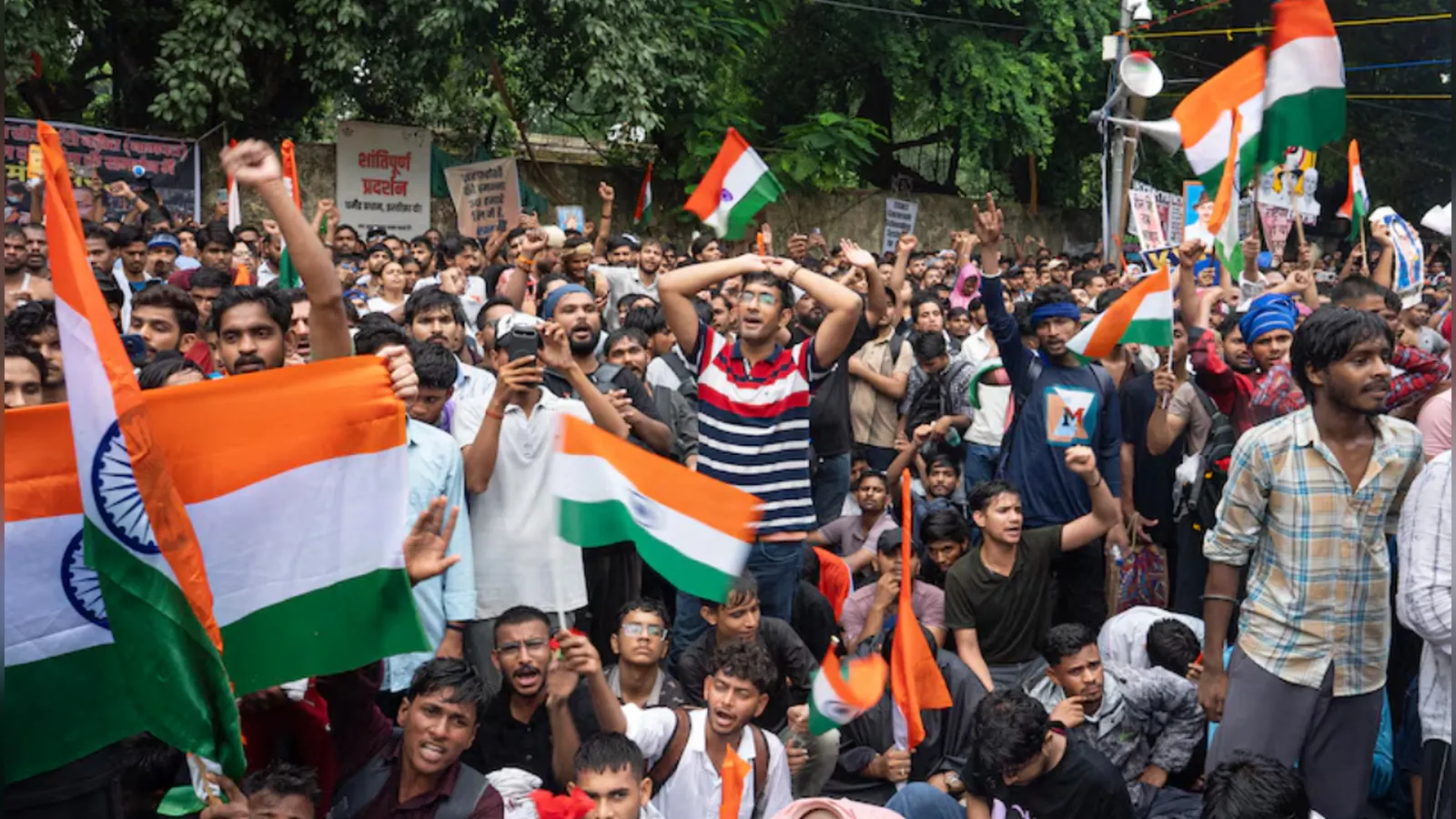
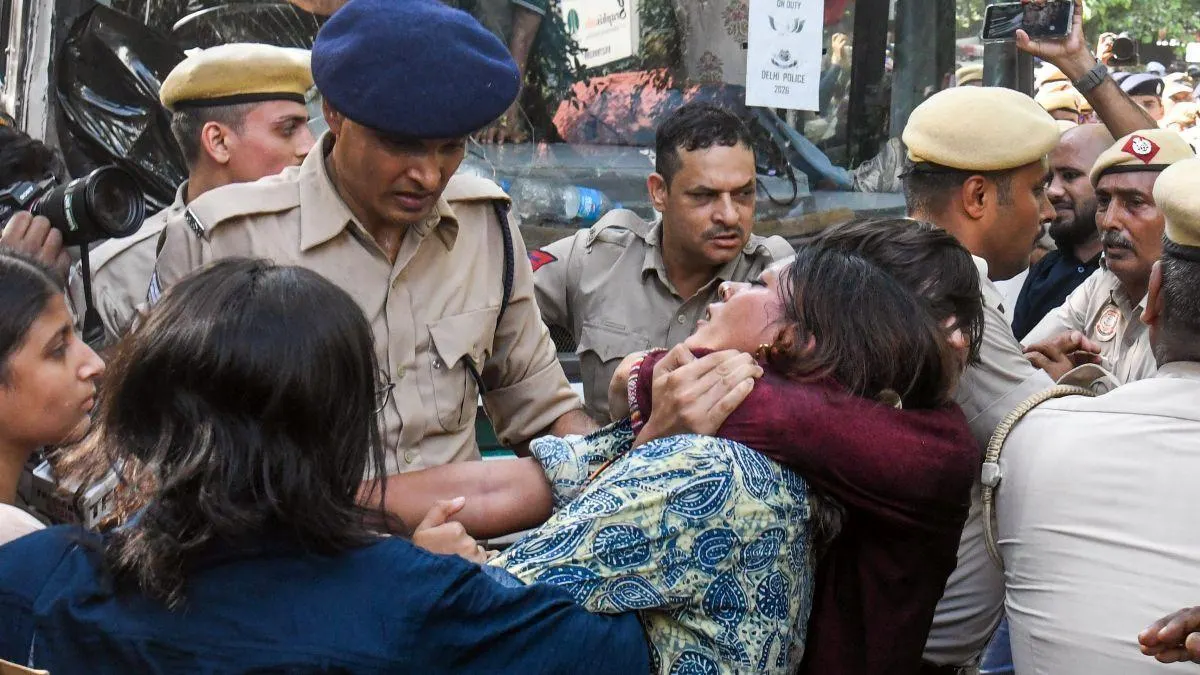
Reporters from several Indian news organisations say they were caught up in police action during protests demanding the resignation of Chief Election Commissioner Gyanesh Kumar. Multiple journalists alleged that press cards and repeated attempts to identify themselves as reporters did not prevent officers from pushing them into police vehicles or taking them to detention centres.
The allegations have now moved beyond individual accounts. Journalist associations have demanded an investigation, while some reporters have approached the Supreme Court alleging that police action violated protections for journalists covering public demonstrations.
Journalists describe detention despite showing press credentials
Nearly three dozen journalists were reportedly detained during the police response to the demonstrations. Those affected included reporters and photographers working for national newspapers, digital publications and television organisations.
Several journalists said they repeatedly told officers that they were covering the protest rather than participating in it. Some alleged that press credentials were ignored and that journalists were placed in buses alongside protesters.
Accounts from the ground have also included allegations of physical force, damaged equipment and attempts to prevent journalists from recording police action. These remain allegations made by journalists and media organisations, and responsibility for individual incidents will ultimately depend on independent investigation and available evidence.
The phrase repeated in several accounts — that journalists had told officers they were members of the press — has become central to the controversy because it raises a broader question: whether police distinguished between protesters and journalists documenting the protest.
Press organisations demand accountability
Media organisations and journalist bodies have strongly criticised the reported treatment of reporters. They have called for an apology, an investigation into the conduct of personnel involved and clearer safeguards for journalists covering demonstrations.
The controversy has intensified because the role of journalists at protests is fundamentally different from that of participants. Reporters may stand close to police lines, barricades or confrontations precisely because documenting those moments is part of their job.
That does not automatically exempt journalists from lawful security restrictions. Police can impose reasonable limits where there are genuine public-order or safety concerns. However, deliberately preventing legitimate reporting, confiscating equipment without legal authority or detaining journalists simply for documenting police activity would raise serious questions about press freedom.
The dispute therefore hinges not only on whether journalists were detained, but on why they were detained, how they were treated and whether officers had legitimate grounds for restricting their work.
Supreme Court becomes part of the dispute
The confrontation has also entered the legal arena. Journalists have approached the Supreme Court alleging obstruction by police while covering the demonstrations and seeking accountability over the reported detention of media personnel.
The legal challenge is particularly significant because courts have repeatedly recognised freedom of speech and expression as a constitutional protection that extends to journalism. At the same time, those protections operate alongside laws governing public order and police powers.
Any judicial examination could therefore focus on whether police restrictions were proportionate and whether reporters were prevented from carrying out legitimate journalistic activity.
The case may also produce broader guidance for how law-enforcement agencies should deal with accredited journalists during large demonstrations, particularly when police are attempting to disperse crowds or make mass detentions.
Delhi Police faces growing scrutiny
The allegations involving journalists form part of a wider controversy surrounding the handling of the protests. Demonstrators have separately accused police of excessive force and mistreatment during detention, while authorities have taken action over alleged violations committed during demonstrations.
Delhi Police has maintained in relation to aspects of the protest that preventive and enforcement measures were taken to maintain public order and that legal procedures were followed. Multiple FIRs have also reportedly been registered over incidents including the alleged breaking of barricades and defacement of public property.
Those issues should be assessed separately from allegations involving journalists. Participation in unlawful activity by protesters does not automatically justify interference with reporters documenting events, just as possession of a press card does not provide immunity from every lawful police direction.
Establishing exactly what happened will require scrutiny of video footage, detention records, police orders, journalists' accounts and official responses.
Why the allegations matter beyond one protest
The dispute is ultimately about more than the treatment of individual journalists. Public demonstrations are frequently chaotic, politically contentious and difficult to verify in real time. Independent reporting provides one of the principal ways for citizens who were not present to understand what happened.
When journalists can observe police and protesters, multiple versions of an event can be tested against photographs, video and eyewitness reporting. When access is restricted or reporters themselves become subjects of enforcement action, that independent record becomes harder to create.
Police officers also operate in difficult circumstances during large protests, where crowd movements can change rapidly and distinguishing journalists from demonstrators may not always be straightforward. That makes clear operational protocols even more important.
The central question raised by the Delhi incidents is therefore relatively simple: once reporters clearly identified themselves as journalists, were they allowed to document events unless there was a specific and lawful reason to stop them?
The allegations now demand a transparent answer.