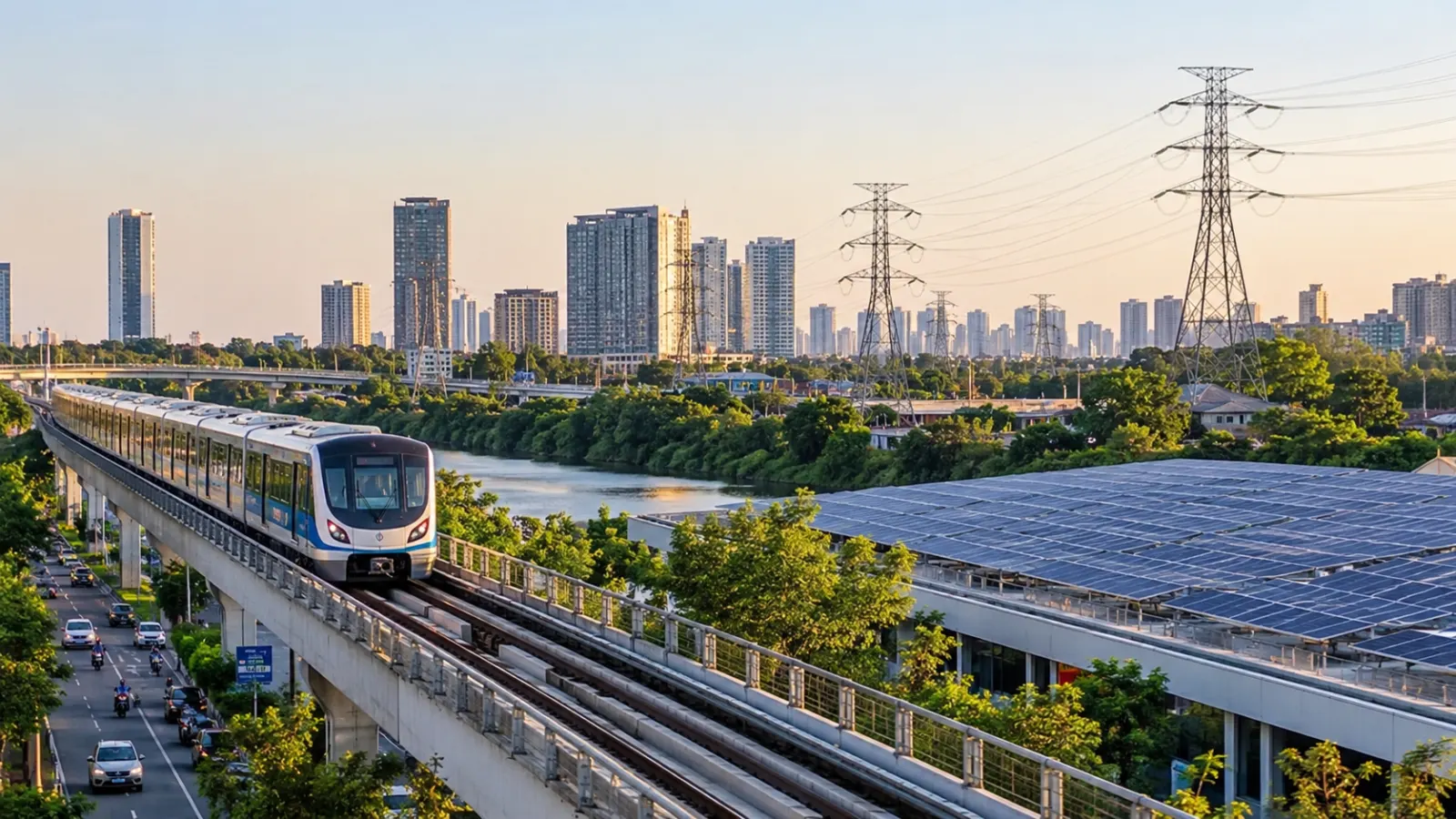
Start With Priorities, Not Perfection
Reducing your carbon footprint should not begin with panic or perfection. It should begin with prioritization. Climate advice often arrives as a scattered list: switch off lights, avoid plastic, plant trees, buy eco-products, eat differently, fly less, recycle more. Some of these actions are useful, but not all have the same effect. The practical question is not, What small thing can I do to feel better? The better question is, Where are my biggest climate impacts, and what changes can realistically reduce them over time?
A carbon footprint is the greenhouse gas emissions connected to your life, expressed usually in carbon dioxide equivalent. It includes direct emissions, such as fuel burned in a car or gas used for cooking, and indirect emissions, such as electricity generation, food production, products you buy and services you use. Reducing it means cutting emissions at the source, choosing lower-carbon alternatives and supporting systems that make low-carbon living easier for everyone.
The first rule is to focus on big categories. For most people, the largest areas are home energy, transport, food and consumption. Waste matters too, especially food waste and methane from landfills, but a person who takes one long-haul flight may produce more emissions from that trip than from many smaller daily habits combined. A large inefficient home can matter more than a phone charger. A daily car commute can matter more than occasional packaging choices. The goal is not to ignore small actions; it is to avoid mistaking small actions for a complete climate strategy.
Home Energy and Clean Power
Start with home energy. Buildings use energy for cooling, heating, lighting, cooking, appliances and electronics. In hot regions, air-conditioning can become a major electricity load. In cold regions, heating may dominate. Reducing energy waste is often the cheapest first step. Use efficient fans and appliances, maintain air-conditioners, clean filters, seal leaks, use curtains or shading, improve insulation where possible, and set cooling temperatures sensibly rather than extremely low. The cleanest electricity is the electricity you do not need to use.
Energy efficiency is powerful because it reduces emissions without necessarily reducing comfort. An efficient LED bulb provides the same light with less electricity. A well-insulated room stays cooler or warmer with less energy. An efficient refrigerator performs the same function with lower consumption. The International Energy Agency has emphasized that energy efficiency can deliver a major share of emissions reductions in pathways aligned with net zero. For households, efficiency also saves money, which makes it one of the most practical climate actions.
The second step is to clean the energy you still use. If rooftop solar is practical and affordable, it can reduce reliance on fossil-fuel-heavy electricity. If your electricity provider offers renewable options, explore them. In apartments or rented homes, direct control may be limited, but residents can still push housing societies or building managers toward solar rooftops, efficient common-area lighting, efficient pumps and better maintenance. Collective building-level action often delivers more impact than isolated individual efforts.
Transport is another major category. The best way to reduce transport emissions is not always to buy a new electric vehicle. The hierarchy is: avoid unnecessary trips, shift to lower-carbon modes, share rides where practical, improve vehicle efficiency, and electrify when feasible. Walking, cycling and public transport have lower emissions and also improve health when infrastructure is safe. Carpooling reduces per-person emissions. Combining errands reduces distance. Remote work or hybrid work can reduce commuting emissions where the job allows.
Transport and Flying
For people who must drive, maintenance matters. Proper tyre pressure, smooth driving, avoiding unnecessary idling, regular servicing and choosing fuel-efficient vehicles can reduce fuel use. When buying a vehicle, consider lifetime use, not just showroom price. An electric vehicle can reduce emissions significantly when paired with cleaner electricity and high utilization, but the benefits depend on the electricity mix, battery production, driving distance and vehicle size. A small efficient vehicle is often better than an oversized one, whatever the fuel type.
Air travel is a special case because flights are emissions-intensive and difficult to decarbonize quickly. Not everyone flies often, but for those who do, flying can dominate the personal footprint. Reducing unnecessary flights, choosing trains or buses for shorter routes, combining trips, using video meetings where acceptable and avoiding frequent leisure flying are high-impact actions. The point is not to shame essential travel. It is to recognize that frequent flying is one of the clearest places where high-consumption lifestyles can cut emissions.
Food choices matter because agriculture produces carbon dioxide, methane and nitrous oxide, and land-use change can release stored carbon. A practical food strategy has three parts: reduce food waste, shift toward more plant-rich meals, and choose seasonal, minimally wasteful consumption where possible. Food waste is a climate problem because emissions have already occurred in growing, processing, transporting and cooking the food before it is thrown away. Planning meals, storing food properly, using leftovers and buying realistic quantities can reduce waste immediately.
Food, Consumption and Waste
A plant-rich diet does not require everyone to become vegan overnight. It means increasing vegetables, pulses, grains, nuts and fruits while reducing the most emissions-intensive foods, especially where consumption is high. In India, many traditional diets already include dal, millets, rice, vegetables and seasonal foods. Climate-friendly eating can therefore be framed not as imported lifestyle branding but as a return to balanced, diverse, less wasteful food habits. The biggest gains come from repeated patterns, not occasional symbolic meals.
Consumption is the category people often underestimate. Every product carries emissions from materials, manufacturing, transport and disposal. Buying less, buying durable goods, repairing, sharing, reusing and choosing quality over quantity can reduce the footprint. Fast fashion, frequently replaced electronics, disposable decor and impulse purchases create hidden emissions. A simple test before buying is: will I use this enough to justify its production? Another is: can I repair or borrow instead? The lowest-carbon product is often the one you do not need to buy.
Digital consumption also has a footprint, though it is often exaggerated in popular discussion. Streaming, cloud storage, devices and data centers require electricity and hardware. The bigger personal impact usually comes from device manufacturing and replacement cycles rather than one email or one search. Keeping phones and laptops longer, repairing them, protecting batteries, recycling e-waste responsibly and avoiding unnecessary upgrades can reduce embodied emissions and material waste.
Waste reduction should focus on material value and methane. Segregating waste, composting organic waste where possible and supporting municipal composting or biogas systems can reduce methane from landfills. Recycling metals, paper and some plastics can save energy compared with virgin production, though recycling systems vary in quality. Avoiding waste at source is still better than managing waste after it is created. Reduce, reuse, repair and then recycle is a stronger hierarchy than recycle first.
Water use has an indirect carbon connection because pumping, heating and treating water require energy. Fixing leaks, using efficient fixtures, harvesting rainwater where practical and avoiding wasteful hot-water use can reduce both water stress and emissions. In water-scarce regions, this also builds climate resilience. Carbon reduction and adaptation often overlap: cooler buildings, trees, water conservation and efficient appliances can reduce emissions while making life more comfortable during heat and drought.
Workplace, Money and Collective Action
Money choices can matter, especially for people with savings, investments or institutional influence. Banks, pension funds, insurance companies and mutual funds direct capital into different sectors. Asking where money is invested, choosing credible sustainable funds where suitable, and pushing institutions for transparent climate policies can influence larger systems. This area requires careful financial advice and should not be reduced to slogans, but it reminds us that carbon footprints are not only about household appliances. Capital allocation shapes the future economy.
Workplace action is another overlooked pathway. Employees can influence procurement, travel policy, office energy use, waste systems, commuting support and supplier selection. A company that reduces business flights, buys renewable electricity, improves logistics or demands cleaner materials from suppliers can cut more emissions than any one employee acting only at home. Professionals should therefore ask: what decisions do I influence at work that affect emissions? Climate action can be part of management, finance, design, operations, HR, procurement and marketing.
Collective action is essential because individual choices are constrained by systems. A person cannot choose a metro line that does not exist. A tenant cannot fully retrofit a building without the owner. A household cannot decarbonize the grid alone. Supporting better public transport, clean electricity policy, efficient building codes, waste segregation systems, urban trees, safe cycling infrastructure and responsible industry standards multiplies individual effort. Voting, civic participation, consumer pressure and professional advocacy all matter because they change the menu of choices available to everyone.
A Practical 30-Day Reduction Plan
A practical 30-day plan can make the process manageable. In week one, estimate your major footprint categories: transport, electricity, cooling or heating, food waste, flights and shopping. Do not chase perfect data; identify hotspots. In week two, cut obvious energy waste: LEDs, AC maintenance, sensible temperature settings, unplugging unused loads, better shading and efficient appliance use. In week three, change transport and food habits: combine trips, use public transport where possible, reduce food waste, add more plant-rich meals. In week four, tackle consumption and systems: delay unnecessary purchases, repair one item, segregate waste, discuss solar or efficiency in your building, and set a long-term goal.
The most sustainable plan is one you can repeat. Extreme changes that collapse after two weeks are less useful than moderate changes that become normal. If you cannot eliminate car use, reduce it. If you cannot install solar, improve efficiency. If you cannot stop flying, reduce avoidable flights. If you cannot change your whole diet, reduce waste and shift some meals. Climate action is not a purity contest. It is cumulative emissions reduction.
At the same time, avoid greenwashing your own life. Buying expensive eco-labelled products while increasing total consumption may not reduce your footprint. Planting trees while continuing high-emission habits may not compensate for emissions, especially if the trees do not survive or store carbon permanently. Offsets should be used carefully and only after genuine reductions. The priority is direct cuts, cleaner systems and durable behaviour change.
Reducing your carbon footprint is ultimately about redesigning daily life around lower waste, cleaner energy and better choices. It can save money, improve health, reduce air pollution, strengthen communities and make homes more comfortable. The climate benefit is central, but it is not the only benefit. Efficient buildings are better buildings. Walkable cities are better cities. Less food waste is better household economics. Durable products are better value. Cleaner air is better public health.
The challenge is large, but the starting point is clear. Measure roughly, prioritize honestly, act where the impact is greatest, and support policies and institutions that make low-carbon choices normal. A smaller carbon footprint is not achieved by one perfect decision. It is built through many practical decisions aligned in the same direction: less fossil fuel, less waste, cleaner energy, smarter transport, better food habits and stronger collective systems.
The aim is durable reduction, not public performance. When lower-carbon habits become cheaper, easier and socially normal, they stop feeling like sacrifice and start becoming common sense.
A useful safeguard is to review progress every three months rather than every day. Daily monitoring can become frustrating because bills, travel and food habits fluctuate. Quarterly review shows whether the direction is improving. Check electricity use, fuel use, major purchases, flights, food waste and building-level changes. Keep what works, drop what is unrealistic and add one new improvement at a time. This turns footprint reduction into a lifestyle system rather than a temporary challenge.
For families, schools and offices, make the process visible. Put energy use on a notice board, run a repair drive, create a food-waste log, compare transport options for common routes, or set a building target for lower common-area electricity use. People change faster when the goal is concrete and shared. The most important carbon reductions are often boring: better maintenance, fewer leaks, fewer unnecessary trips, longer product life and less wasted food. Boring actions are not weak actions. They are repeatable actions, and repeatability is what turns climate awareness into measurable reduction.
Key Takeaways
The highest-impact footprint reductions usually come from energy, transport, food and consumption choices.
Efficiency, clean electricity and lower-carbon mobility reduce emissions without relying on symbolic gestures.
Reducing food waste and shifting toward more plant-rich meals can reduce food-related emissions.
Individual action is strongest when paired with workplace, civic and policy-level change.