Harvard-Linked Groups Clash Over Delhi Protests and Election Commission
Two groups of people associated with Harvard University have taken sharply contrasting positions on the ongoing protests in Delhi, bringing an international-academic dimension to the political confrontation surrounding Chief Election Commissioner Gyanesh Kumar, police action against demonstrators and allegations concerning India’s electoral-roll revision process.
The dispute began after around 100 Harvard alumni, students, faculty members and staff issued a statement condemning what they described as police brutality, unlawful detention and violations of the constitutional rights of peaceful protesters during the October 10 demonstrations in Delhi.
A second group of Harvard-affiliated Indians has now pushed back, warning against what it described as attacks on India’s constitutional institutions and questioning the use of Harvard’s name to lend credibility to a political campaign.
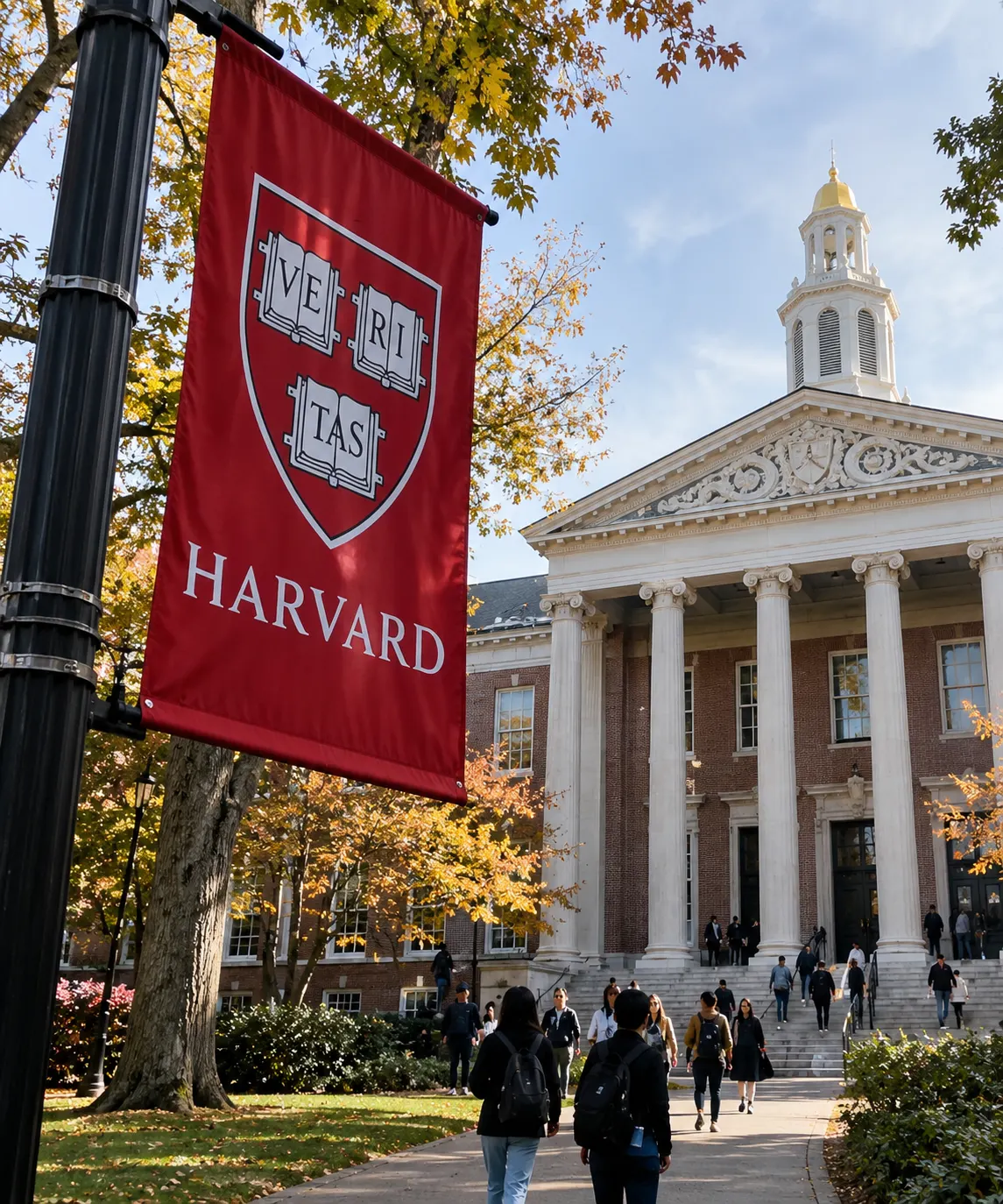
The competing statements have produced an unusual “Harvard vs Harvard” debate. Crucially, however, neither position should be treated as an official statement by Harvard University itself.
First Harvard-linked group condemned Delhi police action
The first statement was signed by approximately 100 people associated with Harvard University, including alumni, students, faculty and staff.
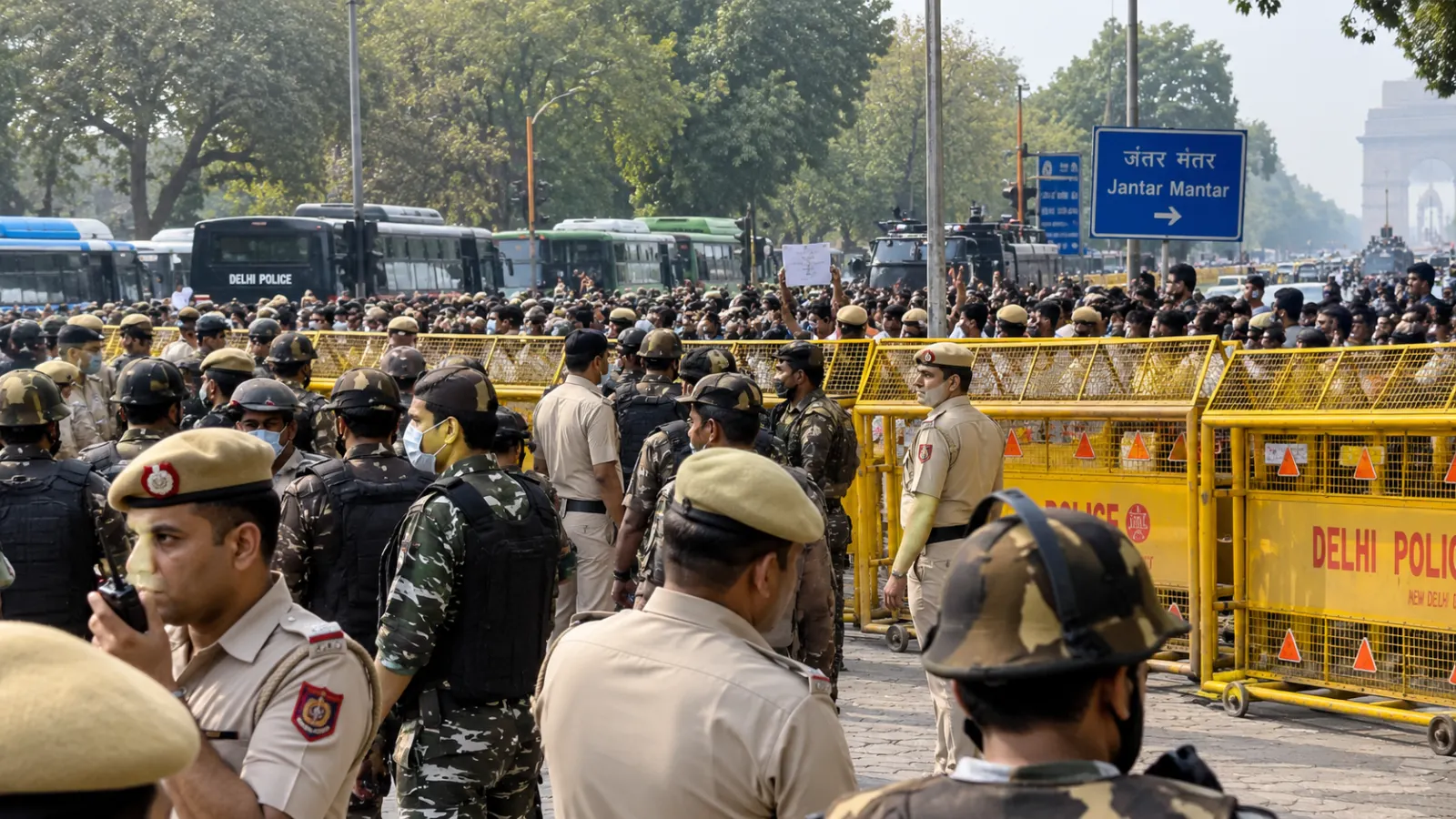
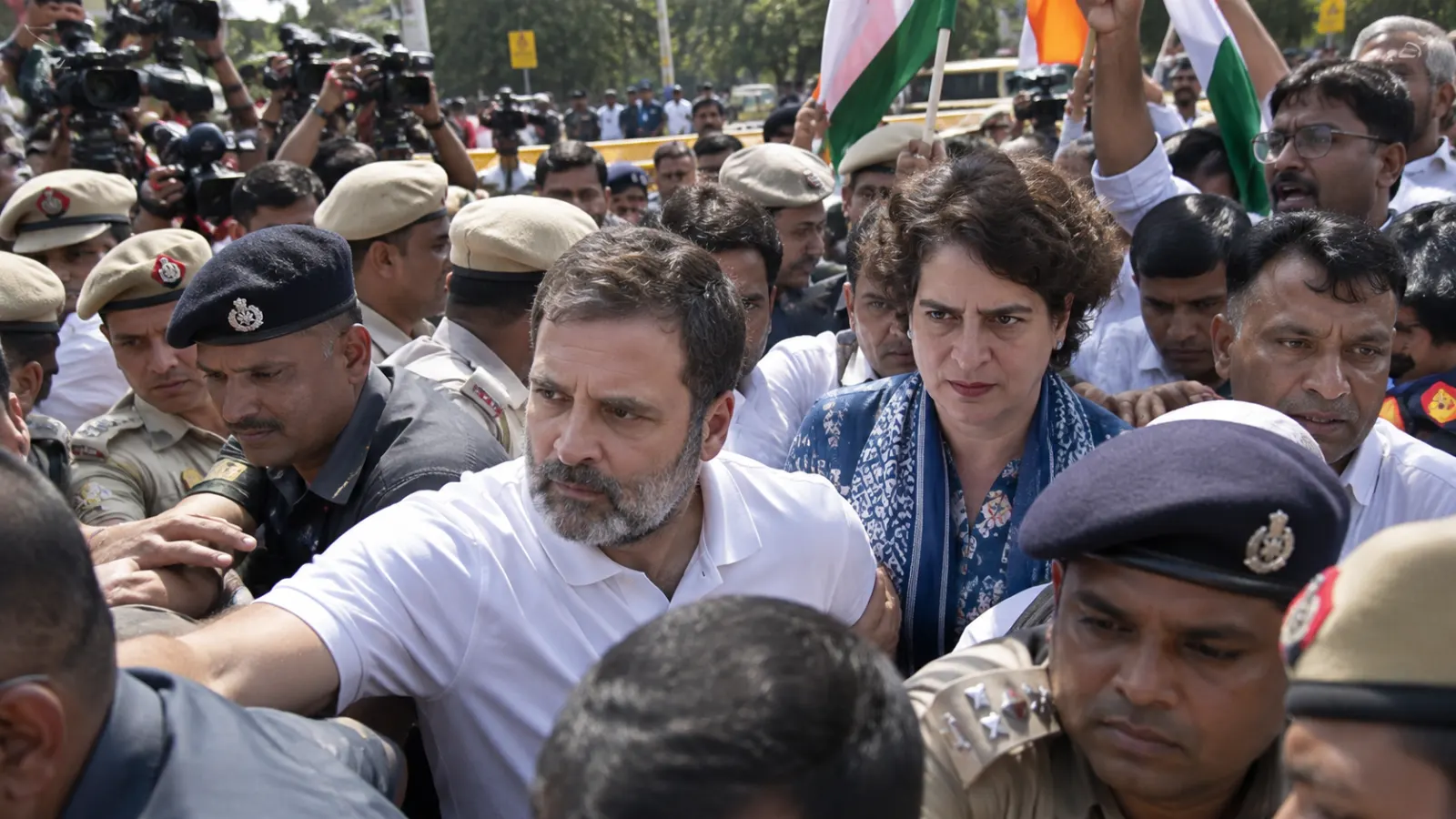
They criticised the security response surrounding protests demanding the resignation of Chief Election Commissioner Gyanesh Kumar and opposing aspects of the electoral-roll revision process.
The signatories alleged that peaceful protesters had faced excessive police action, arbitrary detention and restrictions on their constitutional rights. They also raised concerns about the detention of individuals with Harvard connections, including senior advocate Shadan Farasat and Meher Pasricha.
Their statement called for an end to alleged rights violations, protection for peaceful demonstrators, access to legal assistance and accountability where police personnel were found to have acted unlawfully.
The intervention attracted attention because it linked the Delhi demonstrations with a prominent global university community, although the signatories were acting in their individual capacities rather than speaking officially for Harvard University.
The Harvard Club of India subsequently made that distinction explicit.
It said it had neither issued nor endorsed the statement and stressed that individual alumni were free to express personal opinions but could not present those views as the institutional position of the club or Harvard University.
Second Harvard-affiliated group pushes back
A separate group of Indian citizens affiliated with Harvard has now issued a contrasting statement.
Instead of focusing primarily on allegations against police, the second group raised concerns about what it characterised as a broader campaign questioning Indian constitutional institutions, including the Election Commission, Supreme Court, office of the Chief Justice of India and Parliament.
The signatories argued that democratic criticism and dissent were legitimate but should remain grounded in evidence and constitutional processes.
They also objected to what they viewed as attempts to use Harvard’s name or reputation to strengthen political arguments without institutional authorisation.
Their intervention effectively challenges the suggestion that the wider Harvard community has adopted a common position on the Delhi protests or the controversy surrounding the Election Commission.
The result is two competing narratives emerging from people with connections to the same university.
One group views the events primarily through the lens of civil liberties, protest rights and alleged police excesses. The other is emphasising the legitimacy of constitutional institutions and warning against political claims that could undermine public confidence in them without sufficient evidence.
Harvard Club of India distances itself from political statements
The Harvard Club of India, which describes itself as the officially recognised alumni association representing Harvard alumni in India, has attempted to draw a clear line between institutional representation and individual political expression.
The club said statements issued by Harvard alumni or other university-affiliated individuals represented only the personal views of the signatories.
It also said its governing framework did not authorise individuals or groups to issue political statements on behalf of the club or Harvard University.
That clarification is significant because descriptions such as “Harvard condemns Delhi crackdown” could incorrectly imply that the university itself had adopted a political position.
The controversy instead involves different groups of people who share a connection to Harvard but hold opposing views about events unfolding in India.
The distinction matters particularly in politically sensitive disputes, where affiliation with internationally recognised universities, professional organisations or institutions can carry considerable symbolic authority.
Delhi protests remain at the centre of dispute
The competing Harvard-linked statements come amid continuing demonstrations in Delhi over the Election Commission and the revision of electoral rolls.
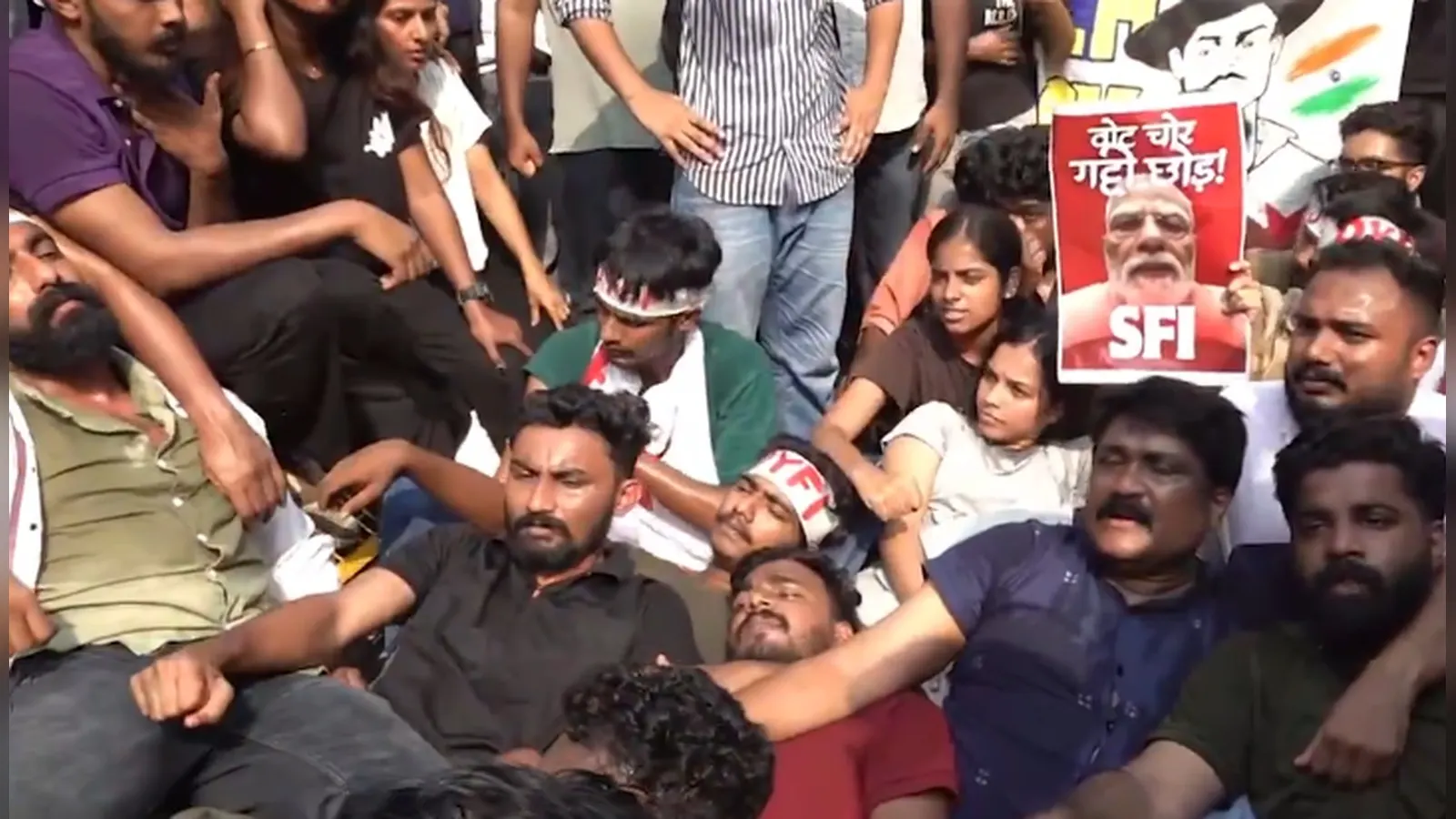
Protesters have demanded the resignation of Chief Election Commissioner Gyanesh Kumar and alleged that changes to voter lists could disenfranchise legitimate voters or disproportionately affect particular communities.
The Election Commission has rejected accusations of political bias and maintained that electoral-roll revisions are intended to remove duplicate, deceased or otherwise ineligible entries while allowing eligible citizens to register or correct their details.
The BJP has also accused opposition groups and activists of attempting to undermine confidence in democratic institutions.
Meanwhile, protesters, journalists and political organisations have raised separate allegations concerning the policing of demonstrations in Delhi. Those claims include excessive force, detention of protesters and interference with journalists covering demonstrations.
Police have defended enforcement measures by pointing to restrictions on gatherings, attempts to breach barricades and alleged violations of lawful orders.
The argument over what happened on Delhi’s streets has therefore expanded into a much broader political contest over voting rights, institutional credibility, protest freedoms and police powers.
Why the Harvard dispute matters
The significance of the competing statements lies less in Harvard itself than in the wider battle over how the Delhi protests are being interpreted.
Supporters of the protesters increasingly frame the issue as one of democratic rights and accountability, arguing that peaceful dissent and scrutiny of electoral institutions must remain protected.
Those pushing back argue that criticism of constitutional bodies must be supported by evidence and that institutional reputations should not be used to give political claims greater legitimacy.
Both debates can coexist. Democratic institutions can be scrutinised while allegations against them are tested against evidence. Protest rights can be defended while lawful public-order restrictions remain enforceable.
The emergence of opposing statements from Harvard-affiliated individuals demonstrates how polarised the dispute has become, extending beyond Indian political parties and protest groups into professional and international networks.
But the most important clarification remains straightforward: Harvard University itself has not taken either side in the controversy simply because individuals associated with the university have signed competing political statements.
As protests continue and further legal or political challenges emerge, that distinction will remain important in separating individual advocacy from institutional endorsement.