Pope Leo XIV Diagnosed With Lung Cancer, Undergoes Successful Surgery
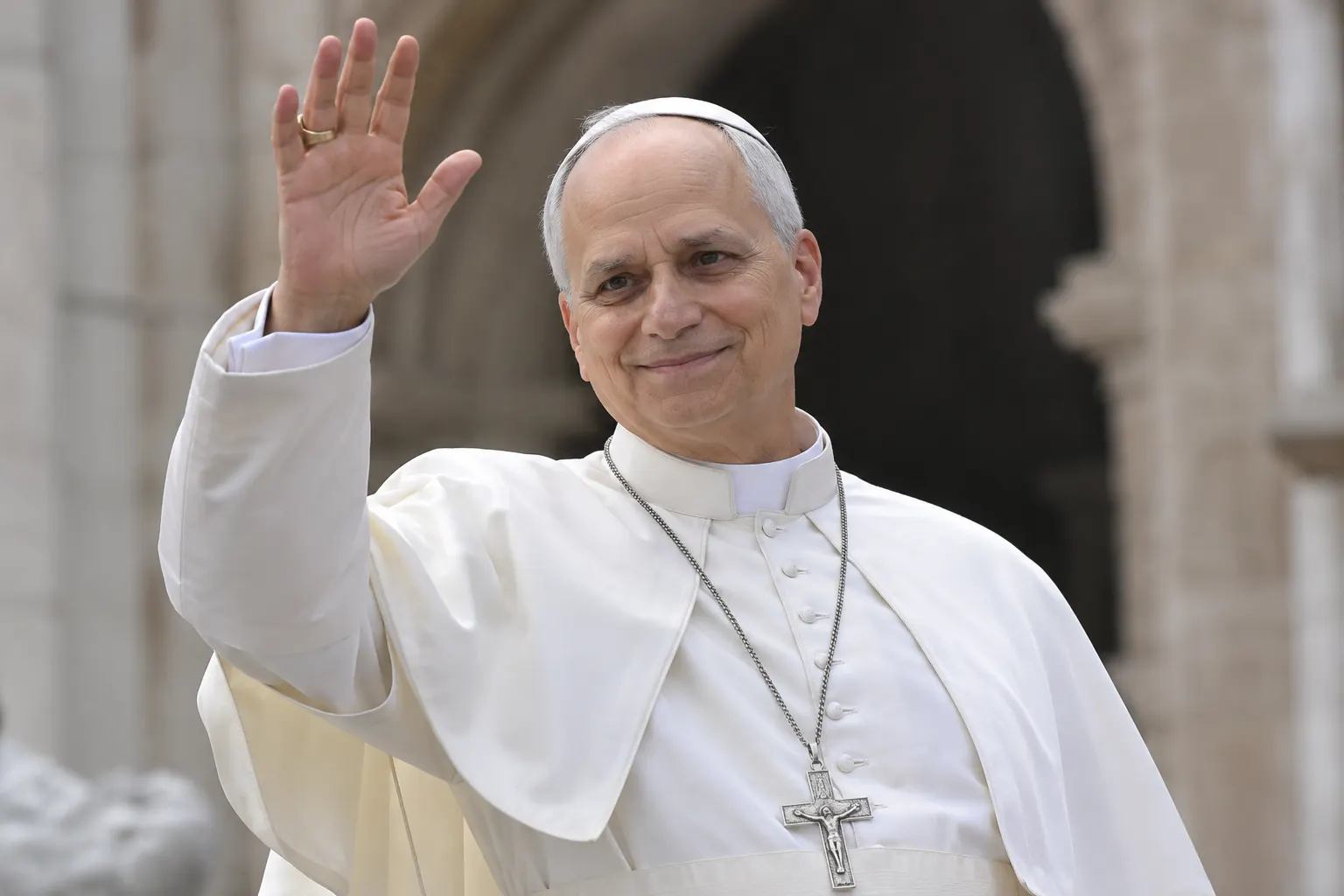
Pope Leo XIV has been diagnosed with lung adenocarcinoma after undergoing surgery in Rome to remove the lower lobe of his right lung, marking the most significant health development of his papacy so far.
The 71-year-old pontiff underwent the operation at Rome’s Gemelli Hospital after doctors detected a small lung growth during a recent medical examination. Tissue examined during the procedure confirmed that the growth was lung adenocarcinoma, one of the most common forms of lung cancer.
The Vatican said the surgery was successful and there were no complications. Pope Leo spent a peaceful night in hospital following the procedure and is expected to remain under medical supervision for approximately a week.
Doctors remove lower lobe of Pope’s right lung
The operation lasted around 90 minutes, although Pope Leo remained in the operating room for approximately three hours as doctors carried out the procedure and associated examinations.
Surgeons removed the lower lobe of his right lung using a video-assisted surgical technique. Doctors said the extent of the resection was intended to ensure the affected tissue was removed adequately.
An examination of tissue during the operation confirmed the diagnosis of lung adenocarcinoma that had been suspected from tests conducted before surgery. The Vatican has not disclosed the size of the tumour, its precise stage or whether there is any evidence that the cancer has spread beyond the lung.
Those details will be critical in determining whether the Pope requires additional treatment such as chemotherapy, radiotherapy, immunotherapy or targeted therapy. Further examination of the removed tissue is expected to provide doctors with more information about the disease.
Pope Leo regained consciousness normally after surgery and returned to his hospital room following a period of observation. Vatican officials said he later ate dinner and spent time with members of his staff.
What is lung adenocarcinoma?
Lung adenocarcinoma is a form of non-small cell lung cancer and accounts for a substantial share of lung cancer diagnoses worldwide. It develops from glandular cells in lung tissue and often appears in the outer areas of the lungs.
Although lung cancer is strongly associated with smoking, adenocarcinoma is also the most common form of lung cancer diagnosed in people who have never smoked. Pope Leo is not known to have been a smoker.
Early-stage lung adenocarcinoma may produce few or no symptoms, which means some cases are discovered incidentally during routine medical examinations. When the cancer remains confined to one part of the lung, surgery to remove the affected lobe can be a standard treatment.
The Pope had previously described the growth as small and well-contained after it was discovered during a medical check-up. However, a complete assessment of his prognosis cannot be made until doctors determine the stage of the cancer and whether nearby lymph nodes or other areas are involved.
Vatican cancels public engagements during recovery
Pope Leo’s public engagements have been cancelled through at least October 20 while he recovers in hospital.
The Vatican has indicated that he is expected to remain at Gemelli Hospital for about a week. Church administration will continue during his recovery, although major decisions requiring direct papal involvement may have to wait until he is able to resume work.
The diagnosis has prompted messages of support and prayers from Catholic communities and political leaders around the world. Masses and prayer services have also been held for the Pope’s recovery.
Attention will now turn to his post-operative medical examinations and whether doctors recommend additional treatment after completing laboratory analysis of the removed tissue.
Upcoming international travel now uncertain
The health development could also affect Pope Leo’s upcoming schedule. He had been expected to undertake an international trip to South America in November, including planned visits to countries with major Catholic populations.
Whether that journey proceeds will depend on his recovery and the results of further medical assessments.
For now, the immediate medical news is encouraging: the operation was completed successfully, the Pope experienced no surgical complications and his early recovery has been described as stable.
But the confirmation of lung cancer means his condition will continue to be closely monitored. The most important unanswered question is the cancer’s stage — information that will determine the next steps in treatment and provide a clearer picture of the Pope’s longer-term outlook.