Human rights need institutions, not only ideals
The Constitution promises life, liberty, equality and dignity. But rights can be violated in police stations, prisons, hospitals, workplaces, public offices, conflict zones, shelters and streets. A democratic system therefore needs institutions that can receive complaints, inquire into violations, study systemic problems and promote rights awareness.
The National Human Rights Commission, or NHRC, is India’s national institution for the protection and promotion of human rights. It was established under the Protection of Human Rights Act, 1993.
Legal basis
The NHRC is a statutory body, not a constitutional body. It was created by Parliament through the Protection of Human Rights Act, 1993. The Act provides for the constitution of the National Human Rights Commission, State Human Rights Commissions and Human Rights Courts.
The NHRC’s own official description states that it was established under the Protection of Human Rights Act, 1993 and is meant for protecting and promoting life, liberty, equality and dignity.
This statutory basis gives the NHRC legal authority, defined functions and procedural powers.
Meaning of human rights under the Act
The Protection of Human Rights Act defines human rights as rights relating to life, liberty, equality and dignity of the individual guaranteed by the Constitution or embodied in international covenants and enforceable by courts in India.
This definition connects Indian human rights protection to both constitutional rights and international human rights standards.
It also means that the NHRC’s work is not limited to abstract moral concerns. It is connected to legally recognisable rights.
Composition of the NHRC
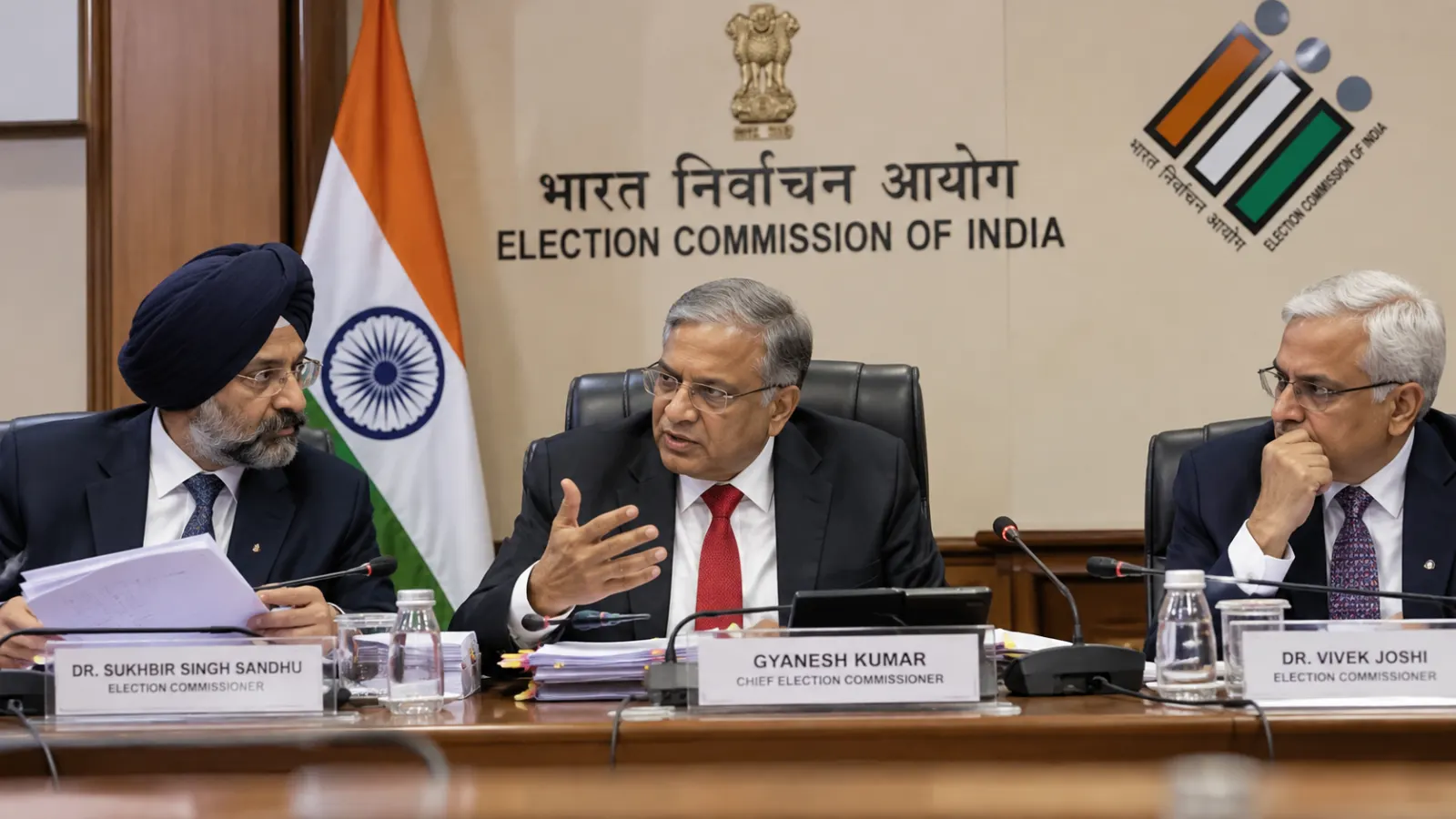
The Act provides for a Chairperson and members. As reflected in NHRC’s official composition material, the Chairperson is a person who has been Chief Justice of India or a judge of the Supreme Court. The Commission also includes judicial members and members with knowledge or practical experience in human rights, with statutory requirements relating to women representation.
Certain national commission chairpersons, such as those dealing with minorities, Scheduled Castes, Scheduled Tribes and women, may also be associated as deemed members for specified functions under the Act’s framework.
This composition attempts to combine judicial experience with human rights expertise.
Functions of the NHRC
Section 12 of the Protection of Human Rights Act lists the functions of the Commission. The NHRC may inquire suo motu, on a petition by a victim or any person on behalf of the victim, or on a court direction, into complaints of human rights violations or negligence by a public servant in preventing such violation.
It may intervene in court proceedings involving allegations of human rights violation with court approval. It may visit jails and detention institutions to study living conditions and make recommendations. It may review constitutional and legal safeguards for human rights and recommend measures for effective implementation.
It may also review factors inhibiting enjoyment of human rights, study treaties and international instruments, promote research, spread human rights literacy and encourage efforts of NGOs and institutions working in the field.
Powers during inquiry
The NHRC has powers relating to inquiries under the Act. While inquiring into complaints, it has certain powers of a civil court, such as summoning witnesses, receiving evidence, requisitioning public records and examining documents, subject to the Act’s provisions.
These powers allow the Commission to collect information and examine complaints more seriously than an ordinary advisory body.
However, the NHRC is not a regular criminal court. It does not conduct a criminal trial or sentence offenders. Its role is inquiry, recommendation, intervention, review and promotion.
What happens after inquiry?
After inquiry, the NHRC may recommend payment of compensation or damages to victims, initiation of prosecution or disciplinary action, or other remedial measures. It may also approach the Supreme Court or High Court for directions, orders or writs where necessary.
The Commission’s recommendations carry moral and institutional weight, but enforcement depends on government response and legal follow-up.
This is both a strength and a limitation. The NHRC can highlight violations and recommend action, but it does not function exactly like a court delivering binding judgments in ordinary litigation.
Why the NHRC matters
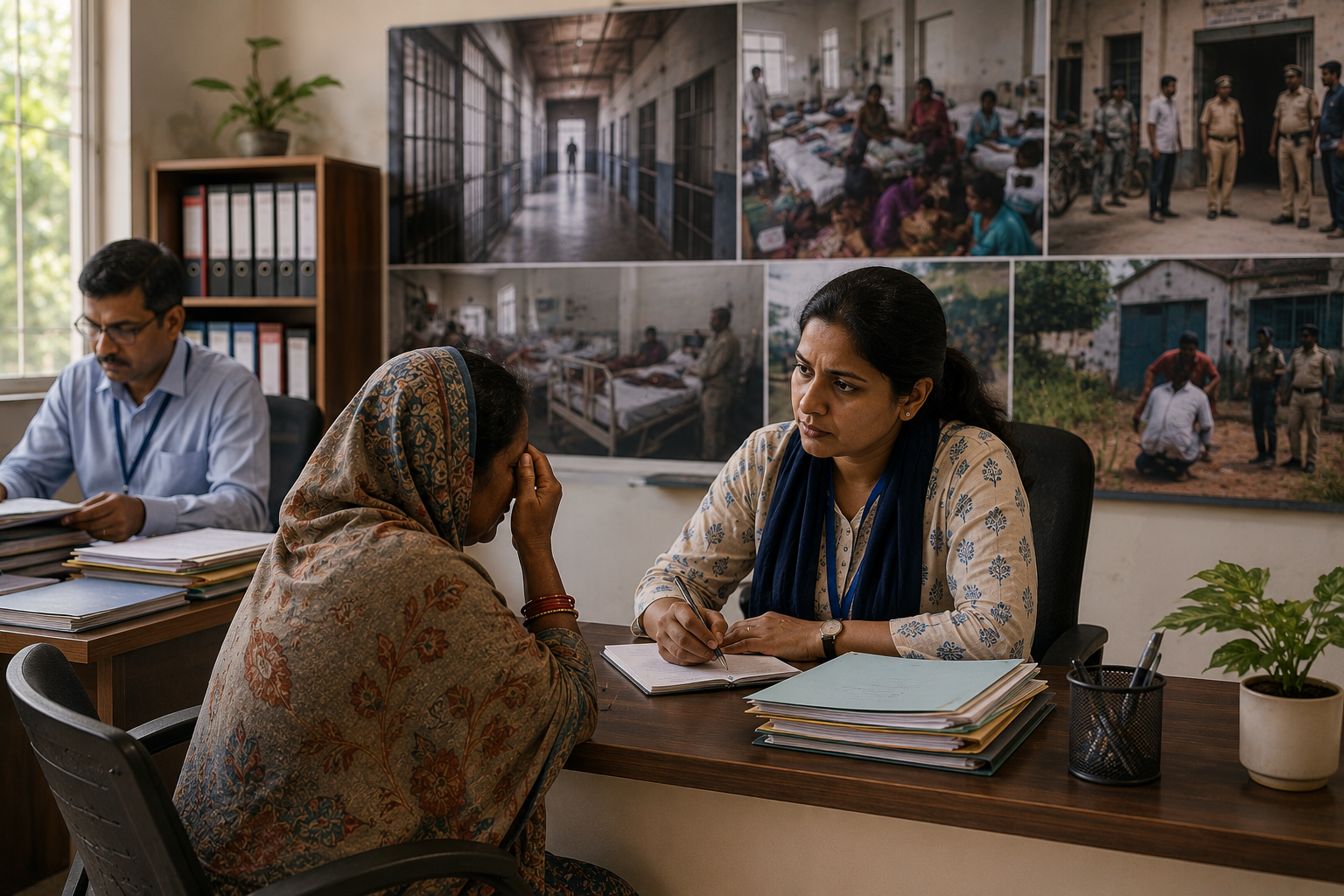
The NHRC matters because many human rights violations occur in places where victims are vulnerable: custody, prisons, mental health institutions, shelter homes, bonded labour conditions, displacement situations, conflict areas or administrative systems.
Victims may lack money, education, access to lawyers or fearlessness to approach courts. The NHRC provides an additional institutional forum.
It also studies systemic issues, not only individual complaints. This can help identify patterns such as custodial violence, prison overcrowding, trafficking, discrimination, disability rights concerns and failures in public administration.
Citizen impact
For citizens, the NHRC offers a way to raise human rights complaints and seek institutional attention. It can also create public pressure through notices, reports and recommendations.
Its work can influence government departments, police authorities, prison administration, welfare institutions and public policy.
Even when the NHRC does not provide immediate relief in every case, it strengthens the public culture of rights by documenting violations and reminding the State of its duties.
Limits and criticism
The NHRC has limitations. Its recommendations are generally recommendatory rather than directly equivalent to court decrees. It depends on cooperation from government authorities for records, reports and implementation. It also faces caseload pressure and institutional constraints.
Another criticism is that human rights commissions may act slowly in urgent cases. Delayed response can reduce effectiveness.
There are also debates about independence, appointments, vacancies, resources and follow-up. A human rights body must be strong, independent and accessible to remain credible.
Misconceptions
One misconception is that the NHRC is a court. It is not a court, though it has inquiry powers and may approach courts.
Another misconception is that it deals only with police matters. Custodial violence is important, but the NHRC’s mandate covers a wider range of human rights issues.
A third misconception is that human rights protect only accused persons. Human rights protect every person’s dignity, including victims, prisoners, children, women, workers, minorities, persons with disabilities and the elderly.
Final takeaway
The National Human Rights Commission is India’s statutory institution for protecting and promoting human rights. It inquires into complaints, reviews safeguards, visits detention institutions, promotes awareness, supports research and recommends remedies.
Human rights become meaningful when institutions are willing to listen, investigate and hold power accountable. The NHRC is one such institution, though its effectiveness depends on independence, responsiveness and implementation of its recommendations.