Minorities as a foreign-policy question
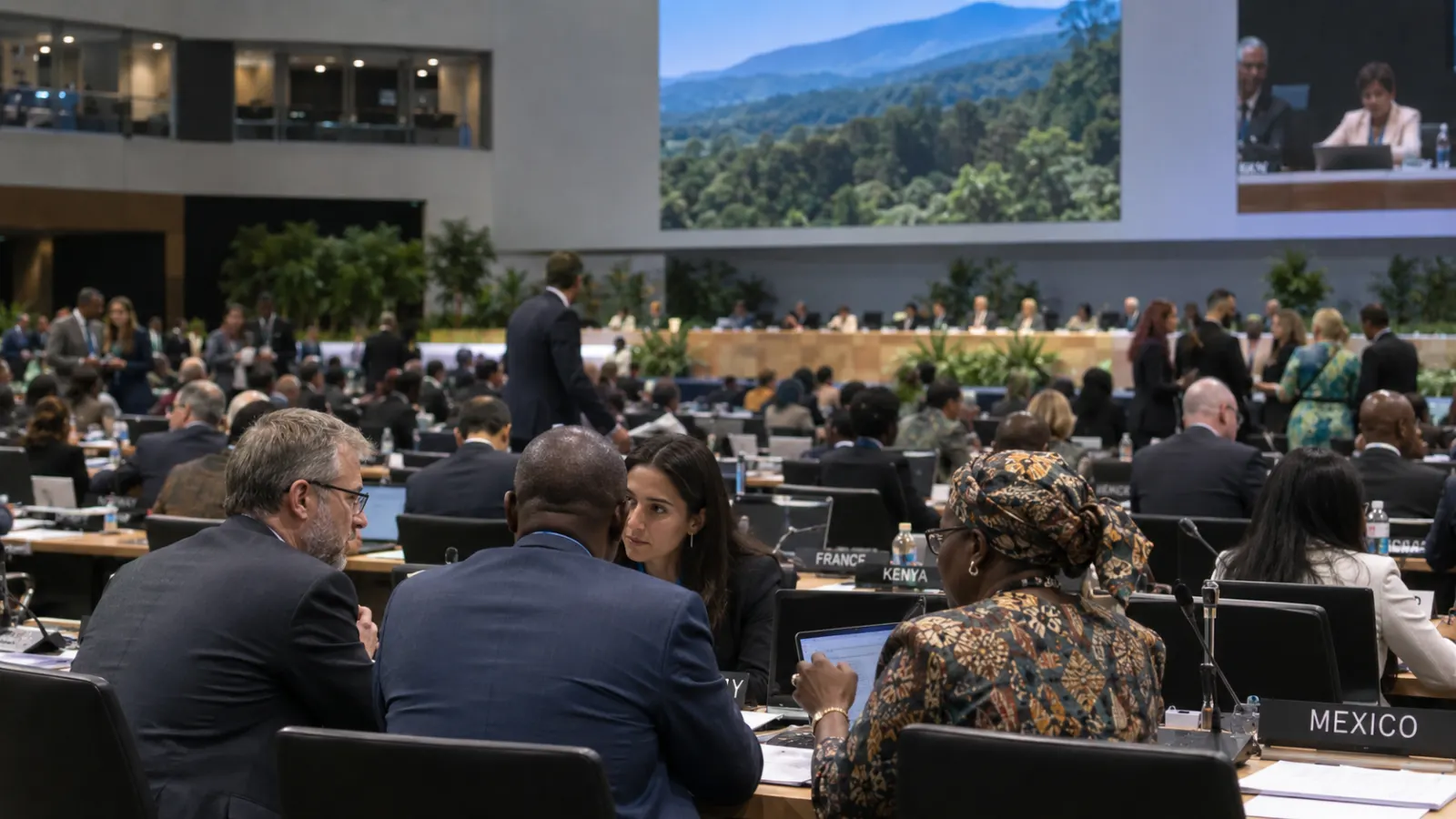
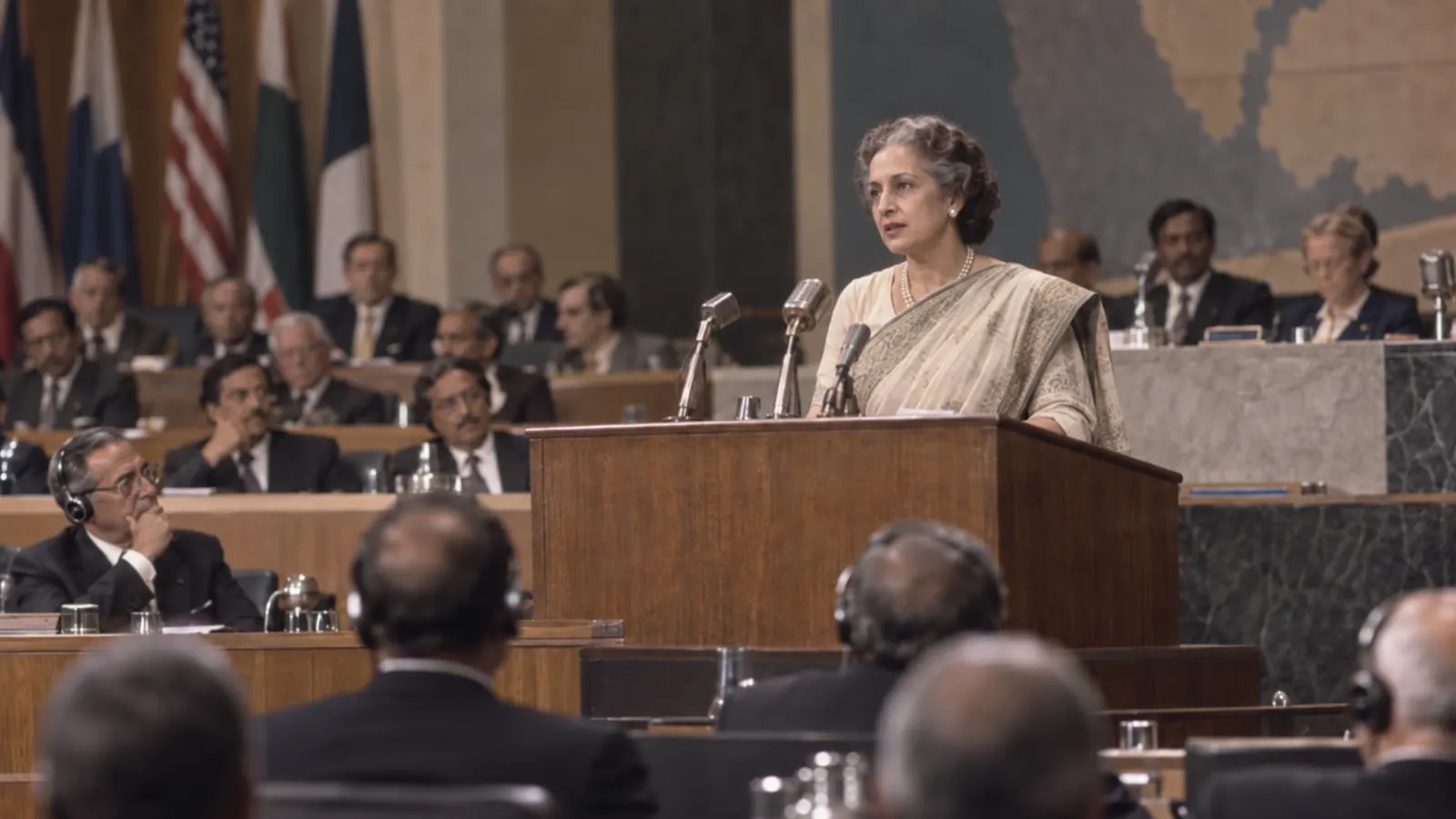
Minority rights have moved from domestic constitutional debate into the centre of foreign policy. What once appeared to be an internal matter now affects diplomacy, trade negotiations, diaspora politics, sanctions, migration, security cooperation and national reputation. In an interconnected world, the treatment of minorities rarely remains contained within borders. Images travel, advocacy networks mobilise, parliaments debate, courts hear petitions and rival states exploit grievances.
The sensitivity comes from a tension at the heart of international order. States claim sovereignty over internal affairs. Human-rights law insists that certain protections are universal. Minority rights sit exactly at that fault line. Governments fear external interference; minorities fear abandonment to majoritarian power. Diplomats must navigate both realities.
The legal foundation
The 1992 UN Declaration on the Rights of Persons Belonging to National or Ethnic, Religious and Linguistic Minorities remains the central soft-law instrument devoted entirely to minority rights. OHCHR states that minority rights are part of the UN's broader work on human rights, peace and development. The principle is simple: states should protect the existence, identity and participation of minorities within their territories.
But implementation is complex. Minority identity may be ethnic, religious, linguistic or national. A group may be a national minority in one country and part of a regional majority across the border. Governments may deny that minorities exist as political categories. Some may frame minority claims as separatism. Others may instrumentalise minority protection to pressure rivals. This is why the issue is both legal and geopolitical.
Why it matters now
Minority rights matter more in foreign policy because domestic conflicts increasingly have external audiences. Diasporas lobby host governments. International media amplify local incidents. Human-rights bodies issue reports. Trade partners raise labour and rights concerns. Social media turns local violence into global outrage within hours. States can no longer assume that internal identity conflicts will remain invisible.
The rise of majoritarian politics in many democracies has also made minority rights a test of democratic quality. Elections can produce majorities, but constitutional democracy requires limits on majority power. When minorities lose confidence in equal citizenship, the state loses moral legitimacy and eventually faces security consequences.
Foreign policy consequences
Minority rights can shape bilateral relations in several ways. First, they affect diaspora politics. A community abroad may influence lawmakers, media and electoral debates in its host country. Second, they affect reputation. Countries seeking investment, tourism, education partnerships or leadership roles face scrutiny over social cohesion. Third, they affect security. Persecution can create refugee flows, radicalisation risks or cross-border tensions. Fourth, they affect multilateral positioning, as rivals use human-rights language selectively to embarrass each other.
This selectivity is precisely why governments resist external criticism. They point out hypocrisy: why is one minority crisis internationalised while another is ignored? The answer is not to abandon minority rights. It is to make advocacy more consistent, evidence-based and less obviously tied to strategic rivalry.
India angle: pluralism as strategic asset
For India, minority rights are not an abstract issue. India's civilisational and constitutional identity rests on pluralism. Its diversity is not a weakness to be managed reluctantly; it is a strategic asset. A country seeking global leadership, investment, tourism, diaspora influence and moral authority benefits when its minorities feel secure and represented.
At the same time, India is highly sensitive to external commentary on domestic matters. This sensitivity is understandable given colonial history, geopolitical rivalry and selective criticism. But defensive diplomacy cannot be the only answer. The strongest response to external scrutiny is robust domestic confidence: rule of law, equal citizenship, credible institutions, fast justice against hate crimes, and political language that protects rather than inflames social trust.
Minorities and the neighbourhood
South Asia makes the issue even more complicated. Religious, ethnic and linguistic communities often span borders. Treatment of minorities in one country can provoke reaction in another. Refugee movements, border politics and domestic communal narratives feed each other. Bangladesh, Pakistan, Sri Lanka, Myanmar, Nepal and India all carry histories in which identity and state power have collided.
A mature regional approach would avoid competitive victimhood. States should not use minority suffering elsewhere to justify neglect at home. Nor should they treat all external concern as conspiracy. Regional stability requires quiet channels on vulnerable communities, early-warning systems for communal violence, humane refugee management and political restraint in public rhetoric.
Counter-view: foreign-policy misuse is real
The counter-view is persuasive: minority rights are often weaponised. Powerful states highlight abuses by rivals while ignoring allies. Diaspora groups may simplify complex conflicts. Separatist movements may use rights language to pursue territorial aims. Foreign legislatures may pass resolutions based on domestic vote-bank politics rather than balanced understanding.
These dangers are real. But misuse does not invalidate the principle. The correct response is rigorous evidence, institutional process and universal standards. Minority rights should be defended because equal citizenship is essential to peace, not because it offers diplomatic leverage against an opponent.
What happens next
Minority rights will become even more central to foreign policy as migration, nationalism and digital mobilisation grow. Countries will face pressure not only from UN bodies but also from investors, universities, consumer groups, diaspora lobbies and courts. Social cohesion will become a measure of strategic credibility.
The lesson is clear: minority rights are no longer a soft domestic file. They are part of national power. A state that protects minorities protects its own legitimacy, stability and diplomatic room for manoeuvre. A state that neglects them invites both internal fracture and external vulnerability.
How minority rights become internationalised
A minority-rights issue becomes international in several stages. First, a local grievance is documented by community groups or journalists. Second, diaspora networks amplify it. Third, foreign politicians respond to their own domestic constituencies. Fourth, international organisations or courts may become involved. Finally, rival states may use the issue diplomatically. By then, what began as a local citizenship question becomes a foreign-policy pressure point.
Governments often resent this process, but the best way to prevent externalisation is credible internal remedy. Fast investigations, impartial courts, compensation, dialogue and political restraint reduce the space for external actors to define the narrative. When domestic institutions fail, international narratives fill the vacuum.
Minority rights and national integration
Protecting minorities is sometimes misread as concession. In fact, it is state-building. A minority that feels secure is more likely to trust national institutions, participate in the economy and resist separatist or extremist mobilisation. Equal citizenship is not sentimental; it is strategic glue.
The opposite is also true. Exclusion produces grievance, grievance invites mobilisation and mobilisation invites securitisation. Once a state views a community primarily through suspicion, normal citizenship becomes difficult to restore. Foreign policy consequences then become inevitable because instability attracts outside attention.
Policy approach for India and the region
India and its neighbours should treat minority protection as part of regional stability. This means better data on hate crimes, independent minority commissions with credibility, local peace committees, school curricula that respect plural histories and police training on communal violence. These are domestic measures, but they carry diplomatic value.
Regionally, South Asian states should avoid rhetorical escalation over each other's minorities. Quiet diplomacy, humanitarian channels and consistent legal standards are more useful than competitive accusation. The aim should be to protect vulnerable people, not to score ideological points.
Editorial judgement
Minority rights become sensitive in foreign policy because they expose the inner character of the state. A country can project strength abroad, but if minorities feel insecure at home, that strength looks brittle. External enemies can exploit internal wounds, but they cannot create those wounds from nothing.
The wisest foreign policy begins with domestic fairness. A state that protects every citizen reduces the leverage of every critic.
Diaspora politics and diplomatic pressure
Diasporas have made minority rights a permanent foreign-policy issue. Communities abroad can lobby parliaments, fund campaigns, influence media and shape bilateral narratives. This is not inherently negative; diasporas often preserve memory and document abuses. But diaspora politics can also harden positions because distance sometimes simplifies complex realities.
Governments need more sophisticated engagement with diasporas. Treating all criticism as hostile is unwise. Treating all diaspora claims as objective is also unwise. The answer is evidence-based dialogue, not reflexive denial or political exploitation.
Trade, investment and reputation
Companies and investors increasingly assess social risk. Communal violence, discriminatory laws or reputational controversy can affect tourism, education flows, consumer perception and legislative scrutiny abroad. Human rights and markets are no longer completely separate arenas.
This does not mean every rights controversy will produce sanctions or investment flight. Large markets retain attraction. But reputational friction accumulates. Countries that seek premium global partnerships should treat social harmony as part of economic competitiveness.
Majority confidence and minority security
A confident majority does not need to humiliate minorities. It can protect cultural identity while respecting equal citizenship. The most stable nations are not those without differences; they are those with institutions strong enough to manage differences peacefully.
Minority protection also protects the majority from the politics of permanent fear. When leaders mobilise against minorities, they often weaken institutions that later threaten everyone. Rights are safest when understood as common insurance, not sectional privilege.
Final editorial line
Minority rights become foreign-policy issues when domestic fairness is doubted. The strongest diplomacy is not denial abroad; it is justice at home.
Research Sources Used
• OHCHR, Declaration on minority rights: https://www.ohchr.org/en/instruments-mechanisms/instruments/declaration-rights-persons-belonging-national-or-ethnic
• OHCHR and minorities: https://www.ohchr.org/en/minorities
• UN legal note on the 1992 Minority Rights Declaration: https://legal.un.org/avl/ha/ga_47-135/ga_47-135.html