Human rights diplomacy sounds noble when spoken at international forums.
It speaks of dignity, liberty, accountability, justice, freedom of expression, protection from torture, minority rights, women’s rights, refugee protection, democratic values and the rule of law. It allows states to present themselves as defenders of humanity, not merely managers of national interest.
But foreign policy rarely lives inside moral vocabulary alone.
A country may condemn political prisoners in one state while signing defence contracts with another. It may criticize war crimes by an adversary while supplying weapons to an ally. It may speak for refugees in one region while funding border enforcement in another. It may demand accountability for a rival’s abuses while remaining silent about a strategic partner’s repression. It may invoke universal values at the United Nations and then negotiate oil, ports, rare earth minerals, military access, migration control or intelligence cooperation behind closed doors.
This is not an accident. It is the central contradiction of human rights diplomacy.
Human rights are universal in principle. Foreign policy is selective in practice.
Every state wants to look moral. Very few states are willing to pay the full strategic price of morality.
Human rights diplomacy is never only about rights
Human rights diplomacy means the use of diplomatic tools to promote, defend or pressure states on human rights issues. It may involve UN resolutions, sanctions, public statements, quiet talks, treaty monitoring, aid conditions, asylum policy, visa bans, international investigations, human rights dialogues and support for civil society.
In theory, it is a civilizing force. It tells states that sovereignty cannot be an excuse for torture, ethnic cleansing, arbitrary detention, censorship, forced displacement, gender violence or mass killing. It reminds governments that citizens are not property of the state.
But in practice, human rights diplomacy is also a tool of power.
States use human rights language to isolate rivals, embarrass adversaries, mobilize domestic audiences, strengthen alliances, justify sanctions, shape global narratives and claim moral leadership. Sometimes they do this sincerely. Sometimes they do it selectively. Often, they do both at the same time.
This is why human rights diplomacy is so difficult to trust. The principle may be universal, but the political use of the principle is often deeply strategic.
The question is not whether human rights matter. They do. The question is why they seem to matter more in some countries than in others.
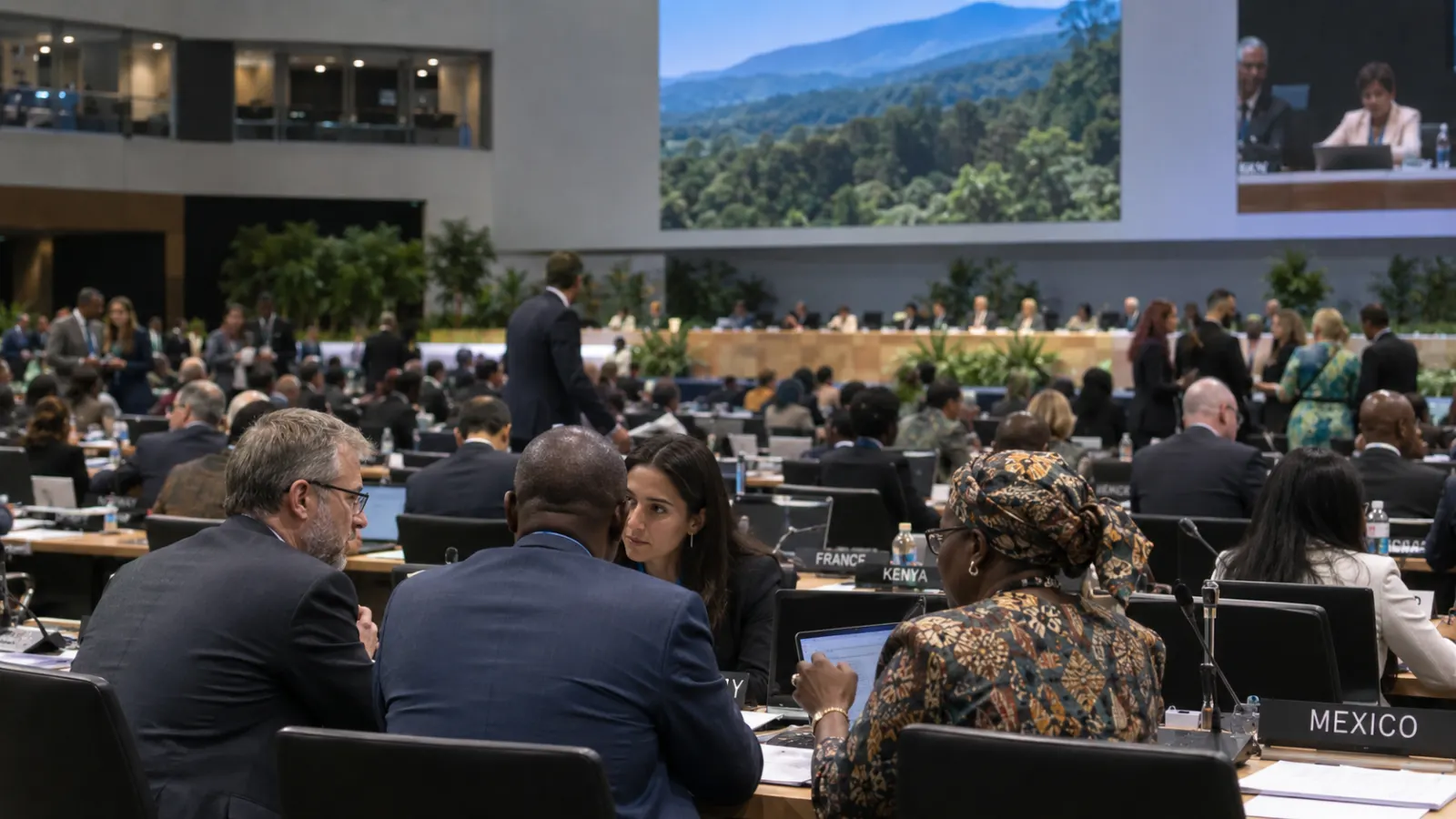
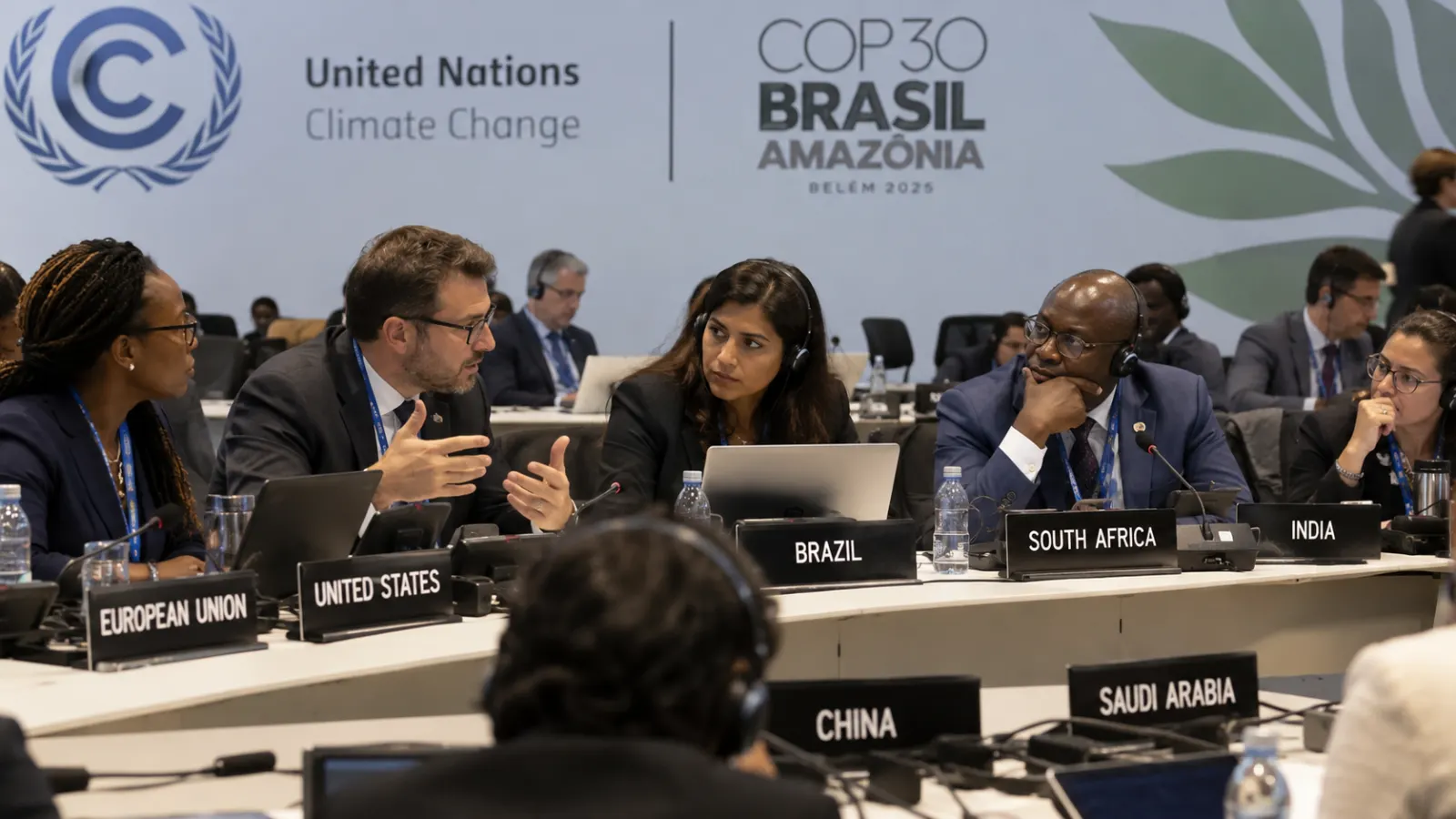
The United Nations exposes the contradiction
The United Nations Human Rights Council is supposed to be one of the world’s central institutions for addressing human rights. It has 47 member states elected by the UN General Assembly, which gives it broad international legitimacy but also exposes it to political bargaining.
This structure creates an unavoidable tension. Human rights are judged by states, many of which have their own human rights problems, strategic alignments and geopolitical rivalries. The same governments that face criticism at home may vote on resolutions about others. The same countries that defend sovereignty in one context may support interventionist language in another.
The Council can do important work. It can create commissions of inquiry, appoint special rapporteurs, document violations and give victims visibility. But it is also a diplomatic arena. Voting patterns often reflect alliances, regional blocs, economic dependence, security partnerships and anti-Western or pro-Western positioning.
That does not make the Council useless. It makes it political.
Human rights diplomacy cannot escape politics because it is conducted by political actors.
Selectivity damages credibility more than silence
The deepest wound in human rights diplomacy is not silence. It is selective outrage.
When a country condemns abuses by enemies but excuses abuses by allies, the message becomes clear: rights matter, but not more than alignment. When civilian suffering in one war generates sanctions and legal language, while similar suffering in another produces caution and diplomatic ambiguity, the language of morality becomes fragile.
This selectivity is now visible across multiple conflicts.
Russia’s war in Ukraine has rightly produced strong condemnation, sanctions, investigations and legal accountability efforts. But Gaza has exposed how Western human rights language can become strained when an ally is accused of grave violations. The United Nations added both Israeli and Russian armed and security forces to its conflict-related sexual violence blacklist in 2026, citing documented violations and lack of accountability, while both governments denied the allegations.
This does not mean all situations are legally identical. They are not. But public perception matters. If victims see that legal urgency depends on the identity of the perpetrator, trust in the entire human rights order collapses.
Human rights diplomacy fails when it becomes morally predictable according to alliance lines.
Gaza has become a test of Western human rights credibility
Gaza has become one of the clearest examples of the collision between human rights and strategic interests.
Many Western states speak the language of international humanitarian law, civilian protection and accountability. Yet their strategic relationship with Israel, domestic politics, historical memory, defence cooperation and regional security calculations have shaped the limits of their pressure.
The result has been a credibility crisis. For much of the Global South, Western outrage over Ukraine and Western caution over Gaza appear as a double standard. That perception is now one of the biggest diplomatic costs of selective human rights policy.
A state cannot claim that the rules-based order is universal if its enforcement depends on whether the accused is inside or outside its alliance system.
The issue is not whether Israel has security concerns. It does. The issue is whether security concerns can permanently override civilian protection, humanitarian access and accountability. Once that happens, human rights diplomacy becomes subordinate to strategic immunity.
Ukraine shows the opposite side of the same pattern
Ukraine shows why human rights diplomacy is necessary.
Russia’s invasion violated core principles of sovereignty and territorial integrity. Civilian deaths, destruction of infrastructure, allegations of torture, deportations and attacks on populated areas have made accountability essential. Western governments have used sanctions, legal support, diplomatic pressure and military aid to frame the war not only as a geopolitical conflict but as a struggle over international law.
This framing has value. A world where a stronger state can invade a weaker neighbour without consequences would be deeply dangerous.
But the Ukraine case also reveals a problem: human rights diplomacy becomes strongest when it aligns with strategic interest. The defence of Ukraine serves both moral and strategic purposes for the West. It defends a victim of aggression, but it also weakens Russia, strengthens NATO cohesion and protects the European security order.
There is nothing wrong with morality and strategy aligning. In fact, that is when human rights diplomacy works best.
The problem arises when morality disappears the moment strategy points in the other direction.
Saudi Arabia shows how strategic value can rehabilitate reputations
Saudi Arabia is one of the clearest examples of strategic interests overriding human rights concerns.
The killing of journalist Jamal Khashoggi in 2018 created a global backlash. Yet Saudi Arabia’s role in energy markets, regional security, investment, defence purchases, technology cooperation and Middle East diplomacy ensured that diplomatic isolation would not last forever.
In 2025, the United States agreed to a nearly $142 billion arms package with Saudi Arabia, described by the White House as the largest defence cooperation agreement Washington had ever done. The White House also announced broader economic and defence cooperation, including Saudi purchases of tanks and future F-35 deliveries.
Human rights organizations have repeatedly argued that governments prioritize trade and strategic interests with Saudi Arabia over human rights. Human Rights Watch’s Saudi Arabia reporting specifically noted that governments continued to prioritize trade and strategic interests despite concerns around repression, executions and accountability.
This is how international rehabilitation works. A state may be condemned for a time, but if it controls energy, buys weapons, invests capital and matters in regional geopolitics, moral outrage eventually meets strategic necessity.
Human rights diplomacy often has a short memory when the contracts are large enough.
Migration policy reveals Europe’s moral bargain
Europe often presents itself as a normative power: democratic, rights-based, law-bound and committed to human dignity. Yet migration has exposed the gap between human rights language and political reality.
European governments face domestic pressure from anti-immigration parties, border-control demands and public anxiety over asylum systems. As a result, the EU has increasingly explored external migration partnerships and return arrangements with third countries.
In June 2026, Reuters reported that the European Union had reached a preliminary agreement on rules allowing member states to deport rejected asylum seekers and migrants to “return hubs” outside the bloc, even where individuals have no personal ties to those destination countries. Human rights groups warned that such measures could lead to abuses, arbitrary detention and harmful enforcement practices.
This is human rights diplomacy in reverse.
European governments may criticize abuses abroad while outsourcing migration control to states with weaker rights safeguards. They may defend asylum law in principle while designing systems to prevent asylum seekers from arriving. They may fund humanitarian aid while tightening borders.
The contradiction is not only legal. It is moral.
A human rights order that protects dignity only after people survive dangerous journeys is not fully serious about dignity.
China turns human rights criticism into sovereignty politics
China has become central to the global human rights debate because of concerns over Xinjiang, Tibet, Hong Kong, surveillance, civil society restrictions and political freedoms. But China has also become too economically and strategically important for many states to confront directly.
The UN human rights system has documented serious concerns over Xinjiang. In 2022, UN experts called on China to address grave human rights violations after the Office of the High Commissioner for Human Rights released its Xinjiang assessment, which found that serious violations had been committed and that the extent of arbitrary detention may constitute international crimes.
Yet many governments remain cautious because China is a major trading partner, lender, investor, technology supplier and geopolitical actor. Countries dependent on Chinese finance or market access often avoid strong public criticism. Others frame silence as respect for sovereignty.
China, for its part, treats human rights criticism as interference in internal affairs and promotes an alternative language of development, stability and non-interference.
This is not merely a China issue. It is a global contest over the meaning of rights. Are human rights universal constraints on state power, or are they Western instruments used selectively? China’s diplomacy benefits from Western inconsistency because every double standard makes Beijing’s sovereignty argument more persuasive.
Myanmar exposes the dilemma of neighbourhood diplomacy
Myanmar presents a harsh test for India and ASEAN.
Since the 2021 military coup, Myanmar has faced civil conflict, repression and international condemnation. Yet neighbouring states cannot simply wish Myanmar away. India shares a sensitive border with Myanmar, has security concerns in the Northeast, seeks connectivity to Southeast Asia, worries about China’s influence, and must deal with refugee flows, trafficking and cross-border insurgent dynamics.
In June 2026, Prime Minister Narendra Modi met Myanmar’s military-backed President Min Aung Hlaing in New Delhi. India said engagement was more productive than isolation and emphasized border security, intelligence cooperation, anti-human trafficking, trade and regional connectivity.
This is a classic human rights diplomacy dilemma.
If India isolates Myanmar’s military authorities completely, it risks losing influence to China, weakening border coordination and reducing practical leverage over security problems. If India engages too warmly, it risks legitimizing a regime accused of serious abuses and alienating democratic forces.
There is no easy answer. But there is a necessary principle: engagement must not become endorsement.
India can talk to Myanmar’s rulers because geography requires communication. But it should not allow strategic necessity to erase concern for civilians, refugees, political prisoners and democratic restoration.
Strategic interests are real, not excuses
A serious discussion of human rights diplomacy must avoid moral laziness.
It is easy to say that states should always put human rights first. It is harder to govern in a world of borders, wars, energy needs, terrorism, supply chains, migration pressures, great-power rivalry and national security threats.
Strategic interests are not imaginary. They are part of responsible statecraft.
A government must protect its citizens. It must secure energy, defend borders, preserve trade routes, build alliances, manage migration, prevent terrorism, protect diaspora communities and maintain economic stability. No elected government can ignore these responsibilities.
The problem is not that states have interests. The problem is when interests become the permanent excuse for abandoning principles.
A mature foreign policy does not pretend morality is cost-free. But it also does not treat morality as disposable.
The real test is whether a state can pursue interests while placing limits on what it will tolerate, fund, arm, excuse or normalize.
Human rights sanctions have become selective instruments
Sanctions are one of the most visible tools of human rights diplomacy.
They can freeze assets, restrict travel, block financial access and signal that violators will face consequences. Targeted sanctions against individuals responsible for torture, corruption, repression or atrocities can be useful because they avoid punishing entire populations.
But sanctions also reveal selectivity.
Adversaries are sanctioned quickly. Allies are sanctioned rarely. Some regimes face sweeping restrictions; others face symbolic criticism. Some officials become pariahs; others remain welcome at summits because they control oil, ports, minerals, military bases or migration routes.
Sanctions can defend human rights. They can also become tools of geopolitical pressure dressed in moral language.
This does not mean sanctions should be abandoned. It means they must be applied with clearer standards, legal safeguards and consistency. Otherwise, sanctioned states will keep arguing that human rights are merely the vocabulary of power.
Quiet diplomacy has value, but it can become silence
Governments often defend their cautious approach by saying they raise human rights concerns privately.
Sometimes this is true and useful. Quiet diplomacy can free prisoners, protect dissidents, allow humanitarian access, reduce tensions and avoid public humiliation that makes compromise harder. Not every human rights intervention needs a press conference.
But quiet diplomacy can also become a convenient cover for doing nothing.
If there is no visible pressure, no measurable progress, no accountability and no willingness to impose costs, “quiet diplomacy” becomes diplomatic silence with better language.
The test is outcome.Did prisoners get released?Did laws change?Did aid reach civilians?Did abuses reduce?Did monitors gain access?Did the government face consequences for non-compliance?
If not, quiet diplomacy is not strategy. It is avoidance.
The Global South’s criticism must be taken seriously
Many countries in the Global South are sceptical of Western human rights diplomacy, and not without reason.
They remember colonial rule, racial hierarchy, regime-change wars, unequal economic structures, selective interventions and the use of rights language against weaker states. They see powerful countries invoking international law in one conflict and ignoring it in another. They see migration restrictions from states that lecture others about dignity. They see defence deals with authoritarian partners. They see sanctions regimes that hurt ordinary people while elites adapt.
This scepticism is not always anti-human rights. Often, it is anti-hypocrisy.
The danger is that authoritarian governments exploit this scepticism to avoid accountability altogether. They argue that because some Western states are hypocritical, all human rights criticism is invalid. That conclusion is wrong.
Hypocrisy by some does not erase the rights of victims everywhere.
The correct response to selective human rights diplomacy is not to abandon human rights. It is to universalize them more honestly.
India’s human rights diplomacy must reflect strategic maturity
India has a special challenge.
As a rising power and the world’s largest democracy, India cannot speak only the language of sovereignty. It also has an interest in a world where rights, law and accountability matter. At the same time, India has valid concerns about Western double standards, politicized resolutions and external interference in domestic affairs.
India’s best approach should be neither moral grandstanding nor hard cynicism.
It should be principled realism.
Principled realism means India should defend sovereignty, but not use sovereignty to excuse mass atrocities. It should protect strategic autonomy, but not confuse autonomy with silence. It should engage difficult regimes when national interest requires it, but avoid legitimizing repression. It should criticize selectivity in Western human rights policy, but not reject universal human dignity as a Western invention.
India’s own civilizational vocabulary — dignity, pluralism, refuge, debate, restraint, dharma, constitutional morality — gives it enough moral resources to shape an independent human rights diplomacy.
India does not need to copy Western sermonizing. But it should not become comfortable with transactional silence either.
Business and technology are now part of the rights debate
Human rights diplomacy no longer belongs only to foreign ministries.
Companies, investors, technology platforms, arms manufacturers, AI firms, surveillance vendors, mining companies and infrastructure financiers now shape human rights outcomes directly. A state may condemn repression while its companies sell surveillance tools. It may criticize forced labour while importing supply-chain products from abusive systems. It may speak of privacy while exporting digital monitoring technology.
This makes human rights diplomacy more complex.
The question is no longer only what governments say. It is what they finance, sell, buy, license, insure and normalize.
A defence deal can affect civilian protection.A spyware export can affect dissidents.A mining contract can affect indigenous communities.A migration funding package can affect asylum seekers.An AI surveillance system can affect political freedom.
Modern human rights diplomacy must therefore connect foreign policy with trade policy, technology policy, investment policy and corporate accountability.
Otherwise, states will condemn abuses with one hand and profit from them with the other.
Human rights diplomacy needs consistency, not purity
No state will ever have a perfectly pure human rights policy. That is not how international politics works.
But consistency is still possible.
A state can apply the same basic standards to allies and adversaries. It can make defence deals conditional on humanitarian law compliance. It can avoid selling weapons where there is a clear risk of serious abuse. It can protect refugees without destroying border management. It can support independent investigations even when allies are uncomfortable. It can speak publicly when private diplomacy fails. It can ensure that trade agreements include enforceable labour and rights protections. It can protect civil society rather than treating NGOs as geopolitical tools.
The goal is not moral perfection. The goal is moral seriousness.
Human rights diplomacy becomes credible when states show that values impose some cost on their own choices.
If values never cost anything, they are branding.
The danger of a fully transactional world
The world is moving toward transactional diplomacy.
In such a world, every relationship is measured by immediate utility: weapons, energy, minerals, markets, votes, migration control, technology, bases and investment. Human rights become secondary, unless useful as leverage.
This is dangerous because it rewards the most cynical actors.
Authoritarian governments learn that repression is survivable if they remain strategically valuable. Militias learn that atrocities can be negotiated away if they control territory. Powerful states learn that law applies only when convenient. Victims learn that their suffering matters only when geopolitically useful.
Amnesty International’s 2026 annual report warned of a perilous era driven by assaults on multilateralism, international law and human rights by powerful states, corporations and anti-rights movements. Human Rights Watch’s 2026 reporting similarly framed the global rights struggle as deeply affected by hostility toward norms and institutions that constrain power.
The warning is clear: if human rights diplomacy becomes fully transactional, the language of universal dignity may survive in speeches but disappear from decisions.
What a better human rights diplomacy would look like
A more credible human rights diplomacy needs practical reforms.
First, states must apply human rights standards across alliances. Allies should not receive automatic immunity.
Second, arms sales should include enforceable human rights conditions. Weapons supplied to abusive forces make the supplier morally and politically implicated.
Third, trade and investment agreements should include labour, minority, environmental and civil liberty safeguards that are more than decorative clauses.
Fourth, migration cooperation must respect non-refoulement, asylum rights and detention safeguards. Border control cannot become outsourced cruelty.
Fifth, international investigations should be supported even when politically inconvenient.
Sixth, quiet diplomacy should be measured by results, not used as a shield against public accountability.
Seventh, sanctions should be targeted, evidence-based and consistent, not merely geopolitical.
Eighth, democracies must protect human rights at home. A state that suppresses rights domestically loses credibility abroad.
Ninth, Global South voices should help shape human rights diplomacy so that it does not appear as a Western-owned project.
Tenth, victims must be central. Human rights diplomacy often becomes a conversation between states about victims, rather than with victims.
The hard truth
But that truth should not become a license for cynicism.
A world without human rights diplomacy would be worse. It would leave dissidents alone, refugees invisible, prisoners forgotten, minorities unprotected and atrocities unnamed. The existence of hypocrisy does not mean the principle is false. It means the practice is weak.
The real question is whether states are willing to let human rights limit their own behaviour, not merely condemn the behaviour of others.
That is the difference between diplomacy as morality and diplomacy as performance.
A country that speaks for human rights only when convenient is not defending universal values. It is using universal language for national advantage. A country that applies rights standards even when allies are uncomfortable begins to build credibility. A country that admits trade-offs honestly and still draws red lines shows maturity.
Human rights diplomacy will never be free from strategic interests. But it must not be swallowed by them.
Because when dignity becomes negotiable, power becomes the only law.
And once power becomes the only law, every human being without power becomes expendable.