Active Citizenship: Rights, Responsibilities and Participation in Democracy
Active citizenship describes what citizenship looks like in practice. Legal status may establish a person's formal relationship with a state, but it does not explain how that person participates in public life. Active citizenship is broader: it includes understanding and exercising rights, accepting responsibilities, following public issues, contributing to communities, participating in decisions and recognising other people as equal members of a shared civic order.
The concept should not be reduced to voting, volunteering or joining political organisations. A person can participate politically without belonging to a party and contribute civically without holding public office. The Council of Europe describes democratic citizenship through active participation in a system of rights and responsibilities and treats participation as extending across civic, political, social, economic, legal and cultural life.
That breadth is important. Citizenship becomes active when people move beyond being only recipients of decisions and develop the capacity to understand, question, influence or contribute to the institutions and communities around them. At the same time, active citizenship should not become a demand for constant political involvement. Its more useful meaning is that people possess the rights, information, skills and opportunities necessary to participate meaningfully when they choose to do so.
Active Citizenship Begins With Rights and Responsibilities
Active citizenship is sometimes described as simply being a "good citizen", which can imply following laws, paying taxes and avoiding behaviour that harms others. Those duties matter, but in a democracy obedience alone is too narrow a definition of citizenship.
Participation requires rights. Freedom of expression allows people to state views and criticise decisions. Freedom of association enables them to organise around shared interests. Peaceful assembly allows collective expression. Access to information makes scrutiny possible, while political rights provide mechanisms for choosing representatives and influencing public affairs.
Rights also protect disagreement. Citizens do not have to reach the same conclusion in order to participate legitimately. One person may support a policy while another opposes it; others may demand evidence, propose alternatives, join an organisation, sign a petition, participate in a consultation or decide that the issue does not deserve their attention. Democratic citizenship depends not on uniform opinion but on the ability of different views to coexist and compete within a framework of rights and law.
Responsibilities give those rights a social context. Public life depends partly on respecting the equal rights of others, following legitimate law, treating shared resources responsibly and recognising that political opponents remain members of the same civic community. In modern information environments, civic responsibility can also include checking claims before spreading them, distinguishing evidence from speculation and correcting misinformation when possible.
Many civic responsibilities are norms rather than legal obligations. A person may not be legally required to attend a residents' meeting, volunteer during an emergency, participate in a school committee or challenge a false rumour. These actions can nevertheless strengthen a community's ability to identify problems and respond to them.
Active citizenship therefore exists partly between formal law and everyday civic behaviour. It concerns what institutions can legitimately require, but also what people voluntarily contribute to common life.
Citizenship Extends Beyond Elections
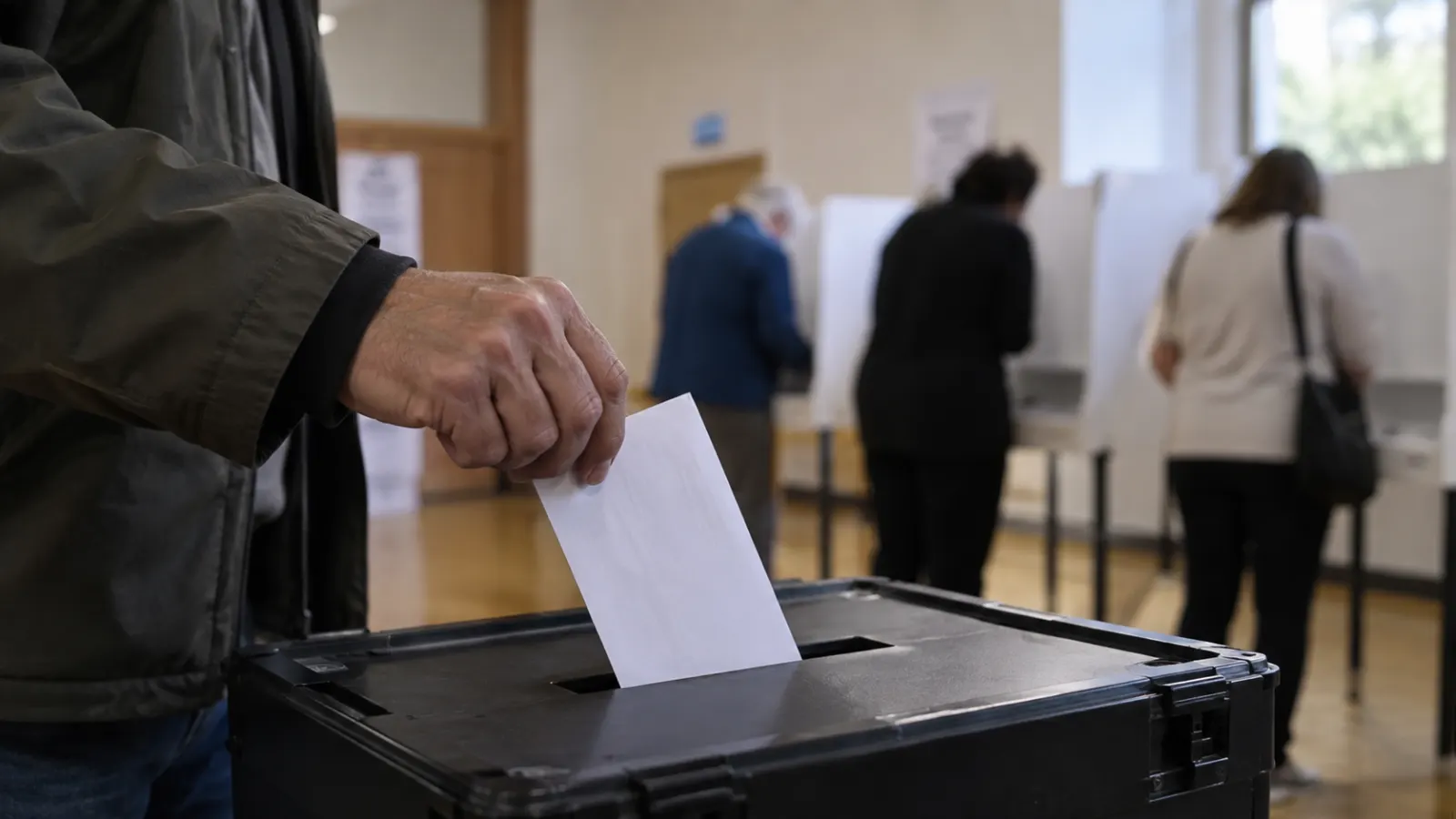
Voting is a central institution of representative democracy because it enables citizens to choose representatives, authorise governments and periodically hold political leaders accountable. Yet public life does not stop between elections. Governments continue making decisions, local institutions continue operating and problems continue emerging in schools, workplaces, neighbourhoods and digital spaces.
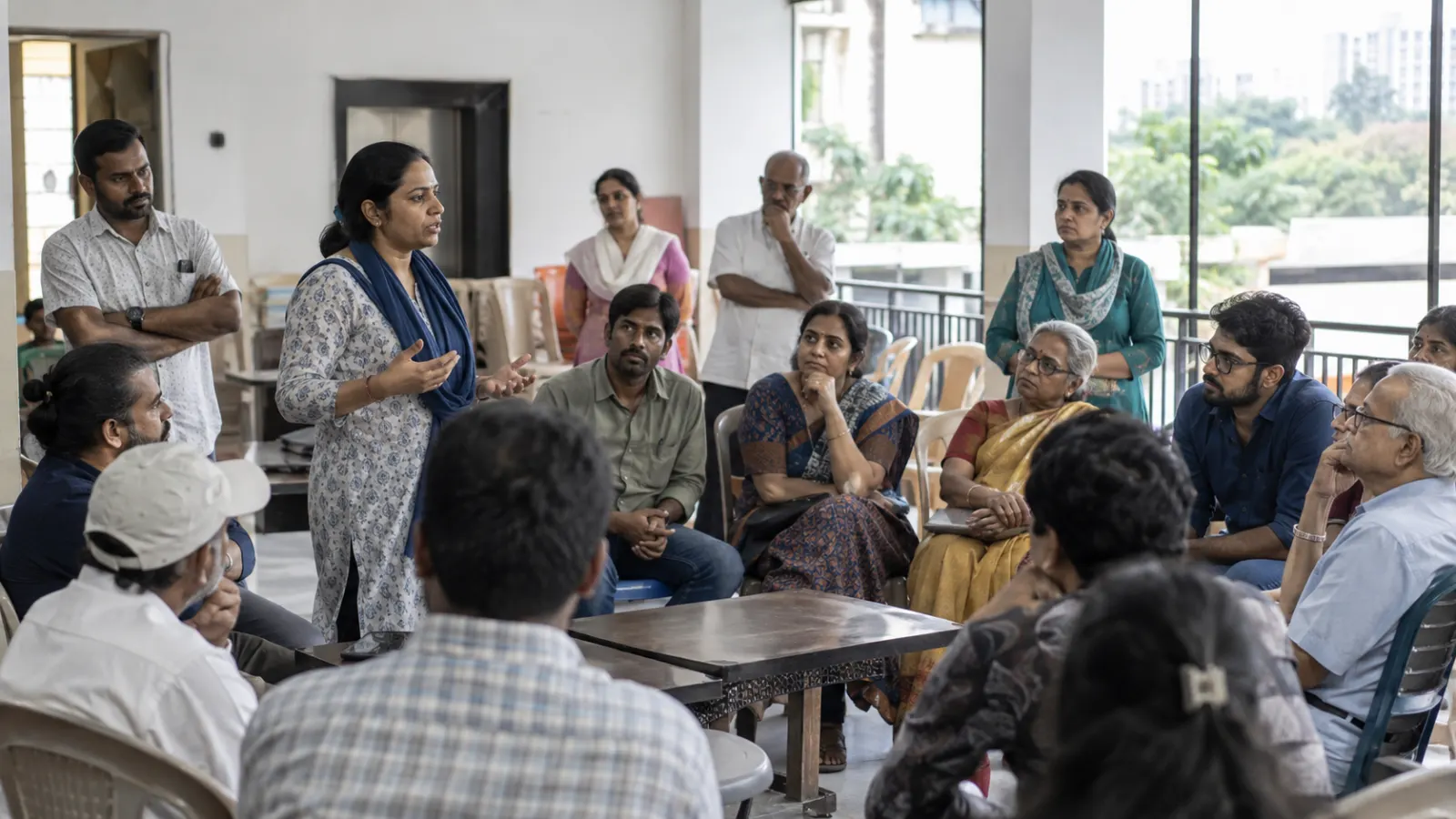
Active citizenship describes this wider environment. Between elections, people may follow legislation, contact representatives, participate in consultations, join professional or community organisations, support civil-society groups, attend public meetings, engage in peaceful demonstrations or participate in local bodies. None of these activities is mandatory for every citizen, and participation can take many different forms.
Recent OECD evidence illustrates why the distinction between voting and wider political voice matters. Its 2026 report, based on the 2025 OECD Trust Survey across 33 OECD countries and five accession candidate countries, found that 68% of respondents regarded voting as having moderate or significant influence on government. Yet only around three in ten were confident that their political system allowed people like them to have a say in what government does.
The same survey found that other participation mechanisms were often perceived as less influential: 39% regarded public consultations and 35% regarded town halls as having moderate or significant influence. These figures describe perceptions in the countries surveyed rather than proving that any particular form of participation is objectively effective. They nevertheless highlight an important distinction between having opportunities to participate and believing that participation affects outcomes.
Participation also extends beyond formal politics. Resident associations, unions, professional organisations, parent groups, charities, cooperatives, cultural organisations and other voluntary groups allow people to pursue common interests. These organisations can sometimes identify problems before distant public institutions do. Parents may notice unsafe conditions around a school, disability groups may identify inaccessible infrastructure and local organisations may detect gaps in emergency services.
Such participation does not mean that citizens are automatically correct. Lived experience is one form of evidence, not a substitute for all others. Its value is that it creates additional channels through which information about how institutions and policies operate in practice can reach decision-makers and wider public debate.
Informed Participation Matters as Much as Participation Itself
Participation without reliable information can easily become symbolic, misdirected or manipulable. Citizens therefore need more than opportunities to speak. Meaningful participation also depends on accessible public information, understandable procedures, credible evidence, independent journalism and the ability to examine competing claims.
This has made media and information literacy increasingly relevant to citizenship. Digital platforms allow individuals to encounter public information almost instantly, but they also expose users to misinformation, manipulated media, decontextualised evidence and highly emotional political communication.
The civic skill required is not simply identifying whether something agrees with one's existing views. It involves asking where a claim originated, whether evidence is provided, whether the source has relevant expertise, what information might be missing and whether independent sources support the account. Uncertainty should also be distinguished from deception: incomplete evidence does not automatically make a claim false, just as confident presentation does not make it true.
Digital participation creates additional opportunities and problems. People can organise events, communicate with representatives, raise money, form communities, document events and discuss public affairs without being physically present in the same place. These tools can make participation easier for people who would otherwise face geographic or organisational barriers.
At the same time, online spaces can amplify harassment, coordinated manipulation, synthetic media, abuse and outrage-driven content. Visible online opinion may also be mistaken for representative public opinion even when platform users are not representative of the wider population. Active digital citizenship therefore requires not merely participating online but understanding the limitations of the environment in which that participation occurs.
The Council of Europe similarly connects online participation with freedom of expression and information, assembly and association, privacy, literacy and respect for other people's rights.
Institutions Also Carry Responsibilities
Discussions of active citizenship can place too much responsibility on individual citizens. Participation is not created solely by asking people to become more engaged. Institutions determine whether meaningful opportunities to participate actually exist.
A consultation that gathers opinions but never explains what happened afterward may leave participants uncertain about whether their contribution mattered. More credible processes can make clear what was heard, which recommendations affected the final decision, which did not and why.
The OECD's 2026 trust findings are relevant here. Among the populations it surveyed, perceptions of unresponsive political officials were reported more frequently as barriers to political voice than practical constraints such as time, money or networks. Forty per cent of respondents said one barrier to people like them having a say was the perception that elected officials "do not care about people like me".
This does not establish a universal explanation for political disengagement, and results vary across countries and social groups. It does show why participation cannot be evaluated solely by asking whether citizens were offered a mechanism to contribute. Accessibility, transparency, institutional responsiveness and clarity about how public input relates to decisions also affect the quality of participation.
Citizen participation should therefore be understood as complementary to representative institutions rather than as their automatic replacement. Modern states make large numbers of technical, administrative and distributive decisions for which delegated authority, professional expertise and institutional continuity are necessary.
Different parts of a democratic system perform different functions. Elections provide political authorisation. Legislatures make laws. Administrations implement public decisions. Courts interpret law and protect legal rights within their constitutional systems. Independent media and civil-society organisations can scrutinise institutions. Participatory processes can contribute public experience, local knowledge and feedback.
No single mechanism performs all of these functions equally well.
Volunteering, Protest and Other Forms of Civic Action
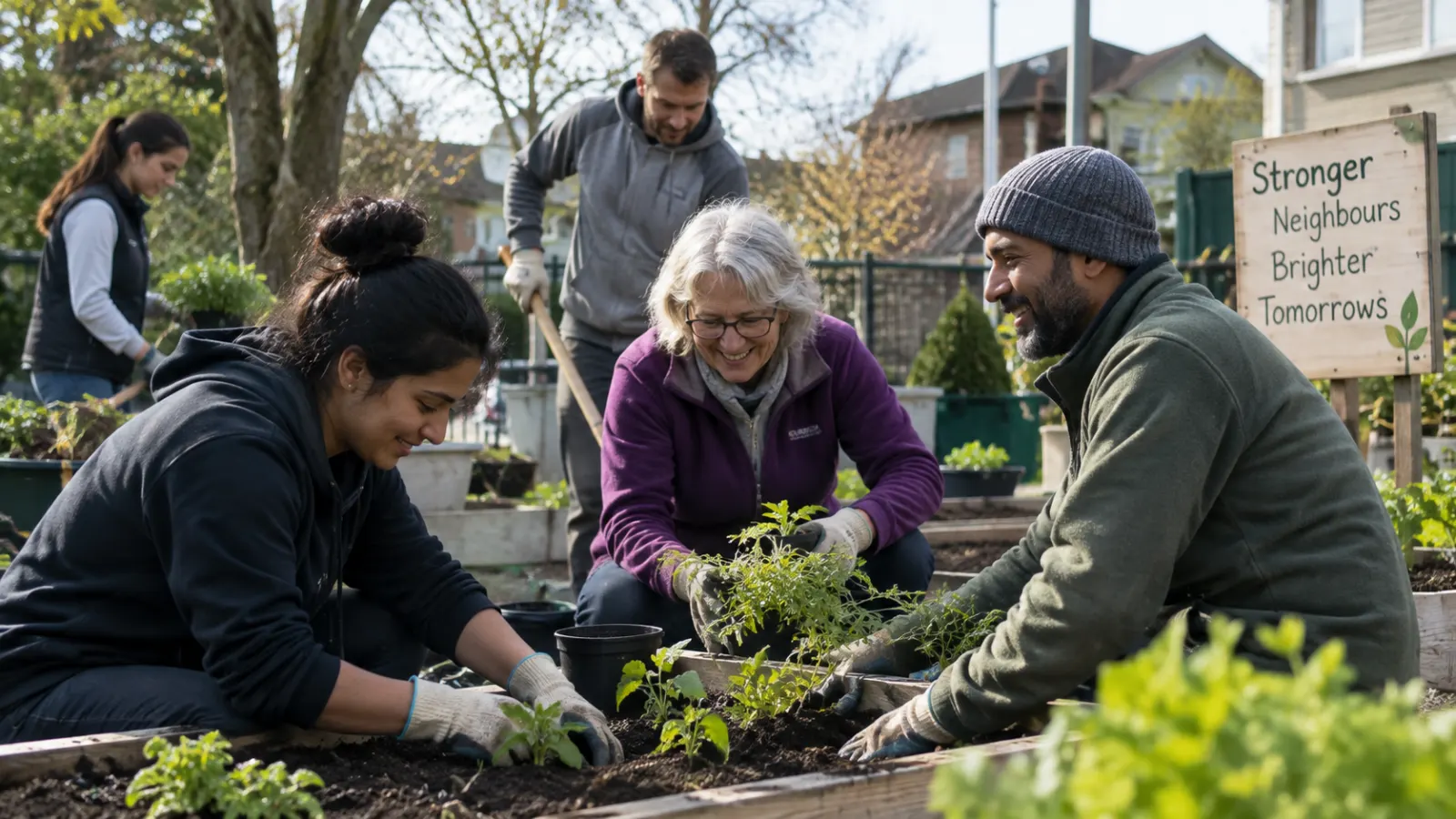
Volunteering and community service are among the clearest forms of direct civic participation. People may contribute time, knowledge or resources to neighbourhood projects, disaster response, education, environmental work, health initiatives and social organisations. Such activities can produce useful services while also creating relationships and practical knowledge within communities.
Voluntary activity, however, is not a substitute for every institutional responsibility. A local food programme may provide immediate support to families facing hardship, but voluntary effort alone cannot determine wage policy, housing supply or the structure of social-protection systems. Civic participation can involve both responding directly to a problem and examining the institutional or structural conditions that produce it.
Peaceful protest is another form of participation. People may demonstrate when they believe established channels have failed, when they want to draw wider attention to an issue or when they want public institutions to reconsider a decision. Freedom of peaceful assembly is therefore closely connected to political and civic participation.
But active citizenship should not be equated with protest alone. A person researching legislation, joining a local association, contesting a matter through courts, communicating with representatives, volunteering, negotiating through an organisation or participating in a consultation can also be engaging in civic life.
Different forms of participation also involve different trade-offs. Protest can attract attention rapidly but may not produce agreement. Consultation may enable detailed discussion but reach comparatively few participants. Elections aggregate political preferences at large scale but occur periodically. Voluntary organisations can develop specialised expertise but may represent particular interests rather than the population as a whole.
Understanding those differences is more useful than treating one form of civic action as inherently superior to all others.
Equal Opportunity to Participate Matters
A participation mechanism can be formally open while remaining practically difficult for many people to use. Time, income, education, disability, language, digital access, geographic distance, care responsibilities, social networks and fear of retaliation can all affect participation.
The OECD's 2025 survey, for example, found socioeconomic barriers alongside concerns about political responsiveness. Across OECD countries surveyed, around 21% identified lack of time as a barrier to political voice, around 19% cited insufficient money and 18% cited geographic distance from decision-making centres, though the figures varied among countries.
This distinction between formal access and practical access is important. A meeting may officially be open to everyone but still exclude many people if it occurs during working hours, lacks disability access, requires travel or provides information in a language participants cannot easily understand.
Efforts to broaden participation can therefore involve accessible information, appropriate meeting formats, disability accommodation, translation, digital and offline alternatives, safe channels for participation and other measures appropriate to the population concerned.
The objective is not to guarantee that every social group will hold the same opinions or participate at the same rate. It is to reduce unnecessary barriers that prevent people from exercising civic and political rights.
Active Citizenship Is Learned, but It Does Not Require Constant Activism
Citizenship education is sometimes treated as the memorisation of constitutions, institutions and legal terminology. Those subjects are useful, but civic competence also involves skills and habits that develop through practice: listening to opposing arguments, checking evidence, explaining a position, organising collectively, negotiating disagreement and accepting responsibility for decisions.
The Council of Europe's Charter on Education for Democratic Citizenship defines this field as education that equips learners with knowledge, skills and understanding while developing attitudes and behaviour that enable them to exercise democratic rights and responsibilities and participate actively in democratic life.
UNESCO similarly describes global citizenship education as involving not just knowledge but also critical thinking, understanding different perspectives, constructive conflict resolution, cooperation, respect for diversity, empathy and other skills and values.
These capacities can develop through schools, families, universities, workplaces, associations, communities and everyday experience. People learn whether disagreement is tolerated, whether evidence matters and whether participation can influence outcomes partly by experiencing those conditions themselves.
Still, active citizenship should not imply permanent mobilisation. Citizens have jobs, families, care responsibilities, personal interests and private lives. Representative institutions exist partly because individuals cannot personally participate in every decision made by complex societies.
A more realistic conception focuses on capacity and opportunity. People should be able to access information, form independent judgments and use legitimate channels of participation when an issue warrants their attention. They should also be free to decide not to participate in every cause or controversy.
The Core Meaning of Active Citizenship
Active citizenship means understanding society as something people can participate in shaping rather than as a set of decisions that simply happens around them. It connects rights with responsibilities, individual judgment with public consequences and citizen participation with institutional responsiveness.
It is broader than voting but does not diminish the role of elections. It includes volunteering but does not transfer every government responsibility to volunteers. It recognises protest while acknowledging many quieter forms of civic activity. It values participation without assuming that participation is automatically informed or representative.
Most importantly, active citizenship does not require political conformity. Democratic participation depends on people being able to disagree, organise, question institutions and advocate different conclusions while recognising one another's equal civic standing.
In that sense, active citizenship is neither blind loyalty nor permanent opposition. It is the capacity to participate in common life with information, rights, responsibility and room for disagreement.