Heat as a Systemic Risk
Rising temperatures are not just a number on a thermometer. They are a force that changes water, food, health, work, cities, forests, oceans and economies. A one-degree or two-degree increase in global average temperature may sound small because people experience larger day-to-day changes in weather. But the global average is not like the temperature of one afternoon. It is a measure of the whole climate system. When that average rises, heat is added to the atmosphere, oceans, land and ice, and that added heat shifts the conditions under which societies and ecosystems operate.
The most direct effect is heat stress. Hotter average conditions make heatwaves more frequent, longer and more intense. Human bodies have limits. When heat and humidity rise together, sweating becomes less effective, outdoor work becomes dangerous, dehydration increases, and older people, children, pregnant women, people with chronic illness and workers exposed to the sun become especially vulnerable. Heat can worsen heart, kidney and respiratory conditions. It can also affect sleep, learning and productivity. In many places, heat is already becoming a public health problem rather than simply an uncomfortable season.
Health, Energy and Water
Rising temperatures also change energy demand. As summers become hotter, households, offices, factories and public buildings use more cooling. Air conditioning can save lives during extreme heat, but it also raises electricity demand. If the electricity system depends heavily on fossil fuels, cooling demand can create a feedback loop: hotter weather increases power use, more power use increases emissions, and emissions intensify warming. Even where electricity is cleaner, extreme demand can strain grids and increase the risk of blackouts during the very periods when people most need cooling.
Water systems are deeply affected. A warmer atmosphere can hold more moisture, which changes the water cycle. In some places this means heavier rainfall and flooding. In others it means longer dry periods, stronger evaporation and drought. These effects can even occur in the same region at different times: months of dryness followed by intense rain that the soil cannot absorb. Rising temperatures dry out soils, reduce snowpack, change river flows and increase competition between drinking water, agriculture, industry and ecosystems.
Agriculture is one of the clearest examples of why rising temperature matters. Crops grow within biological limits. Heat during flowering can reduce grain formation. High night temperatures can affect rice, wheat and other staples. Drought stress reduces yields. Pests and diseases may expand into new regions. Livestock suffer heat stress, which can reduce milk production, fertility and weight gain. Farmers may adapt through irrigation, crop shifts, altered planting dates or heat-tolerant varieties, but adaptation has costs and limits. For poor farmers, small temperature shifts can translate into food insecurity, debt and migration pressure.
Food, Ecosystems and Forests
Food systems are affected beyond the farm. Heat can disrupt storage, transport and markets. More extreme weather can damage roads, ports, warehouses and cold chains. Fisheries can suffer when ocean temperatures rise and species move toward cooler waters. Marine heatwaves can damage coral reefs, kelp forests and fish habitats. Food prices may become more volatile when multiple breadbasket regions face heat or drought at the same time. Rising temperatures therefore connect climate science with household budgets and national food policy.
Ecosystems respond because species are adapted to particular temperature ranges, seasons and ecological relationships. As temperatures rise, some plants and animals move poleward, uphill or into deeper water. But not every species can move quickly enough, and not every landscape provides safe corridors. A plant may shift at one speed, its pollinator at another, and its pest at another. This can break ecological timing. Earlier flowering, altered migration, coral bleaching, forest dieback and changing insect populations are not isolated events. They are signs that climate conditions are moving faster than many ecosystems can adjust.
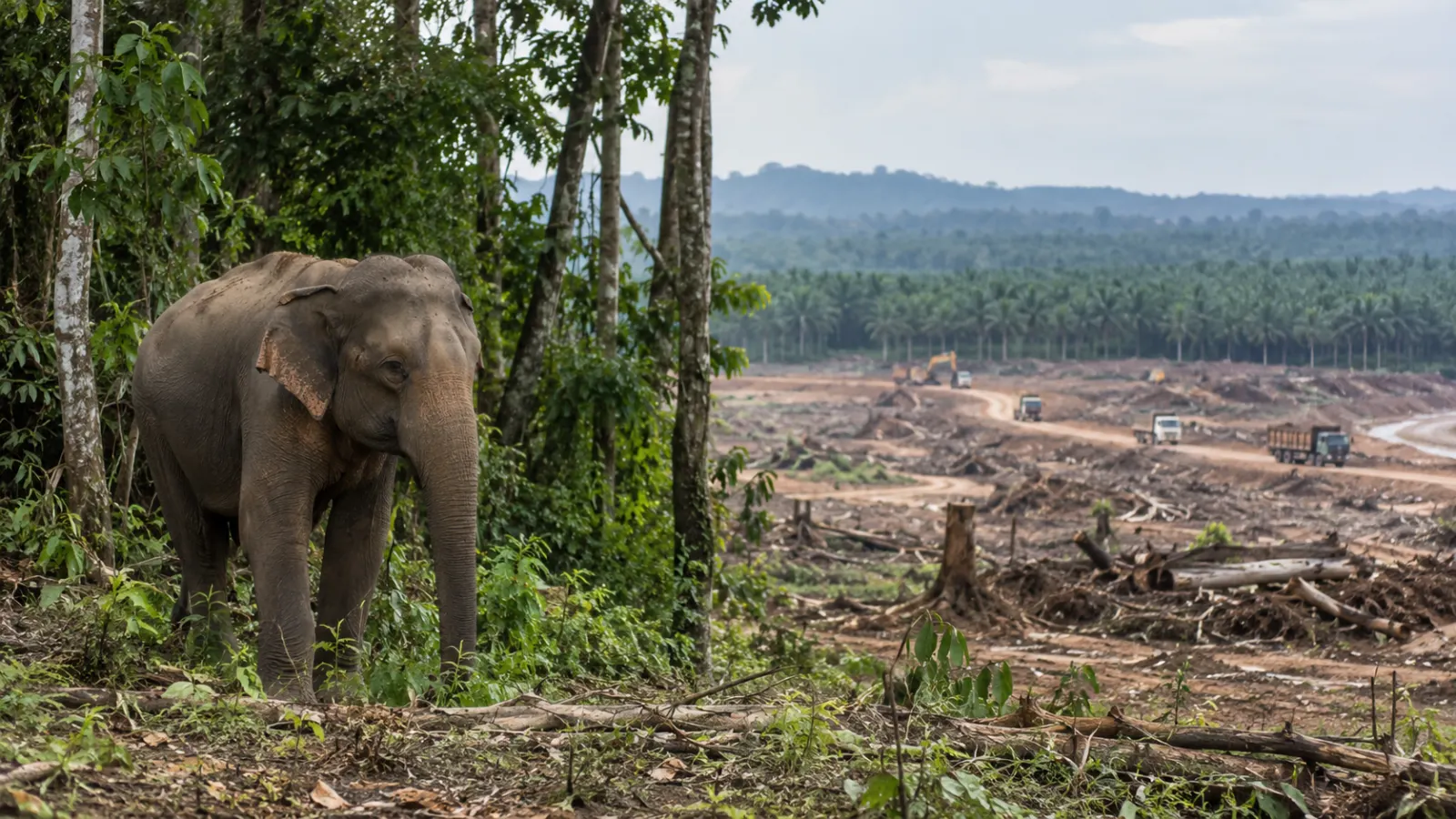
Forests face multiple risks. Heat dries vegetation and soils, increasing the conditions for wildfire in many regions. Warmer winters can allow some pests to survive and spread. Drought weakens trees, making them more vulnerable to disease and insects. Fire is a natural part of some ecosystems, but hotter and drier conditions can turn fire regimes more destructive. When forests burn severely or die back, they release carbon, lose biodiversity, reduce water regulation and expose communities to smoke and erosion.
Ice, Oceans and Sea Level
Rising temperatures also affect ice. Glaciers, ice sheets, sea ice and snow cover are sensitive to warming. When mountain glaciers shrink, they initially may release more meltwater, but over time their ability to support rivers during dry seasons declines. This matters for communities that depend on glacier-fed rivers for drinking water, irrigation and hydropower. Melting land ice adds water to the ocean and contributes to sea level rise. Loss of sea ice also changes albedo, because dark ocean absorbs more sunlight than reflective ice.
Oceans absorb most of the excess heat trapped by greenhouse gases. This protects land temperatures from rising even faster, but it creates major ocean impacts. Warmer water expands, contributing to sea level rise. Heat also changes marine ecosystems, oxygen levels, currents and storm behavior. Coral reefs are particularly vulnerable because sustained high temperatures can cause bleaching, in which corals expel the algae that help feed them. Repeated bleaching leaves reefs less able to recover and threatens fisheries, tourism and coastal protection.
Sea level rise is one of the most visible long-term consequences of rising temperature. It happens mainly because seawater expands as it warms and because land ice melts. Higher seas increase coastal flooding, storm surge damage, saltwater intrusion into aquifers and erosion. For low-lying islands, delta regions and coastal megacities, sea level rise is not distant theory. It affects infrastructure planning, insurance, ports, housing, drainage and migration. Even small increases in mean sea level can make high-tide flooding more frequent.
Infrastructure, Economy and Inequality
Infrastructure is designed around historical climate assumptions. Roads are built for certain temperature ranges, drainage systems for certain rainfall patterns, power lines for certain loads, and buildings for known local conditions. Rising temperatures challenge those assumptions. Heat can soften roads, warp rail tracks, reduce power plant efficiency, strain water systems and make buildings unsafe without cooling. Heavy rain can overwhelm drainage. Wildfires can damage electricity networks. Climate change therefore turns past engineering standards into future risk.
The economic effects are broad. Heat reduces labor productivity, especially in agriculture, construction, transport and informal outdoor work. Disasters increase repair costs. Health systems face additional burdens. Insurance markets may raise premiums or withdraw from high-risk areas. Governments must spend more on relief, rebuilding, heat action plans, water infrastructure and coastal protection. Poor households and small businesses are often hit hardest because they have fewer savings, less insurance and less political power.
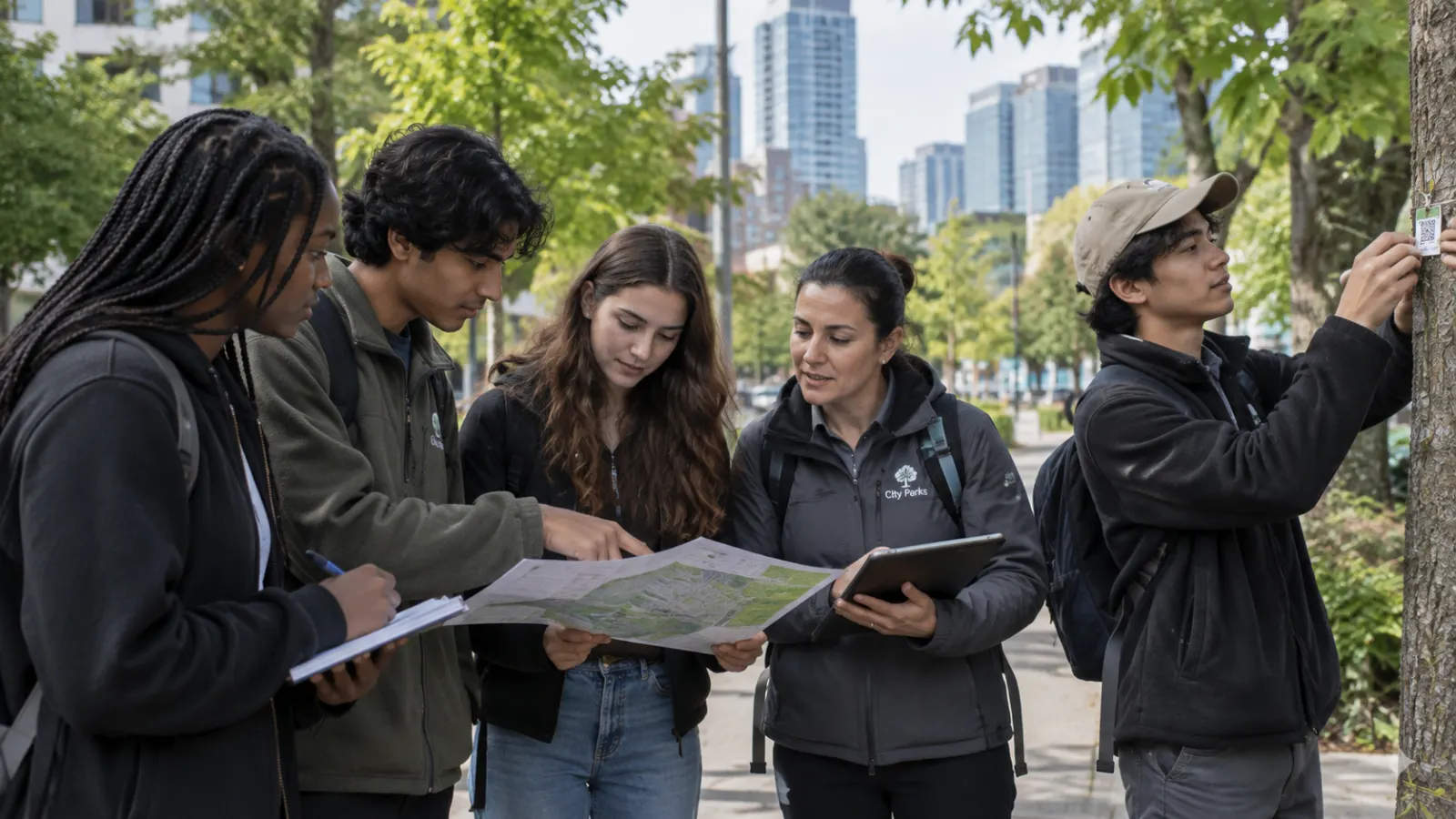
Rising temperatures also deepen inequality. Wealthier people can buy cooling, relocate, insure assets and rebuild. Poorer people may live in hotter neighborhoods, work in exposed conditions, depend directly on natural resources and lack access to healthcare. Urban heat islands make this worse. Concrete, asphalt, traffic and limited tree cover make some neighborhoods much hotter than surrounding areas. Climate impacts therefore follow social geography. Heat is not distributed evenly, and neither is protection.
Human migration can be affected when heat, drought, crop failure, water stress or coastal damage undermine livelihoods. Climate change rarely acts alone. It interacts with poverty, conflict, governance, land rights, debt and demographics. But rising temperature can become a risk multiplier. It can make existing pressures harder to manage and reduce the options available to households. A family may not move because of climate change in the abstract; it may move because repeated heat and drought make farming impossible or because floods repeatedly damage homes.
A common misunderstanding is that warming simply makes cold places more pleasant. Some regions may experience longer growing seasons or lower winter heating demand, but these benefits are not a simple compensation for global harm. Warmer winters can increase pests, reduce snowpack, disrupt ecosystems and create freeze-thaw damage. Agriculture may gain in one region while losing elsewhere, but food markets are interconnected. Climate risks also rise sharply with every additional increment of warming. A little warming is not harmless when it shifts extremes, water systems and ecosystems at planetary scale.
Misconceptions and Compound Risks
Another misunderstanding is that climate impacts arrive only in the distant future. Many effects are already visible: more intense heatwaves, melting glaciers and ice sheets, rising seas, shifts in ecosystems and changes in extreme rainfall patterns. The future matters because impacts can worsen, but the present also matters because adaptation decisions are being made now. Buildings built today may stand for fifty years. Roads, ports and power systems can last even longer. If they are built for yesterday’s climate, they may fail in tomorrow’s conditions.
The effects of rising temperatures are also connected to each other. Heat increases evaporation, which can worsen drought, which can stress crops and forests, which can raise food prices and wildfire risk, which can damage air quality and health. Sea level rise can combine with stronger rainfall and storm surge to overwhelm coastal drainage. Heat can increase electricity demand while drought reduces hydropower and river cooling water for thermal power plants. Climate risk is often compound rather than isolated.
Solutions require both mitigation and adaptation. Mitigation means reducing greenhouse gas emissions so that future warming is limited. Adaptation means preparing for impacts that are already happening or unavoidable. Heat action plans, urban trees, cool roofs, floodplain protection, climate-resilient agriculture, early warning systems, water efficiency, coastal planning and stronger health systems all matter. But adaptation becomes harder and more expensive as warming increases. The most important long-term protection is still reducing emissions.
Final Takeaway
The final takeaway is simple: rising temperatures matter because they rewrite the operating conditions of life. They affect the body, the farm, the forest, the river, the grid, the coastline and the budget. Climate change is not only about average warmth; it is about the chain reaction created when added heat moves through natural and human systems. Understanding those effects helps readers see why climate action is not a luxury environmental issue. It is a foundation for health, food security, economic stability and long-term development.
For editorial clarity, this subject should be presented as both a scientific explanation and a practical public-interest issue. The reader should not leave with only a definition. They should understand the mechanism, the evidence, the limits of certainty, the governance relevance and the real-world choices that follow. Environmental writing is strongest when it connects physical processes with human consequences without exaggerating beyond the evidence.
For editorial clarity, this subject should be presented as both a scientific explanation and a practical public-interest issue. The reader should not leave with only a definition. They should understand the mechanism, the evidence, the limits of certainty, the governance relevance and the real-world choices that follow. Environmental writing is strongest when it connects physical processes with human consequences without exaggerating beyond the evidence.
For editorial clarity, this subject should be presented as both a scientific explanation and a practical public-interest issue. The reader should not leave with only a definition. They should understand the mechanism, the evidence, the limits of certainty, the governance relevance and the real-world choices that follow. Environmental writing is strongest when it connects physical processes with human consequences without exaggerating beyond the evidence.
For editorial clarity, this subject should be presented as both a scientific explanation and a practical public-interest issue. The reader should not leave with only a definition. They should understand the mechanism, the evidence, the limits of certainty, the governance relevance and the real-world choices that follow. Environmental writing is strongest when it connects physical processes with human consequences without exaggerating beyond the evidence.
For editorial clarity, this subject should be presented as both a scientific explanation and a practical public-interest issue. The reader should not leave with only a definition. They should understand the mechanism, the evidence, the limits of certainty, the governance relevance and the real-world choices that follow. Environmental writing is strongest when it connects physical processes with human consequences without exaggerating beyond the evidence.
For editorial clarity, this subject should be presented as both a scientific explanation and a practical public-interest issue. The reader should not leave with only a definition. They should understand the mechanism, the evidence, the limits of certainty, the governance relevance and the real-world choices that follow. Environmental writing is strongest when it connects physical processes with human consequences without exaggerating beyond the evidence.
Key Takeaways
Rising temperatures affect health, water, food, ecosystems, energy demand, infrastructure and economic stability.
Heat changes the water cycle, intensifying drought in some settings and heavy rainfall in others.
Climate impacts are unequal because exposure, wealth, work conditions and public services shape vulnerability.
Mitigation limits future warming; adaptation reduces harm from warming already underway.