Education diplomacy India: India and Global Stakes
A country becomes a knowledge power when foreign students do not merely visit it, but trust it with their future. Education diplomacy is one of the most durable forms of influence because it shapes memory at a formative age. A student who studies in a country carries its language, networks, habits and goodwill for decades. For India, education diplomacy is not a side issue. It can become a central pillar of soft power, economic strategy and Global South leadership.
Why It Matters Now
The global education market is changing. Students are rethinking cost, visas, employability and geopolitical risk. Western universities remain powerful, but their systems are expensive and politically contested. India has a chance to offer affordable, English-linked, culturally rich and increasingly technology-enabled education. The Study in India platform already presents thousands of courses across hundreds of Indian institutions, but the deeper challenge is quality, international credibility and student experience.
Historical Roots
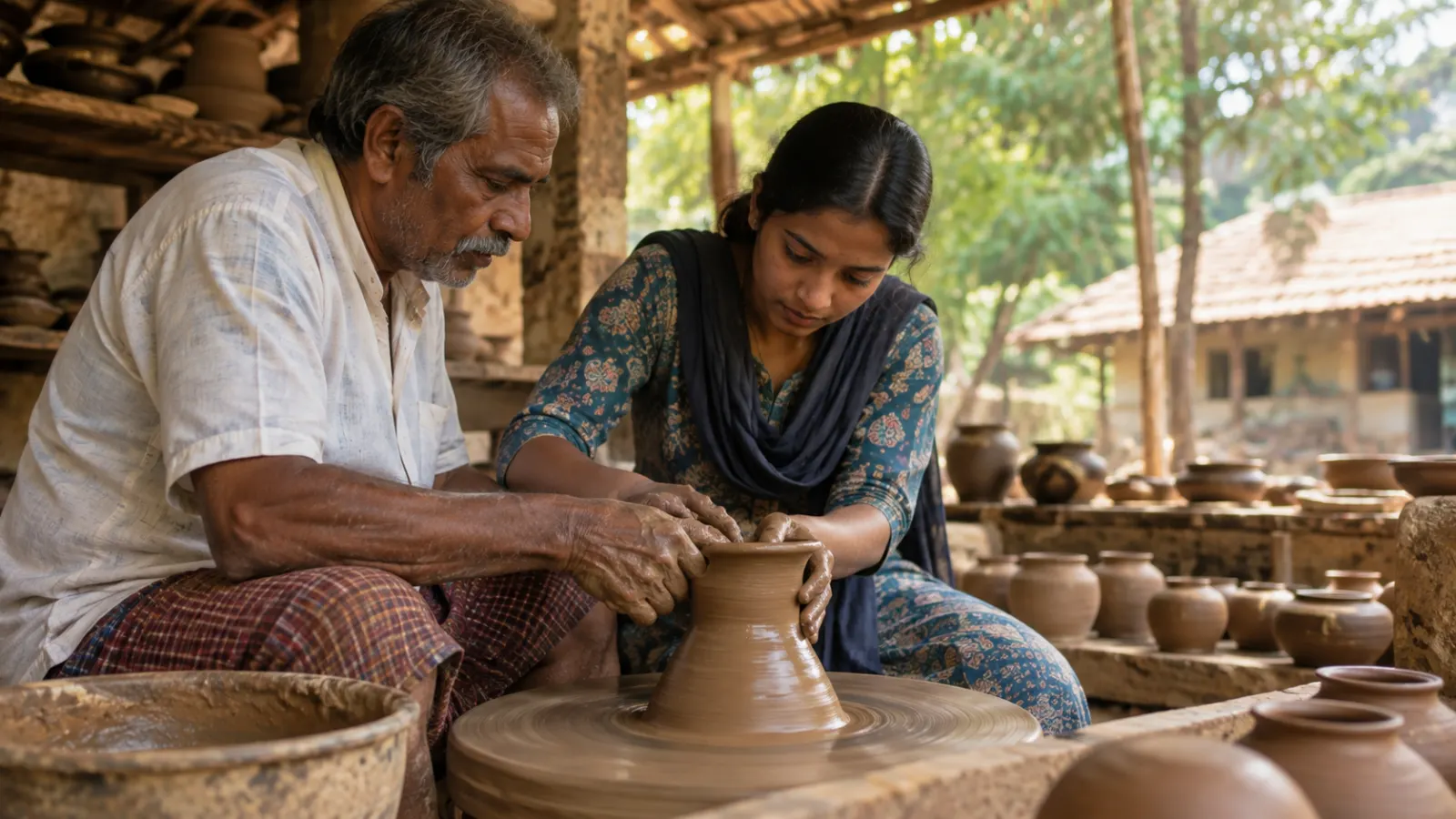
India’s civilisational memory gives education diplomacy a powerful foundation. Ancient centres such as Nalanda and Takshashila attracted scholars across Asia. Buddhist learning networks connected India to the wider region. In the modern era, Indian universities educated students from Africa, Asia and the Middle East, many of whom became public leaders, professionals and cultural intermediaries. Yet India did not fully convert this legacy into a global education brand. The moment has arrived to do so with institutional seriousness.
Strategic Dimensions
Education diplomacy works through five channels. First, talent attraction: students bring skills, fees and future networks. Second, elite formation: today’s student may become tomorrow’s minister, CEO, scholar or diplomat. Third, standards: universities shape global norms through research and accreditation. Fourth, innovation: international classrooms strengthen science, technology and entrepreneurship. Fifth, narrative: education projects a country as open, capable and future-oriented.
India Angle
India’s strengths are real: scale, English usage, STEM depth, diaspora academic networks, digital platforms, cultural familiarity for many developing countries and comparatively lower cost. But weaknesses are also real: uneven university quality, global ranking gaps, bureaucratic friction, limited campus internationalisation, hostel and safety concerns, and insufficient research funding. India cannot become a knowledge power merely by inviting students. It must build institutions that students proudly recommend.
Global Implications
If India succeeds, education diplomacy could reshape Global South mobility. Students from Africa, Southeast Asia, Central Asia and the neighbourhood may see India as a more accessible alternative to the West. This would strengthen India’s diplomatic networks, create economic value and deepen long-term partnerships. It would also help India compete in the global race for talent, where demographics and skills are strategic assets.
Counter-view
There is a risk of overclaiming. India’s ancient knowledge legacy cannot hide present-day institutional weaknesses. World-class education requires faculty autonomy, research funding, governance reform, international accreditation, predictable visas, student services and safe campuses. Without this, education diplomacy becomes a brochure rather than a strategy. The world respects history, but students choose the future.
What Happens Next
India should focus on selected flagship institutions, international degree pathways, credit mobility, scholarships for strategic regions, global faculty recruitment, research partnerships and employability outcomes. It should link education diplomacy with digital public infrastructure, health, climate, AI, Sanskrit and Buddhist studies, public policy and development administration. The aim should not be only to increase enrolment; it should be to create alumni networks with strategic depth.
Editorial Insight
Education diplomacy is slow power. It does not produce instant headlines, but it produces memory, trust and networks. If India wants to become a knowledge power, it must make its universities places where the world does not merely learn about India, but learns with India.
Source Notes for Verification
• MEA - Population of Overseas Indians
• PIB/Ministry of Culture - UNESCO World Heritage Sites in India
• UNESCO World Heritage Centre
• Study in India portal
• PMO/MEA - Nalanda University campus inauguration