Democracy promotion after the age of lectures
Democracy promotion is losing ground because the world has become more transactional, more multipolar and more suspicious of moral language used by powerful states. For three decades, democracy assistance was part of the liberal international script: support elections, civil society, independent media, rule of law and human rights. That script has not disappeared, but it has lost confidence. Strategic bargains now often matter more than political values.
The change is visible in aid cuts, diplomatic silence and selective pressure. Countries that control minerals, migration routes, energy supplies, military bases or strategic ports receive softer treatment than countries with less leverage. Authoritarian governments understand this. They have learned that if they are useful enough, their domestic repression will be described as complexity, stability or internal matter.
Why democracy promotion became suspect
Part of the problem is historical. Democracy promotion has often been associated with Western power, intervention, conditional aid and regime-change anxieties. Iraq, Libya and other cases damaged the credibility of external political engineering. Many governments in the Global South hear democracy promotion and suspect interference. They ask why some rights abuses trigger sanctions while others are ignored. They question why electoral flaws in adversary states receive more attention than democratic erosion among allies.
This scepticism has been amplified by domestic problems inside established democracies. Polarisation, misinformation, money power, racial tension, institutional deadlock and attacks on electoral legitimacy have weakened the moral authority of countries that once presented themselves as democratic models. A democracy that cannot protect its own institutions finds it harder to persuade others.
The transactional world order
The new order is not value-free, but it is value-light. Infrastructure deals, defence partnerships, technology access, supply-chain diversification and energy security dominate diplomatic agendas. Human rights remain in communiques, but they are often pushed behind economic and security interests. Democracy promotion becomes a secondary file, activated when convenient and softened when costly.
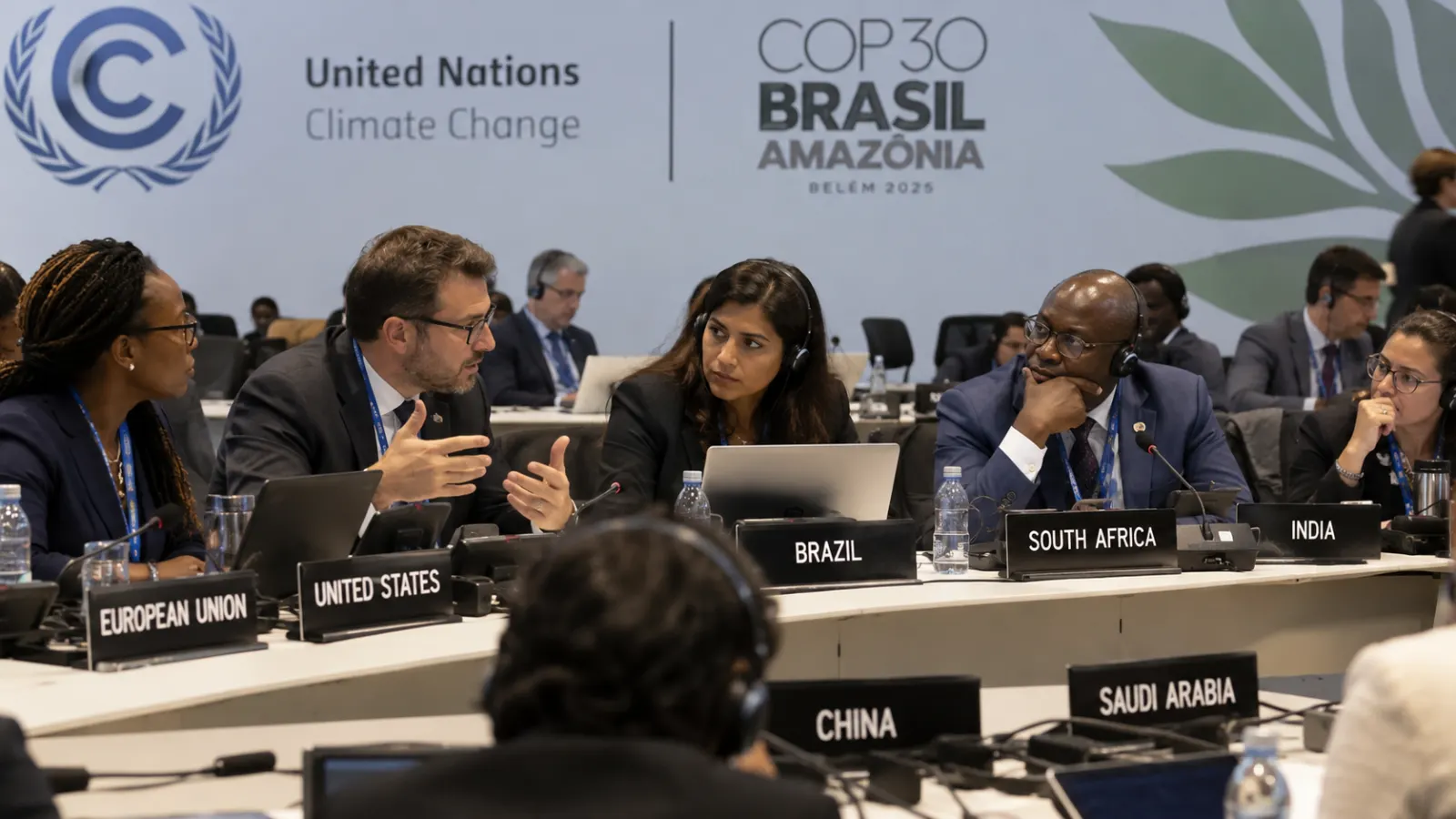
This shift is not only Western. Middle powers also practise transactional diplomacy. India, Turkey, Saudi Arabia, the UAE, Indonesia, Brazil and South Africa all balance values with interests in different ways. The result is a world where regime type matters less than bargaining utility. The danger is that democratic norms become optional accessories rather than operating principles.
Aid cuts and institutional retreat
Democracy promotion also loses ground when the institutions that fund it shrink. Freedom House has described major consequences from the 2025 US foreign-aid freeze, including the termination of large parts of its programming. CSIS has warned that cuts to democracy, human rights and governance support could undermine development gains. Whether one agrees with every programme or not, the direction is clear: external democracy support is no longer politically secure even in countries that historically funded it.
This retreat affects local actors first. Human-rights defenders, independent journalists, election monitors, legal-aid groups and anti-corruption organisations often depend on modest external support when domestic funding is blocked or politically risky. When funding vanishes suddenly, authoritarian governments do not become more tolerant; watchdogs become weaker.
India angle: a different model of democratic support
India should read this moment carefully. It does not need to imitate Western democracy promotion, with its baggage of conditionality and intervention. But India also should not retreat into silence. As a large, postcolonial, electoral democracy, India can offer a different model: democracy support as capacity-building, not moral policing.
This could include training election officials, sharing experience in large-scale voting logistics, supporting digital public infrastructure with privacy safeguards, strengthening parliamentary exchanges, assisting judicial administration, and creating South-South platforms on constitutional governance. Such initiatives would be less threatening than ideological campaigns and more consistent with India's principle of respectful partnership.
The risk of abandoning values
A purely transactional foreign policy may look practical in the short term, but it carries long-term costs. Partnerships with authoritarian regimes can become brittle because they depend on narrow ruling groups. Repression can produce instability, migration, civil conflict and radicalisation. Corruption can distort contracts. Lack of accountability can make strategic projects vulnerable to public backlash when regimes change.
Democracy promotion, at its best, is not charity. It is risk management for the international system. Societies with accountable institutions are more likely to handle dissent peacefully, honour contracts transparently and correct policy errors without collapse. This does not make democracies perfect. It makes them self-correcting in ways that closed systems often are not.
Counter-view: humility is necessary
The counter-view is strong: external democracy promotion can be arrogant, selective and ineffective. Local political cultures cannot be engineered by donors. Civil society funding can create dependency or expose activists to accusations of foreign loyalty. Elections held under external pressure can deepen conflict if institutions are weak. Sometimes stability may genuinely matter before competitive politics can function.
This critique should change the method, not erase the goal. The future of democracy support must be locally led, transparent, patient and institution-focused. It should avoid regime-change fantasies and respect national context. But it should not accept the authoritarian claim that sovereignty means freedom from all scrutiny.
What happens next
Democracy promotion will survive only if it becomes less preachy and more practical. The next generation of support will focus on election integrity, anti-corruption systems, digital rights, judicial independence, local journalism, civic education and protection for threatened activists. It will also require democracies to repair themselves at home.
Democracy promotion is losing ground in a transactional world order because interests have outrun principles. The task now is not to return to old moral lectures. It is to prove that democratic resilience is itself a strategic interest - for citizens, for markets and for global stability.
What replaced democracy promotion
In many capitals, the vocabulary of democracy has been replaced by the vocabulary of resilience, stability and strategic partnership. These words are not wrong, but they can become hiding places. Stability can mean silence about repression. Resilience can mean support for security forces without support for accountability. Strategic partnership can mean ignoring jailed journalists, captured courts or manipulated elections.
Authoritarian governments prefer this language because it treats regime behaviour as secondary to cooperation. The bargain is simple: give access to markets, bases, minerals or migration control, and external criticism will soften. This bargain may produce short-term deals, but it weakens the normative environment that protects citizens.
A better democracy agenda
The better agenda is not to export ideology. It is to strengthen conditions under which citizens can make choices safely. That means independent election management, local journalism, civic technology, anti-corruption bodies, transparent procurement, judicial training and protection for peaceful assembly. These are practical institutions, not abstract lectures.
Democracy assistance should also become more transparent. Secretive funding makes recipients vulnerable to accusations of foreign control. Open partnerships, regional platforms and locally designed programmes reduce that risk. The goal should be democratic capacity, not donor visibility.
India as a non-Western democratic partner
India can occupy a valuable middle position. It understands postcolonial suspicion of external interference, yet it also understands the scale and complexity of democratic management. Its election experience, federalism, multilingual administration and digital public goods offer lessons that many developing countries find more relatable than Western templates.
This role requires credibility. India cannot present democratic support abroad while appearing indifferent to institutional quality at home. The external value of Indian democracy depends on the internal health of Indian democracy. Foreign policy and domestic governance are no longer separate reputational worlds.
Editorial judgement
Democracy promotion is losing ground because it became associated with power preaching to weakness. It can regain ground only by becoming partnership among societies that know democracy is difficult but worth defending. The language must shift from conversion to capacity, from lectures to institutions, from conditionality to credibility.
A transactional world may ignore values for a while. But transactions without trust eventually become unstable. Democracy remains one of the few systems designed to renew trust without violence. That is why abandoning it as a foreign-policy concern is not realism; it is strategic short memory.
The credibility crisis of the promoters
Democracy promotion suffers when its champions appear selective. When a powerful democracy criticises an adversary but excuses an ally, the message received is not values but convenience. This is why many societies distrust external lectures even when they want rights for themselves. The messenger problem does not erase the message, but it weakens its force.
A credible democracy policy must be willing to criticise friends, admit domestic flaws and avoid using rights as a tactical weapon. Humility is not weakness. It is the condition for being believed.
Democracy as development strategy
The case for democracy should not be separated from development. Accountable government reduces corruption, improves service delivery, protects property and allows peaceful correction. Independent media can expose public-health failures. Courts can protect contracts. Local governments can respond to community needs. These are development functions, not ornamental freedoms.
Authoritarian systems may deliver rapid projects, but they also hide mistakes until they become crises. Democracies can be slow, but their openness allows learning. The strategic defence of democracy must show this practical value.
The future of democracy support
Future support will be less about grand ideological programmes and more about specific institutional muscles. Election cybersecurity, judicial independence, local-language journalism, civic education, parliamentary research services, anti-corruption technology and protection for women in politics will matter more than speeches about freedom.
Regional democratic networks can also reduce the Western branding problem. Democracies in Asia, Africa and Latin America should share experience directly. The defence of democracy should become multipolar, not Western-owned.
Final editorial line
Democracy promotion loses ground when it looks like a sermon. It regains ground when it looks like solidarity among citizens who know that power must answer questions.
Research Sources Used
• Freedom House, effects of US foreign aid freeze: https://freedomhouse.org/effects-us-foreign-aid-freeze-freedom-house
• Freedom House, Freedom in the World 2026: https://freedomhouse.org/report/freedom-world/2026/growing-shadow-autocracy
• CSIS, impact of democracy, human rights and governance cuts: https://www.csis.org/analysis/how-us-democracy-human-rights-and-governance-cuts-could-undermine-global-development-gains