Cultural heritage diplomacy: What It Means for India
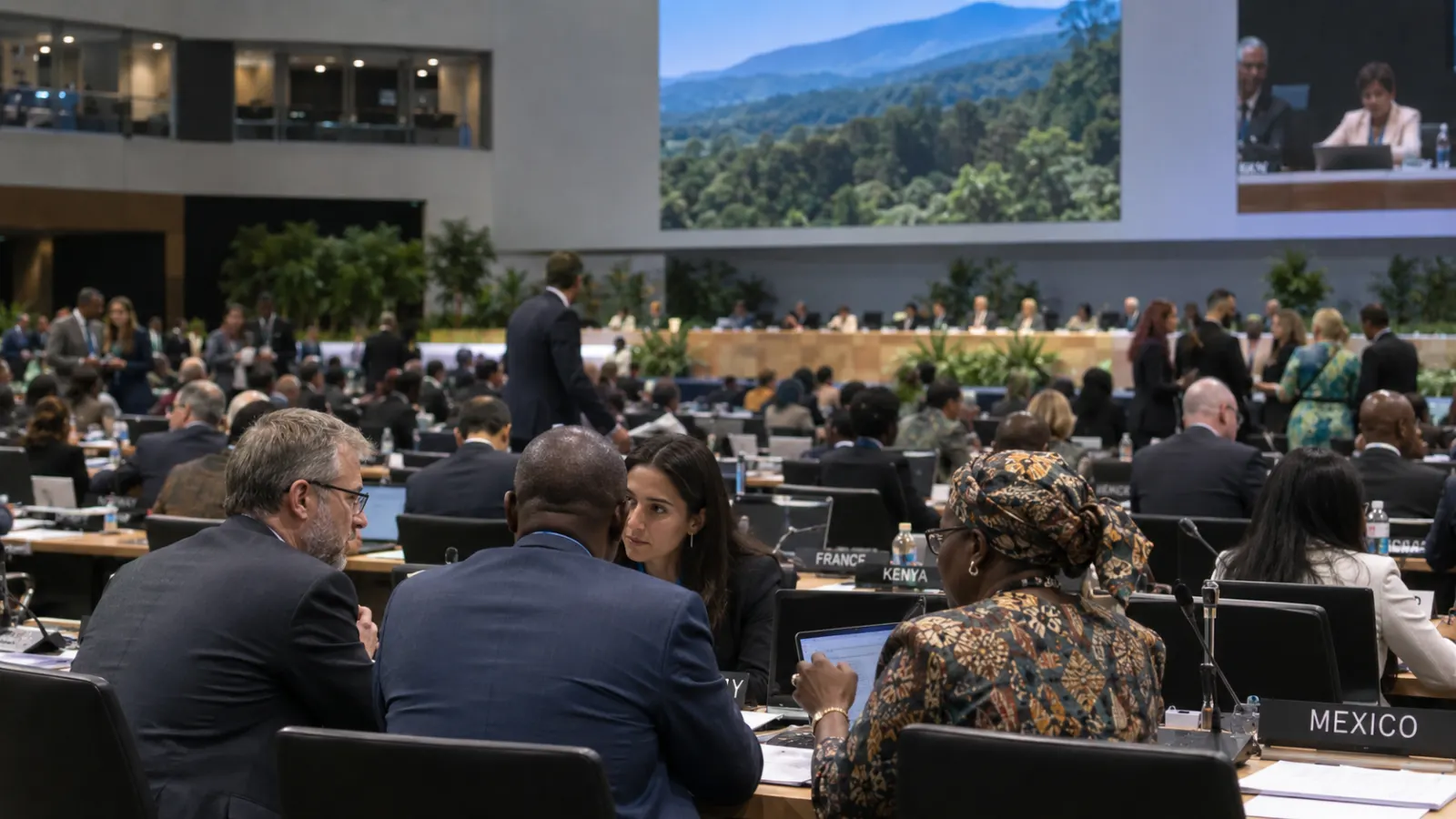
Cultural heritage was once treated mainly as memory: monuments, manuscripts, temples, museums, ruins and rituals preserved for identity. Today, it is also influence. Heritage now shapes tourism, diplomacy, restitution debates, national branding, regional claims, diaspora pride and geopolitical legitimacy. Countries compete to have their histories recognised, their artefacts returned, their sites listed, their stories taught and their civilisations respected. Cultural heritage diplomacy has become a new arena of global influence.
Why It Matters Now
India’s heritage diplomacy is gaining importance because the global order is becoming more civilisational in language. Nations are not satisfied with being seen only as GDP numbers or security actors. They want recognition of historical depth. India has 44 World Heritage Properties, according to recent government data, and a far larger civilisational landscape beyond formal UNESCO listings. The question is how to convert this inheritance into responsible influence without reducing heritage to propaganda.
Historical Roots
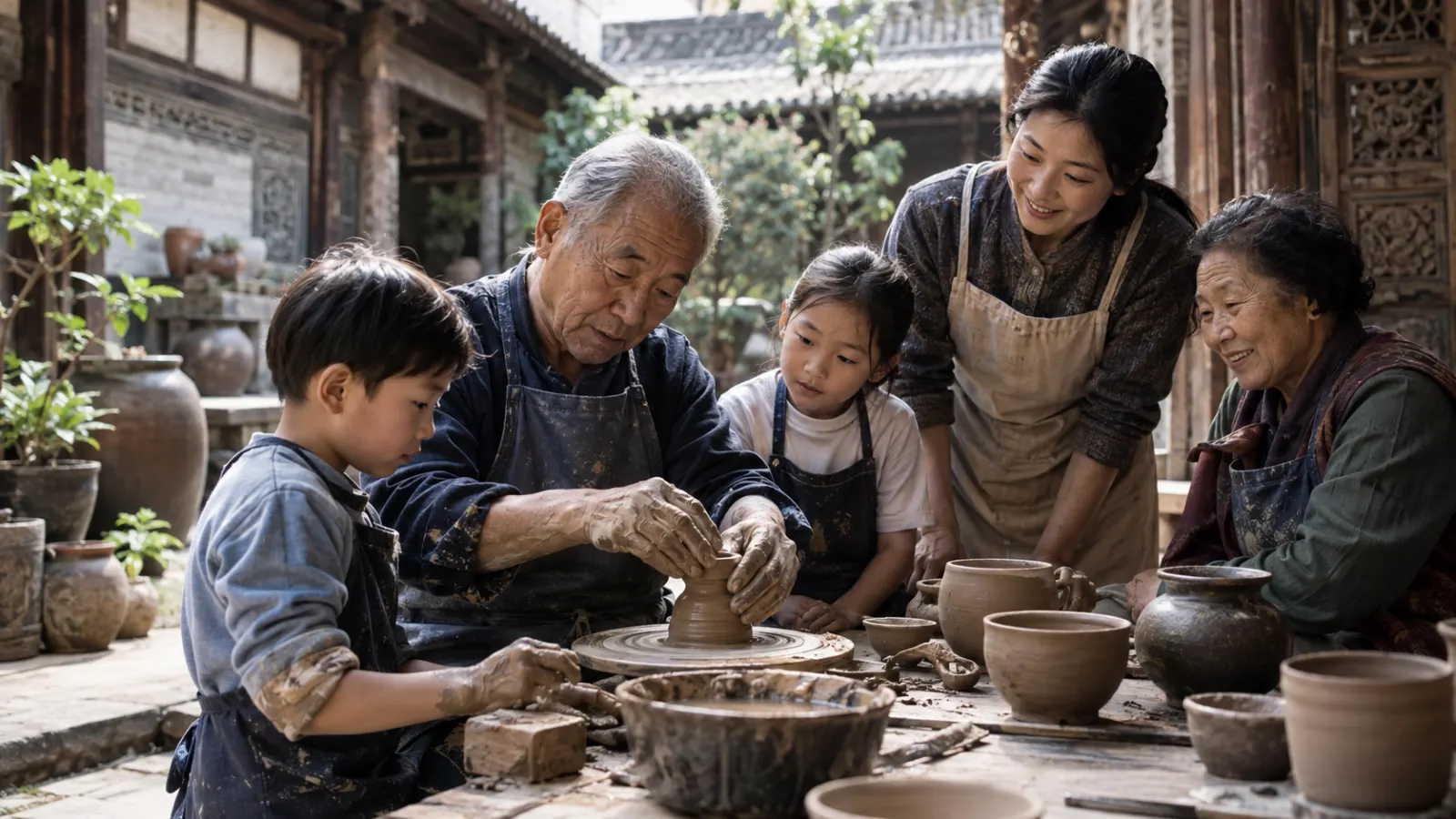
India’s heritage has travelled for centuries through religion, trade, scholarship, art and migration. Buddhist sites connect India to Sri Lanka, Myanmar, Thailand, Japan, Korea, Vietnam and beyond. Temple architecture and epics connect India to Southeast Asia. Islamic, Sikh, Jain, Christian and tribal heritage show India’s layered plural history. Colonial extraction created another dimension: artefacts in foreign museums now sit inside debates about restitution and historical justice. Heritage diplomacy is therefore about both pride and repair.
Key Dimensions
There are five dimensions. First, recognition: UNESCO listings and international exhibitions validate heritage. Second, restitution: returning artefacts can become a diplomatic gesture. Third, tourism: heritage circuits generate employment and global visibility. Fourth, conservation: preservation requires science, funding and local participation. Fifth, narrative: heritage teaches the world how a country understands itself. For India, the narrative must be expansive enough to include diversity, not narrow enough to exclude parts of its own past.
India Angle
India’s opportunity is enormous. Heritage can support tourism, local economies, global academic partnerships, diaspora engagement and regional diplomacy. But India must also improve site management, urban planning, interpretation quality, accessibility, documentation and conservation standards. A poorly maintained monument weakens the very story it is meant to tell. Cultural influence depends not only on what a civilisation inherited, but on how competently it preserves and presents that inheritance.
Global Implications
Heritage diplomacy can reshape relations. A restored Buddhist circuit can deepen Asian ties. Shared heritage exhibitions can strengthen bilateral trust. Artefact returns can reset moral relations with former colonial powers. Heritage tourism can build people-to-people contact. At the same time, heritage can also generate disputes over ownership, appropriation and historical interpretation. Cultural memory is powerful because it is emotional; that makes it useful but also risky.
Counter-view
There is a danger that heritage diplomacy becomes competitive victimhood or symbolic politics. Countries may focus on listing sites while ignoring living communities. Governments may use heritage to simplify complex histories. Tourism can damage fragile locations if not managed carefully. The best heritage policy is neither frozen nostalgia nor political spectacle. It is preservation with scholarship, community benefit and global openness.
What Happens Next
India should build a heritage diplomacy strategy that links UNESCO nominations, museum partnerships, academic research, digital archives, local livelihoods, conservation training and diaspora engagement. It should also invest in storytelling: multilingual visitor centres, virtual reconstructions, school curricula, documentaries and global exhibitions. Heritage that is not explained remains underused power.
Editorial Insight
Cultural heritage is not only the past. It is the archive from which nations claim dignity in the present. India’s task is to make heritage a bridge, not a battleground; a source of confidence, not insecurity; and a form of influence grounded in preservation rather than possession.
Source Notes for Verification
• MEA - Population of Overseas Indians
• PIB/Ministry of Culture - UNESCO World Heritage Sites in India
• UNESCO World Heritage Centre
• Study in India portal
• PMO/MEA - Nalanda University campus inauguration