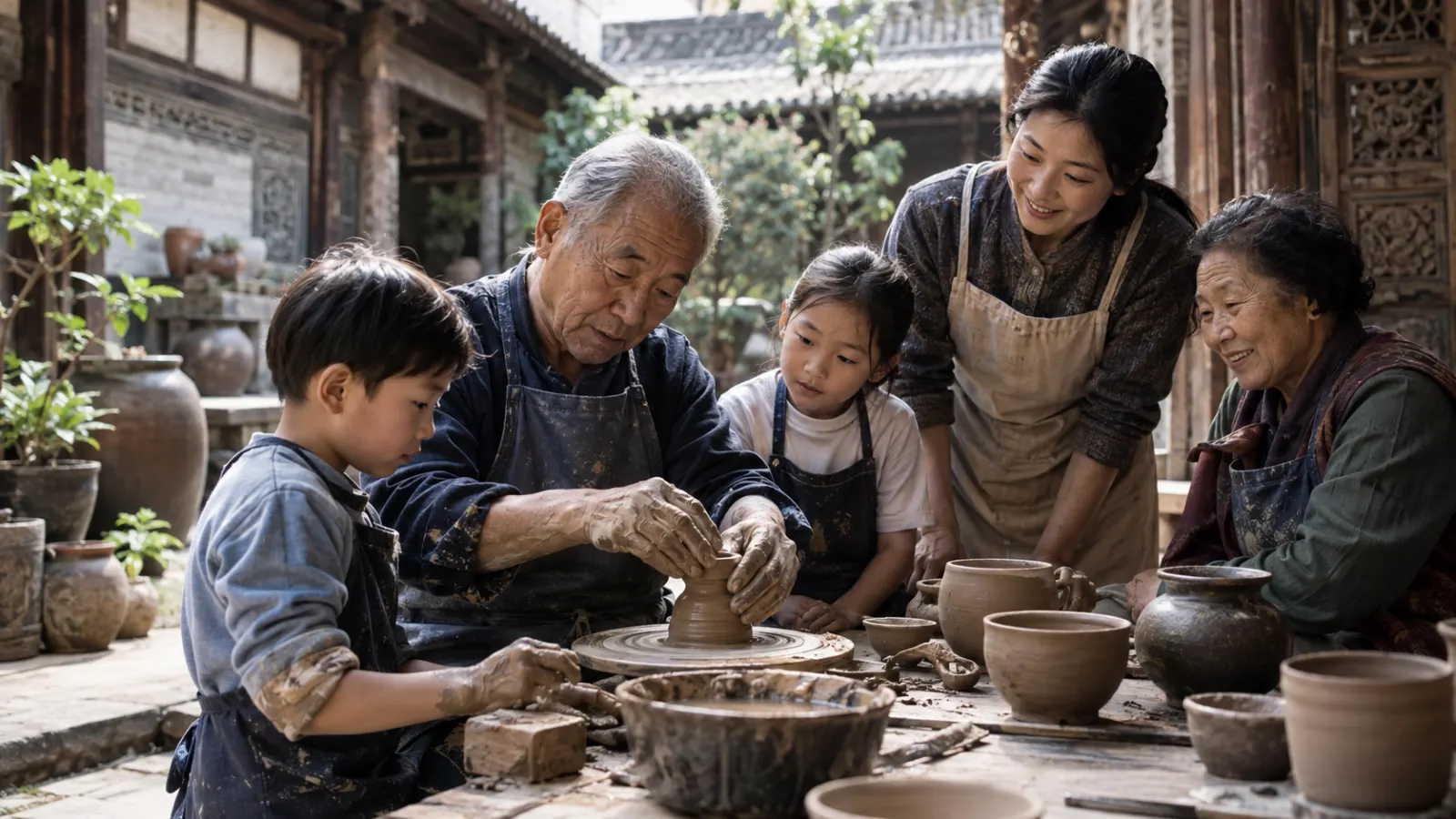
A museum is never just a building. A temple is never just a place of worship. An artefact is never just an object.
Each carries memory. Each carries authority. Each silently answers a political question: who are we?
For a long time, heritage was treated as something old, quiet and decorative. Statues stood behind glass. Temple walls carried carvings. Museum labels spoke in neutral language. Schoolchildren walked through galleries, tourists took photographs, and governments occasionally announced restoration projects. Culture appeared to belong to the past.
But in the twenty-first century, heritage has returned to the centre of politics.
Museums are now battlegrounds of historical interpretation. Temples are not only sacred spaces but identity markers. Artefacts are no longer passive objects; they are evidence, symbols, diplomatic claims and emotional property. What earlier looked like archaeology now looks like political memory.
India is living through this shift intensely.
A stolen bronze returned from abroad is not seen only as a successful law-enforcement case. It is seen as a civilisational homecoming. A temple restoration is not seen only as conservation. It becomes a statement of cultural reclamation. A museum project is not only about display. It becomes a question of whose history will be placed at the centre and whose will be pushed to the margin.
This is why museums, temples and artefacts have entered the politics of identity.
Heritage Is No Longer Neutral
The idea that heritage is neutral is one of the great illusions of modern society.
Every museum selects. Every archive excludes. Every textbook simplifies. Every monument gives importance to one memory over another. A gallery that displays one civilisation in glory and another in footnotes is making a political choice. A museum that labels an object as “colonial acquisition” or “stolen heritage” changes how the viewer understands power. A temple that is renovated, televised and placed in national discourse becomes more than a religious structure. It becomes part of public identity.
That does not automatically make heritage politics wrong. All societies need memory. All nations require symbols. People cannot live only through GDP numbers, infrastructure targets and policy documents. They need stories that tell them where they come from and why they matter.
But when heritage becomes political, a serious danger also appears: memory can become selective.
The question is not whether culture should matter in public life. It must. The question is whether culture will be used to deepen understanding or narrow identity.
The Return of Artefacts and the Return of Self-Respect
One of the clearest signs of this global shift is the rising demand for the return of stolen and trafficked artefacts.
For centuries, objects from Asia, Africa and Latin America travelled to Western museums through conquest, colonial extraction, illegal trade, forced sales, looting and unequal power relationships. Many objects did not simply “move” from one country to another. They were taken from societies that lacked the political power to resist.
Today, those societies are asking for them back.
India has increasingly made artefact repatriation part of its cultural diplomacy. A May 2026 Government of India release stated that India had repatriated 666 antiquities from various countries, including 653 since 2014, through diplomatic, legal and institutional efforts involving the Ministry of Culture, ASI, Indian missions abroad and enforcement agencies.
The United States has become a major site of such returns. In September 2024, the Ministry of External Affairs said the US had facilitated the return of 297 antiquities that had been stolen or trafficked from India. In April 2026, the Manhattan District Attorney’s Office announced the return of 657 antiquities, collectively valued at nearly $14 million, to India, with many pieces recovered from investigations into trafficking networks linked to Subhash Kapoor and Nancy Wiener.
These numbers matter, but the symbolism matters more.
When a stolen deity returns, it is not merely an object returning to a country. It is a broken relationship being repaired. In many Indian traditions, an idol is not just sculpture. It is sacred presence. When such objects are stolen from temples and sold as “art” in international markets, the damage is not only financial. It is spiritual, cultural and communal.
This is why repatriation produces such emotional force. It turns cultural loss into national recovery.
The Global Rulebook Is Changing
The politics of artefacts is not only emotional. It is also legal.
UNESCO’s 1970 Convention provides an international framework for preventing the illicit import, export and transfer of cultural property. UNESCO describes it as a common framework that urges states to prohibit and prevent illicit trafficking of cultural property. The convention also expects states to cooperate in facilitating the restitution of illicitly exported cultural property to its rightful owner.
This is important because heritage disputes cannot be solved only by moral outrage. They require documentation, provenance research, legal cooperation, museum transparency and diplomatic persistence.
The difficulty is that many older removals happened before modern legal frameworks existed. This creates a grey zone. Some museums argue that objects were acquired legally according to the rules of that time. Former colonies argue that legality under unequal power cannot be treated as moral legitimacy.
This is the heart of the debate.
Was an artefact purchased, gifted, looted, smuggled or extracted under pressure? Who has the right to decide? Should museums return only objects proven to be stolen, or should they also return objects acquired under colonial domination? Can a museum in London, Paris or New York claim to preserve “world heritage” while refusing to confront the history of how that heritage arrived there?
These are not technical museum questions. They are political questions about memory and power.
Museums as Identity Machines
Museums do not only preserve the past. They produce public imagination.
A museum tells visitors what is important. It tells them which objects deserve reverence. It arranges time into a narrative. It decides whether a civilisation appears as continuous, broken, diverse, invaded, glorious, wounded or reborn.
That is why museum design is political.
India’s planned Yuge Yugeen Bharat National Museum in New Delhi is a major example. The government has said the North and South Blocks will house the new national museum as part of the Central Vista redevelopment, presenting India’s civilisational and cultural heritage across thousands of years.
Such a project has enormous potential. India needs museums that match the depth of its civilisation. It needs institutions that can display Harappan urbanism, Vedic traditions, Buddhist networks, Jain philosophy, temple architecture, Islamic art, Bhakti and Sufi traditions, tribal cultures, colonial encounters, freedom struggles, constitutional democracy, scientific achievements and modern creativity in one sophisticated narrative.
But precisely because the project is so significant, it also raises difficult questions.
Will India’s past be shown as layered or linear? Will the museum celebrate civilisational continuity without flattening internal diversity? Will it give space to regional cultures, tribal traditions, Buddhist heritage, Jain contributions, Islamic architecture, Sikh history, Christian communities, colonial modernity and constitutional values? Will it allow complexity, or will it become a grand theatre of selective pride?
These questions are not anti-national. They are necessary.
A confident civilisation does not fear complexity. It can honour its roots without erasing its branches.
Temples as Memory and Power
Temples occupy a unique place in India’s identity politics because they combine faith, architecture, local memory, ritual practice and historical grievance.
A temple is not just a heritage site. It is a living institution. It may be a place of worship, a marker of caste and community relations, a centre of festivals, an economic ecosystem, a symbol of regional pride and a political reference point.
This makes temple heritage very powerful — and very sensitive.
Restoring temples can be an act of cultural preservation. It can revive craftsmanship, protect sculpture, strengthen tourism, renew local economies and reconnect communities with their past. But temple politics can also become exclusionary when it treats history as revenge rather than recovery.
India must therefore draw a careful line.
To restore a temple is legitimate. To study temple destruction, patronage, reconstruction and continuity is legitimate. To recover stolen temple idols is legitimate. To protect sacred geography is legitimate.
But to reduce India’s entire civilisational story to temple injury alone would be intellectually weak and politically dangerous. Indian history is larger than destruction. It includes creation, exchange, absorption, conflict, synthesis and renewal.
A mature heritage policy must protect temples without turning every stone into a weapon.
Artefacts and the Politics of Ownership
The politics of artefacts asks a deceptively simple question: who owns the past?
Is an artefact owned by the state within whose borders it was found? By the community that worshipped it? By the museum that preserved it for decades? By humanity as a whole? By the descendants of those who created it?
There is no easy answer.
Some artefacts are sacred. Some are archaeological. Some are artistic. Some are funerary. Some are political. Some were found in excavations. Some were stolen from active temples. Some were taken during colonial expeditions. Some were traded legally but under morally unequal conditions.
This means a single rule cannot solve all cases.
A sacred idol stolen from a temple should not be treated like a decorative object. Human remains should not be treated like educational specimens. Objects acquired through proven smuggling networks must be returned. Colonial-era acquisitions require deeper ethical review. Shared exhibitions may work in some cases; full restitution may be necessary in others.
The future of heritage diplomacy will depend on this ability to distinguish.
Identity politics becomes destructive when it treats every object as a slogan. Scholarship becomes arrogant when it treats every emotional claim as irrational. The responsible path lies between the two.
The Risk of Turning History Into Propaganda
There is a genuine danger in the current heritage moment.
When governments discover the political power of culture, they may be tempted to convert history into propaganda. Museums can become instruments of state messaging. Temples can become electoral symbols. Artefacts can become proof of superiority rather than windows into complexity.
This is not an Indian problem alone. It is global.
Countries everywhere are re-curating their pasts. Former empires are being pressured to confront colonial plunder. Postcolonial states are reclaiming lost heritage. Indigenous communities are demanding the return of sacred objects. Museums in the West are rethinking labels, ownership and provenance. Nationalist movements are using history to build emotional legitimacy.
The result is a worldwide struggle over memory.
For India, the danger is double. On one hand, India must not accept colonial narratives that diminished its civilisation. On the other hand, India must not replace colonial simplifications with nationalist simplifications.
A serious civilisation does not need a fake past. It needs a fuller past.
Heritage as Diplomacy
Artefacts also now shape diplomacy.
When a foreign government returns stolen antiquities to India, it sends a message: we recognise your cultural memory. When India displays returned artefacts, it sends another message: we are reclaiming our civilisational dignity. When museums cooperate across borders, they create cultural trust. When they refuse transparency, they deepen resentment.
This is why heritage diplomacy matters.
India’s soft power has often rested on yoga, Buddhism, Bollywood, cuisine, diaspora networks and democratic pluralism. Artefact repatriation adds another layer. It allows India to speak as a civilisation wounded by colonialism and trafficking, but also as a modern state capable of legal negotiation and global cooperation.
However, heritage diplomacy must avoid becoming only symbolic. Returning artefacts is important, but India must also improve preservation within India. A sculpture brought back from New York should not disappear into poor storage. A recovered idol should be properly documented, protected and, where appropriate, returned to its living religious context.
Repatriation without conservation is incomplete.
The Documentation Challenge
India’s heritage challenge is not only foreign. It is domestic.
Many objects were stolen because they were poorly documented. Many temples and local museums lacked strong inventories. Villagers often knew what had disappeared long before official records did. Smuggling networks exploited weak surveillance, poor cataloguing and low awareness.
This is why documentation is essential.
The National Mission on Monuments and Antiquities was launched in 2007 to document India’s built heritage and antiquities, and its official portal describes objectives such as documentation, creating awareness and facilitating heritage management.
But the scale of India’s heritage is enormous. Temples, monasteries, stepwells, forts, manuscripts, sculptures, inscriptions, coins, ritual objects and local shrines are spread across thousands of sites. Protecting them requires digitisation, local participation, police training, museum reform, community reporting systems and international database cooperation.
India cannot reclaim what it cannot identify.
The Democratic Question
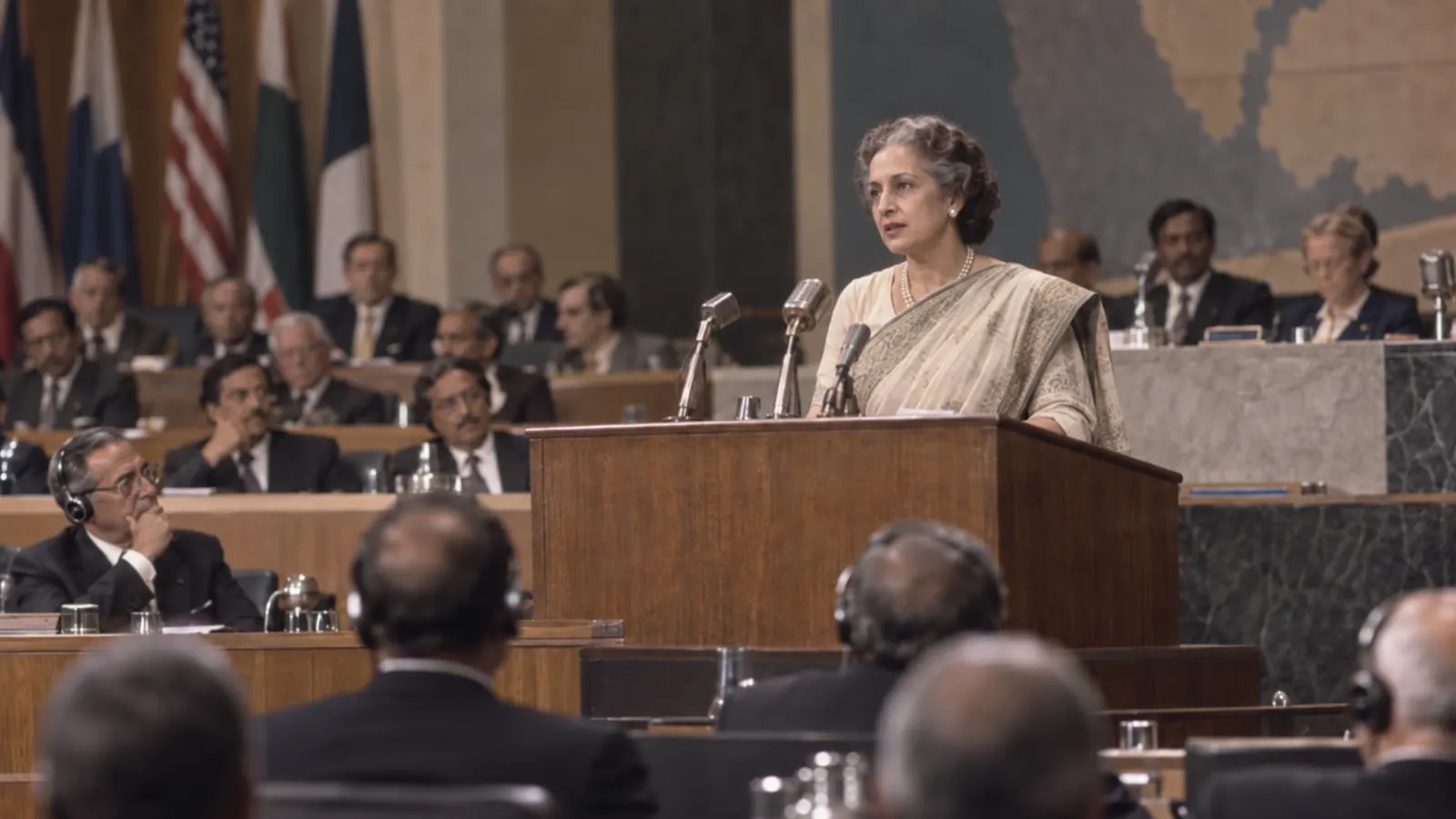
The politics of heritage ultimately raises a democratic question: who gets to narrate the nation?
If heritage is controlled only by the state, it risks becoming official memory. If it is controlled only by academics, it may become inaccessible to ordinary citizens. If it is controlled only by religious groups, it may become sectarian. If it is controlled only by markets, it becomes luxury property.
A democratic heritage culture must include many voices: historians, archaeologists, local communities, priests, monks, conservators, museum professionals, schoolteachers, artists, tribal groups, regional scholars and citizens.
This is especially important in India because India’s civilisation is not a single line. It is a vast civilisational web.
It includes Sanskrit and Tamil, Pali and Prakrit, Persian and Urdu, tribal oral traditions and modern Indian languages. It includes temples, stupas, mosques, churches, gurudwaras, forts, palaces, caves, universities and ports. It includes conquest and coexistence, hierarchy and reform, devotion and dissent, philosophy and everyday life.
If museums and heritage policy cannot reflect this complexity, they will fail India.
What India Should Do
India needs a serious heritage strategy for the next generation.
First, every major museum should publish stronger provenance records. Citizens should know where objects came from, how they were acquired and whether ownership is disputed.
Second, India should create a more accessible national digital antiquities register. Documentation should not remain hidden in bureaucratic files.
Third, temple theft prevention should become a specialised policing priority. Sacred objects in vulnerable rural sites need inventories, photographs, local alerts and fast reporting systems.
Fourth, repatriated artefacts should be displayed with their full stories. The public should know not only what the object is, but how it was stolen, trafficked, recovered and returned.
Fifth, museums must become intellectually richer. They should not be dusty warehouses or propaganda halls. They should be spaces where citizens learn to handle complexity.
Sixth, heritage diplomacy should be expanded. India should negotiate more cultural property agreements, support international investigations into trafficking networks and collaborate with museums willing to return or share disputed objects transparently.
Finally, India must invest in conservation training. Reclaiming artefacts is meaningless if the country lacks enough experts to preserve them.
The Larger Editorial Point
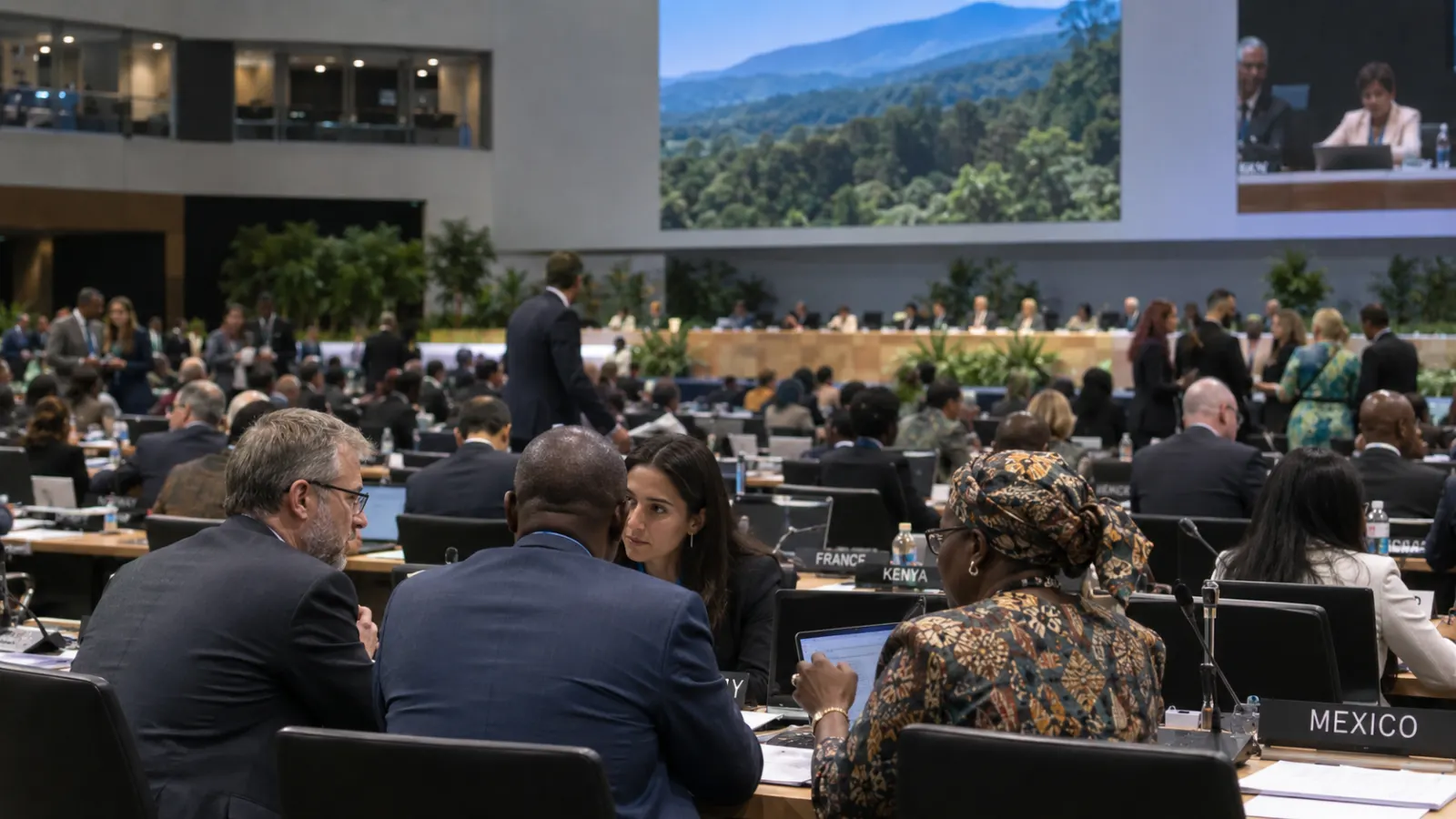
Museums, temples and artefacts have entered the politics of identity because societies are no longer willing to let others narrate their past.
This is understandable. For too long, many civilisations were studied, classified and displayed by outsiders. Their sacred objects were turned into collectibles. Their histories were reduced to museum labels. Their memories were stored in foreign capitals.
India’s desire to reclaim its heritage is legitimate. Its demand for stolen artefacts is justified. Its effort to build grand museums is necessary. Its temple conservation is culturally important.
But the politics of identity must not become the politics of exclusion.
The purpose of heritage should be to deepen civilisational confidence, not manufacture civilisational insecurity. A recovered artefact should teach dignity, not hatred. A museum should expand memory, not narrow it. A temple should connect people to faith and history, not reduce the past to permanent grievance.
The past deserves respect. But it also deserves honesty.
India does not need to invent greatness. It has enough real greatness to preserve, study and share. The challenge is to build a heritage culture that is proud without being fragile, rooted without being closed, and civilisational without being simplistic.
Because a civilisation is not protected only by bringing its artefacts home.
It is protected when its people learn how to remember wisely.