Wildlife Conservation Explained: Why Protecting Species Means Protecting Ecosystems
Wildlife conservation is often represented by an endangered tiger, elephant, rhino, whale or rare bird. Those species can be important conservation priorities, but protecting wildlife involves far more than preventing a few iconic animals from disappearing.
Wildlife conservation is the protection and management of wild species, their habitats, genetic diversity and the ecological relationships that allow populations and ecosystems to persist over time.
A species kept alive only through permanent emergency intervention is not the same as a healthy wild population living within a functioning ecosystem. Effective conservation therefore asks broader questions: Is enough habitat protected? Can populations move between habitats? Is genetic diversity being maintained? Are threats actually declining? Can local communities coexist with wildlife? Are ecosystems still performing their ecological functions?
This wider understanding is increasingly reflected in international biodiversity policy. The Convention on Biological Diversity treats conservation alongside sustainable use and equitable benefit-sharing, while the Kunming-Montreal Global Biodiversity Framework calls for more effective, connected and equitably governed conservation systems rather than simply protecting isolated patches of land.
What Is Wildlife Conservation?
In simple terms, wildlife conservation means keeping wild species and the ecosystems they depend on capable of surviving and functioning over the long term.
That includes protecting threatened species, but it also means maintaining:
- sufficiently large and viable populations,
- natural habitats,
- genetic diversity,
- ecological processes,
- movement between populations,
- sustainable relationships between people and wildlife.
Conservation therefore operates at several levels simultaneously.
At the species level, it may involve preventing extinction or helping a depleted population recover.
At the habitat level, it may involve protecting forests, wetlands, grasslands, rivers, coastal areas or breeding sites.
At the ecosystem level, conservation seeks to preserve interactions among predators, prey, pollinators, plants, decomposers and other organisms.
At the genetic level, it aims to maintain enough diversity within populations for species to remain resilient to disease and environmental change.
This is why wildlife conservation is better understood as a system than as a collection of rescue projects.
Why Wildlife Conservation Matters
Wildlife is part of the biological infrastructure on which human societies depend.
Plants and animals participate in pollination, seed dispersal, nutrient cycling, decomposition, soil processes, food webs and regulation of populations. Fisheries depend on functioning aquatic ecosystems. Agriculture depends partly on soils, water, pollinating organisms and genetic resources. Forests, wetlands, mangroves and other ecosystems can contribute to water regulation, carbon storage and protection from environmental hazards.
But wildlife does not need to be economically profitable to deserve conservation.
Species also have scientific, cultural, ethical and intrinsic significance. Many are embedded in religious traditions, Indigenous knowledge systems, local identities and cultural histories.
The case for conservation is therefore broader than assigning a monetary price to nature.
Healthy ecosystems can support economies and human wellbeing, but conservation also reflects a decision about how much biological diversity humanity is willing to destroy permanently.
Biodiversity Is More Than the Number of Species
Biodiversity is often reduced to a count of species, but biological diversity operates at several levels.
Genetic diversity refers to variation within species.
Species diversity concerns the variety and distribution of different species.
Ecosystem diversity concerns the range of habitats, ecological communities and systems across landscapes and seascapes.
A species may survive in numerical terms while losing much of its genetic diversity. A forest may retain many species while losing key ecological interactions. A population may remain large inside one reserve while disappearing everywhere else.
Conservation therefore cannot be measured only by asking whether a species still exists.
The deeper question is whether it remains ecologically viable and resilient.
Conservation Protects Ecological Relationships
Species do not operate independently.
Predators influence prey numbers and behaviour.
Herbivores shape vegetation.
Pollinators allow many flowering plants to reproduce.
Seed dispersers move plants across landscapes.
Scavengers help process animal remains.
Decomposers return nutrients to ecological systems.
When a species becomes very rare, its ecological role may decline long before global extinction occurs.
A pollinator can become too scarce to pollinate effectively. A predator can disappear from a food web even though a few individuals survive elsewhere. A seed-dispersing animal may no longer move enough seeds to sustain forest regeneration.
This phenomenon is sometimes described as ecological or functional loss.
Conservation therefore seeks to maintain not only species but also the relationships that make ecosystems work.
Genetic Diversity Can Determine Whether a Population Survives
Population size alone does not guarantee security.
Small and isolated wildlife populations can lose genetic variation over generations. Inbreeding may increase, adaptability may decline and vulnerability to disease or environmental change can rise.
This is why conservationists often focus on maintaining multiple connected populations rather than protecting only a single site.
Connectivity can allow individuals to move between populations and reproduce, maintaining gene flow.
For species fragmented by roads, cities, farms or infrastructure, wildlife corridors or other forms of landscape connectivity can sometimes help restore movement.
The principle is especially important as climate conditions change.
A protected habitat that is suitable today may become less suitable in future decades. Species able to move across connected landscapes may have greater opportunities to track changing temperature, rainfall, vegetation and breeding conditions.
Protected Areas Matter—but Numbers Alone Are Not Enough
Protected areas remain one of the most important tools available for conservation.
They can protect breeding sites, migration routes, forests, wetlands, coral reefs and other habitats from destructive pressures.
The Kunming-Montreal Global Biodiversity Framework includes the widely discussed goal of conserving and effectively managing at least 30% of terrestrial, inland-water, coastal and marine areas by 2030, particularly areas important for biodiversity and ecosystem functions.
But the 30% target should not be treated as a simple map-colouring exercise.
A nominal protected area can still fail biologically.
A reserve may exist legally while illegal exploitation continues. It may protect an isolated fragment too small to maintain viable populations. Management may be underfunded. Local communities may have little participation. Important migration corridors may remain outside its boundaries.
Effective conservation therefore depends on where protected areas are located, how they are connected, how they are managed and whether ecological outcomes improve.
Thirty percent of poorly selected or poorly managed habitat is not equivalent to a functioning conservation network.
Modern Conservation Includes People
Older conservation approaches sometimes treated human activity and wildlife protection as inherently incompatible.
That assumption is increasingly being replaced by more nuanced models.
Many biodiverse landscapes are also places where people live, farm, fish, graze animals, gather forest products or maintain cultural relationships with the environment.
The Convention on Biological Diversity recognises both conservation and sustainable use. Modern international frameworks also place greater emphasis on the participation, knowledge and rights of Indigenous peoples and local communities.
This is partly an ethical issue.
It is also practical.
Conservation rules imposed without legitimacy can generate resistance, illegal use and conflict. Communities that bear the costs of wildlife protection while receiving few benefits may have little incentive to support it.
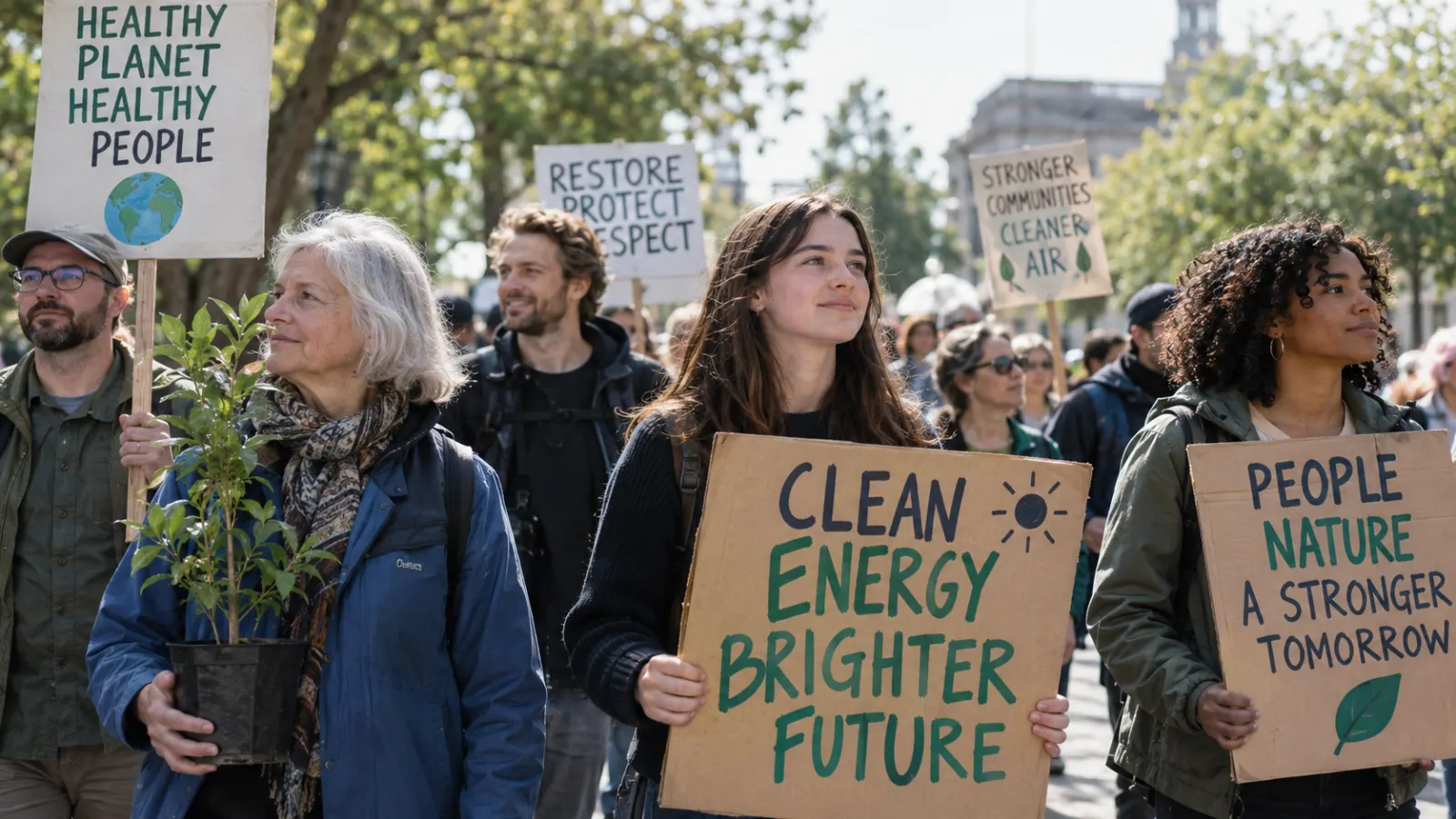
Durable conservation often requires local participation, fair decision-making and institutions capable of distributing both costs and benefits more equitably.
Sustainable Use Can Be Compatible With Conservation
Conservation does not always mean eliminating human use of wildlife.
People rely on wild species for food, materials, medicine, income, recreation and cultural practice.
The important distinction is between use and unsustainable use.
Fishing, gathering, forestry and harvesting can sometimes continue without causing long-term population decline when ecological limits are understood and effectively governed.
In other situations, exploitation exceeds reproduction or damages habitat so severely that populations collapse.
The IPBES assessment on sustainable use of wild species emphasises this complexity.
The conservation question is therefore not simply:
Are people using wildlife?
It is:
Can that use continue without degrading the population, ecosystem and future resource base?
What Causes Wildlife Decline?
There is rarely one universal cause of biodiversity loss.
Different species face different combinations of pressures, including:
- habitat destruction and fragmentation,
- overexploitation,
- invasive species,
- pollution,
- climate change,
- disease,
- illegal wildlife trade,
- accidental mortality such as bycatch,
- and conflict with people.
Successful recovery therefore requires identifying the actual driver of decline.
If a seabird population is collapsing because of invasive predators on breeding islands, protecting it from hunting alone will accomplish little.
If marine animals are dying because of fishing bycatch, captive breeding does not solve the underlying problem.
If forest species are losing habitat to fragmentation, increasing their numbers temporarily without protecting habitat may simply delay another decline.
Conservation works best when intervention targets the cause, not merely the symptom.
In-Situ vs Ex-Situ Conservation
Wildlife conservation can broadly be divided into in-situ and ex-situ approaches.
| Approach | Meaning | Examples |
|---|---|---|
| In-situ conservation | Protecting species within their natural ecosystems | Protected areas, habitat restoration, wildlife corridors, sustainable management |
| Ex-situ conservation | Conserving organisms or genetic material outside natural habitat | Zoos, captive breeding, seed banks, tissue collections, botanical gardens |
In-situ conservation is usually central because it maintains not only organisms but also their ecological relationships.
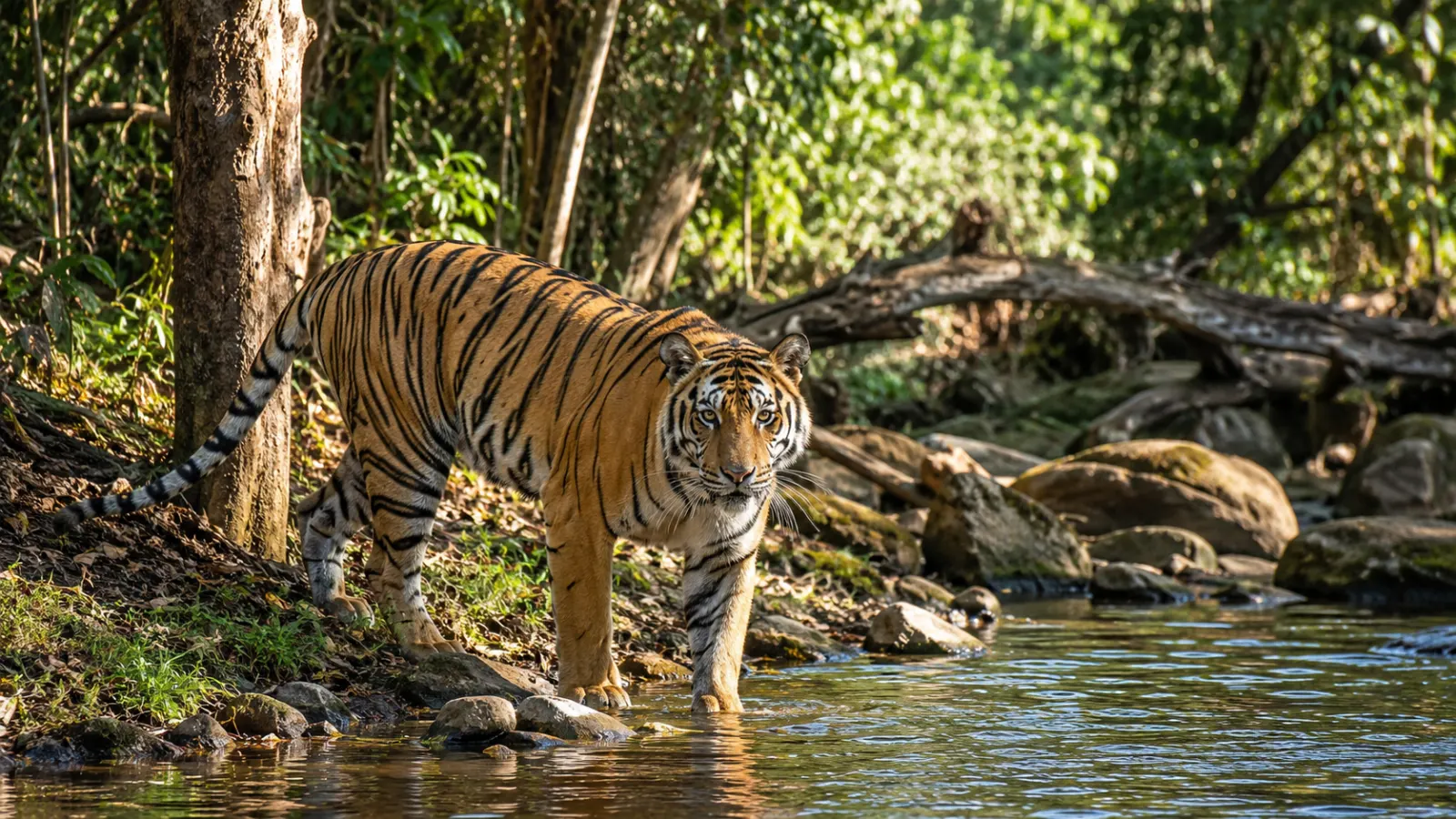
A tiger in a breeding facility is still biologically a tiger, but it is no longer performing the ecological role of a large predator within a wild food web.
Ex-situ conservation nevertheless can be extremely valuable.
For critically small populations, captive breeding or genetic storage can provide insurance against complete extinction. Some species may eventually be reintroduced after threats in the wild have been reduced.
The two approaches are therefore not necessarily competitors.
Ex-situ conservation can support recovery, but it generally cannot substitute permanently for functioning natural habitat.
Wildlife Corridors and Connectivity
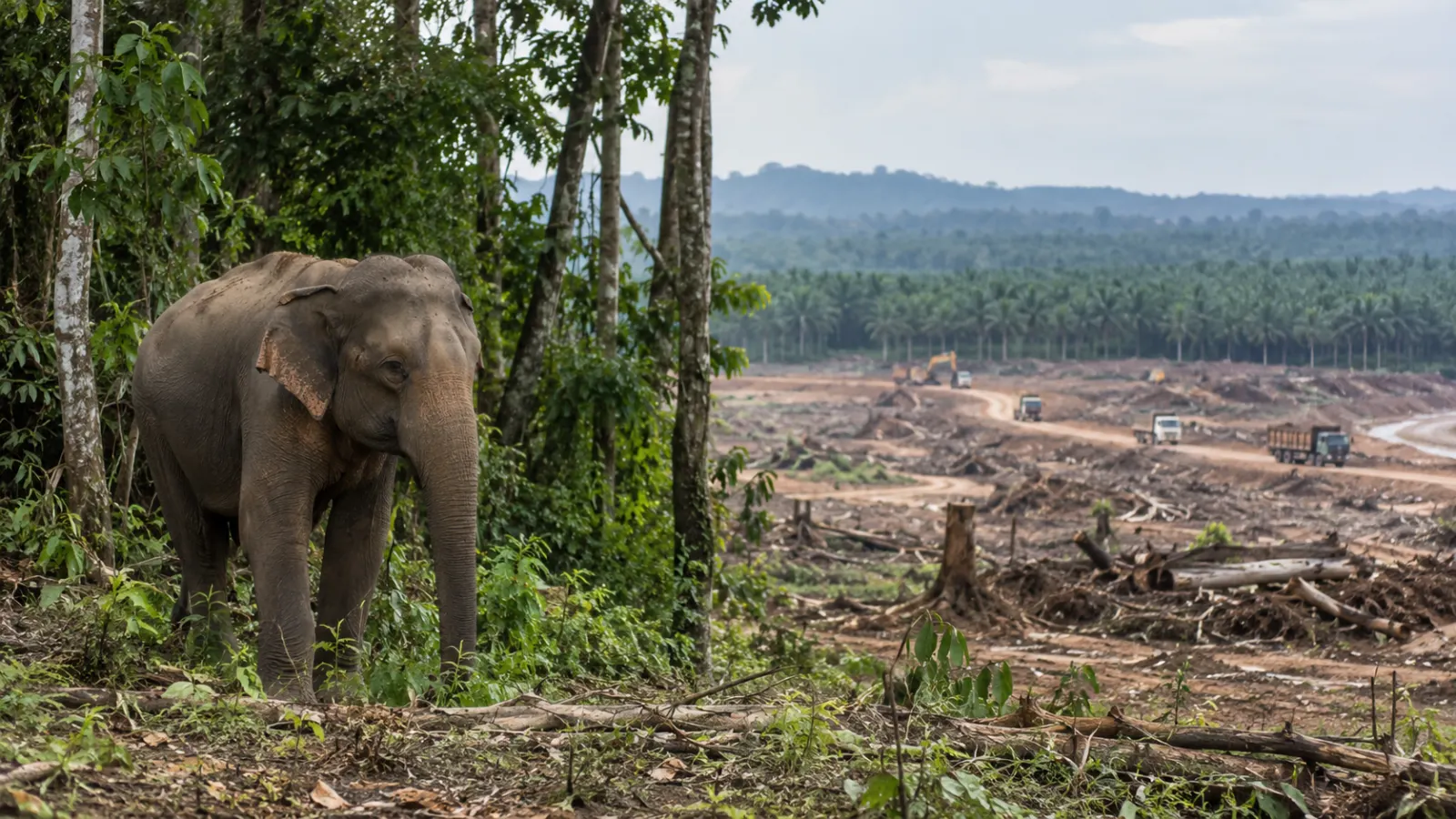
Protected areas are often separated by farms, roads, settlements and other infrastructure.
For animals that require large ranges or seasonal migration, isolated reserves may not be enough.
Wildlife corridors and broader landscape planning seek to maintain connections between suitable habitats.
Connectivity can allow:
- migration,
- dispersal of young animals,
- genetic exchange,
- recolonisation after local population loss,
- movement as climate conditions change.
However, corridors are not automatically beneficial in every situation. Poorly designed connections can potentially spread disease, increase conflict or expose animals to new hazards.
Like other conservation interventions, they need to be designed for the biology of particular species and landscapes.
The broader principle remains important: conservation increasingly needs to think in networks rather than isolated islands.
Human-Wildlife Conflict Can Undermine Conservation
Conservation success can itself create new challenges.
Recovering elephant populations may damage crops.
Large predators may kill livestock.
Wild animals can cause injuries, threaten livelihoods or compete for resources.
Telling affected communities simply to tolerate these costs is unlikely to produce durable conservation.
Human-wildlife coexistence therefore requires practical risk reduction.
Depending on the species and region, measures can include better livestock protection, crop barriers, early-warning systems, land-use planning, insurance, compensation programmes and community participation.
No system can eliminate every conflict.
The objective is to reduce both the frequency of harmful encounters and the unfair concentration of conservation costs on particular households or communities.
Wildlife recovery must therefore be socially sustainable as well as biologically successful.
Monitoring Determines Whether Conservation Is Actually Working
Conservation policy can look impressive on paper while wildlife continues to decline.
A reserve may be announced.
A recovery programme may receive funding.
Thousands of hectares may be added to a protected-area database.
None of these automatically proves conservation success.
Actual outcomes require monitoring.
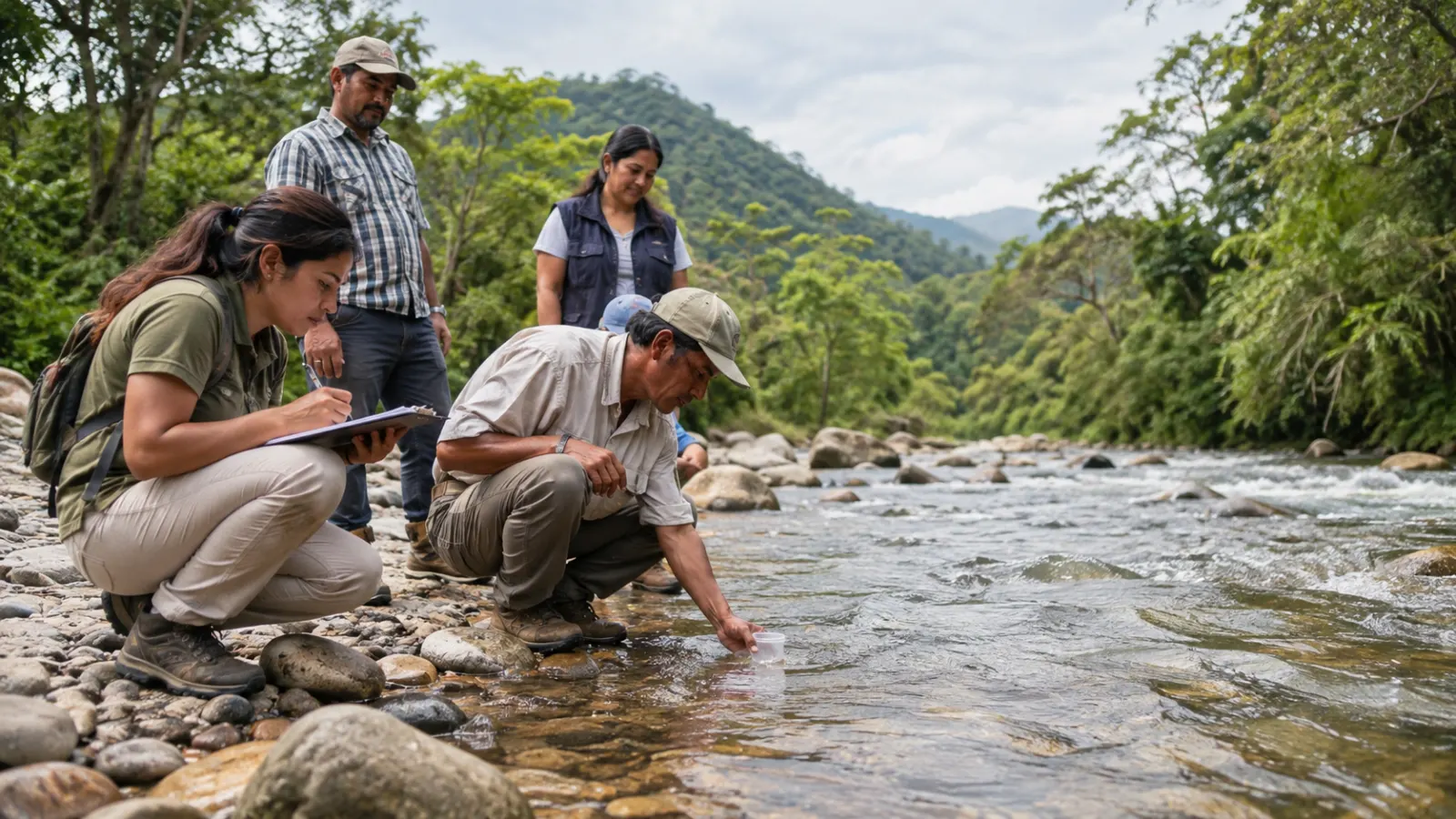
Depending on the species and ecosystem, researchers can use:
- camera traps,
- acoustic monitoring,
- satellite imagery,
- genetic sampling,
- mark-recapture studies,
- population surveys,
- community observations,
- habitat measurements.
Monitoring allows conservationists to compare objectives with results.
Is population size increasing?
Is breeding success improving?
Is habitat quality recovering?
Are threats declining?
Is genetic connectivity being maintained?
If the answer is no, management should change.
This process is often called adaptive management: conservation measures are treated as interventions whose effectiveness must be tested rather than assumed.
How Should Conservation Success Be Measured?
Counting animals can be useful, but population numbers alone can mislead.
Suppose a species increases substantially at one protected site while losing habitat everywhere else.
Has conservation succeeded?
Perhaps locally.
Not necessarily nationally or globally.
Long-term success requires several dimensions:
Population viability: Can the population reproduce and persist?
Habitat security: Is enough suitable habitat available?
Threat reduction: Have the causes of decline actually been controlled?
Genetic health: Is sufficient diversity being maintained?
Connectivity: Can populations interact where biologically necessary?
Ecological function: Is the species continuing to perform its role?
Social legitimacy: Can conservation coexist sustainably with surrounding communities?
The goal is not simply to produce more animals next year.
It is to make repeated emergency rescue unnecessary.
Conservation Has Economic Value—but Nature Is More Than an Asset
Protecting wildlife can produce substantial economic benefits.
Pollination supports agricultural production.
Healthy fisheries provide food and livelihoods.
Wetlands can store water and reduce some flood impacts.
Mangroves can reduce coastal wave energy.
Forests contribute to climate regulation, water cycles and soil stability.
Biodiversity also supplies genetic resources that can have agricultural, scientific and medical value.
Recognising these benefits can improve environmental decision-making because ecological damage is often economically invisible until systems begin to fail.
But conservation should not be reduced entirely to ecosystem-service calculations.
Species can have intrinsic, cultural and ethical significance even when economists cannot assign them a convenient market price.
The value of keeping a species alive does not disappear merely because its contribution cannot be expressed in currency.
Conservation Always Involves Trade-Offs
Environmental policy frequently involves competing interests.
Protecting predators may impose costs on livestock owners.
Fishing restrictions can reduce short-term income.
New protected areas can affect access to land and resources.
Infrastructure needed by communities can fragment habitats.
These conflicts do not mean conservation should be abandoned.
They mean governance is part of conservation.
Effective policy has to decide who pays, who benefits, whose knowledge counts and how disputes are resolved.
Compensation, local participation, transparent rules, alternative livelihoods and recognition of legitimate rights can make the difference between a conservation programme that survives and one that generates permanent conflict.
Why Wildlife Conservation Matters in a Changing Climate
Climate change adds another layer of difficulty.
A reserve established around today's climate may not contain suitable habitat for the same species several decades from now.
Changing rainfall, temperature, drought, fire regimes, sea levels and seasonal cycles can alter where species are able to survive.
Conservation therefore cannot rely exclusively on preserving static islands of nature.
Connected landscapes, habitat restoration, genetic diversity and flexible management become increasingly important because they provide more options for adaptation.
Conservation cannot eliminate climate change.
But biologically diverse and connected ecosystems generally give species—and often human communities—more options for responding to environmental change.
Frequently Asked Questions About Wildlife Conservation
What is wildlife conservation?
Wildlife conservation is the protection and management of wild species, their habitats, genetic diversity and ecological relationships so that populations and ecosystems can persist over time.
Why is wildlife conservation important?
It helps prevent extinction, preserves biodiversity and ecological functions, supports ecosystem resilience and maintains environmental, cultural, scientific and economic values.
What are the main methods of wildlife conservation?
Major approaches include protected areas, habitat restoration, wildlife corridors, sustainable-use management, threat reduction, species-recovery programmes, monitoring and ex-situ conservation such as captive breeding.
What is the difference between in-situ and ex-situ conservation?
In-situ conservation protects species in their natural ecosystems. Ex-situ conservation protects organisms or genetic material outside their natural habitat through tools such as zoos, seed banks and captive-breeding programmes.
What is the 30% conservation target?
The Kunming-Montreal Global Biodiversity Framework includes a target to effectively conserve and manage at least 30% of terrestrial, inland-water, coastal and marine areas by 2030, with emphasis on biodiversity importance, connectivity and effective and equitable governance.
Can people use wildlife and still conserve it?
Yes, in some circumstances. Sustainable use is possible when exploitation remains within ecological limits and governance prevents long-term population or ecosystem decline.
Why are wildlife corridors important?
They can connect fragmented habitats, allowing movement, dispersal, genetic exchange and adaptation to changing environmental conditions.
Is saving endangered species enough?
No. Species recovery is more durable when the habitats, ecological relationships and processes responsible for maintaining wild populations are also protected.
Wildlife Conservation Is Ultimately About Keeping Ecological Options Open
Extinction is irreversible.
When a species disappears, an evolutionary lineage and its potential ecological roles disappear with it. When habitats are destroyed or populations become permanently isolated, ecosystems lose some of their capacity to respond to future change.
Wildlife conservation therefore should not be understood simply as rescuing attractive or endangered animals.
It is about maintaining viable populations, genetic diversity, functioning habitats, ecological relationships and the capacity of human societies to coexist with the living systems around them.
Protected areas matter.
Species-recovery programmes matter.
Captive breeding can matter.
Monitoring matters.
But none is sufficient alone.
The strongest conservation strategies connect species protection with habitat management, ecological science, local participation and measurable long-term outcomes.
Conservation is ultimately about maintaining options—for ecosystems, for human societies and for generations that will inherit environmental conditions we cannot fully predict.
Protecting wildlife is therefore not a luxury added after development.
It is part of managing the biological systems within which development itself takes place.