Tiger Shroff Firing Case: Three Teams, Eight-Month Conspiracy Allegedly Behind Mumbai Attack
Mumbai Police are investigating allegations that the attack on Bollywood actor Tiger Shroff involved eight months of planning, three coordinated teams and encrypted communications. The case has also expanded with a 12th arrest and the application of organised crime provisions.
Mumbai, October 30, 2026: The investigation into the firing at Bollywood actor Tiger Shroff's car has revealed allegations of a far more elaborate conspiracy than initially suspected. Investigators believe the attack was planned over approximately eight months, with three separate groups assigned responsibilities ranging from surveillance to procuring and transporting firearms.
The latest disclosures come nearly two weeks after gunmen opened fire near the actor's vehicle in Mumbai's Juhu area on October 18. Shroff survived the incident, while his driver and a bystander sustained bullet injuries.
Police are examining the suspected involvement of individuals linked to the Lawrence Bishnoi gang, with alleged gangster Anil Pandit emerging as a central figure in the investigation.
The case has widened considerably since the initial arrests, with investigators focusing on the movement of money, digital communications, weapons and the possibility of a larger organised criminal network.
Eight Months of Planning: What Investigators Have Found
According to information emerging from the investigation, the conspiracy may have started approximately eight months before the attack.
Investigators believe those involved operated through three groups, each handling a different part of the alleged operation.
One group reportedly monitored the target's movements and gathered information about his routine. A second was responsible for obtaining weapons, while a third arranged for the firearms to be transported to Mumbai.
The division of responsibilities is being examined as evidence of an organised operation rather than an isolated act of violence.
However, the reported eight-month timeline and the precise responsibilities attributed to each group remain investigative allegations. They have not yet been established through a completed trial.
What Happened During the October 18 Attack?
The shooting occurred on the evening of October 18 near Pushpa Narsee Park in Juhu, where Tiger Shroff had reportedly been playing football.
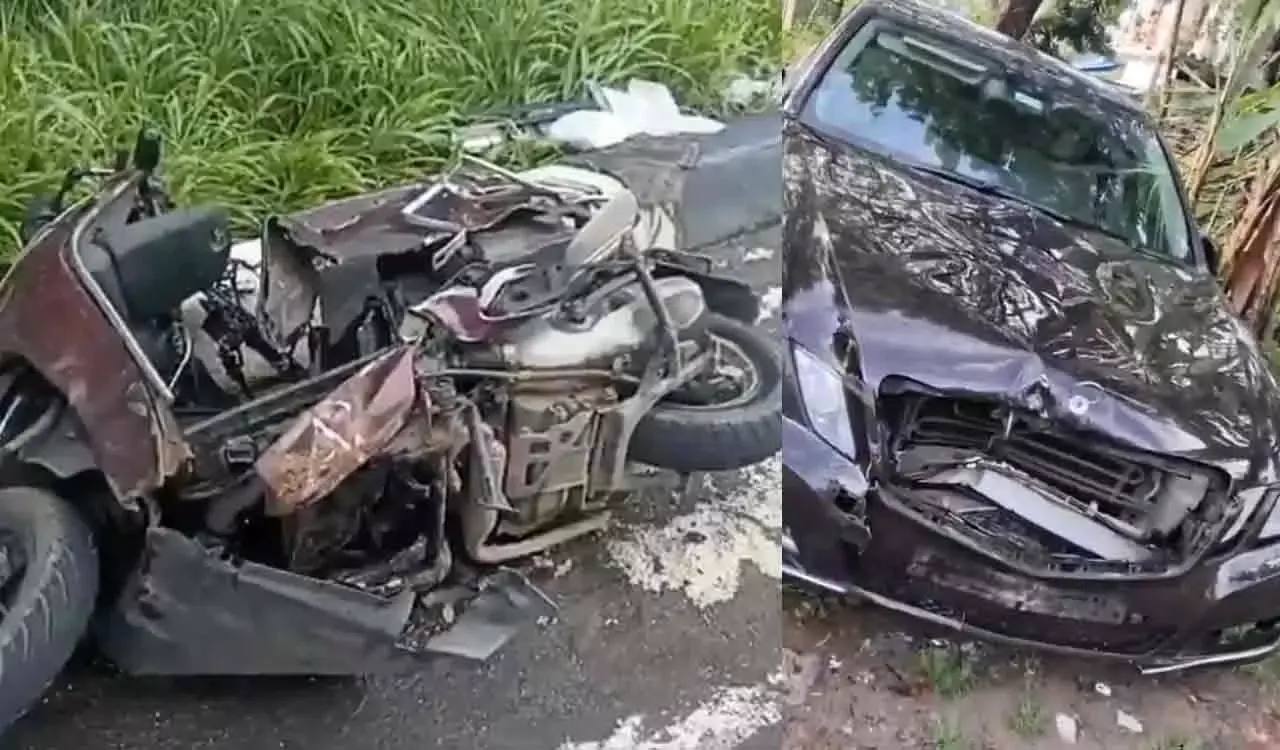
As the actor was leaving the area in a car, assailants allegedly approached on a motorcycle and fired multiple rounds at the vehicle.
Police initially reported that approximately five to six rounds were discharged.
Shroff survived the attack with relatively minor injuries, while his driver and another person nearby were injured by gunfire.
Photographs circulated following the incident showed the actor with bandages and dressings. Maharashtra Deputy Chief Minister Eknath Shinde subsequently met the actor and his family.
The shooting prompted an extensive police operation involving surveillance footage, searches and investigative teams.
A motorcycle suspected to have been used by the attackers was later recovered near Andheri railway station.
Lawrence Bishnoi Gang Link Under Investigation
One of the central questions concerns the possible involvement of the Lawrence Bishnoi criminal network.
Following the firing, a person claiming to be Anil Pandit reportedly took responsibility for the attack through online communications.
The claim suggested that Shroff had been targeted because of his association with Bollywood actor Salman Khan.
Salman Khan has previously faced threats attributed to individuals associated with the Bishnoi network.
However, police have also outlined a broader suspected motive that includes financial gain, establishing criminal dominance and creating fear within the entertainment industry.
These motives were described in court proceedings as part of the ongoing investigation.
The claim linking the attack to Shroff's association with Salman Khan remains an allegation attributed to the purported gang representative rather than an independently established motive.
Investigators are continuing to examine whether the shooting formed part of a wider campaign of intimidation and extortion.
Encrypted Messaging Apps Become a Major Focus
The digital investigation has become an important component of the case.
Police suspect that individuals involved in the alleged conspiracy communicated through encrypted messaging platforms, including Signal and Zangi.
Investigators believe the applications were used to coordinate activities and maintain contact between participants.
Three accused identified in reports as Rehan, Pranjal and Kunal are being investigated over alleged communication with Pandit.
Authorities are examining recovered digital material to establish who issued instructions, how the operation was coordinated and whether other individuals participated.
The use of encrypted applications is not itself evidence of criminal conduct. The investigation must establish the content, authenticity and relevance of communications connected to the alleged attack.
Police Arrest 12th Accused as Financial Trail Expands
The investigation has also led to another arrest.
Mumbai Crime Branch officers arrested a man identified as Aman from Haryana after examining suspicious bank transactions allegedly connected to the case.
Investigators reportedly found that money had been deposited into his account by another accused.
Additional transactions involving amounts of ₹5,000 were also detected during the financial investigation.
Aman was reported to be the 12th person arrested in connection with the case.
Police are examining whether these transactions were linked to operational expenses, logistical support or other activities associated with the alleged conspiracy.
The arrest adds another dimension to the investigation as officers attempt to identify the individuals who may have financed or facilitated the shooting.
The existence of suspicious financial transactions, however, does not by itself establish the criminal liability of the account holder.
Eleven Accused Remanded Until November 6
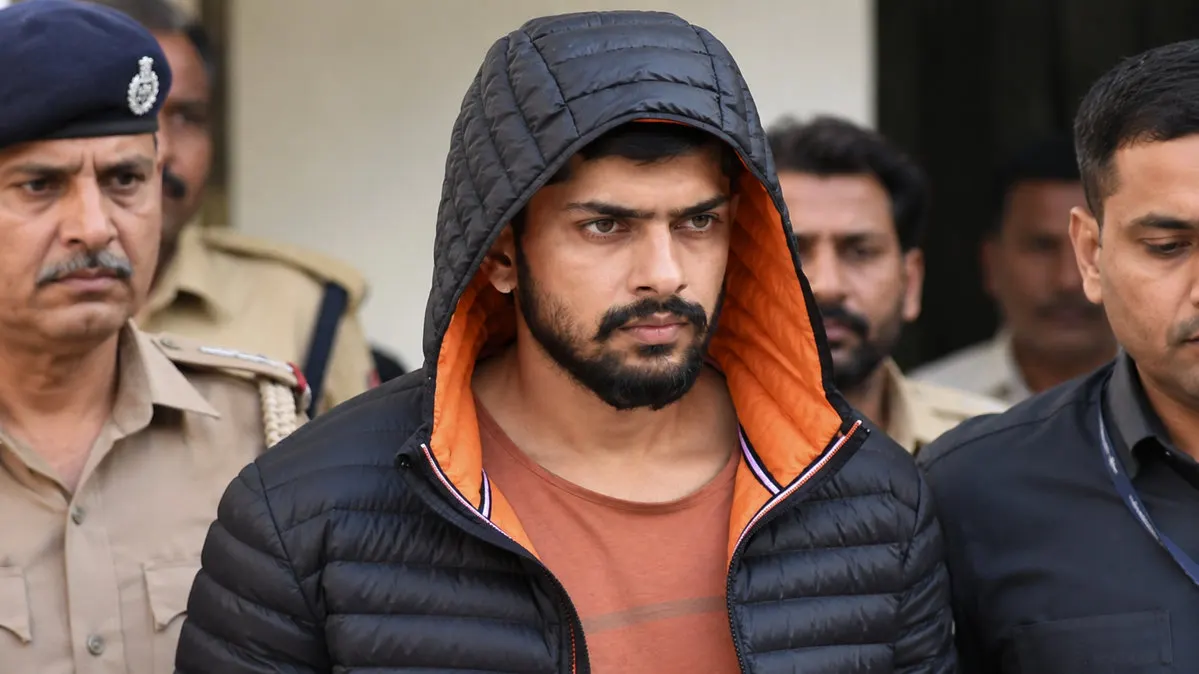
In a significant legal development, a special court in Mumbai remanded 11 accused to police custody until November 6.
The order followed the invocation of the Maharashtra Control of Organised Crime Act, commonly known as MCOCA.
The legislation is used to investigate and prosecute specified forms of organised criminal activity.
Police told the court that additional interrogation was required to understand the alleged conspiracy, identify the sources of firearms and investigate financial and logistical support.
Investigators also sought to examine possible links between the arrested individuals and a wider criminal syndicate.
The defence opposed extended custody, arguing that the police had already recovered important evidence and conducted substantial questioning.
The court nevertheless concluded that further investigation was necessary, including verification of material already collected and examination of potential connections involving other suspects.
The decision does not establish guilt. The accused remain entitled to contest the allegations and evidence during the legal proceedings.
Why Police Are Examining the Financial Network
The suspected financing of the attack is now a crucial investigative question.
Police are attempting to establish how money allegedly moved between participants and whether the funds were used for weapons, travel, accommodation or other logistical arrangements.
Investigators are also examining the role allegedly played by Pandit in financing and coordinating the operation.
Following the discovery of additional financial transactions, the investigation may help authorities reconstruct the sequence of events leading to the October 18 shooting.
The evidence could also clarify whether the alleged participants acted independently or under instructions from other individuals.
Police have not publicly established the full extent of the suspected network, and important questions concerning the financing of the attack remain unresolved.
What Does the Case Mean for Bollywood Security?
The attack has renewed concerns about the safety of prominent actors in Mumbai.
The film industry has previously witnessed incidents involving threats, shootings and alleged extortion attempts, prompting repeated discussions about celebrity protection.
The investigation into the attack on Shroff has particularly drawn attention because of the alleged use of surveillance, coordinated logistical arrangements and a network operating across multiple states.
Such allegations, if established, would suggest significant preparation and coordination behind the shooting.
The incident also raises questions about how security arrangements can respond when a public figure's movements are relatively predictable.
At the same time, investigators must distinguish between claims circulated by criminal groups and evidence capable of establishing responsibility in court.
What Happens Next in the Tiger Shroff Firing Case?
The next phase of the investigation is expected to focus on digital communications, financial records, weapons procurement and the suspected role of the alleged organiser.
Authorities are also seeking to identify any additional individuals who may have assisted the accused.
With 11 accused remanded to police custody until November 6 and another arrest reported, investigators have several unresolved questions to examine.
These include whether the suspected eight-month planning timeline can be substantiated, how the firearms were obtained and whether the people involved received instructions from a wider network.
For Tiger Shroff, the immediate danger from the October 18 attack has passed, but the investigation into who organised the firing and why remains active.
The latest disclosures indicate that police are examining a potentially extensive organised crime conspiracy. The alleged structure, financing and motives must still be tested against evidence in court before responsibility can be conclusively established.